
Spring-blooming bulbs should be planted in fall when the soil temperature has cooled to 60°F (15°C). This is typically 6-8 weeks before the ground freezes—usually September to November in most regions. Plant bulbs 6-8 weeks before the first hard frost so they can establish roots before winter. In colder climates (zones 3-5): plant in September. In moderate climates (zones 6-7): plant in October. In warmer climates (zones 8-9): plant in November. Plant bulbs at a depth 2-3 times their height, with the pointed end up. Water after planting and mulch for winter protection. Fall-planted bulbs include tulips, daffodils, crocus, hyacinths, alliums, and snowdrops.
What you will need
Understand the Importance of Timing

Why timing matters: Spring bulbs need time to develop roots before the ground freezes. Planting too early can cause bulbs to sprout before winter. Planting too late means roots won't establish.
The golden rule: Plant when the soil temperature has cooled to 60°F (15°C) and 6-8 weeks before the ground freezes.
Root development: Bulbs need 6-8 weeks of root growth before the first hard freeze.
Chilling requirement: Most spring bulbs need 10-16 weeks of cold temperatures (below 50°F) to bloom properly.
The goal: Plant early enough for root growth but late enough to prevent fall sprouting.
Know Your Climate Zone

Cold Climates (Zones 3-5): Plant in September. The ground freezes early, so plant 6-8 weeks before the first hard frost.
Moderate Climates (Zones 6-7): Plant in October. This is the peak bulb planting season.
Warm Climates (Zones 8-9): Plant in November. In warmer areas, bulbs may need pre-chilling in the refrigerator for 8-12 weeks before planting.
Very Cold Climates (Zones 1-2): Plant in late August to early September.
Find your zone: Check the USDA hardiness zone map for your area.
Check Soil Temperature
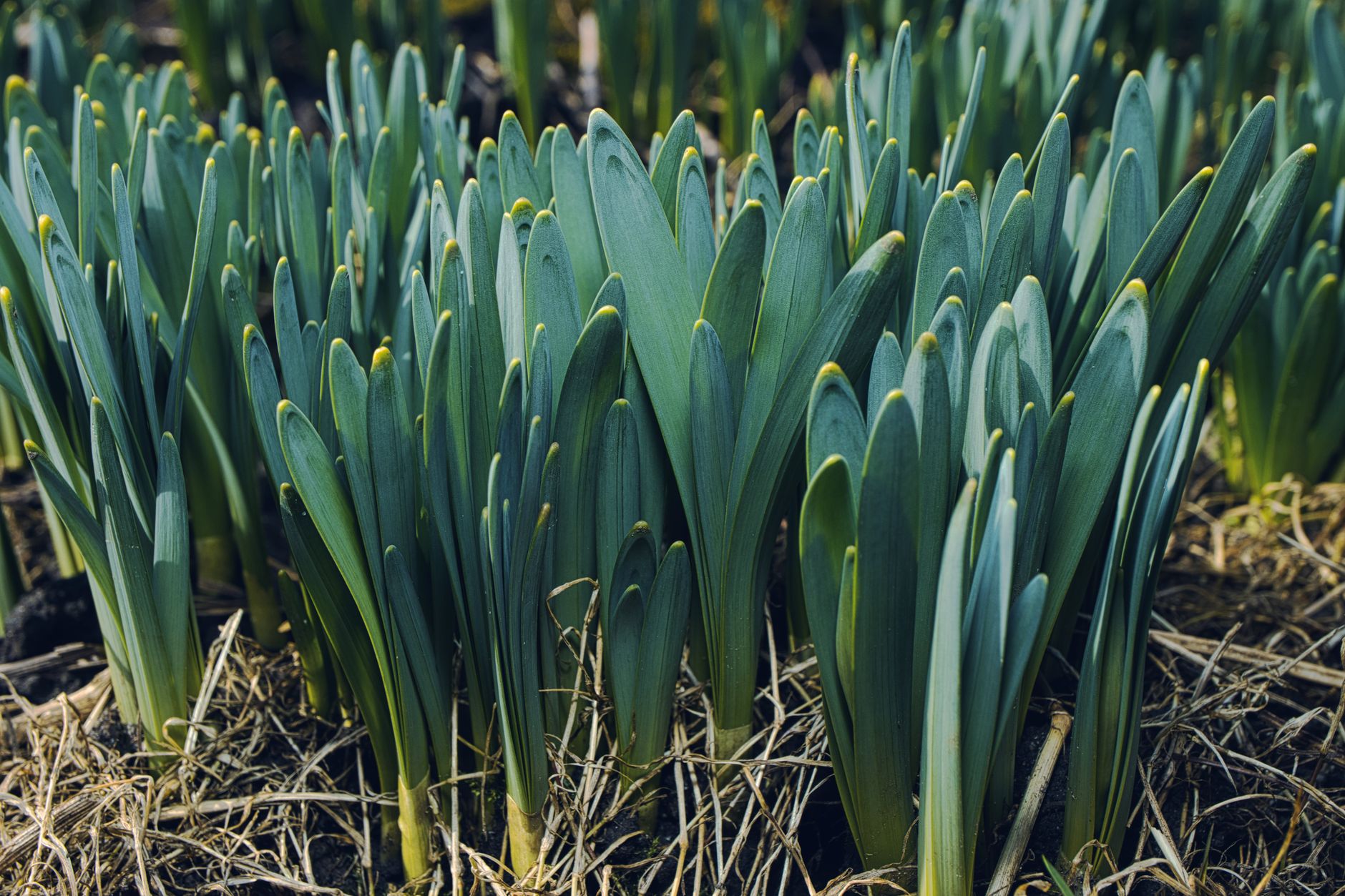
Ideal temperature: Plant when the soil temperature has cooled to 60°F (15°C) or below.
Why it matters: Bulbs planted in warm soil may rot or sprout too early.
How to check: Use a soil thermometer inserted 4-6 inches deep.
When to check: Check in the morning for the most accurate reading.
If it's too warm: Wait until the soil cools—don't rush.
Know When to Plant Specific Bulbs

Early bloomers (February-March): Snowdrops (plant early fall), crocus (plant early fall).
Mid-spring bloomers (April): Daffodils, early tulips, hyacinths (plant mid-fall).
Late spring bloomers (May): Late tulips, alliums, fritillaria (plant late fall).
General rule: Plant small bulbs (crocus, snowdrops) earlier; large bulbs (tulips, daffodils) later.
Order: Plant the earliest bloomers first, then mid and late bloomers.
Plant at the Correct Depth

Rule of thumb: Plant at a depth 2-3 times the height of the bulb.
Tulips & Daffodils: 6-8 inches deep.
Crocus & Small Bulbs: 3-4 inches deep.
Hyacinths: 6 inches deep.
Alliums: 6-8 inches deep.
Depth measured from the base of the bulb.
Follow Good Planting Practices
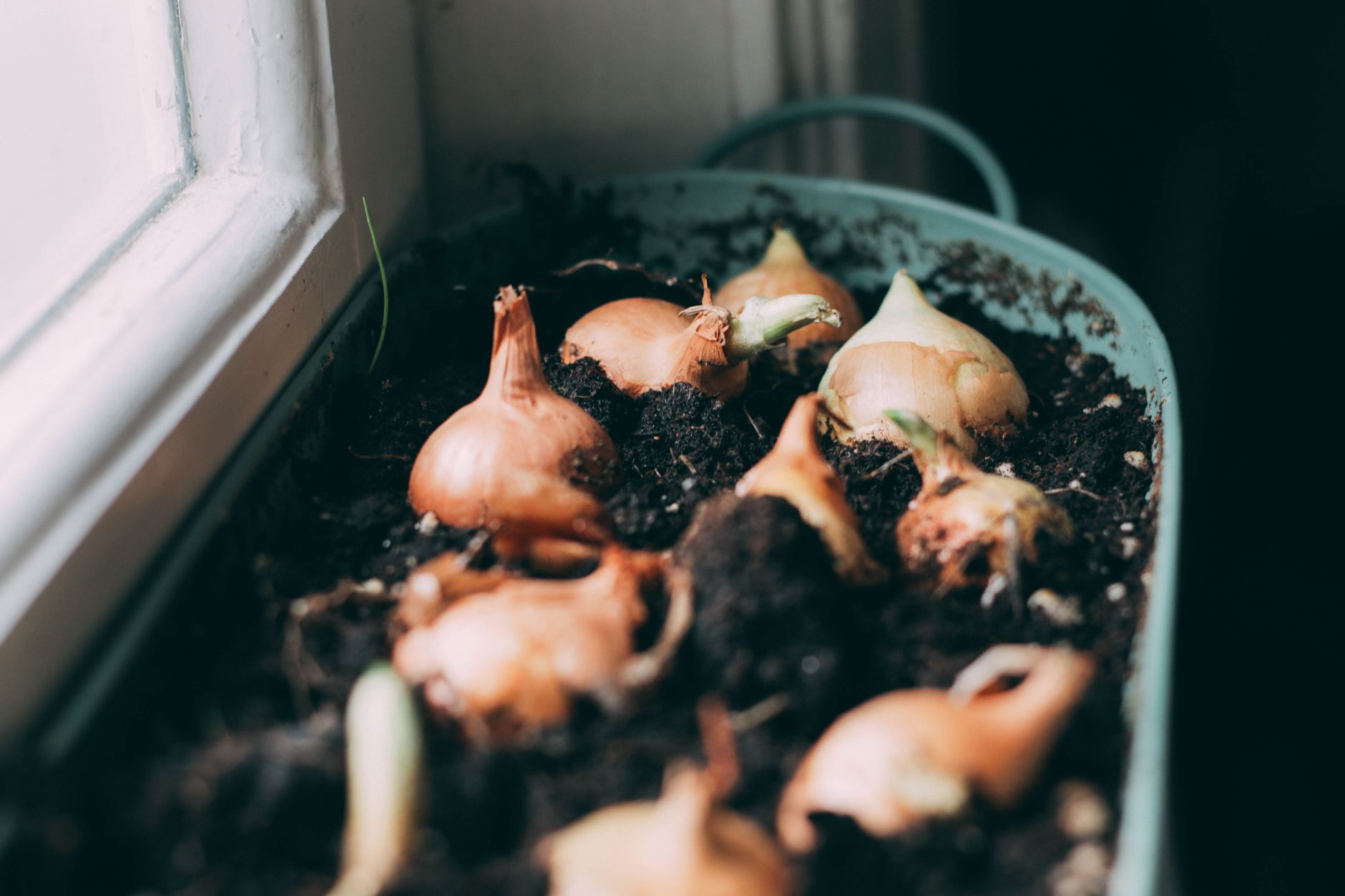
Direction: Plant with the pointed end facing up.
Spacing: Small bulbs 2-4 inches apart, large bulbs 6-8 inches apart.
Soil: Plant in well-draining soil. Add compost to improve drainage.
Fertilizer: Add bone meal or bulb fertilizer to the planting hole.
Water: Water well after planting to settle the soil.
Consider Pre-Chilling in Warm Climates
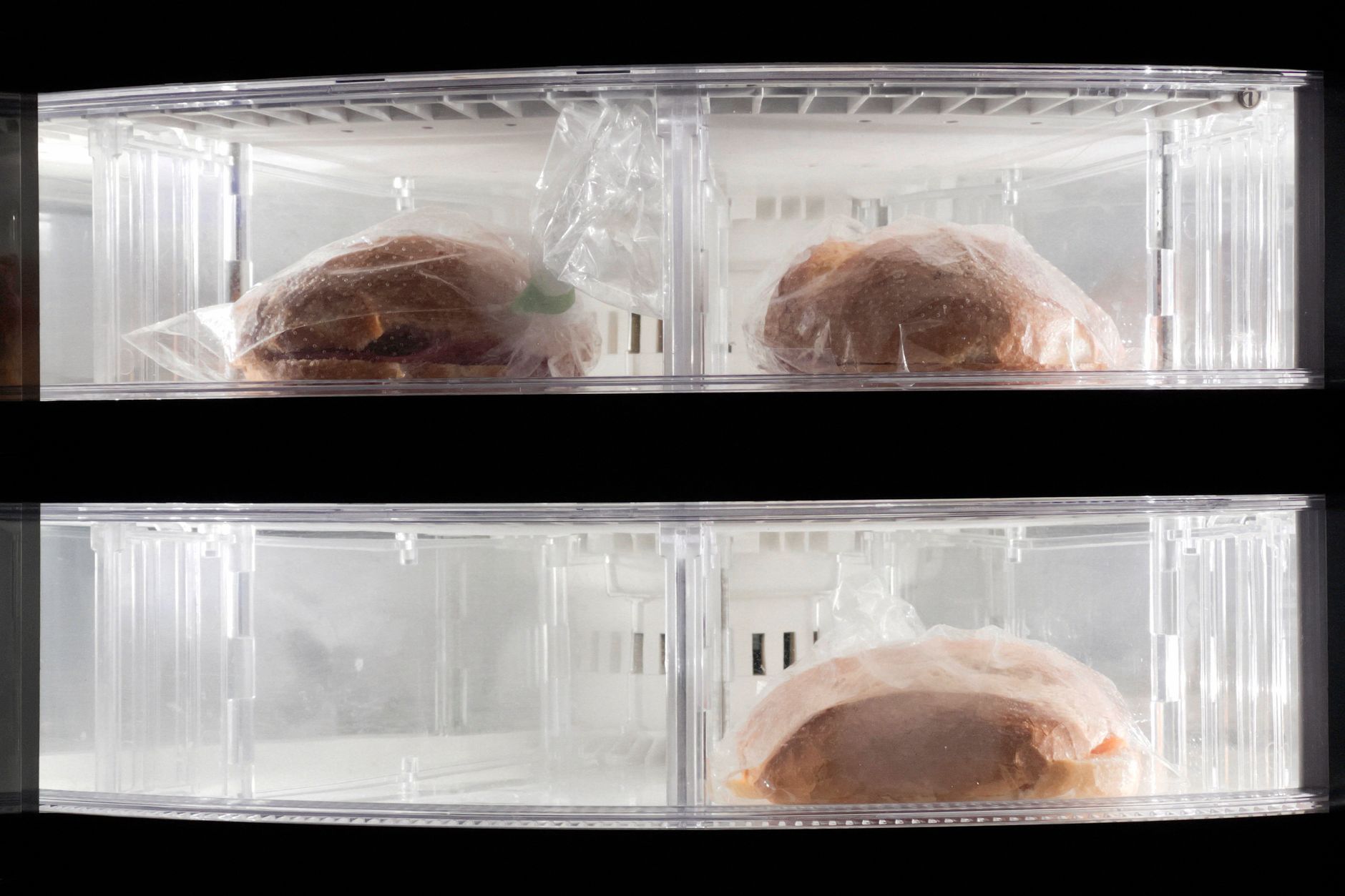
Why pre-chill: In warm climates (zones 8-10), bulbs may not get enough winter chill. Pre-chilling mimics winter conditions.
How to chill: Place bulbs in a paper bag and store in the refrigerator (not freezer) for 8-12 weeks.
When to start: Count back 12 weeks from your planting date.
Don't store with fruit: Apples and other fruits release ethylene gas that can damage bulbs.
Plant immediately: After chilling, plant bulbs right away.
Troubleshoot Common Issues

Bulbs not blooming: Planted too late or too shallow. Not enough chill hours.
Bulbs rotting: Planted in poorly draining soil or overwatered.
Squirrels digging: Protect with hardware cloth or chicken wire.
Spring sprouting: Planted too early—sprouts may be damaged by frost.
No growth: Bulbs may be old or damaged. Check bulb firmness.
Common problems and fixes
| Problem | Likely cause | What to do |
|---|---|---|
| Bulbs not blooming | Planted too late, too shallow, or not enough chill hours. | Plant earlier, deeper, or pre-chill bulbs. |
| Bulbs rotting | Poor drainage or overwatering. | Improve drainage and reduce watering. |
| Squirrels digging | Pests attracted to bulbs. | Cover planting area with hardware cloth. |
| Spring sprouting | Planted too early. | Wait until soil cools to 60°F before planting. |
Gardener's checklist
Test what you learned
When should you plant spring bulbs?
Answer: Fall
What soil temperature is best for bulb planting?
Answer: 60°F
How many weeks of root growth do bulbs need before the ground freezes?
Answer: 6-8 weeks
When do you plant bulbs in moderate climates (zones 6-7)?
Answer: October
What should you do in warm climates before planting bulbs?
Answer: Pre-chill in refrigerator
Common questions
Can I plant spring bulbs in spring?
Spring bulbs should be planted in fall for spring blooms. If you missed fall planting, you can try planting in spring, but blooms may be disappointing or delayed.
How late can I plant bulbs?
You can plant bulbs as long as the ground isn't frozen. Planting later may result in smaller blooms, but they'll still flower.
What happens if I plant bulbs too early?
Planting too early can cause bulbs to sprout before winter—frost may damage the sprouts. Wait until the soil has cooled to 60°F.
What happens if I plant bulbs too late?
Planting too late means bulbs may not have enough time to establish roots before the ground freezes, resulting in poor spring blooms.
Can I store bulbs if I can't plant them right away?
Yes, store bulbs in a cool, dry place (40-50°F) with good air circulation. Don't store them near apples or other fruit.
Planting spring bulbs at the right time is the key to spectacular spring blooms. Plant in fall when the soil temperature has cooled to 60°F (15°C), typically 6-8 weeks before the ground freezes. Cold climates: September. Moderate climates: October. Warm climates: November. Pre-chill bulbs in warm climates for 8-12 weeks. Plant at a depth 2-3 times the height of the bulb, with the pointed end up. Water well and mulch for winter protection. With proper timing and care, you'll enjoy a stunning spring display of tulips, daffodils, crocus, and hyacinths.
Frequently asked questions
How often should a vegetable garden be watered?
Frequency depends on weather, soil and plant size. Check the soil rather than watering on a rigid schedule.
Is compost enough fertilizer?
Compost improves soil and provides nutrients slowly. Heavy-feeding crops may still need additional feeding.

The Sproutstead Editorial Team
We create clear, practical gardening and homesteading guides designed for real homes and beginner growers.
View author profile →

