The best time to plant fruit trees is in early spring (after the last frost) or fall (6-8 weeks before the first frost). Spring planting is ideal for bare-root trees and cold climates, while fall planting works well for container trees in mild climates. In USDA zones 8-10, fall planting is preferred to avoid summer heat stress. In zones 3-6, spring planting is safer to prevent winter damage. For bare-root trees, plant only in early spring while trees are dormant. Container trees can be planted any time but are best in spring or fall. Always check the specific requirements for your tree variety and climate.
What you will need
Understand Your Climate Zone

USDA Hardiness Zones: Zones 3-5 (cold winters), 6-7 (moderate), 8-10 (mild winters), 11+ (tropical).
Cold Climates (Zones 3-6): Plant in early spring after the last frost. Fall planting is risky—young trees may not establish before winter.
Moderate Climates (Zones 6-7): Both spring and fall planting work well. Fall is often better because the tree establishes roots before summer heat.
Warm Climates (Zones 8-10): Fall planting is preferred. Avoid summer planting—heat stress can kill young trees.
Find your last frost date: This is the date after which you can safely plant. Check your local extension office for exact dates.
Choose Between Spring and Fall Planting
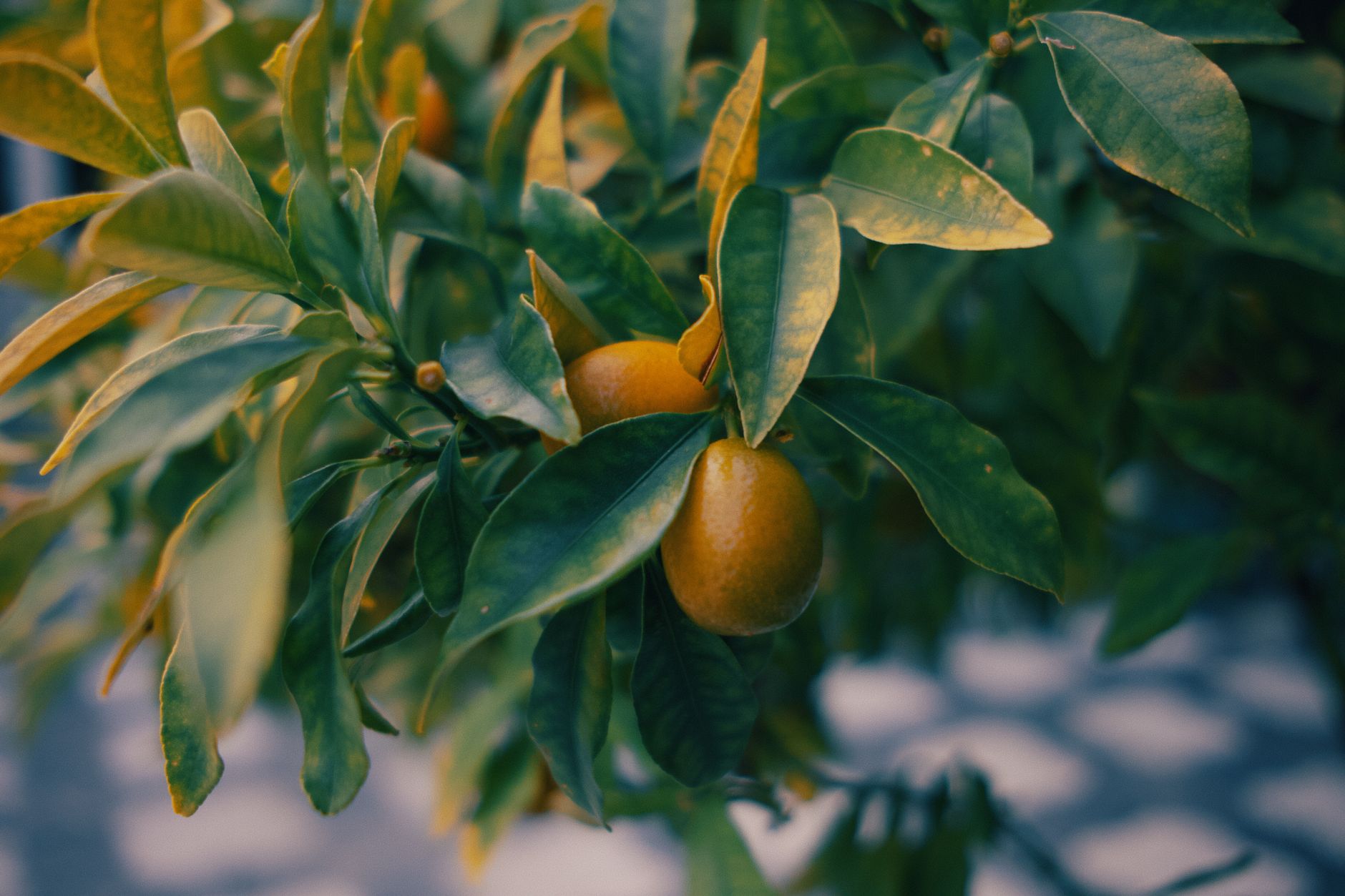
Spring Planting (March-May): Ideal for bare-root trees and cold climates. Trees have a full growing season to establish roots before winter. Avoid planting after trees have leafed out.
Fall Planting (September-November): Ideal for container trees and mild climates. Trees establish roots before summer heat. Plant 6-8 weeks before the first frost.
Advantages of Spring: Trees have time to establish before winter. Less risk of winter damage. Easier to water.
Advantages of Fall: Cooler temperatures reduce transplant shock. Trees establish roots without heat stress. Less watering needed.
Which is best? For bare-root trees: Spring only. For container trees: Spring or fall. For cold climates: Spring. For warm climates: Fall.
Plant Bare-Root Trees Correctly
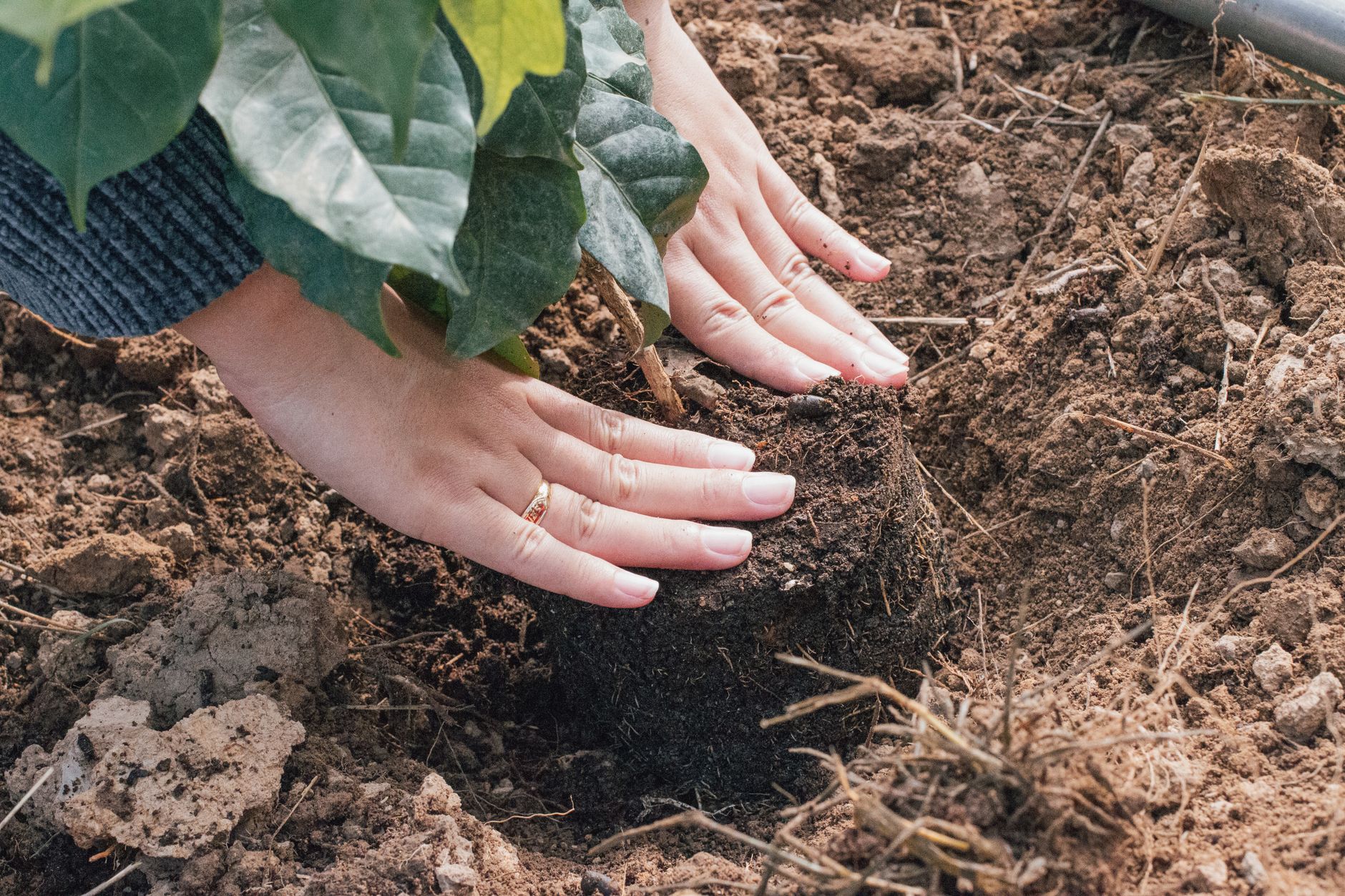
When to plant: Early spring (March-April) while the tree is still dormant. Plant as soon as the ground can be worked.
Soaking: Soak the roots in water for 2-4 hours before planting. This hydrates the tree.
Planting depth: Dig a hole twice as wide and the same depth as the root system. Place the tree at the same depth as the nursery mark (look for the soil line on the trunk).
Spacing: Follow spacing guidelines for your variety (dwarf: 8-12 feet, semi-dwarf: 12-15 feet, standard: 15-20 feet).
Backfilling: Backfill with soil, tamp lightly to remove air pockets, and water deeply.
Plant Container Trees Correctly

When to plant: Spring (after last frost) or fall (6-8 weeks before first frost).
Watering: Water the tree in its container thoroughly before planting.
Planting depth: Dig a hole twice as wide as the root ball and the same depth. The root ball should be level with the soil surface.
Root flare: Ensure the root flare (where the trunk meets the roots) is at or slightly above soil level.
Backfilling: Backfill with soil, tamp gently, and water deeply. Add compost to the planting hole.
Prepare the Planting Site
Dig the hole: Dig a hole twice as wide as the root ball and the same depth. A wide hole encourages roots to spread.
Amend the soil: Mix compost or aged manure into the backfill soil. This provides nutrients and improves drainage.
Water: Water the hole before planting to moisten the soil.
Examine roots: Check the roots for damage. Trim broken or damaged roots before planting.
Staking: If planting in a windy location, install a stake to support the tree. Remove after 1-2 years.
Water and Care After Planting
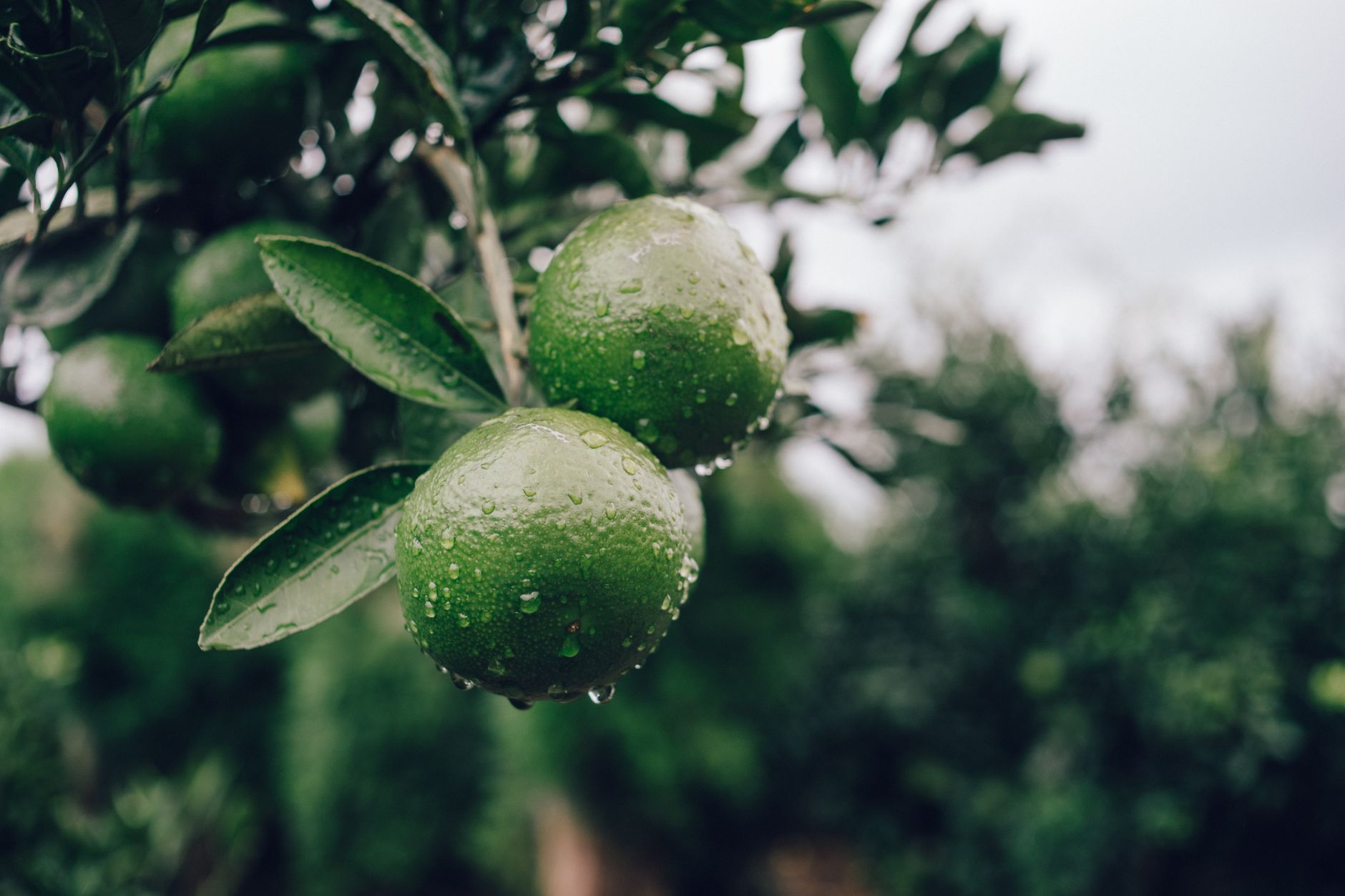
Immediate watering: Water deeply immediately after planting to settle the soil.
First year watering: Water young trees deeply once a week (more in hot weather). The first year is critical for root establishment.
Mulch: Apply 2-3 inches of mulch around the base (not touching the trunk). Retains moisture and suppresses weeds.
Fertilize: Wait to fertilize until the tree shows signs of new growth (leaf buds opening).
Protect from frost: In colder climates, protect young trees from frost with tree wraps or frost cloth.
Timing by Tree Type
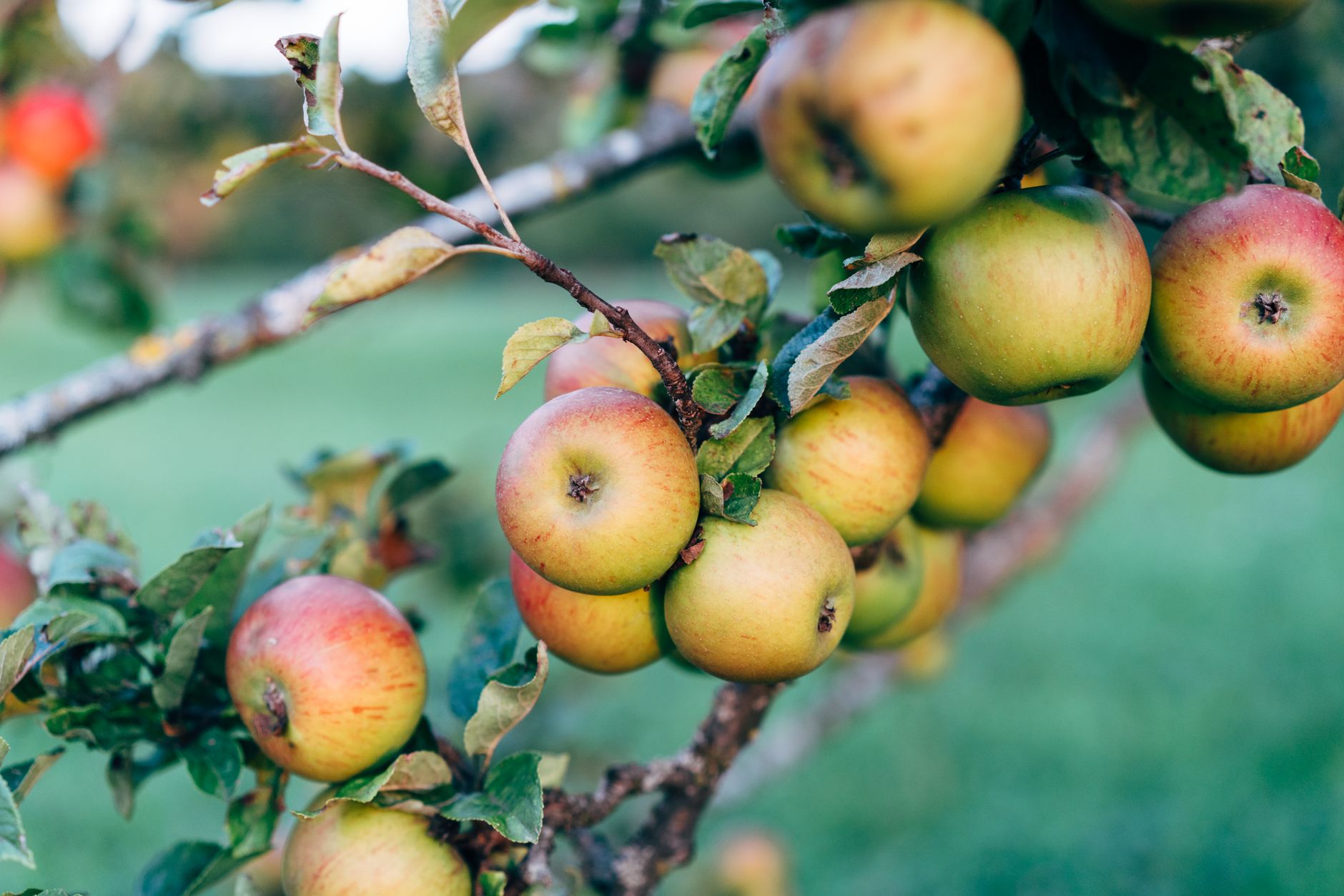
Apples: Plant in early spring (dormant). Bare-root: March-April. Container: Spring or fall.
Pears: Same as apples. Plant in early spring.
Peaches and Nectarines: Plant in early spring. Avoid fall planting in cold climates.
Citrus: Plant in spring in cold climates (after frost). In warm climates, plant any time except summer.
Plums: Plant in early spring. Fall planting is okay in mild climates.
Cherries: Plant in early spring. Sweet cherries are less cold-hardy than tart cherries.
Figs: Plant in spring after all danger of frost. In warm climates, fall is also fine.
What to Avoid

Summer planting: Avoid planting in summer (June-August). Heat stress can kill young trees.
Winter planting: Don't plant when the ground is frozen. Roots can't establish.
After leaf-out: Don't plant bare-root trees after they've leafed out—they won't survive.
Waterlogged soil: Don't plant in wet, poorly draining soil—roots will rot.
Frost pockets: Avoid low-lying areas where frost settles—cold air damages blossoms.
Common problems and fixes
| Problem | Likely cause | What to do |
|---|---|---|
| Tree not growing after planting | Planting shock, poor roots, or too much/little water. | Water consistently, check for root issues, and be patient. |
| Leaves turning yellow | Overwatering or nutrient deficiency. | Water less, check drainage, and fertilize in spring. |
| Tree dying in winter | Planted too late in fall or not cold-hardy. | Choose cold-hardy varieties and plant in spring. |
| Poor fruit production | Young tree (takes 2-4 years), lack of pollination, or poor nutrition. | Be patient, plant a pollinator, and fertilize. |
Gardener's checklist
Test what you learned
When is the best time to plant fruit trees in cold climates?
Answer: Early spring
When should bare-root trees be planted?
Answer: Only in spring (while dormant)
What is the best planting time for mild climates?
Answer: Fall
Why should you avoid summer planting?
Answer: Heat stress can kill young trees
How deep should a fruit tree be planted?
Answer: Same depth as the nursery pot (root flare at soil level)
Common questions
Can I plant fruit trees in the summer?
Summer planting is not recommended. Heat stress can kill young trees. If you must plant in summer, water deeply and provide shade.
Can I plant fruit trees in winter?
No, don't plant when the ground is frozen. Roots cannot establish in frozen soil.
What is the best month to plant fruit trees?
March-April (spring) for cold climates, September-November (fall) for mild climates. The exact month depends on your zone.
Can I plant a fruit tree in fall?
Yes, in mild climates. Plant 6-8 weeks before the first frost so roots can establish before winter.
How late can I plant fruit trees in spring?
Plant as early as possible in spring—after the ground is workable but before the tree leafs out. Late spring planting can stress the tree.
The best time to plant fruit trees depends on your climate, tree type, and local conditions. In cold climates (zones 3-6), plant in early spring after the last frost. In mild climates (zones 7-10), fall planting is often best. Bare-root trees must be planted in spring while dormant. Container trees can be planted in spring or fall. Avoid summer planting—heat stress can kill young trees. With proper timing and care, your fruit tree will establish quickly and provide delicious fruit for years to come.
Frequently asked questions
How often should a vegetable garden be watered?
Frequency depends on weather, soil and plant size. Check the soil rather than watering on a rigid schedule.
Is compost enough fertilizer?
Compost improves soil and provides nutrients slowly. Heavy-feeding crops may still need additional feeding.

The Sproutstead Editorial Team
We create clear, practical gardening and homesteading guides designed for real homes and beginner growers.
View author profile →