Pruning fruit trees is essential for health, shape, and fruit production. The best time to prune is late winter (dormant season) for most trees, though summer pruning is also beneficial for some. Use sharp, clean tools: pruning shears for small branches, loppers for medium branches, and a pruning saw for large branches. Always remove the 3 Ds: dead, diseased, and damaged branches. Then thin out crossing branches and open up the canopy for sunlight and air circulation. Different fruit trees need different pruning approaches: central leader (apples, pears) or open center (peaches, plums, cherries). Regular pruning keeps trees productive and healthy for decades.
What you will need
Understand Why Pruning Is Essential
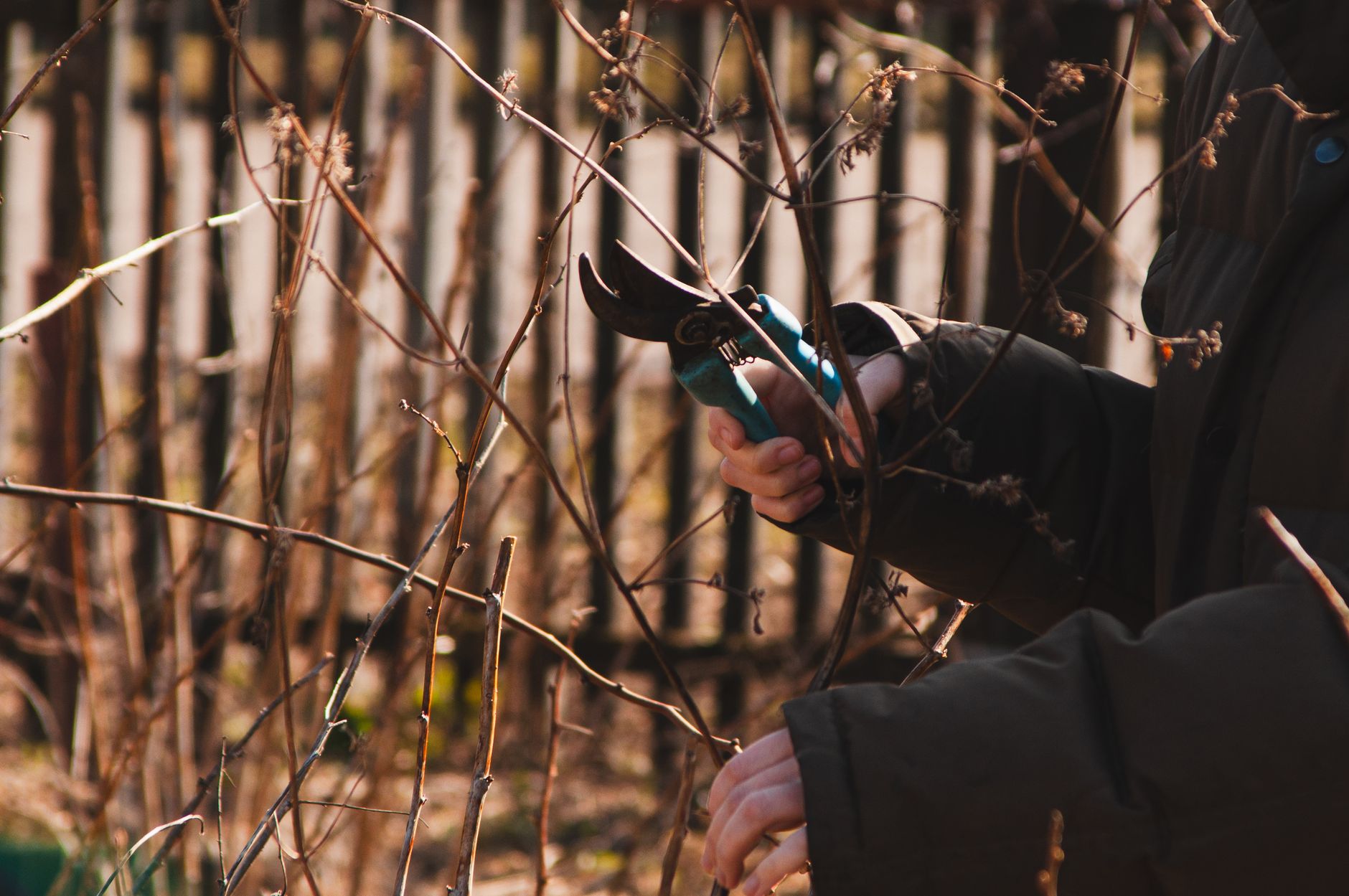
Health: Removes dead, diseased, and damaged wood—preventing decay and disease spread.
Shape: Creates a strong, balanced tree structure that can support heavy fruit loads.
Sunlight: Opens up the canopy, allowing sunlight to reach all parts of the tree. Sunlight improves fruit color and flavor.
Air circulation: Reduces disease by improving airflow through the canopy.
Fruit production: Removes old, unproductive wood and encourages new fruiting wood.
Size control: Keeps trees at a manageable height for easy harvesting and care.
Choose the Right Time to Prune
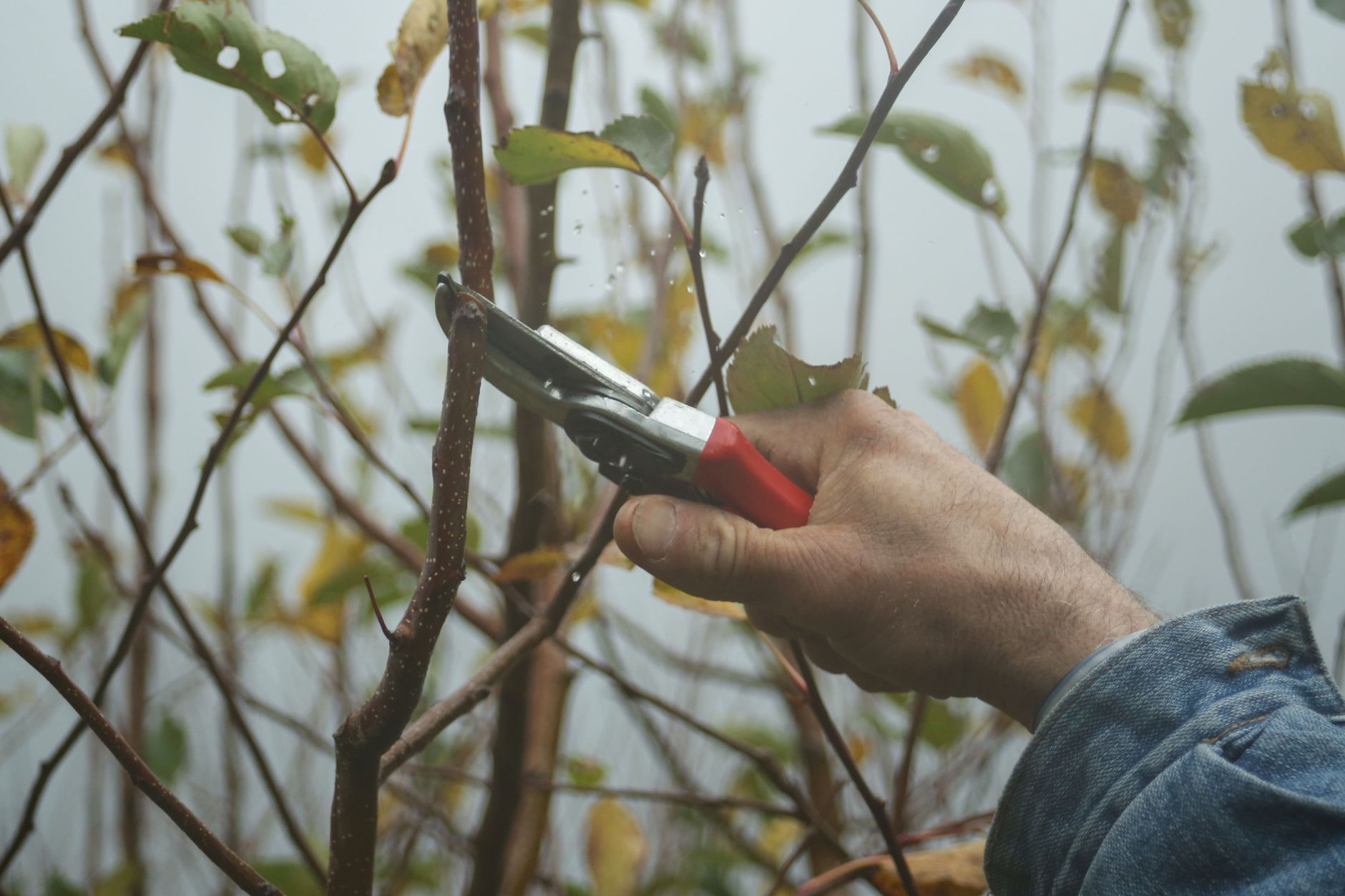
Dormant pruning (Late winter): The best time for most fruit trees. Prune in February-March before new growth starts. Trees are dormant, making it easier to see the branch structure. Promotes vigorous spring growth.
Summer pruning: Good for some trees (peaches, apricots, nectarines). Prune in July-August to slow down vigorous growth and encourage fruiting spurs.
Avoid: Pruning in fall—wounds may not heal before winter. Pruning in spring after bud break—bleeding can occur.
Exceptions: Sweet cherries should be pruned in summer to reduce disease risk. Plums should be pruned in summer to avoid silver leaf disease.
When to start: Young trees should be pruned from the first year to establish good structure.
Use the Right Tools
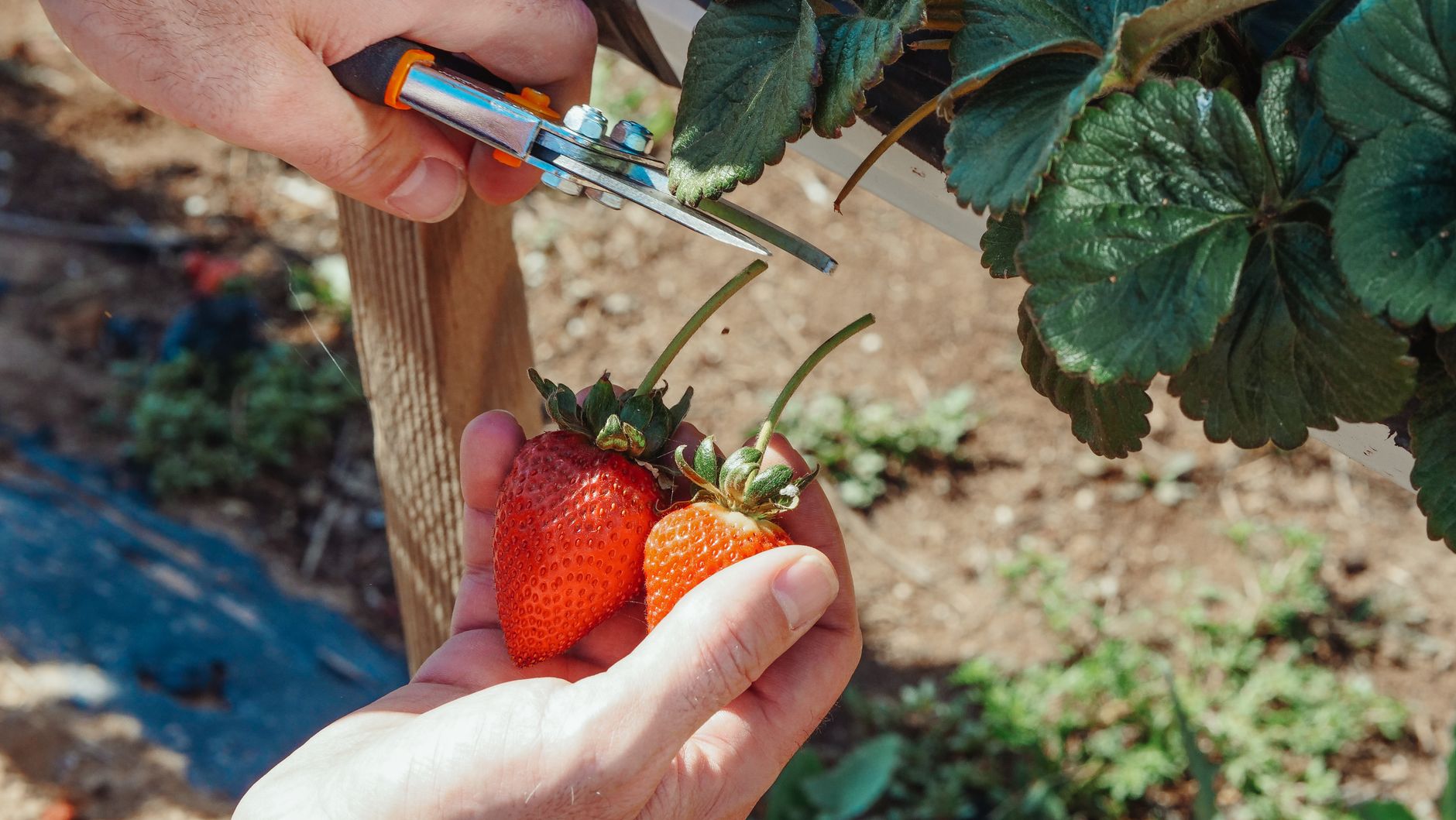
Pruning shears (secateurs): For small branches up to 1/2 inch thick. Choose bypass shears (they make cleaner cuts than anvil shears).
Loppers: For branches 1/2 to 1.5 inches thick. Provides more leverage than shears.
Pruning saw: For branches over 1.5 inches thick. Use a curved or folding saw for better control.
Pole pruner: For high branches (optional).
Sharpen regularly: Keep tools sharp—clean cuts heal faster.
Sterilize: Disinfect tools between trees with rubbing alcohol or a bleach solution (1:9 bleach to water) to prevent disease spread.
Master the Basic Cuts
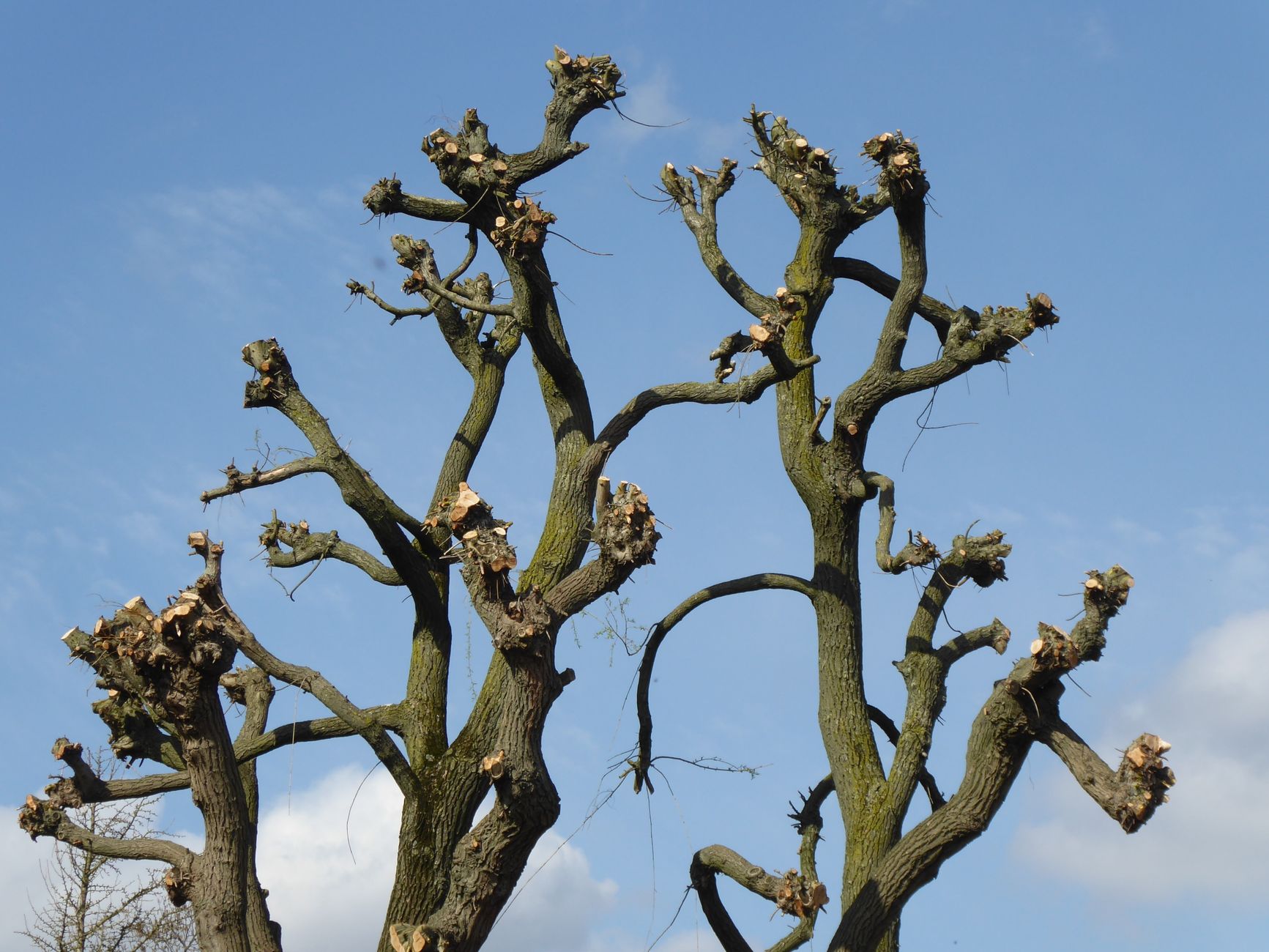
Thinning cut: Remove a branch at its point of origin. Used to reduce density and improve air circulation. The cut should be flush with the branch collar.
Heading cut: Cut a branch back to a bud. Used to encourage branching and control size. Cut at a 45-degree angle, 1/4 inch above an outward-facing bud.
Three-cut method (for large branches): 1) Make an undercut 6-12 inches from the trunk. 2) Make a top cut further out to remove the branch. 3) Make the final cut at the branch collar.
Never leave stubs: Stubs don't heal and invite disease. Make clean cuts.
Branch collar: The swollen area where the branch meets the trunk—don't cut into it.
Follow the 3 Ds Rule First
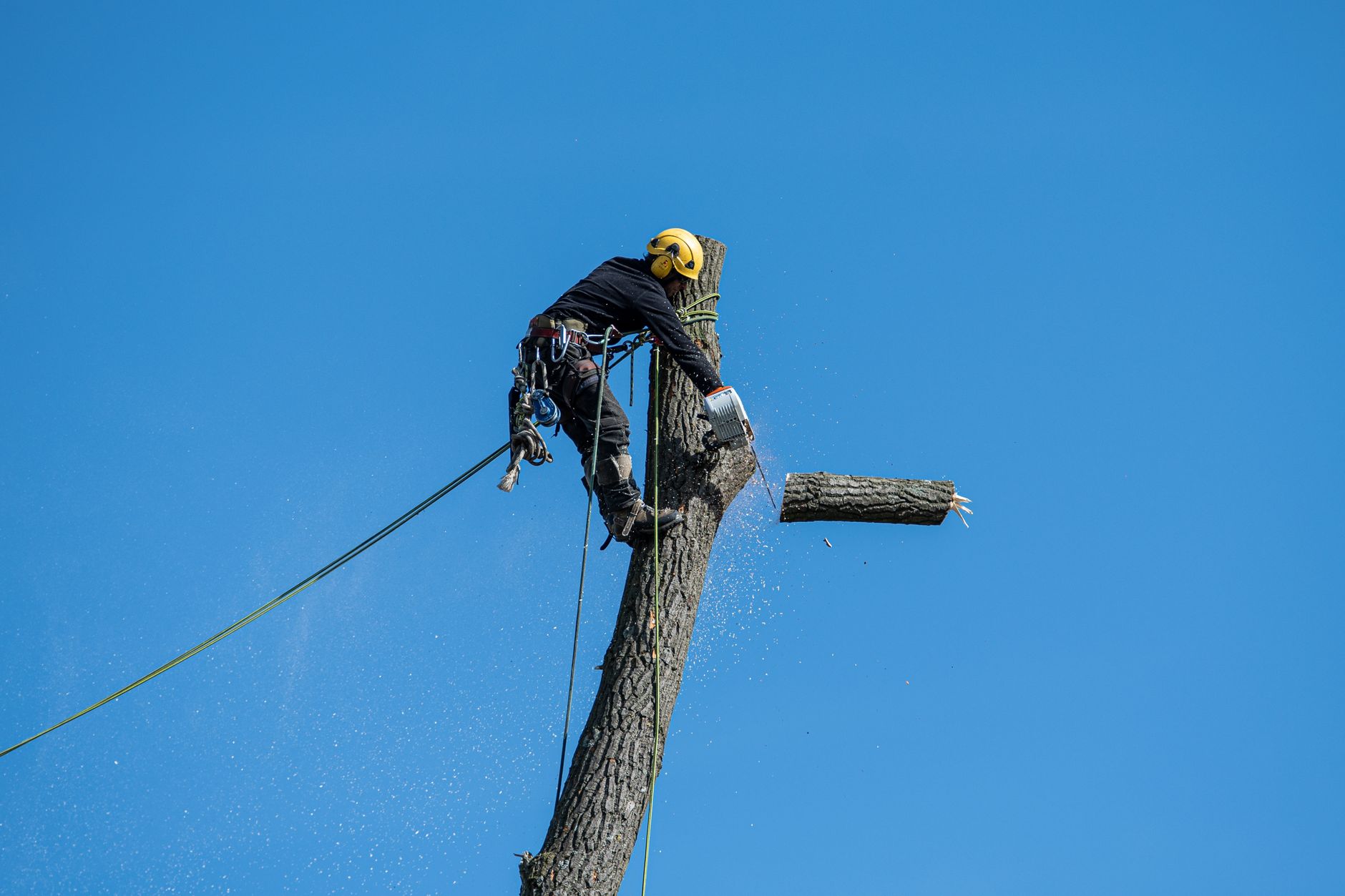
Dead: Gray, brittle wood with no buds or leaves. Remove them all.
Diseased: Branches with cankers, fungal growth, or discoloration. Remove them and dispose of them (don't compost).
Damaged: Broken, cracked, or split branches. Remove them to prevent further damage.
Why first: These branches are a source of disease and decay. Removing them improves tree health.
Dispose: Don't compost diseased wood—burn or dispose of it to prevent disease spread.
Thin Out Crossing and Crowded Branches
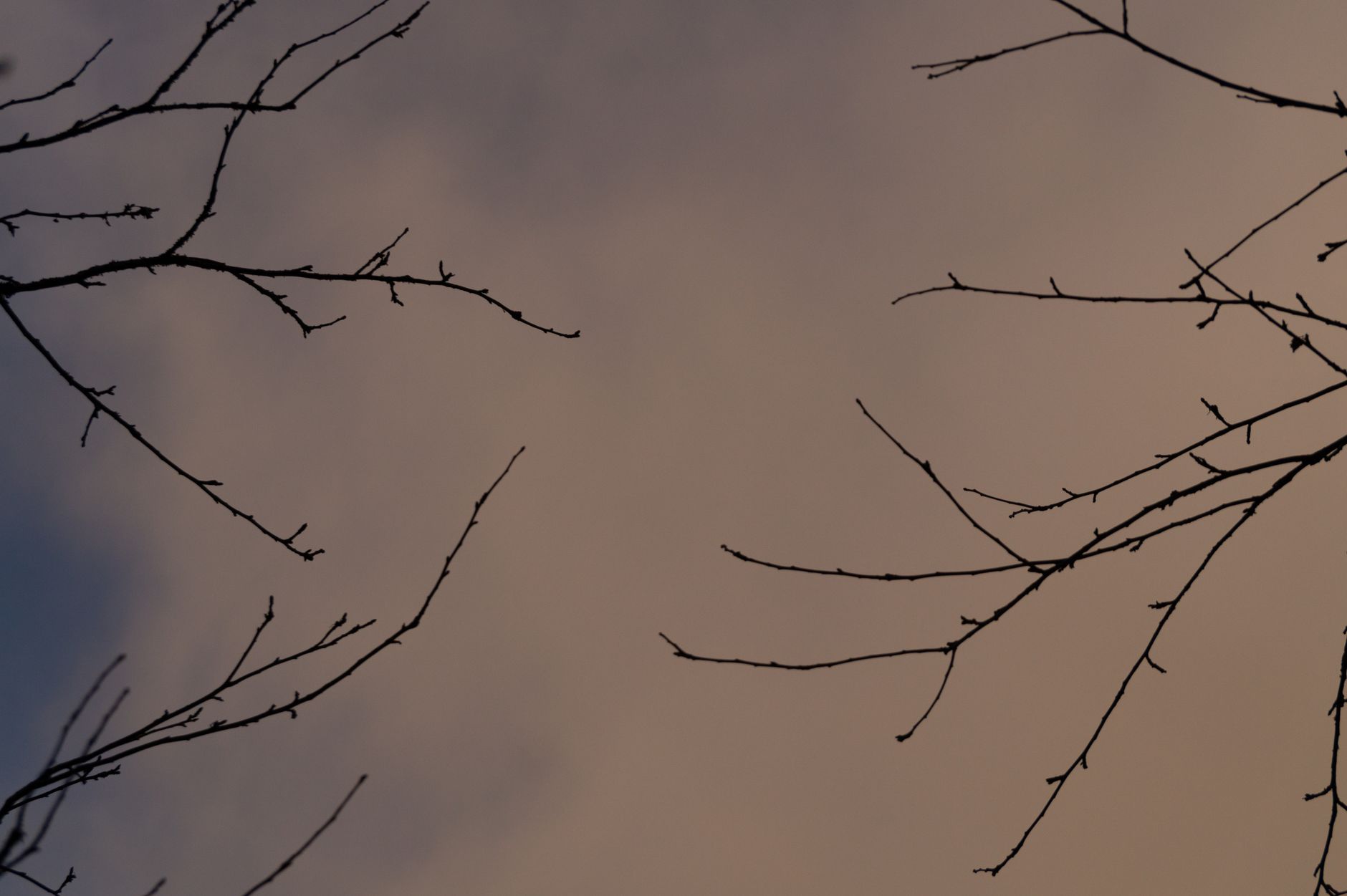
Identify crossing branches: Branches that rub against each other. They damage bark and create entry points for disease.
Remove: Remove one of the crossing branches—always remove the weaker one.
Crowded branches: Remove branches that are too close together. Aim for 12-18 inches of spacing between branches.
Inward-growing branches: Remove branches that grow inward toward the center. They block air circulation.
Result: A well-spaced, open canopy with good air circulation and sunlight exposure.
Choose Your Tree Shape: Central Leader vs. Open Center
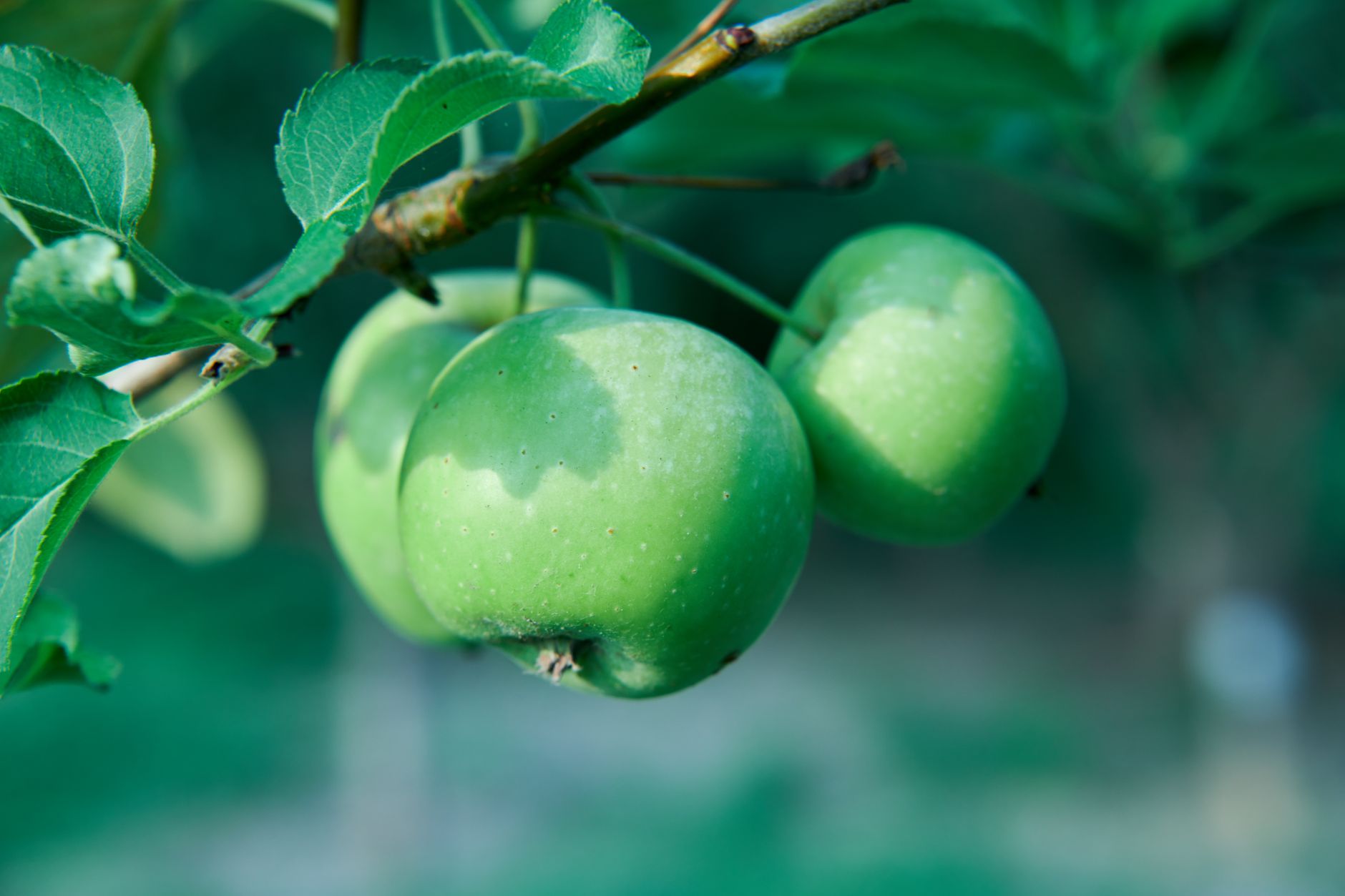
Central leader: One main trunk with side branches (scaffold branches) arranged in tiers. Best for: Apples, pears, cherries, and pecans. Provides a strong structure. Good for large trees.
Open center (vase shape): No central leader. Three to four main branches radiating from the center. Best for: Peaches, plums, apricots, nectarines, and citrus. Good for sunlight penetration. Keeps trees shorter.
How to develop central leader: Select a strong central trunk. Choose 3-4 scaffold branches at different heights and directions. Keep them evenly spaced.
How to develop open center: Select 3-4 main branches. Remove the central leader. Keep the center open.
Which to choose: Use central leader for apples, pears, and cherries. Use open center for stone fruits (peaches, plums, apricots).
Prune Young Trees (First 3 Years)
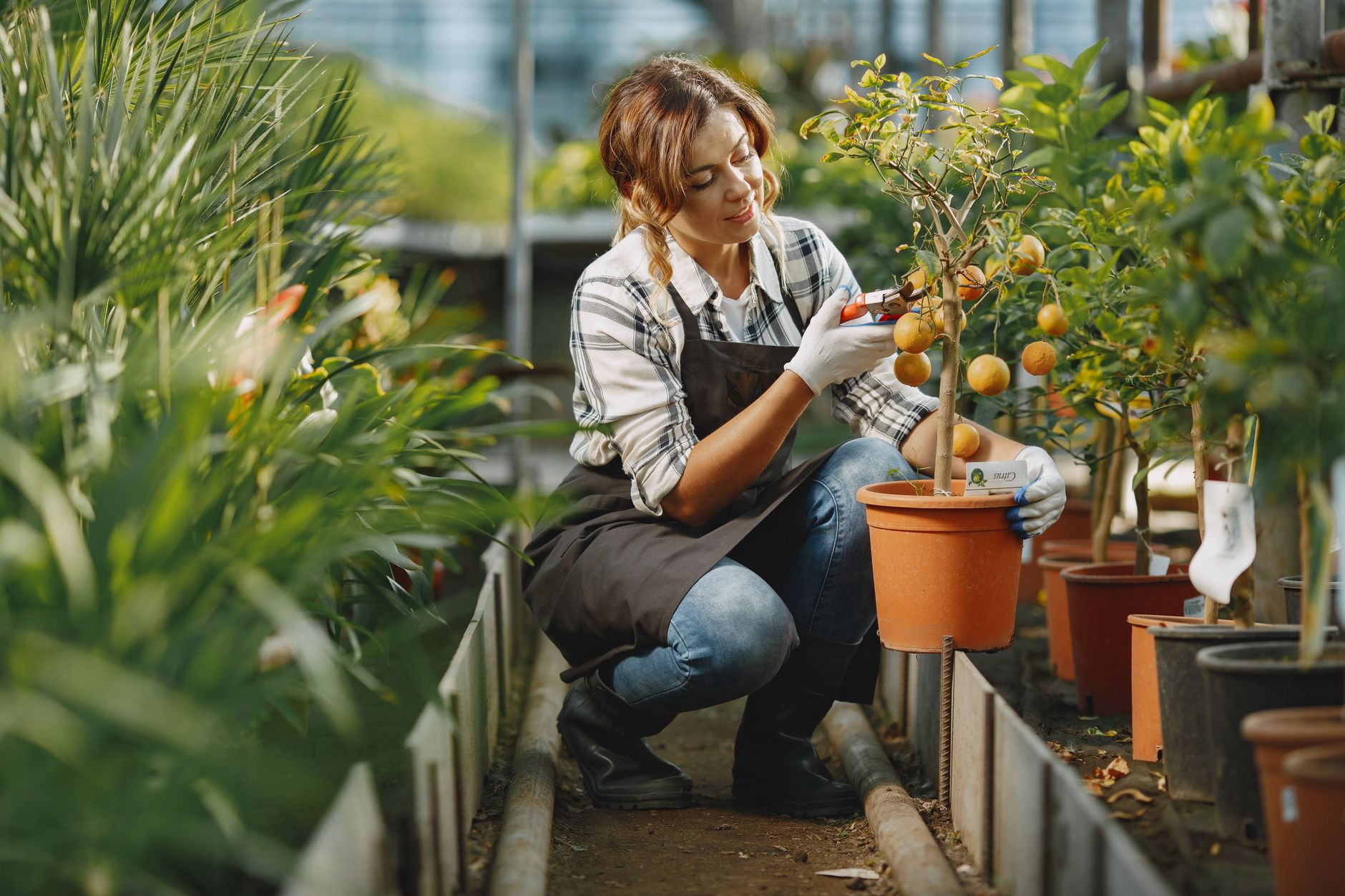
Year 1: Cut the tree back to 24-30 inches above the ground. This encourages branching.
Year 2: Select 3-4 strong branches (scaffold branches) for your chosen shape. Remove competing branches.
Year 3: Continue shaping. Remove crossing branches. Thin out crowded areas. Shorten side branches.
Goal: Establish a strong, well-balanced branch structure that will support heavy fruit loads.
Be patient: Young trees need less pruning than mature trees. Let them grow.
Prune Mature Trees
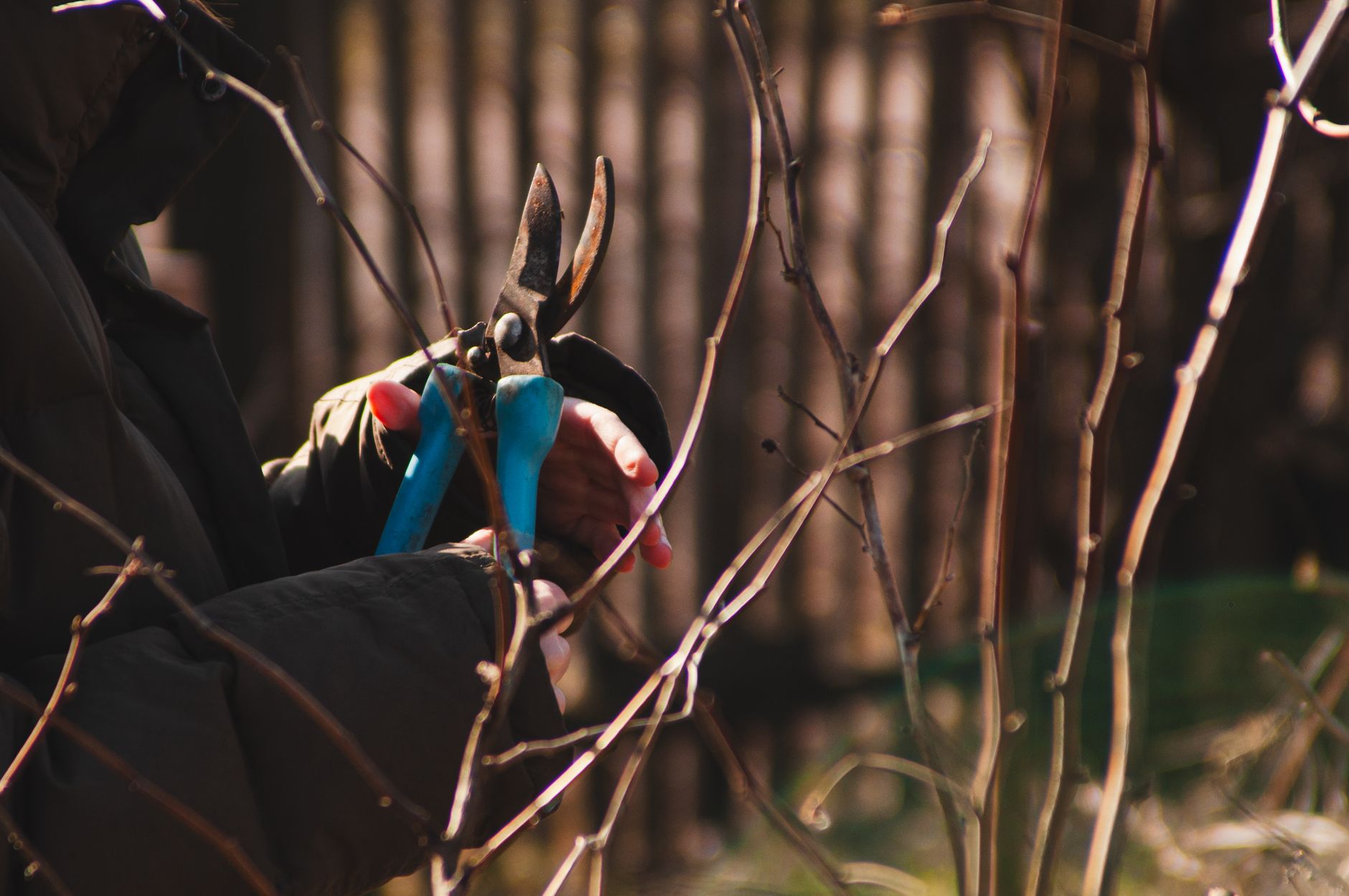
Annual pruning: Remove 10-20% of the canopy each year. This encourages new growth.
Renewal pruning: Remove some older branches to encourage new growth. This keeps the tree productive.
Height control: Cut back the top of the tree to keep it at a manageable height.
Fruiting spurs: Protect fruiting spurs (short, stubby branches). They produce fruit.
After fruiting: Some trees (like peaches) produce fruit on one-year-old wood—prune to encourage new growth.
Common problems and fixes
| Problem | Likely cause | What to do |
|---|---|---|
| Tree not producing fruit | Over-pruning or wrong pruning time. | Prune less and at the right time. Fruit trees need new growth for fruit. |
| Disease spreading in the tree | Not removing diseased wood or not sterilizing tools. | Remove diseased wood and sterilize tools between cuts. |
| Water sprouts (vigorous upright shoots) | Over-pruning or too much nitrogen. | Remove water sprouts in summer. Reduce nitrogen fertilizer. |
| Tree is too tall | Not pruning regularly. | Cut back the top in winter. Keep height manageable. |
Gardener's checklist
Test what you learned
What is the best time to prune most fruit trees?
Answer: Late winter (dormant)
What are the 3 Ds of pruning?
Answer: Dead, diseased, damaged
Which pruning shape is best for peaches and plums?
Answer: Open center (vase)
What is the most important pruning rule?
Answer: Remove the 3 Ds first
How much of the canopy should you remove each year?
Answer: 10-20%
Common questions
Can I prune fruit trees in spring?
Pruning in spring after bud break is not recommended—trees bleed sap and may get diseases. Prune in late winter instead.
Do I need to seal pruning cuts?
Most cuts don't need sealant. In wet climates, you can use a tree wound sealant. In dry climates, it's not necessary.
How do I know which branches to remove?
Remove the 3 Ds first. Then remove crossing branches, crowded branches, and branches growing inward. Step back and assess the shape.
Can I prune a fruit tree to keep it small?
Yes, regular pruning can control size. Prune in winter and summer to manage growth. Dwarf rootstocks also help keep trees small.
What is a water sprout?
A water sprout is a vigorous, upright shoot that grows from the trunk or branches. Remove them in summer as they take energy from the tree.
Pruning fruit trees is essential for health, shape, and fruit production. The best time to prune is late winter (dormant season) for most trees. Always remove the 3 Ds first: dead, diseased, and damaged branches. Then thin out crossing branches and open up the canopy for sunlight and air circulation. Use sharp, clean tools and make clean cuts. Different trees need different pruning approaches: central leader (apples, pears) or open center (peaches, plums). With regular pruning, your fruit trees will stay healthy and productive for decades.
Frequently asked questions
How often should a vegetable garden be watered?
Frequency depends on weather, soil and plant size. Check the soil rather than watering on a rigid schedule.
Is compost enough fertilizer?
Compost improves soil and provides nutrients slowly. Heavy-feeding crops may still need additional feeding.

The Sproutstead Editorial Team
We create clear, practical gardening and homesteading guides designed for real homes and beginner growers.
View author profile →