Blueberries are long-lived perennials that produce delicious, antioxidant-rich berries. The secret to growing blueberries is acidic soil—they absolutely require a soil pH of 4.5-5.5. Choose the right variety: highbush (most common), rabbiteye (warmer climates), or lowbush (cold climates). Plant in full sun (6-8 hours) with well-draining soil. Space plants 4-6 feet apart, water deeply (1-2 inches per week), and mulch with pine bark or wood chips. Prune in late winter to remove dead, diseased, or crossing branches. Protect from birds with netting. Blueberries take 3-4 years to reach full production, but the wait is worth it. Add sulfur to lower pH if your soil is alkaline.
What you will need
Choose the Right Blueberry Variety
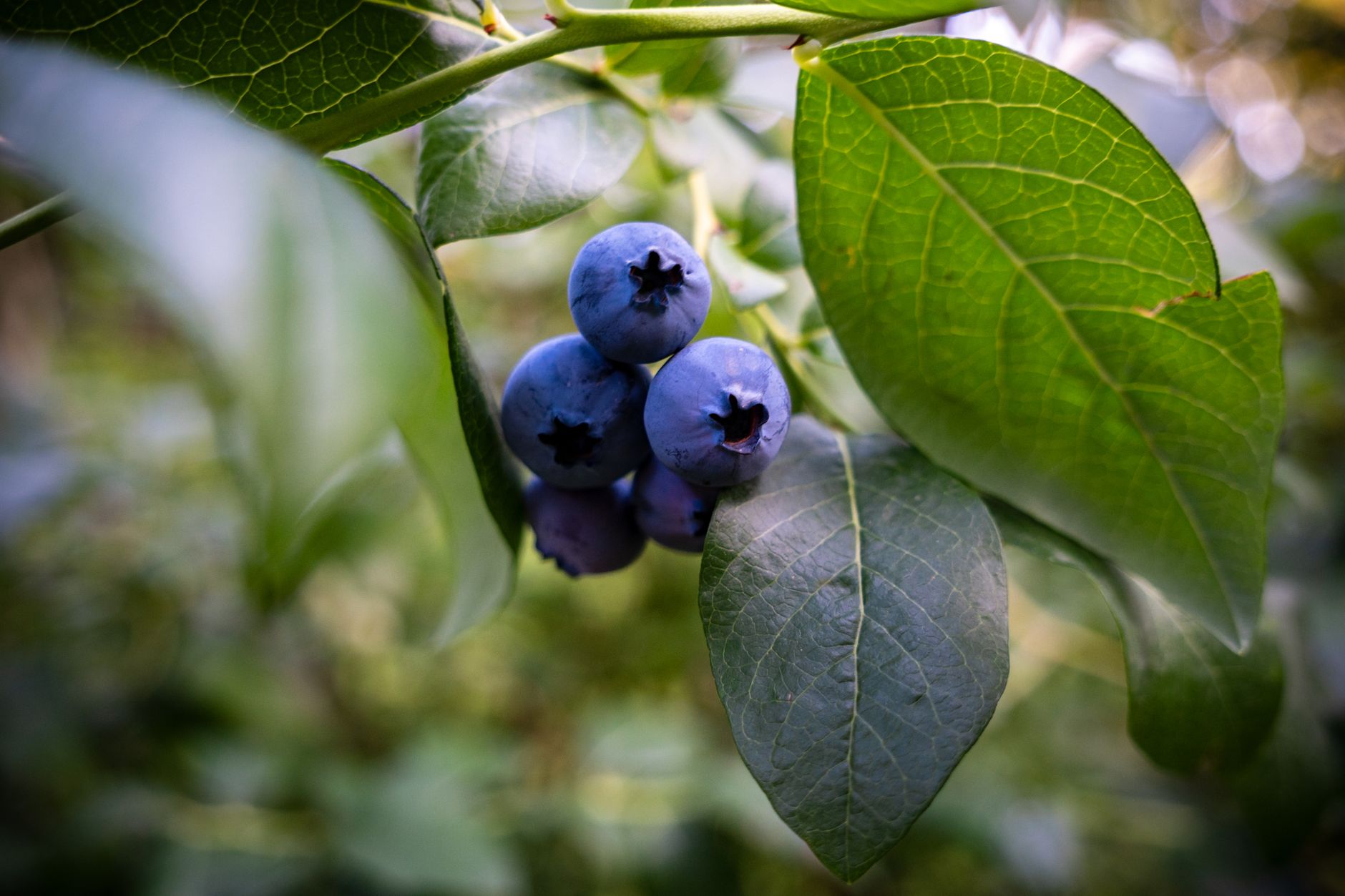
Highbush (Vaccinium corymbosum): The most common variety. Produces large, flavorful berries. Grows 4-8 feet tall. Best for USDA zones 4-7. Popular varieties: Bluecrop (heavy producer), Duke (early ripening), Jersey (reliable), Patriot (cold hardy).
Rabbiteye (Vaccinium ashei): More heat-tolerant. Grows 6-10 feet tall. Best for USDA zones 7-9 (warmer climates). Popular varieties: Premier, Tifblue, Climax. Needs cross-pollination.
Lowbush (Vaccinium angustifolium): Wild blueberries. Low-growing (1-2 feet tall). Best for cold climates (zones 3-5). Good for ground cover. Popular varieties: Wild blueberry, Blomidon, Burgundy.
Southern Highbush: Cross between highbush and rabbiteye. Good for warmer climates (zones 7-9). Berries are large and flavorful. Popular varieties: Emerald, Jewel, Sunshine Blue.
Which is best? Highbush is best for most home gardeners in cooler climates. Rabbiteye for hot climates. Lowbush for cold climates and ground cover.
Test and Prepare Soil
Test soil pH: Use a soil pH test kit or send a sample to your local extension office. Blueberries need a pH of 4.5-5.5.
Lowering pH: If your soil pH is too high, add elemental sulfur to lower it. Apply sulfur 6-12 months before planting. Soil bacteria convert sulfur to sulfuric acid, which lowers pH.
How much sulfur: To lower pH from 7.0 to 5.0, add about 1 pound of sulfur per 100 square feet (for sandy soil) or 2 pounds (for clay soil). Retest after 6 months.
Organic options: Peat moss, pine needles, and pine bark are acidic. Incorporate them into the soil to lower pH naturally.
Drainage: Blueberries need well-draining soil. If your soil is heavy clay, plant in raised beds filled with acidic soil mix (50% peat moss + 50% garden soil).
Plant Blueberries Correctly
When to plant: Plant in early spring or fall. In colder climates, spring is best. In warmer climates, fall is ideal.
Planting depth: Dig a hole twice as wide as the root ball and the same depth. Place the plant in the hole at the same depth as it was in the nursery pot. The top of the root ball should be level with the soil surface.
Spacing: Space highbush plants 4-6 feet apart in rows 8-10 feet apart. Rabbiteye plants need 6-8 feet apart. Lowbush plants can be spaced 2-3 feet apart.
Soil mix: Mix peat moss or pine bark into the planting hole. Blueberries love organic matter. Add compost for nutrients.
Watering after planting: Water deeply to settle the soil around the roots. Keep the soil consistently moist (not waterlogged).
Water and Mulch
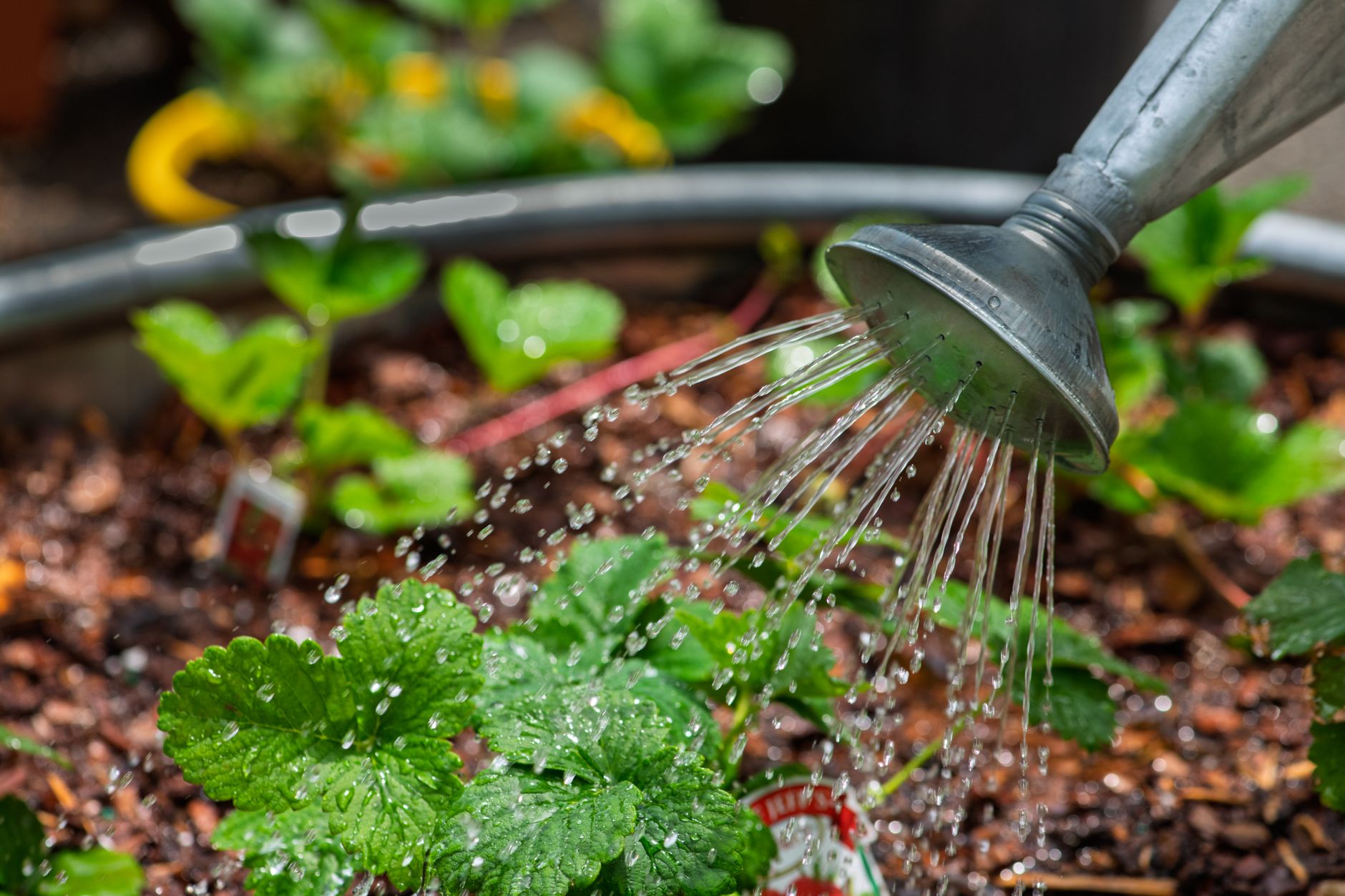
Water: Blueberries need 1-2 inches of water per week. Use drip irrigation or soaker hoses to water deeply and consistently.
Why consistent moisture: Blueberries have shallow fibrous roots. They dry out quickly and don't tolerate drought. Stress from lack of water reduces fruit production.
Mulch: Apply 3-4 inches of pine bark, pine needles, or wood chips around the base of the plants. Mulch keeps the soil cool, retains moisture, and suppresses weeds.
Maintain acidity: Pine bark and pine needles are acidic, helping maintain the low pH blueberries need. Reapply mulch each year.
Keep away from the crown: Don't pile mulch directly against the plant stem. Leave a 2-inch gap to prevent rot.
Fertilize Properly
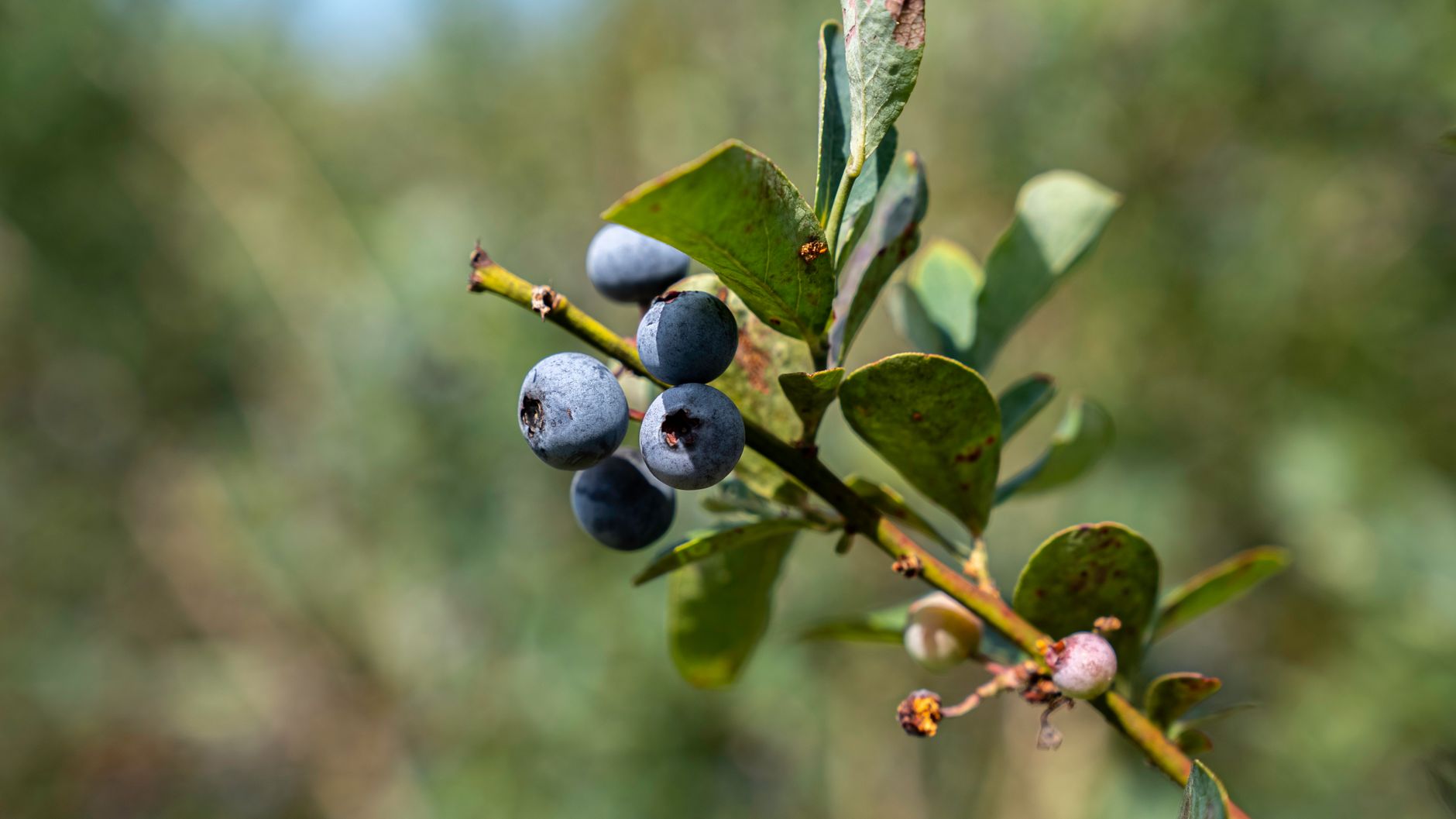
When to fertilize: Apply fertilizer in early spring (before new growth starts) and again in late spring (after flowering).
What to use: Use a fertilizer formulated for acid-loving plants (like rhododendron or azalea fertilizer). Look for a balanced ratio like 10-10-10 or 12-4-8.
How much: For established plants, apply 1/4 to 1/2 cup of fertilizer per plant. Young plants need less. Follow package instructions.
Organic options: Blood meal (nitrogen), cottonseed meal, or fish emulsion. All are acidic and safe for blueberries.
Avoid: Don't use manure directly (can burn roots). Don't over-fertilize—too much nitrogen promotes leaves at the expense of fruit.
Prune Blueberries
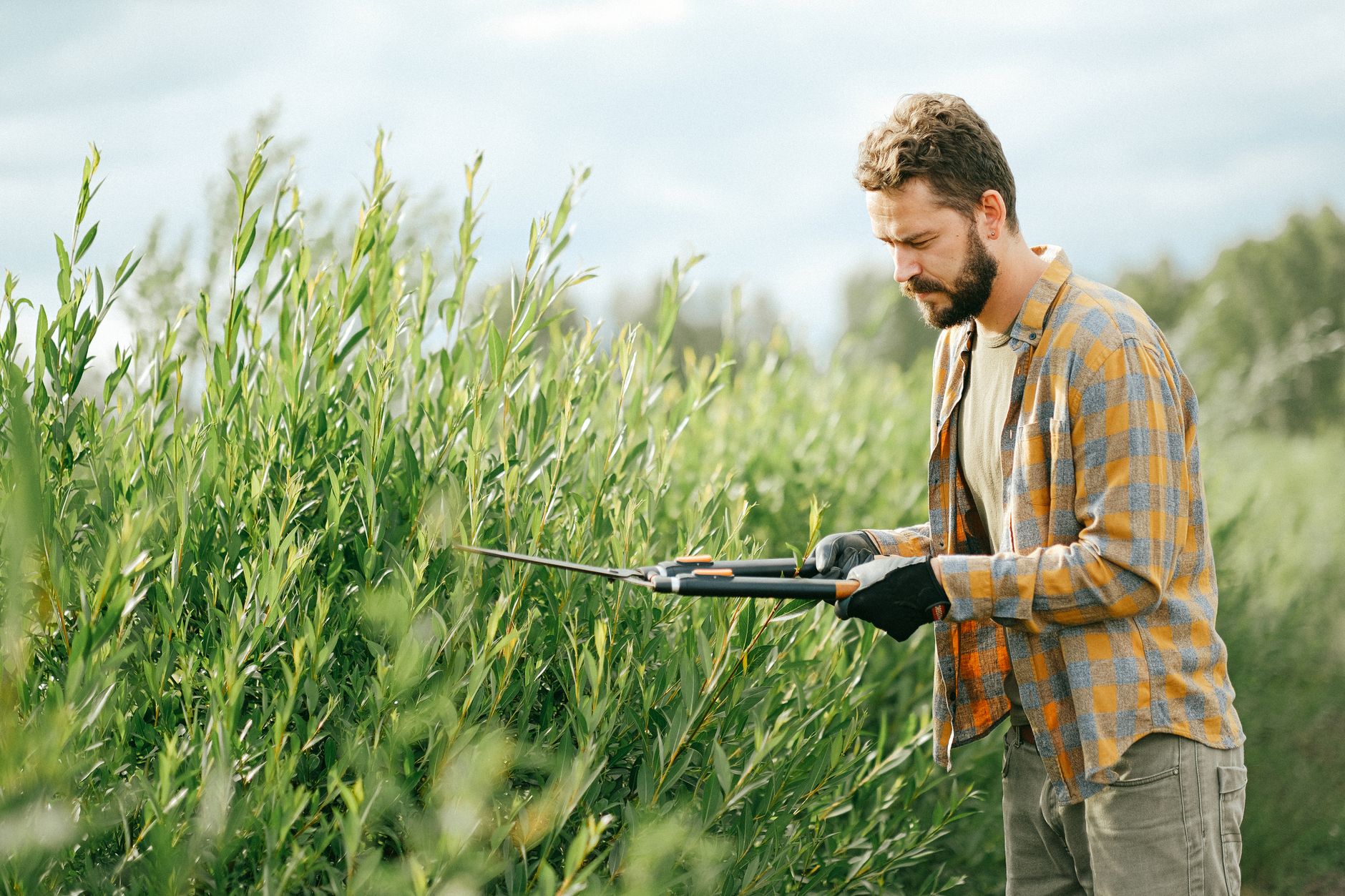
When to prune: Prune in late winter (February-March) while the plant is still dormant. Avoid pruning during the growing season.
What to remove: Remove dead, diseased, or damaged branches. Remove crossing or rubbing branches. Remove any branches growing low to the ground.
For young plants: For the first 2-3 years, remove flowers to encourage root and plant growth. Remove weak or spindly growth.
For mature plants: Remove 1-2 of the oldest canes each year. This rejuvenates the plant and encourages new growth. Thin out the center to improve air circulation.
How much to prune: Aim to remove about 20-30% of the oldest wood each year. Over-pruning reduces fruit production.
Protect from Pests and Birds
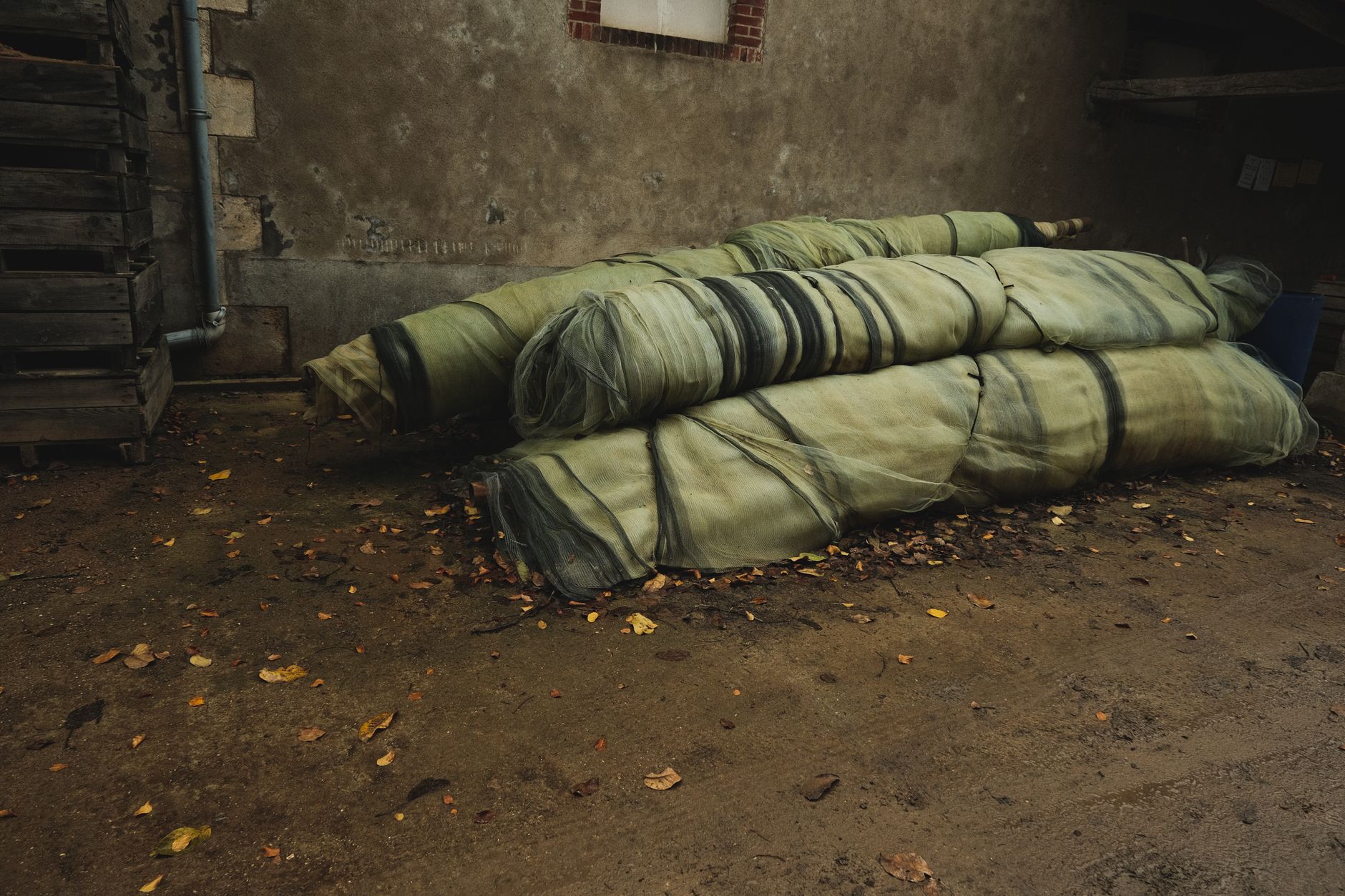
Birds: The biggest threat. Use bird netting over the bushes when berries start to ripen. Prop the netting up so it doesn't touch the berries.
Blueberry maggot: A small fly that lays eggs in the fruit. Use yellow sticky traps or insecticide as a preventative measure.
Spotted wing drosophila: A vinegar fly that attacks ripening berries. Remove fallen fruit and use traps.
Deer: Fence your blueberry patch if deer are present. Deer love blueberry foliage.
Disease: Blueberries are generally disease-resistant. Provide good air circulation to prevent fungal diseases.
Harvest and Enjoy
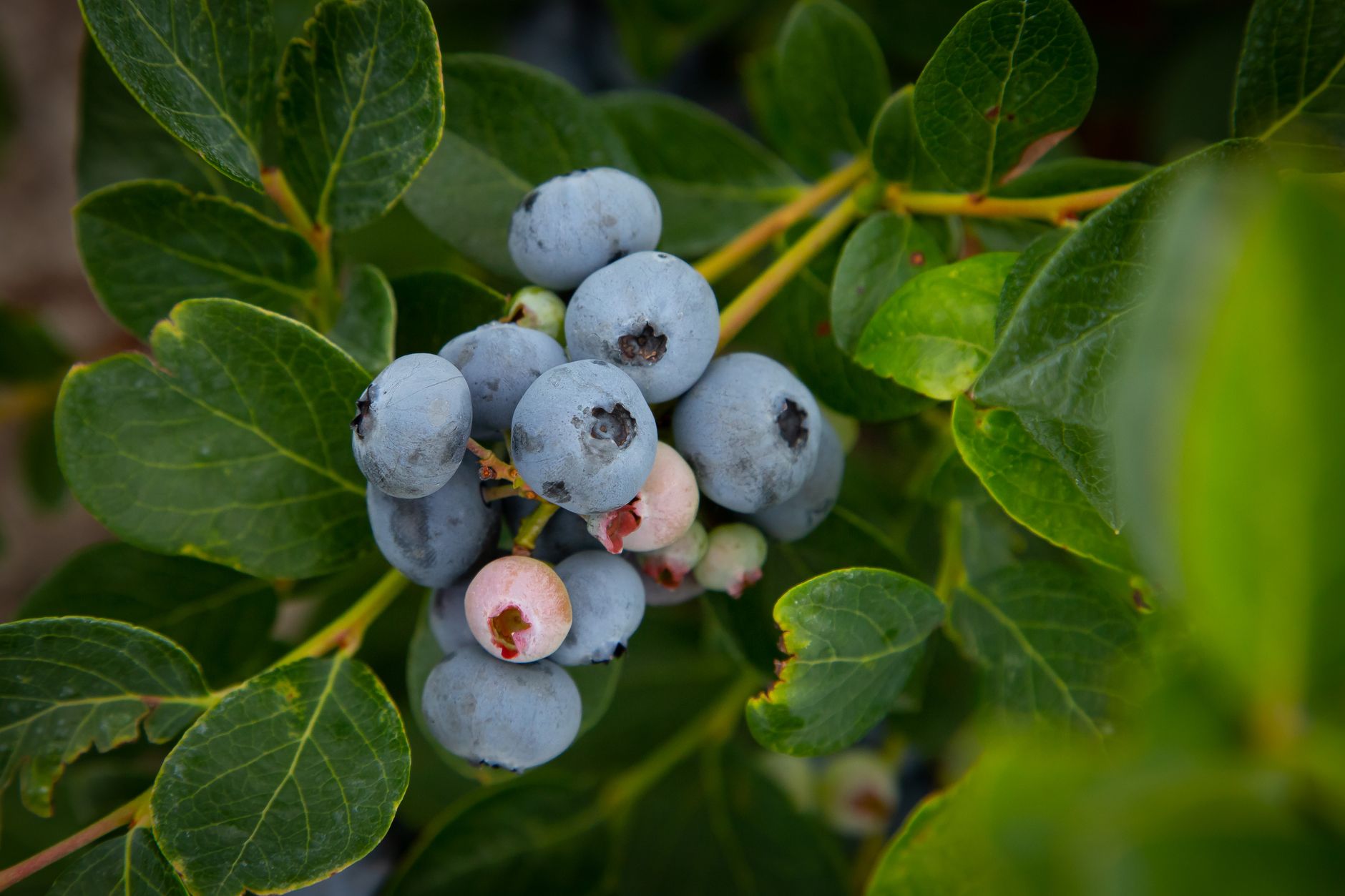
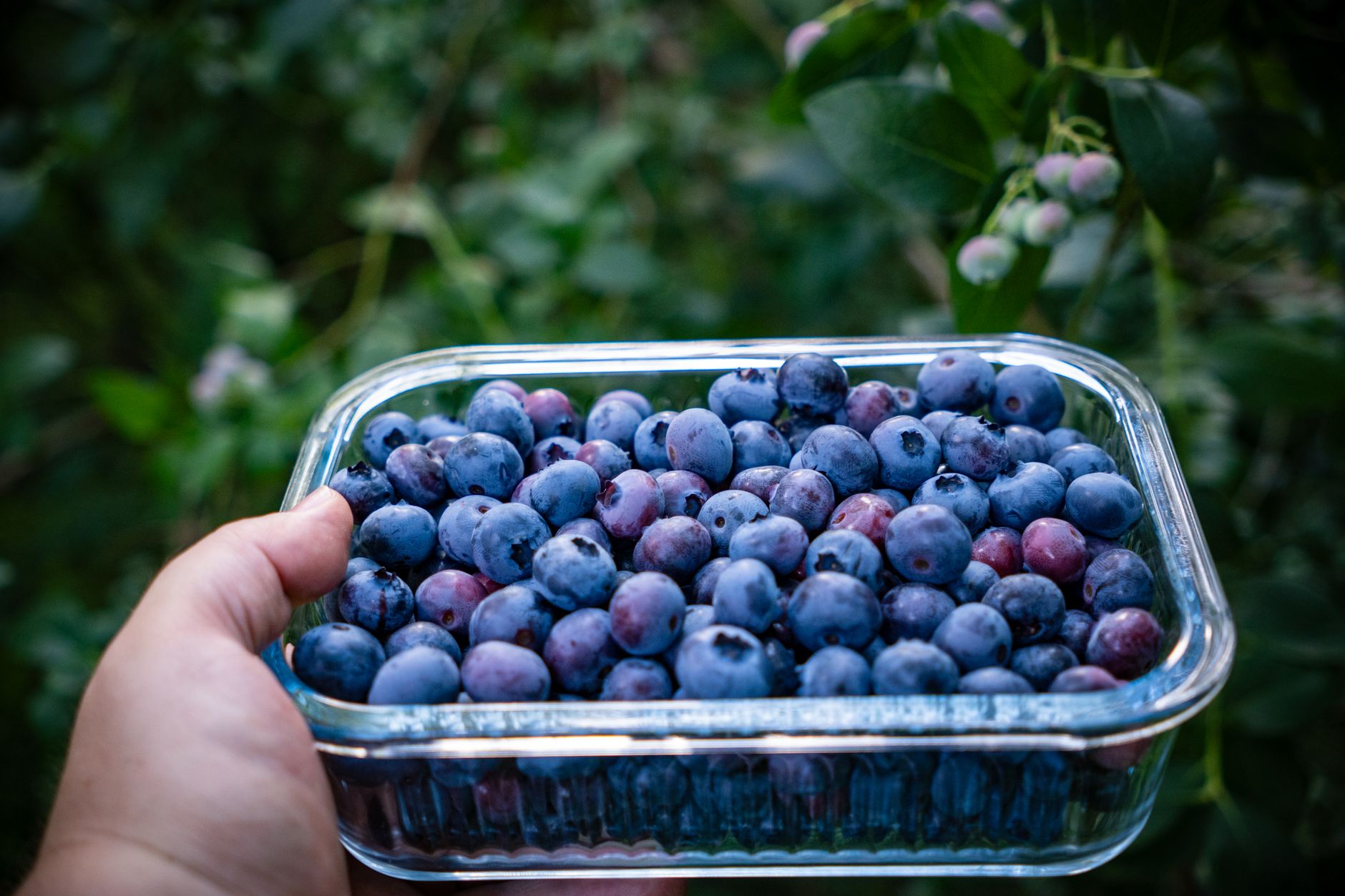
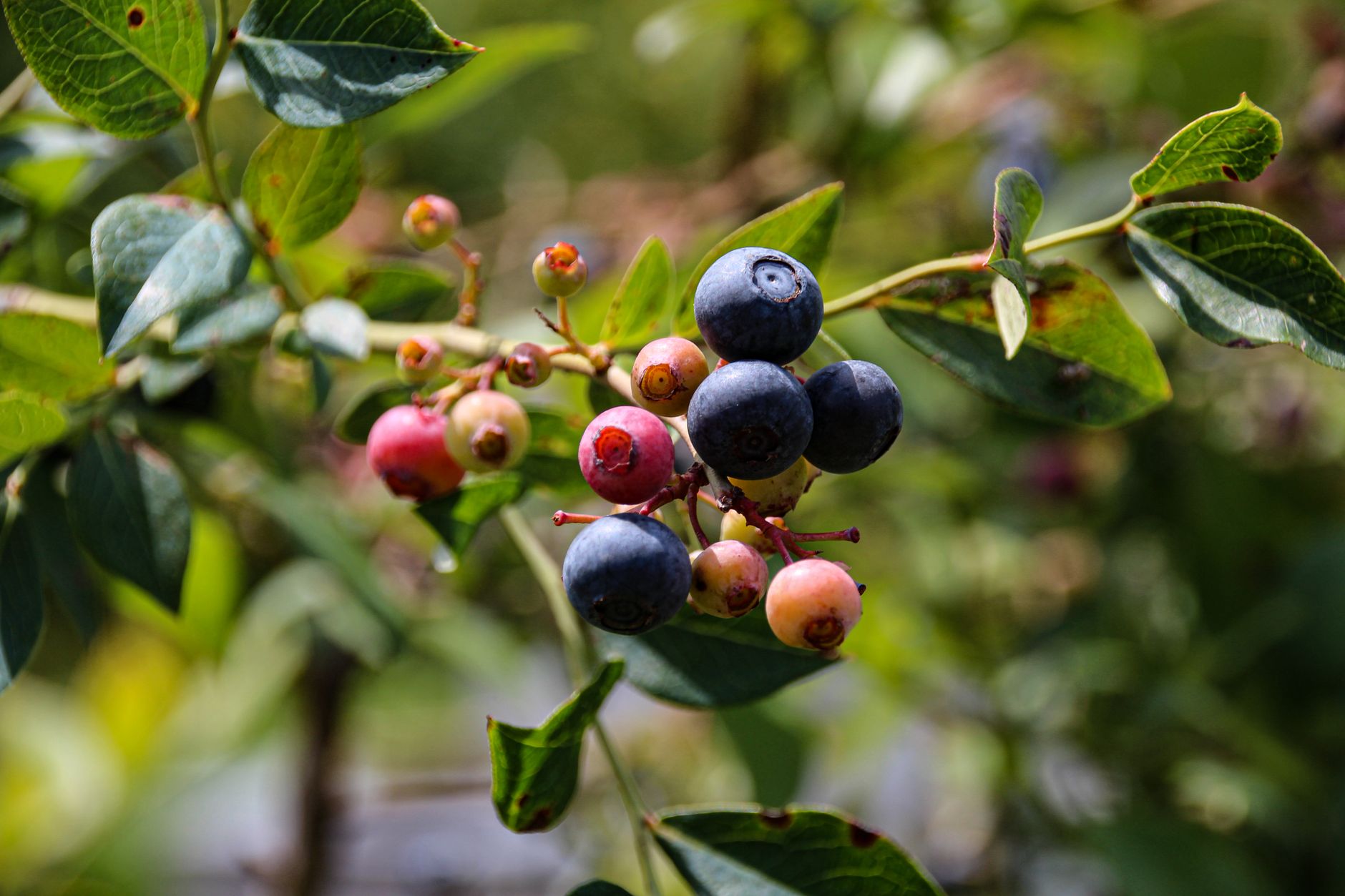
When to harvest: Blueberries are ready to pick 2-3 months after flowering. They should be fully blue, plump, and have a whitish bloom (waxy coating).
The test: Ripe berries come off the bush easily with a gentle tug. Unripe berries stay attached. Taste one—ripe berries are sweet and flavorful.
Harvesting: Gently roll berries into your hand. Blueberries ripen over 2-3 weeks—pick every 3-5 days.
Yield: A mature highbush blueberry plant produces 8-10 pounds of berries per year. Rabbiteye plants can produce up to 15 pounds.
Storage: Store unwashed berries in the refrigerator for 1-2 weeks. Wash just before eating.
Freezing: Freeze on a baking sheet, then transfer to freezer bags. They'll last 6-12 months.
Common problems and fixes
| Problem | Likely cause | What to do |
|---|---|---|
| Yellow leaves (chlorosis) | Soil pH too high, iron deficiency. | Lower soil pH with sulfur. Apply iron chelate as a foliar spray or soil drench. |
| Small berries | Lack of water, poor pollination, or too many berries. | Water consistently. Plant two varieties for cross-pollination. Thin berries if necessary. |
| No fruit despite flowers | Lack of pollinators, late frost, or poor pruning. | Attract bees (plant flowers nearby). Protect from frost. Prune properly. |
| Leaves turning red | Phosphorus deficiency, cold weather, or disease. | Apply phosphorus-rich fertilizer. Check for disease. Red leaves in fall are normal. |
| Birds eating all the berries | No netting. | Use bird netting immediately. Scare tape or decoy predators can help. |
Gardener's checklist
Test what you learned
What is the ideal soil pH for blueberries?
Answer: 4.5-5.5
How much sun do blueberries need daily?
Answer: 6-8 hours
What type of mulch is best for blueberries?
Answer: Pine bark or pine needles
When should you prune blueberry bushes?
Answer: Late winter (dormant)
What is the main pest threat to blueberries?
Answer: Birds
Common questions
Can I grow blueberries in pots?
Yes! Blueberries grow well in containers. Use a large pot (18-24 inches wide), acidic potting mix (50% peat moss + 50% potting soil), and water regularly. Choose dwarf varieties like 'Sunshine Blue' or 'Top Hat'.
How long do blueberries take to grow?
Blueberries take 2-3 years to produce fruit after planting. They reach full production in 5-6 years. They live 20-30+ years and are a great long-term investment.
Do blueberries need cross-pollination?
Most blueberries are partially self-fruitful but produce more and larger berries with cross-pollination. Plant two different varieties for the best yield.
How do you lower soil pH for blueberries?
Add elemental sulfur to the soil (apply 6-12 months before planting). Use peat moss, pine needles, or pine bark as soil amendments. Water with acidic water (rainwater or vinegar-water mix).
Can blueberries grow in hot climates?
Yes, choose rabbiteye or southern highbush varieties. They're heat-tolerant and thrive in USDA zones 7-9. Provide afternoon shade in very hot climates.
Blueberries are a long-term investment that pays off with delicious, healthy berries for decades. The secret to success is acidic soil (pH 4.5-5.5). Test your soil and lower pH with sulfur before planting. Choose the right variety for your climate, plant in full sun, water consistently, and mulch with pine bark or pine needles. Protect from birds, prune in late winter, and be patient—the wait is worth it. With proper care, you'll enjoy fresh, sweet blueberries from your own garden for years to come.
Frequently asked questions
How often should a vegetable garden be watered?
Frequency depends on weather, soil and plant size. Check the soil rather than watering on a rigid schedule.
Is compost enough fertilizer?
Compost improves soil and provides nutrients slowly. Heavy-feeding crops may still need additional feeding.

The Sproutstead Editorial Team
We create clear, practical gardening and homesteading guides designed for real homes and beginner growers.
View author profile →