The best time to harvest apples depends on the variety and your climate. Most apples are ready in late summer to fall (August-October). Signs of ripeness: the apple is fully colored, the seeds are brown, the fruit comes off easily when lifted and twisted, and it has a sweet, aromatic flavor. Taste is the best test—if it tastes like apple, it's ready. Early-season varieties (like Gala) are ready in August, mid-season (Honeycrisp) in September, and late-season (Granny Smith, Fuji) in October-November. Don't pick apples before they're ripe—they don't ripen well off the tree. Harvest in the morning when apples are cool and firm. For storage apples, harvest when they're mature but still slightly firm.
What you will need
Know the Harvest Window for Your Variety

Early-Season Varieties (August): Gala, Paula Red, Jersey Mac, Gravenstein. These are ready in late summer. They don't store well—eat them fresh.
Mid-Season Varieties (September): Honeycrisp, McIntosh, Cortland, Jonathan, Empire. Ready in early fall. Good for fresh eating and medium-term storage.
Late-Season Varieties (October-November): Granny Smith, Fuji, Braeburn, Pink Lady, Rome, Golden Delicious. Ready in late fall. Excellent for storage—they can keep for months.
Climate factors: In warmer climates, apples ripen earlier. In cooler climates, they ripen later. Your local climate affects timing.
Check variety information: Know your variety and its typical ripening time. Your local extension office or nursery can help.
Look for Visual Cues
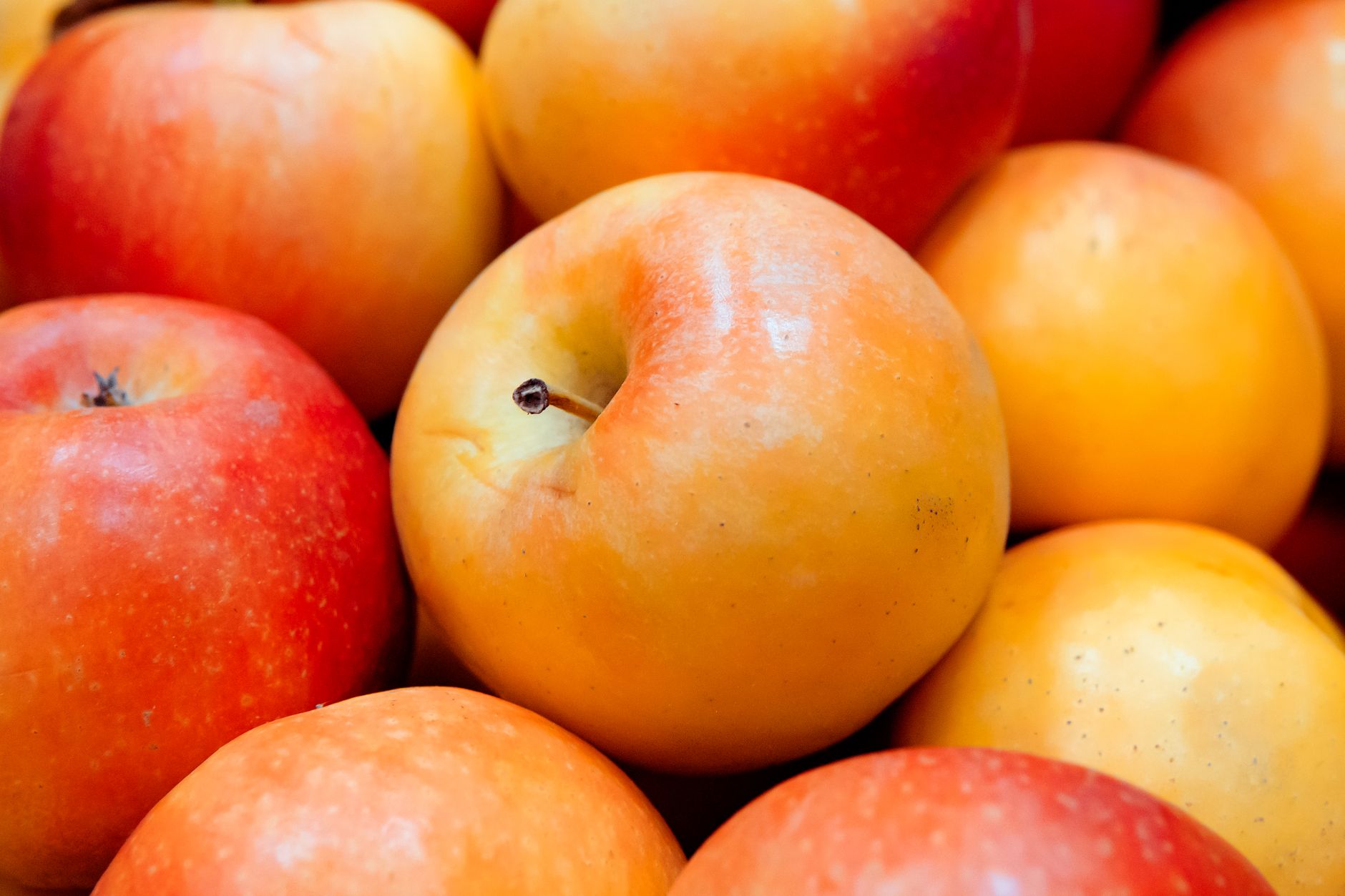
Color change: Apples change from green to their mature color (red, yellow, or a mix). For red apples, the red color intensifies. For green apples (Granny Smith), the green deepens.
Ground color: The background color changes from green to yellow-green or yellowish. This is a good indicator of maturity.
Size: The fruit should be full-sized and plump. It won't grow much larger after it's mature.
Stem color: The stem starts to separate from the branch, showing a brownish color at the attachment point.
Waxy coating: Mature apples develop a natural waxy coating (bloom). This is a sign of ripeness.
Check the Seeds

Seed color: Cut an apple open. If the seeds are brown or dark brown, the apple is mature. If they're white or light brown, it's not ripe yet.
Why it works: Seeds mature at the same time as the fruit. Brown seeds indicate the apple has reached full maturity.
Check multiple apples: Not all apples on the tree ripen at the same time. Check apples from different parts of the tree.
How to check: Cut the apple lengthwise. The seeds should be a uniform brown color.
Note: This is a reliable test for most apple varieties.
Do the Lift and Twist Test

How to do it: Hold the apple in your palm. Gently lift it upward and twist it slightly.
Ripe: If the apple comes off the branch easily with a gentle twist, it's ripe. The stem will separate cleanly from the branch.
Unripe: If the apple doesn't come off easily or you have to pull hard, it's not ripe yet.
Don't pull: Don't pull the apple downward—this can damage the fruiting spur. Lift and twist.
The stem: Ripe apples will leave the stem on the branch. The fruit comes away cleanly.
Taste the Apple

The taste test: Eat an apple from the tree. If it tastes sweet, flavorful, and has the characteristic flavor of the variety, it's ripe.
Unripe: Unripe apples are starchy, sour, and lack flavor. They may have a green, grassy taste.
Overripe: Overripe apples are soft, mealy, and may be fermented.
Check multiple: Taste apples from different parts of the tree. Ripeness can vary.
The best test: If it tastes good, it's ready to harvest.
Consider Storage Apples

When to harvest for storage: Pick apples when they're mature but still firm and slightly under-ripe. They'll ripen in storage.
Which varieties: Late-season varieties (Granny Smith, Fuji, Braeburn) store best. Early-season varieties don't store well.
The test: The fruit should be full-sized, but the seeds may still be light brown. The flavor should be tart but not sour.
Storage conditions: Store apples in a cool (32-40°F), humid (85-95%) place. A root cellar or refrigerator is ideal.
Check regularly: Check stored apples weekly and remove any that are rotting.
Harvest at the Right Time of Day

Best time: Harvest in the morning when apples are cool and firm. They've been cooled overnight and will store better.
Avoid hot days: Don't harvest in hot, sunny weather—apples can be warm and soft.
Dry weather: Pick when the fruit is dry. Wet apples are more prone to bruising and disease.
Don't wash: Don't wash apples before storing—moisture encourages rot. Wipe off dirt with a dry cloth.
Store immediately: Refrigerate or store apples as soon as possible after picking.
Use the Right Harvesting Technique

How to pick: Gently lift and twist the apple. The stem should separate cleanly. Don't pull.
Leave the stem: Try to leave the stem attached to the fruit—it helps with storage.
Handle gently: Apples bruise easily. Place them gently in a basket or crate.
Don't drop: Don't drop apples into the basket—they'll bruise. Place them carefully.
Use a picker: For high branches, use an apple picker (a pole with a basket) to reach fruit safely.
Common problems and fixes
| Problem | Likely cause | What to do |
|---|---|---|
| Apples falling off the tree | They're overripe or the tree is stressed. | Harvest immediately—fallen apples won't store well. |
| Apples are small | Lack of water, poor nutrition, or overcrowding. | Water and fertilize regularly. Thin fruit if needed. |
| Apples are misshapen | Poor pollination or frost damage. | Attract pollinators and protect from frost. |
| Apples have spots or marks | Disease or pest damage. | Prune for air circulation and use appropriate pest controls. |
Gardener's checklist
Test what you learned
What is the most reliable test for apple ripeness?
Answer: The lift and twist test
What color should the seeds be in a ripe apple?
Answer: Brown or dark brown
When is the best time of day to harvest apples?
Answer: Morning
How should you pick an apple?
Answer: Lift and twist
Which apples store best?
Answer: Late-season varieties
Common questions
Can apples ripen off the tree?
No, apples don't ripen well off the tree. They may soften but won't develop sweetness and flavor. Always wait until they're ripe on the tree.
How do I know when Granny Smith apples are ripe?
Granny Smith apples are ready when the green color deepens, the fruit comes off easily, and the seeds are brown. The taste should be tart but not sour.
What happens if I pick apples too early?
Under-ripe apples are starchy, sour, and lack flavor. They won't sweeten off the tree. They may shrivel in storage.
Can I harvest apples after a frost?
Yes, but harvest before a hard freeze. Light frosts are fine, but hard freezes can damage the fruit.
How do I store apples for the winter?
Store apples in a cool (32-40°F), humid (85-95%) place. A root cellar or refrigerator works. Check weekly for rotting fruit.
Knowing when to harvest apples is the key to perfect flavor and storage quality. The best indicators are color change, brown seeds, and the lift and twist test. Taste is the ultimate test—if it tastes like apple, it's ready. Harvest storage apples slightly under-ripe for the best shelf life. Pick in the morning, handle apples gently, and don't wash them before storage. With these tips, you'll enjoy perfect apples from your own tree.
Frequently asked questions
How often should a vegetable garden be watered?
Frequency depends on weather, soil and plant size. Check the soil rather than watering on a rigid schedule.
Is compost enough fertilizer?
Compost improves soil and provides nutrients slowly. Heavy-feeding crops may still need additional feeding.

The Sproutstead Editorial Team
We create clear, practical gardening and homesteading guides designed for real homes and beginner growers.
View author profile →