Apple trees are long-lived, productive trees that provide delicious fruit for 20-30+ years. Choose a variety suited to your climate: Honeycrisp, Gala, Fuji, Granny Smith, or Golden Delicious. Most apple trees need cross-pollination—plant two compatible varieties. Plant in full sun (6-8 hours) with well-draining soil (pH 6.0-7.0). Space standard trees 15-20 feet apart, dwarf trees 8-12 feet apart. Water deeply during dry spells, fertilize in spring, and prune in late winter. Protect from pests and diseases with regular monitoring. Apples take 3-5 years to produce significant fruit. For small spaces, choose dwarf or semi-dwarf varieties on M9 or M26 rootstock.
What you will need
Choose the Right Apple Variety
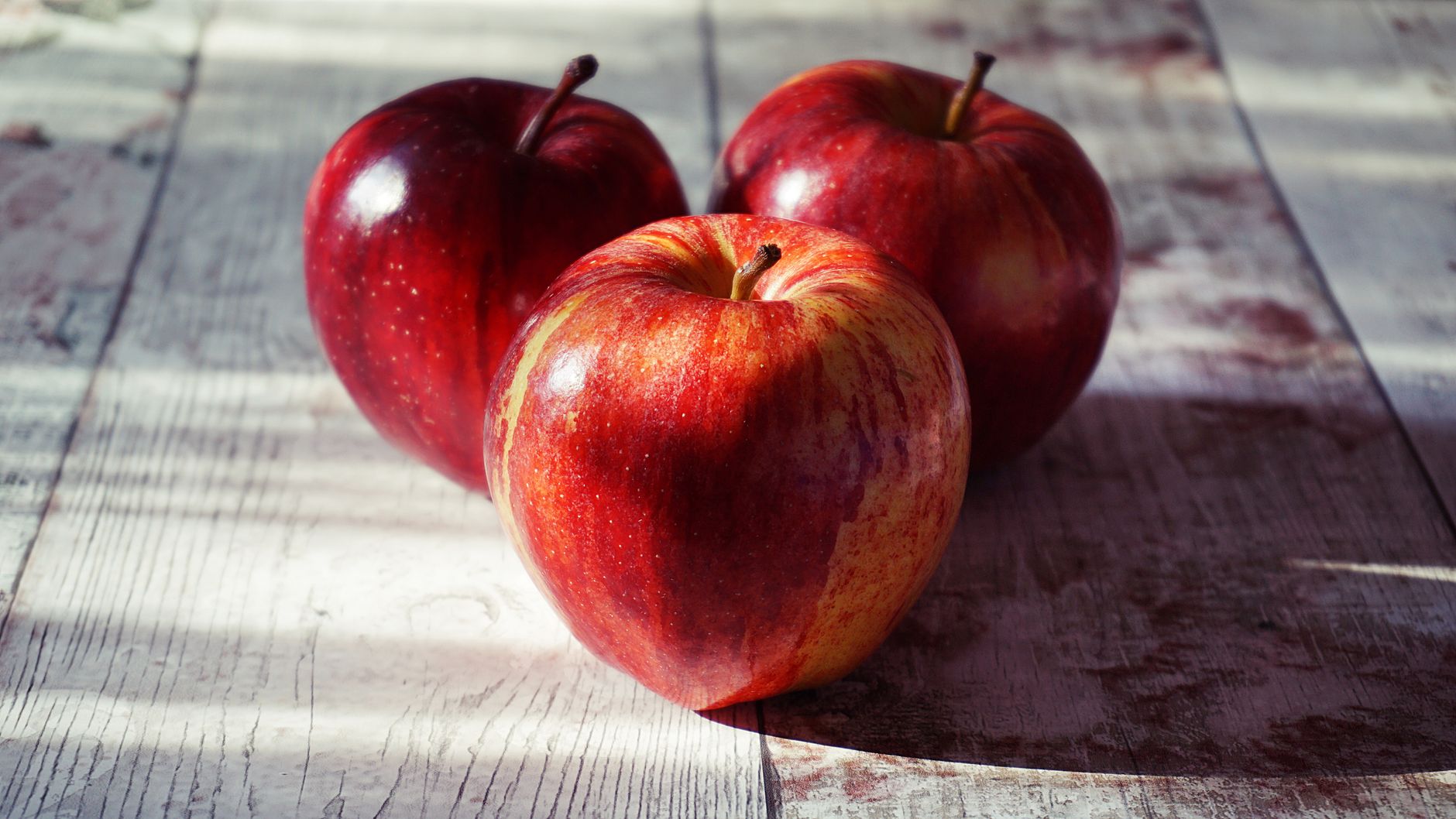
Honeycrisp: Sweet and crisp. Excellent for fresh eating. Cold-hardy. One of the most popular varieties.
Gala: Sweet, aromatic, and crisp. Good for fresh eating. Early ripening. Widely available.
Fuji: Very sweet, crisp, and juicy. Good for fresh eating and storage. Late ripening. Good for warm climates.
Granny Smith: Tart and crisp. Excellent for baking and cooking. Good for warm climates.
Golden Delicious: Sweet, mild flavor. Good for fresh eating and baking. Self-fertile (partially).
Which is best? For beginners: Honeycrisp (great flavor) or Gala (easy to grow). For cold climates: Honeycrisp. For warm climates: Fuji or Granny Smith.
Understand Pollination Requirements
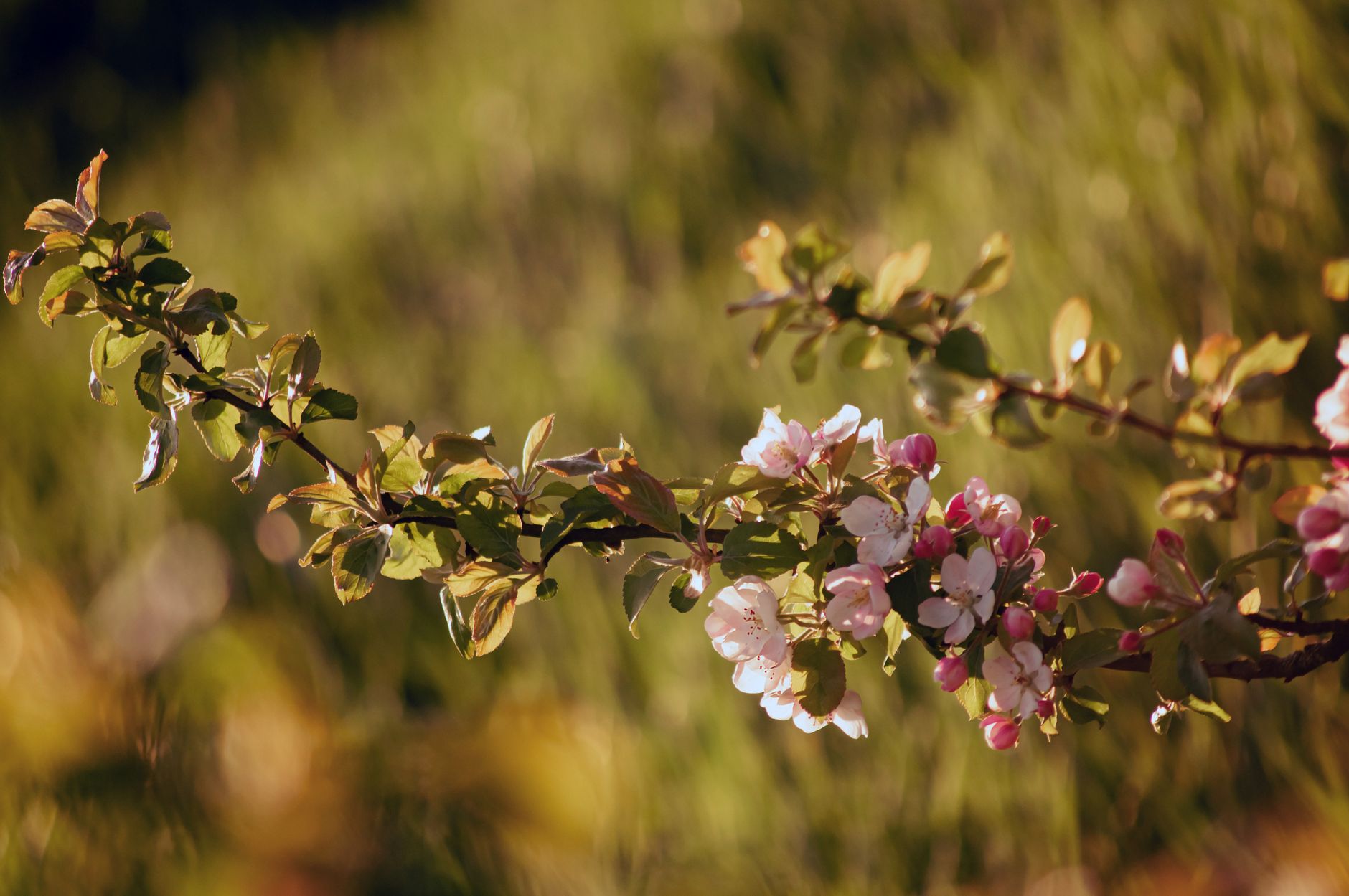
Why cross-pollination: Most apple trees are not self-fertile. They need pollen from a different apple variety to produce fruit.
Plant two varieties: Plant two different apple varieties that bloom at the same time. They'll pollinate each other.
Crabapple as pollinator: A flowering crabapple can also serve as a pollinator for your apple trees.
Self-fertile varieties: Some apples are partially self-fertile (Golden Delicious, Granny Smith). They can produce fruit alone but do better with a pollinator.
Check bloom times: Make sure both varieties bloom at the same time. Early, mid, and late bloomers need compatible partners.
Choose the Right Rootstock

M9 (Dwarf): Produces trees 8-10 feet tall. Best for small gardens, containers, and high-density planting. Needs staking. Good for beginners.
M26 (Semi-Dwarf): Produces trees 10-14 feet tall. Good for most home gardens. Needs some support.
M7 (Semi-Dwarf): Produces trees 12-16 feet tall. Moderately vigorous. Good for larger gardens.
M111 (Semi-Standard): Produces trees 15-20 feet tall. Good for large spaces and poor soil.
Which is best? For beginners: M9 (dwarf) for small gardens, M26 (semi-dwarf) for most home gardens.
Select the Best Planting Site

Sunlight: Apples need 6-8 hours of direct sunlight daily. More sun = sweeter fruit.
Soil: Apples prefer well-draining, loamy soil with a pH of 6.0-7.0. Add compost to improve soil fertility.
Drainage: Good drainage is critical—apple roots rot in wet soil. If you have heavy clay, plant on raised beds.
Air circulation: Good airflow prevents fungal diseases. Space trees to allow air movement.
Frost protection: Avoid low-lying areas where frost settles—apple blossoms are sensitive to late frosts.
Plant Apple Trees Correctly

When to plant: Plant in early spring (as soon as the ground can be worked) or fall. Bare-root trees are planted in spring.
Planting depth: Dig a hole twice as wide as the root ball and the same depth. Place the tree at the same depth as it was in the nursery pot.
Spacing: Standard trees: 15-20 feet apart. Semi-dwarf: 12-15 feet. Dwarf: 8-12 feet.
Soil preparation: Mix compost or aged manure into the planting hole.
Watering after planting: Water deeply to settle the soil around the roots.
Water, Mulch, and Fertilize

Water: Water deeply during dry spells. Young trees need more frequent watering. Established trees are more drought-tolerant.
Mulch: Apply 2-3 inches of mulch (wood chips or straw) around the base. Mulch retains moisture and suppresses weeds.
Keep away from trunk: Keep mulch 2-3 inches away from the trunk to prevent rot.
Fertilizer: Apply a balanced fruit tree fertilizer in early spring before new growth starts.
Organic options: Compost, aged manure, or fish emulsion are excellent alternatives.
Prune Apple Trees

When to prune: Prune in late winter (February-March) while the tree is dormant.
What to remove: Remove dead, diseased, crossing, or damaged branches. Remove suckers at the base.
Shaping: Maintain a central leader shape. Thin out the center to allow sunlight and air circulation.
Young trees: For the first 3 years, focus on shaping. Remove weak or upright branches.
Fruiting spurs: Protect fruiting spurs (short, stubby branches)—they produce fruit.
Protect from Pests and Diseases

Apple scab: A fungal disease. Prune for air circulation and apply fungicide preventatively.
Codling moth: The most common apple pest. Use traps or spray. Remove infested fruit.
Aphids: Spray with insecticidal soap or neem oil.
Powdery mildew: Apply sulfur spray or neem oil.
Birds: Use netting or scare devices if birds are a problem.
Fire blight: Remove infected branches immediately and sterilize tools.
Common problems and fixes
| Problem | Likely cause | What to do |
|---|---|---|
| No fruit despite flowers | Lack of pollination, late frost, or young tree. | Plant a pollinator, protect from frost, and wait (trees take 3-5 years). |
| Fruit dropping early | June drop (natural) or lack of water. | Water deeply and consistently. June drop is normal. |
| Leaves yellowing | Nutrient deficiency or overwatering. | Apply balanced fertilizer and check drainage. |
| Wormy apples | Codling moth. | Use traps or spray. Remove infested fruit. |
Gardener's checklist
Test what you learned
What is the most popular apple variety for fresh eating?
Answer: Honeycrisp
Do most apple trees need cross-pollination?
Answer: Yes
What is the best rootstock for a small garden?
Answer: M9 (dwarf)
How much sun do apple trees need daily?
Answer: 6-8 hours
How long do apple trees live?
Answer: 20-30+ years
Common questions
Can I grow an apple tree in a container?
Yes, choose a dwarf variety on M9 rootstock and use a 15-20 gallon container. Water regularly and fertilize in spring.
How long does it take for an apple tree to produce fruit?
Apple trees take 3-5 years to produce significant fruit. Dwarf trees often produce earlier than standard trees.
Do I need two apple trees to get fruit?
Most apple trees need cross-pollination, so yes—you need two compatible varieties. Some varieties (like Golden Delicious) are partially self-fertile.
What is the best time to plant apple trees?
Plant in early spring (after the last frost) or fall. Bare-root trees are planted in spring.
How do I prevent apple scab?
Choose resistant varieties, prune for good air circulation, and apply fungicide preventatively in spring.
Growing apple trees is one of the most rewarding experiences for any gardener. Choose a variety suited to your climate, plant two compatible varieties for cross-pollination, and select the right rootstock for your space (M9 for dwarf, M26 for semi-dwarf). Plant in full sun, water consistently, fertilize in spring, and prune in late winter. Be patient—apple trees take 3-5 years to produce significant fruit, but they'll reward you with delicious apples for 20-30+ years.
Frequently asked questions
How often should a vegetable garden be watered?
Frequency depends on weather, soil and plant size. Check the soil rather than watering on a rigid schedule.
Is compost enough fertilizer?
Compost improves soil and provides nutrients slowly. Heavy-feeding crops may still need additional feeding.

The Sproutstead Editorial Team
We create clear, practical gardening and homesteading guides designed for real homes and beginner growers.
View author profile →