Pomegranates are drought-tolerant, heat-loving trees that produce beautiful, nutrient-rich fruit. Choose a variety like Wonderful (most popular), Angel Red, or Salavatski. Plant in full sun (6-8+ hours) with well-draining soil (pH 5.5-7.0). Space trees 10-15 feet apart. Water deeply but infrequently (allow soil to dry between waterings). Fertilize in spring with a balanced fertilizer. Prune in late winter to remove dead, diseased, or crossing branches. Pomegranates take 2-3 years to produce fruit and reach full production in 5-6 years. Protect from frost—young trees are cold-sensitive. Harvest when fruit is fully colored and the skin begins to split. The fruit is rich in antioxidants and perfect for fresh eating, juices, and cooking.
What you will need
Choose the Right Pomegranate Variety

Wonderful: The most popular variety. Large, deep red fruit with sweet-tart flavor. Excellent for juice and fresh eating. Widely available. Best for most climates.
Angel Red: Sweet, soft seeds (arils). Large fruit with a red rind. Good for fresh eating. Resistant to splitting.
Salavatski: Cold-hardy variety. Good for colder climates (zone 6). Produces sweet fruit.
Parfianka: Very sweet seeds. Pink-red fruit. Excellent for fresh eating. Good for warm climates.
Sweet: Mild flavor, very sweet. Good for fresh eating. Less tart than Wonderful.
Which is best? For beginners: Wonderful (most reliable). For cold climates: Salavatski (cold-hardy). For warm climates: Parfianka.
Select the Best Planting Site

Sunlight: Pomegranates need 6-8+ hours of direct sunlight daily. More sun = sweeter fruit.
Soil: Pomegranates are adaptable to many soil types but prefer well-draining, loamy soil with a pH of 5.5-7.0.
Drainage: Good drainage is important—pomegranate roots rot in wet soil. If you have heavy clay, plant on raised beds.
Heat: Pomegranates love heat. The more heat, the sweeter the fruit.
Winter protection: In colder zones, plant against a south-facing wall for winter warmth.
Plant Pomegranates Correctly

When to plant: Plant in early spring after all danger of frost has passed. In warm climates, fall planting is also fine.
Planting depth: Dig a hole twice as wide as the root ball and the same depth. Place the tree in the hole at the same depth as it was in the nursery pot.
Spacing: Space trees 10-15 feet apart. Pomegranates can grow as shrubs or small trees.
Soil preparation: Mix compost or aged manure into the planting hole. Pomegranates benefit from organic matter.
Watering after planting: Water deeply to settle the soil around the roots.
Water and Mulch

Water: Water deeply once a week during the first year. After establishment, water every 2-3 weeks. Pomegranates are drought-tolerant.
Avoid overwatering: Pomegranates don't like wet feet. Allow the soil to dry between waterings.
Mulch: Apply 2-3 inches of mulch (wood chips or straw) around the base. Mulch retains moisture and suppresses weeds.
Keep away from trunk: Keep mulch 2-3 inches away from the trunk to prevent rot.
Drought tolerance: Once established, pomegranates can survive with minimal water.
Fertilize Properly

When to fertilize: Apply fertilizer in early spring before new growth starts. In warmer climates, a second feeding in early summer is helpful.
What to use: Use a balanced fertilizer (10-10-10). Apply 1/2 to 1 cup per tree in spring.
Organic options: Compost, aged manure, or fish emulsion are excellent alternatives.
Avoid over-fertilizing: Too much nitrogen promotes leafy growth at the expense of fruit.
Signs of nutrient deficiency: Yellowing leaves or poor fruit production.
Prune Pomegranate Trees
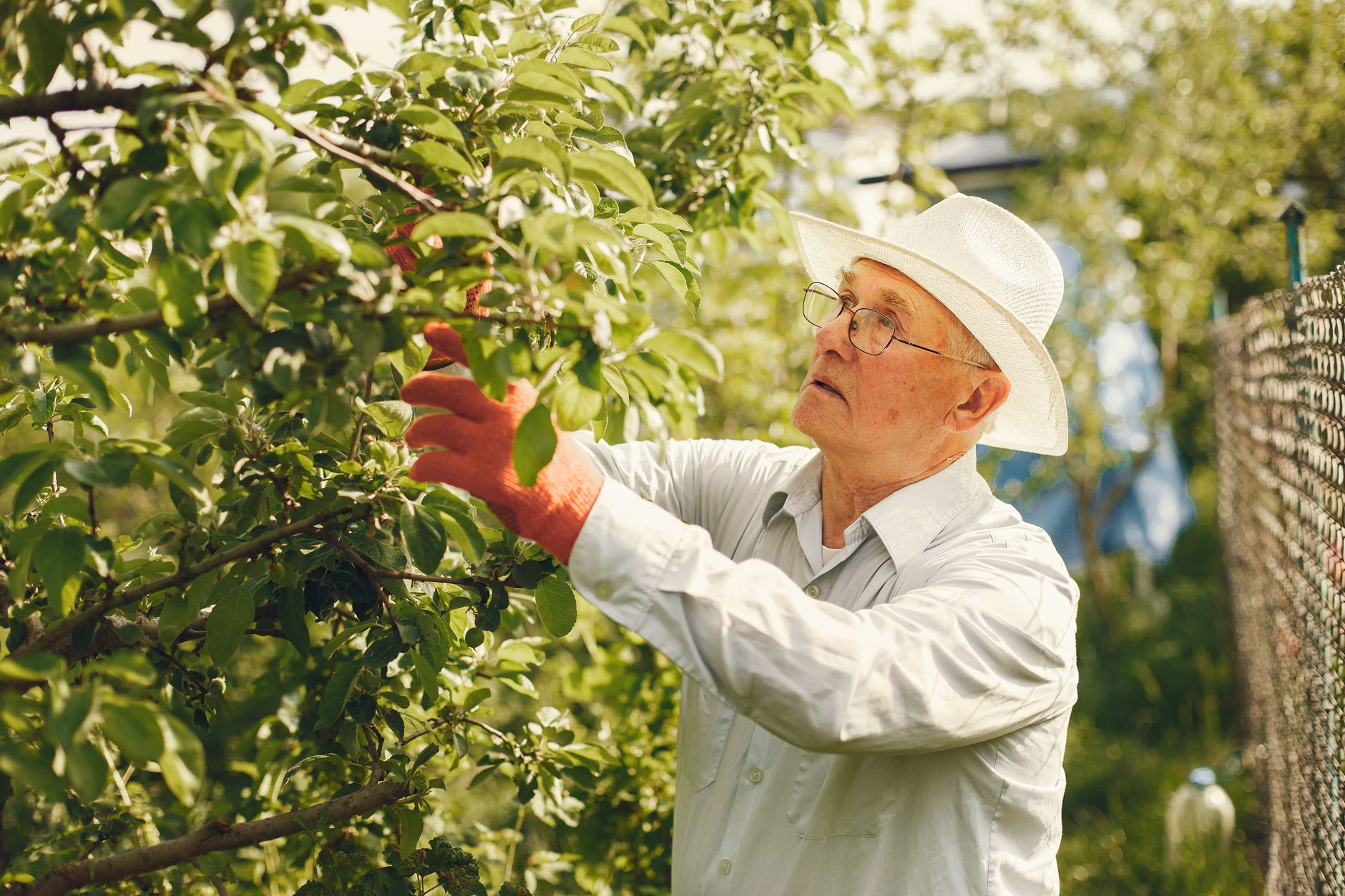
When to prune: Prune in late winter (February-March) while the tree is dormant.
What to remove: Remove dead, diseased, crossing, or damaged branches. Remove suckers at the base.
Shaping: Maintain 3-5 main trunks. Remove branches growing inward or crossing.
Fruiting wood: Fruit is produced on new growth and short spurs. Protect fruiting spurs.
Remove suckers: Remove suckers (growth from the base) regularly—they reduce fruit production.
Protect from Pests and Frost

Aphids: Spray with insecticidal soap or neem oil.
Scale insects: Use horticultural oil.
Pomegranate butterfly: The most serious pest. Use traps or insecticide.
Frost protection: Young trees are cold-sensitive. Protect with frost cloth or row covers.
Winter protection: In colder zones (zone 7), plant against a south-facing wall and mulch heavily.
Harvest and Enjoy

When to harvest: Pomegranates ripen in fall (September-November). Fruit is ready when it's fully colored and the skin begins to split.
The test: Ripe fruit is heavy and makes a metallic sound when tapped. The seeds should be dark red.
How to pick: Cut the fruit from the tree with pruning shears. Don't pull—you may damage the branch.
Yield: A mature pomegranate tree produces 20-40+ fruit per year.
Storage: Store fruit at room temperature for 1-2 weeks or refrigerate for up to 3 months.
How to eat: Cut open, remove the seeds (arils), and enjoy fresh or use in juices, salads, and cooking.
Common problems and fixes
| Problem | Likely cause | What to do |
|---|---|---|
| No fruit despite flowers | Young tree (2-3 years), lack of pollinators, or too much shade. | Be patient, attract bees, and ensure full sun. |
| Fruit splitting on the tree | Irregular watering or too much rain. | Water consistently. Choose split-resistant varieties like 'Angel Red'. |
| Leaves yellowing | Overwatering or nutrient deficiency. | Reduce watering and apply balanced fertilizer. |
| Tree not producing fruit | Too much nitrogen or not enough heat. | Reduce fertilizer and ensure full sun and heat. |
Gardener's checklist
Test what you learned
What is the most popular pomegranate variety?
Answer: Wonderful
How much sun do pomegranates need daily?
Answer: 6-8+ hours
How often should you water pomegranates?
Answer: Deep but infrequently (allow soil to dry)
When should you prune pomegranate trees?
Answer: Late winter (dormant)
How long does it take for a pomegranate to produce fruit?
Answer: 2-3 years
Common questions
Can pomegranates grow in cold climates?
Yes, but they need protection. Choose cold-hardy varieties like 'Salavatski' and plant against a south-facing wall. Mulch heavily to protect roots. They can survive in zone 6 with proper care.
How much water do pomegranates need?
Pomegranates are drought-tolerant. Water deeply every 1-2 weeks in summer, less in winter. Allow the soil to dry between waterings.
Can pomegranates grow in containers?
Yes, choose dwarf varieties and use a large container (15-20 gallons). Water regularly, fertilize in spring, and protect from frost in winter.
Why are my pomegranates splitting on the tree?
Fruit splitting is often caused by irregular watering or too much rain. Water consistently and choose split-resistant varieties like 'Angel Red'.
How do I know when pomegranates are ripe?
Pomegranates are ripe when they're fully colored, heavy, and the skin begins to split. They make a metallic sound when tapped. The seeds should be dark red.
Pomegranates are beautiful, drought-tolerant trees that produce delicious, nutrient-rich fruit. Choose a reliable variety like 'Wonderful', plant in full sun, and water deeply but infrequently. Prune in late winter to maintain shape, remove suckers, and protect young trees from frost. With proper care, your pomegranate tree will begin producing in 2-3 years and will reward you with sweet, juicy fruit for decades. The fruit is packed with antioxidants and is perfect for fresh eating, juices, and cooking.
Frequently asked questions
How often should a vegetable garden be watered?
Frequency depends on weather, soil and plant size. Check the soil rather than watering on a rigid schedule.
Is compost enough fertilizer?
Compost improves soil and provides nutrients slowly. Heavy-feeding crops may still need additional feeding.

The Sproutstead Editorial Team
We create clear, practical gardening and homesteading guides designed for real homes and beginner growers.
View author profile →