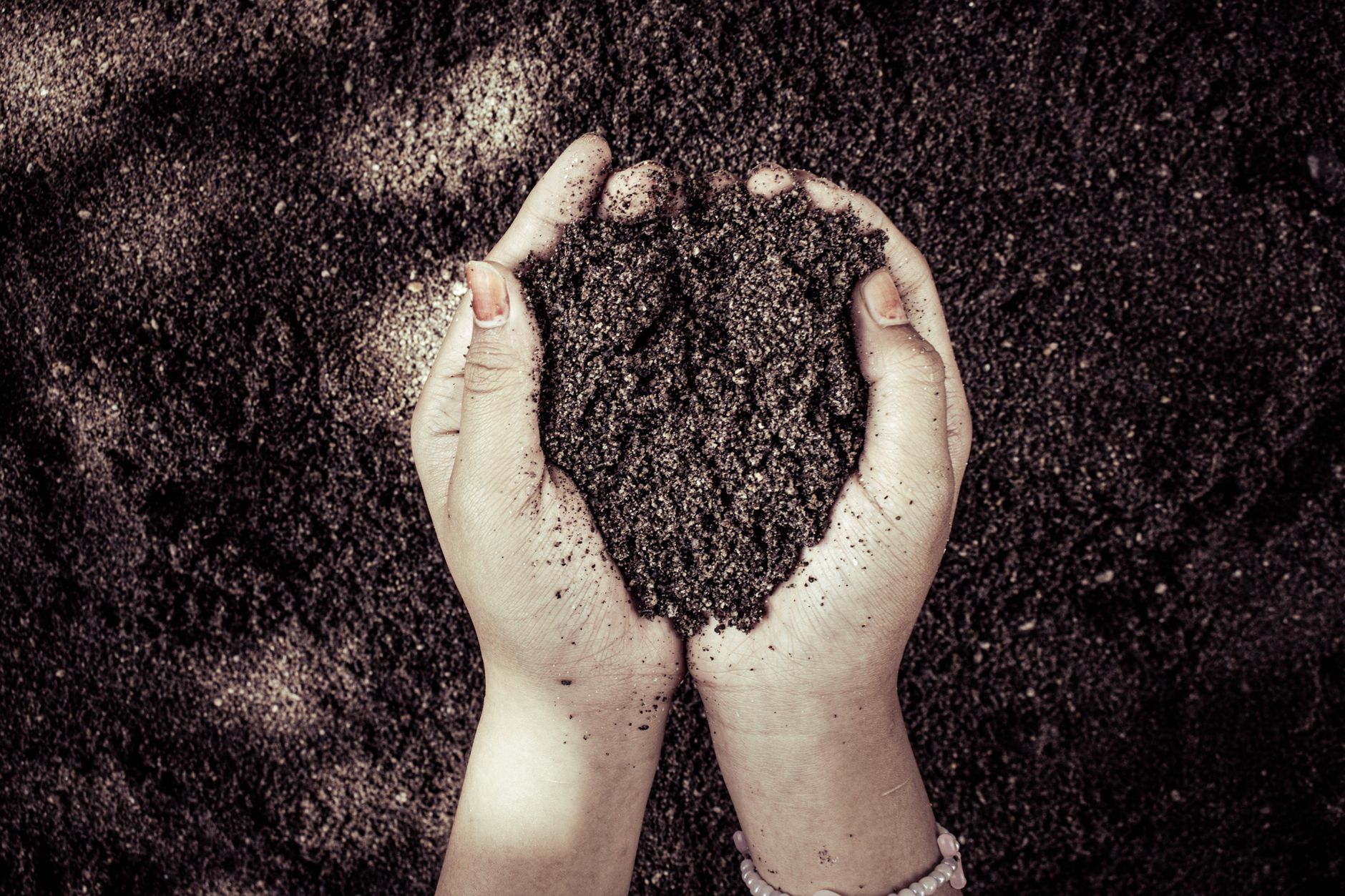
Topsoil is the uppermost layer of soil, typically the top 2-8 inches, containing the highest concentration of organic matter, nutrients, and biological activity where most plant roots grow. It differs from subsoil (the denser, less fertile layer beneath) and from potting mix (a specially formulated, soilless blend for containers). When buying bagged or bulk topsoil, quality varies enormously between products, so understanding what to look for helps you avoid poor-quality material sold under the same generic label.
What you will need
Understand What Topsoil Actually Is

Topsoil refers specifically to the uppermost layer of soil, typically 2-8 inches deep depending on location and how the land has been managed, containing the highest concentration of organic matter, nutrients, and biological activity of any soil layer.
This layer forms gradually over long periods through the accumulation of decomposed organic material, weathered rock minerals, and the ongoing activity of countless microorganisms, insects, and earthworms that continuously process and enrich it.
Beneath topsoil sits subsoil, a denser, less fertile layer with considerably less organic matter and biological activity, generally unsuitable for supporting the vigorous plant growth topsoil provides.
Most plant roots, particularly for annual vegetables and many ornamentals, concentrate their growth within the topsoil layer, making its quality genuinely important for overall plant health and garden productivity.
Topsoil quality and depth vary considerably by region and land history, with agricultural areas, forests, and long-undisturbed natural areas typically having deeper, richer topsoil than heavily developed or eroded land.
Distinguish Topsoil from Potting Mix and Garden Soil

Topsoil, whether purchased or naturally occurring, is mineral-based soil material, typically containing some organic matter but not specifically formulated with the aeration and drainage properties needed for confined container growing.
Potting mix (or potting soil) is a specially formulated, often largely soilless blend containing materials like peat or coco coir, perlite, and compost, specifically engineered to drain well and resist compaction within the confined space of a container.
Using plain topsoil in containers typically leads to compaction and poor drainage, since it lacks the aeration components potting mix specifically includes, making this a genuine mismatch despite topsoil's usefulness in ground-level applications.
Garden soil, as a bagged product term, sometimes refers to topsoil blended with some compost or amendments specifically for in-ground bed use, occupying a middle ground between plain topsoil and container-specific potting mix.
Read product labels carefully when purchasing, since terms like 'topsoil,' 'garden soil,' and 'potting soil' aren't always used consistently between brands, and understanding your specific intended use helps you choose correctly despite this labeling variability.
Evaluate Quality When Buying Topsoil

Quality topsoil should have a dark brown to black color, indicating meaningful organic matter content, rather than a pale, grayish, or reddish color that often suggests it's mostly subsoil or clay with minimal organic enrichment.
Texture matters significantly; quality topsoil should crumble easily and feel loose rather than forming hard, dense clods or feeling excessively sandy and gritty, both of which suggest poor structure unsuited to healthy root growth.
Smell can be informative too; quality topsoil typically has an earthy, pleasant smell, while a sour, chemical, or otherwise off odor can indicate contamination or poor-quality source material.
For bulk topsoil purchases specifically, ask your supplier about the source and any quality testing performed, since bulk material quality varies more between suppliers than standardized bagged products from established manufacturers.
Request a small sample before committing to a large bulk order if possible, examining it closely for the color, texture, and smell characteristics described above rather than relying solely on a supplier's verbal description.
Calculate How Much You Need

Calculate volume by multiplying the length, width, and depth (all in feet) of your intended application area, which gives you the total cubic feet of topsoil needed for that specific project.
Convert to cubic yards for bulk ordering purposes by dividing your cubic feet total by 27, since bulk topsoil is typically sold and priced by the cubic yard rather than smaller units.
For smaller projects like filling a few containers or a small garden bed, bagged topsoil (commonly sold in 1-2 cubic foot bags) is often more practical than arranging bulk delivery, despite costing more per unit volume.
For larger projects like filling multiple raised beds or covering a significant area, bulk delivery becomes considerably more cost-effective once you need more than roughly one cubic yard (27 cubic feet) of material.
Order slightly more than your calculated minimum, accounting for some settling and the reality that precise volume calculations don't always translate perfectly to actual usable material once delivered or unbagged.
Blend Topsoil with Compost for Best Results
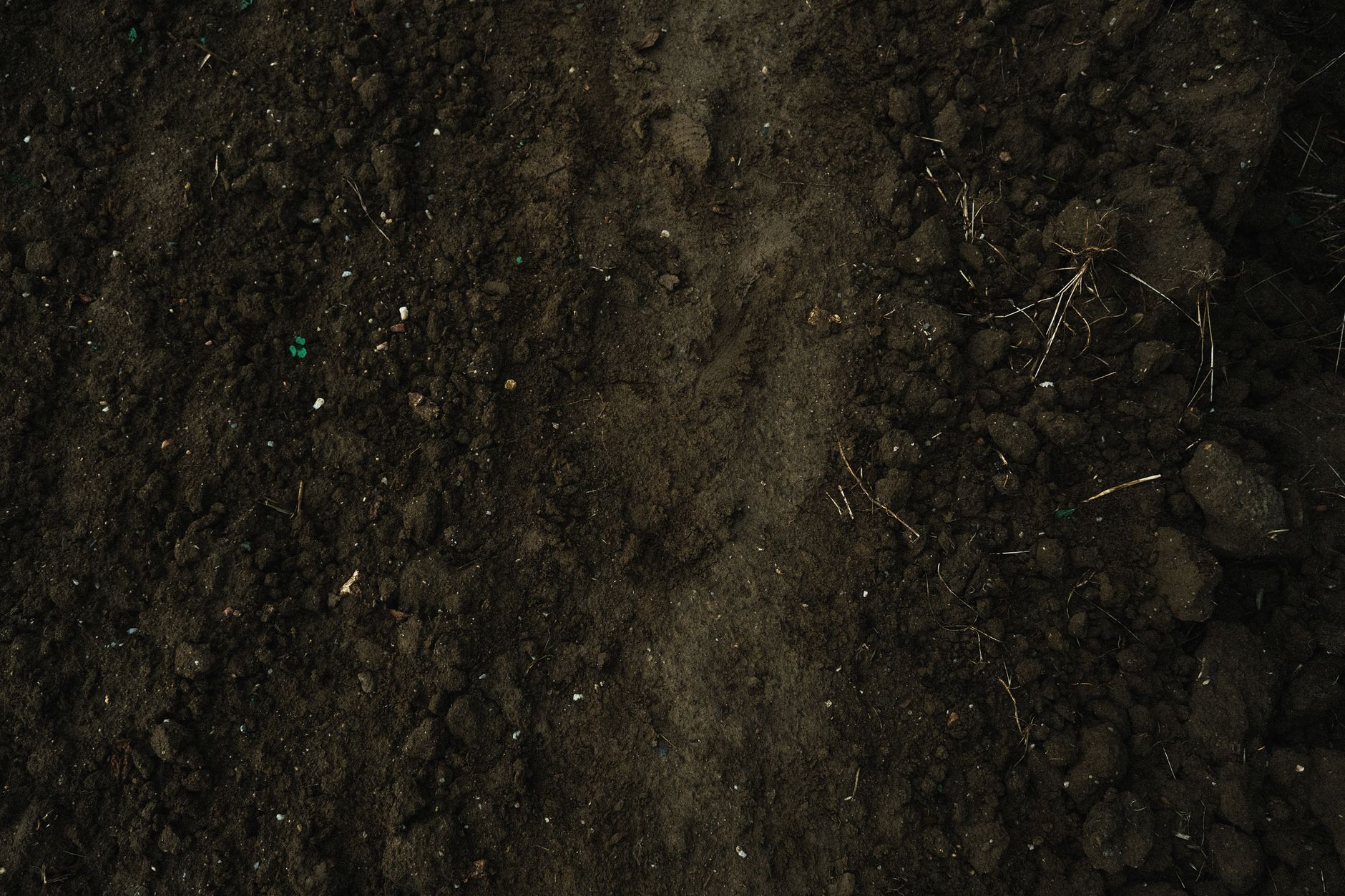
Even quality topsoil generally benefits from blending with compost, since compost adds concentrated organic matter and biological activity beyond what topsoil alone typically provides, particularly for purchased bulk or bagged products.
A common blending ratio is roughly 2-3 parts topsoil to 1 part compost, though this can be adjusted based on your topsoil's existing quality and your specific plants' needs.
This blending approach is particularly relevant when filling raised beds or new garden areas, where you're essentially building a complete growing medium rather than working with naturally established, already-biologically-active native soil.
Mix thoroughly rather than layering topsoil and compost separately, since blended material provides more consistent growing conditions throughout the bed's depth compared to distinct, unmixed layers.
For topping off or amending existing garden beds rather than filling new ones, a thinner layer of compost alone, worked into the existing topsoil, often serves better than adding a large quantity of new topsoil unnecessarily.
Use Topsoil Appropriately for Different Projects
For filling new raised beds, blend topsoil with compost and aeration material as covered in the previous step, rather than using topsoil alone, which can compact within the confined raised bed environment.
For lawn repair or leveling low spots, a thin layer of topsoil (no more than an inch or two at a time) can be worked into existing turf areas without smothering established grass, building up gradually over multiple applications if a larger correction is needed.
For amending existing in-ground garden beds, working topsoil into the native soil rather than simply layering it on top helps integrate the new material more effectively with what's already there.
For general grading or filling significant low areas in your yard, topsoil can be used more liberally without blending, since these applications prioritize bulk volume and general soil quality over the more specific fertility needs of an active planting bed.
Avoid using topsoil as a complete container filling material on its own, reserving containers specifically for potting mix, which is formulated with the drainage and aeration properties containers genuinely need.
Protect and Conserve Existing Topsoil

Topsoil forms slowly over many years, making it a genuinely valuable resource worth protecting rather than simply replacing once degraded or eroded away from bare, exposed garden areas.
Mulching exposed soil helps prevent erosion from wind and rain, keeping valuable topsoil in place rather than washing or blowing away from unprotected garden beds.
Cover cropping during off-seasons, planting a quick-growing crop specifically to protect and build soil rather than for harvest, helps maintain and even improve topsoil quality between your main growing seasons.
Avoid leaving garden beds completely bare and exposed for extended periods, since this significantly increases erosion risk compared to soil protected by either growing plants or a mulch layer.
Common problems and fixes
| Problem | Likely cause | What to do |
|---|---|---|
| Purchased topsoil seems poor quality once delivered | Insufficient quality evaluation before purchase, or a supplier providing subpar material. | Blend the material generously with compost to improve its fertility and structure, and evaluate samples more carefully for future purchases. |
| Plants struggle in a bed filled with plain purchased topsoil | Topsoil alone often lacks sufficient organic matter and can compact within a confined bed. | Work in additional compost and aeration material to improve the existing soil's structure and fertility. |
Gardener's checklist
Test what you learned
What is topsoil?
Answer: The uppermost, most fertile layer of soil
Why shouldn't plain topsoil be used to fill containers?
Answer: It lacks the drainage and aeration properties containers need
What visual signs indicate quality topsoil?
Answer: Dark brown to black color and easily crumbling texture
Common questions
What's the difference between topsoil and garden soil?
Topsoil is the general term for the fertile uppermost soil layer, while 'garden soil' as a bagged product often refers to topsoil blended with some compost or amendments specifically for in-ground bed use, though labeling isn't always consistent between brands.
Can I use topsoil straight from my yard instead of buying it?
Yes, if your yard has decent existing topsoil, you can dig and use it directly, though blending with compost still generally improves fertility and structure compared to using it entirely unamended.
How much does topsoil cost?
Costs vary considerably by quality, region, and whether you're buying bagged or bulk; bulk delivery becomes more cost-effective per unit volume once you need more than roughly one cubic yard of material.
Is all bagged topsoil the same quality?
No, quality varies significantly between brands and products despite similar labeling; evaluating color, texture, and smell, or reading reviews for specific products, helps you avoid disappointing, low-quality material.
How deep is topsoil typically?
This varies considerably by region and land history, but topsoil generally ranges from 2-8 inches deep, with agricultural areas, forests, and long-undisturbed natural land typically having deeper, richer topsoil than heavily developed or eroded areas.
Does topsoil expire or go bad in storage?
Topsoil itself doesn't spoil, though bagged product left in unopened plastic for extended periods can develop compaction or moisture issues; using it within a reasonable timeframe after purchase, or storing it in a way that allows some airflow, helps maintain better quality.
Understanding what topsoil actually is, and how it differs from related products like potting mix, helps you make genuinely informed purchasing decisions and use this foundational garden material appropriately for whatever specific project you have in mind.
Frequently asked questions
How often should a vegetable garden be watered?
Frequency depends on weather, soil and plant size. Check the soil rather than watering on a rigid schedule.
Is compost enough fertilizer?
Compost improves soil and provides nutrients slowly. Heavy-feeding crops may still need additional feeding.

The Sproutstead Editorial Team
We create clear, practical gardening and homesteading guides designed for real homes and beginner growers.
View author profile →

