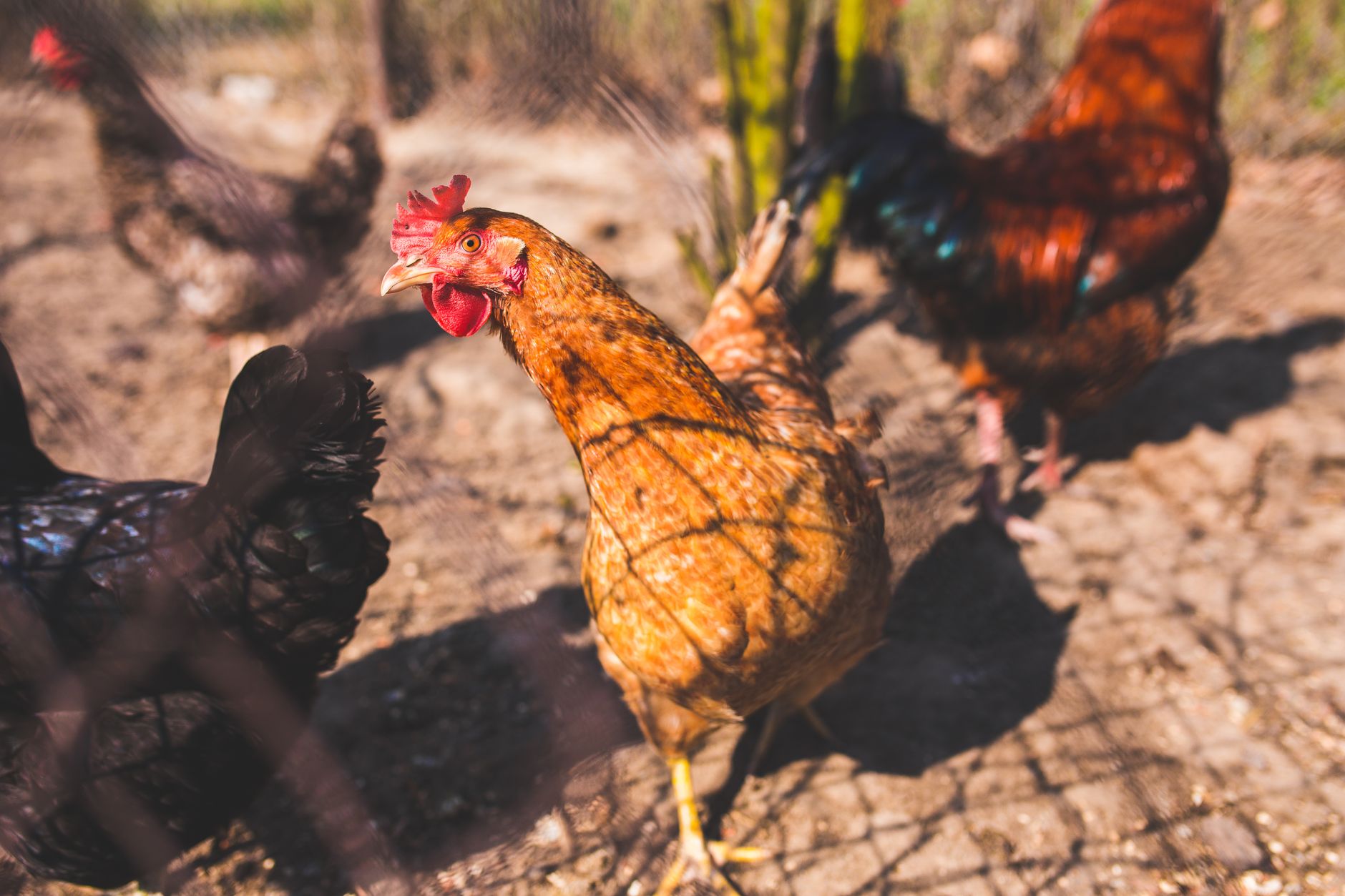
Store fresh, unwashed eggs long term using water glassing, submerging them in a pickling lime and water solution, which can preserve eggs for up to a year in a cool location without refrigeration. Alternatively, freeze cracked, beaten eggs (whole eggs can't be frozen in shell) for up to a year, or simply refrigerate unwashed fresh eggs, which last considerably longer than washed store-bought eggs due to their intact protective bloom coating.
What you will need
Understand Why Unwashed Eggs Matter
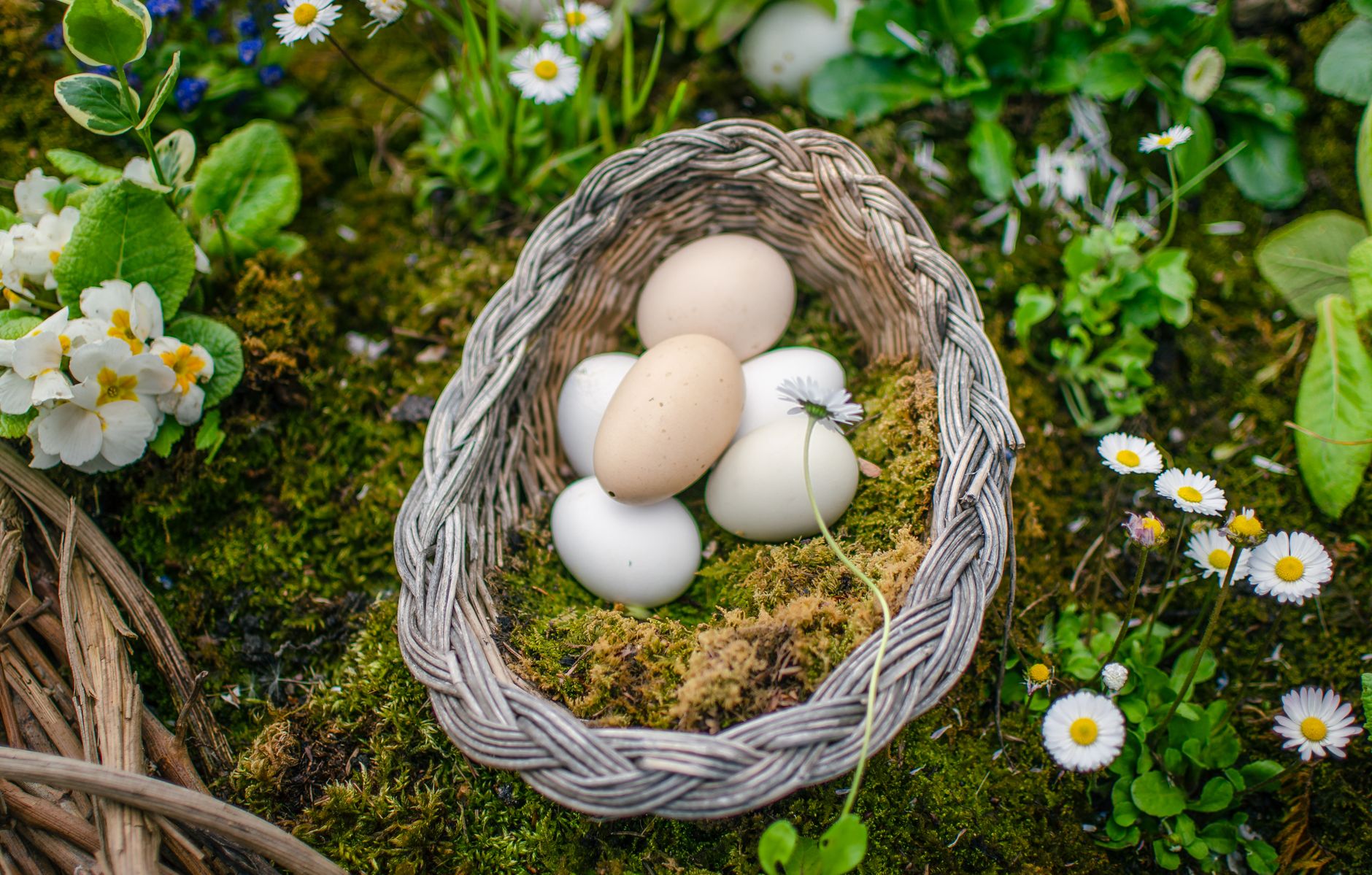
Fresh eggs are naturally coated with a protective layer called the bloom or cuticle, which seals the shell's pores and helps prevent bacteria from entering the egg, a natural preservation mechanism.
Commercial washing, standard practice for most store-bought eggs in the United States, removes this protective bloom, which is why store-bought eggs require refrigeration and have a shorter practical shelf life.
Unwashed eggs, whether from your own backyard flock or a farm source that doesn't wash before sale, retain this bloom and can be stored using methods like water glassing that wouldn't work reliably on washed eggs.
If you must wash eggs before storage for any reason, plan to refrigerate them promptly and use the shorter shelf life timeline appropriate for washed eggs rather than attempting long-term unrefrigerated storage.
This bloom-preservation principle explains why farm-fresh eggs handled properly can genuinely be stored differently than the washed eggs typically found in grocery stores.
Water Glass Eggs for Long-Term Storage

Water glassing uses a solution of food-grade pickling lime (calcium hydroxide) and water, typically mixed at a ratio of 1 ounce of lime per quart of water, which creates an environment that preserves unwashed eggs for many months.
Dissolve pickling lime thoroughly in water within a large glass or ceramic container, then gently lower clean, unwashed, unblemished eggs into the solution, ensuring they're fully submerged.
Store the container in a cool location, ideally 50-60°F, covered to reduce evaporation, checking periodically to ensure eggs remain fully submerged throughout the storage period.
Properly water-glassed eggs can remain good for up to 12 months, though many people find the texture of the whites changes slightly over extended storage, making them better suited for baking than for uses requiring pristine fresh-egg texture.
Only use genuinely fresh, clean, unblemished eggs for water glassing, since any cracks or existing contamination compromise the method's effectiveness regardless of the solution's protective properties.
Freeze Eggs for Convenient Storage
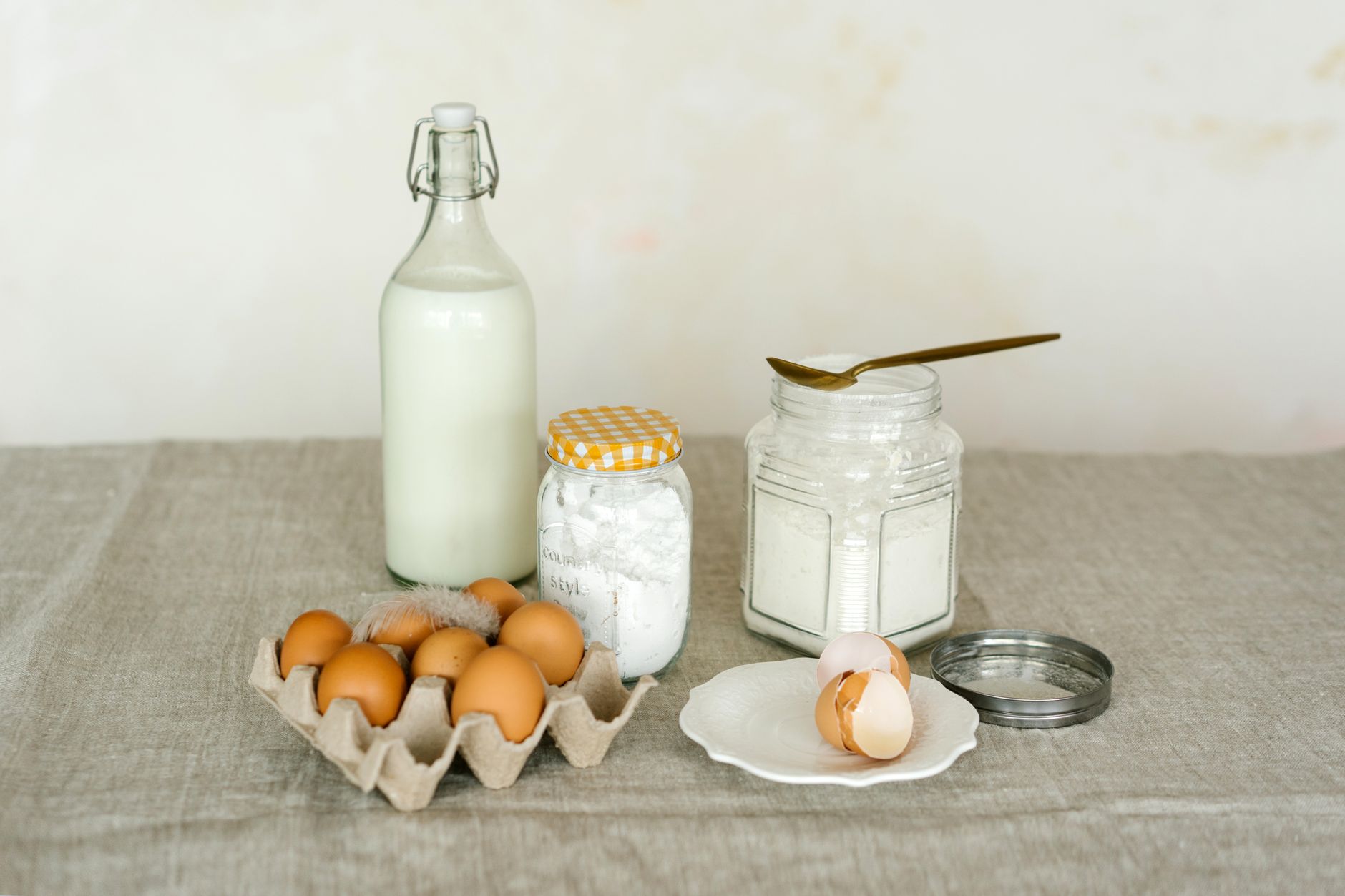
Whole eggs cannot be frozen in their shells, since the expanding liquid as they freeze will crack the shell, so eggs must be cracked and typically beaten before freezing.
Beat eggs lightly before freezing, portioning into ice cube trays or small freezer-safe containers, which allows you to thaw only the quantity needed for a specific recipe later.
Label containers with the number of eggs and the date frozen, since frozen eggs lose their individual shell markings that might otherwise help you track quantity and freshness.
Frozen eggs typically maintain good quality for up to 12 months, though texture changes somewhat upon thawing, making them best suited for baking and cooking applications rather than uses requiring the texture of fresh eggs, like a sunny-side-up preparation.
Thaw frozen eggs in the refrigerator before use, and use promptly after thawing rather than refreezing, following standard food safety practices for any previously frozen food.
Store Unwashed Eggs Refrigerated
Unwashed fresh eggs, whether from your own flock or an unwashed farm source, can be refrigerated without water glassing or freezing, typically lasting 3-4 months or longer, considerably beyond the shelf life of washed store-bought eggs.
Store eggs pointed-end down in a carton or container, which helps maintain the yolk's central position and can slightly extend freshness compared to random orientation.
Avoid washing eggs immediately before refrigerated storage if extended shelf life is your goal, since washing removes the protective bloom that contributes to this extended timeline.
If eggs do need washing (visible dirt, for example), wash just before use rather than before storage, and plan for the shorter shelf life appropriate to washed eggs from that point forward.
This refrigerated storage approach for unwashed eggs offers a simpler middle ground between standard short-term refrigeration and more involved methods like water glassing, without requiring any special equipment or preparation.
Test Egg Freshness Before Use
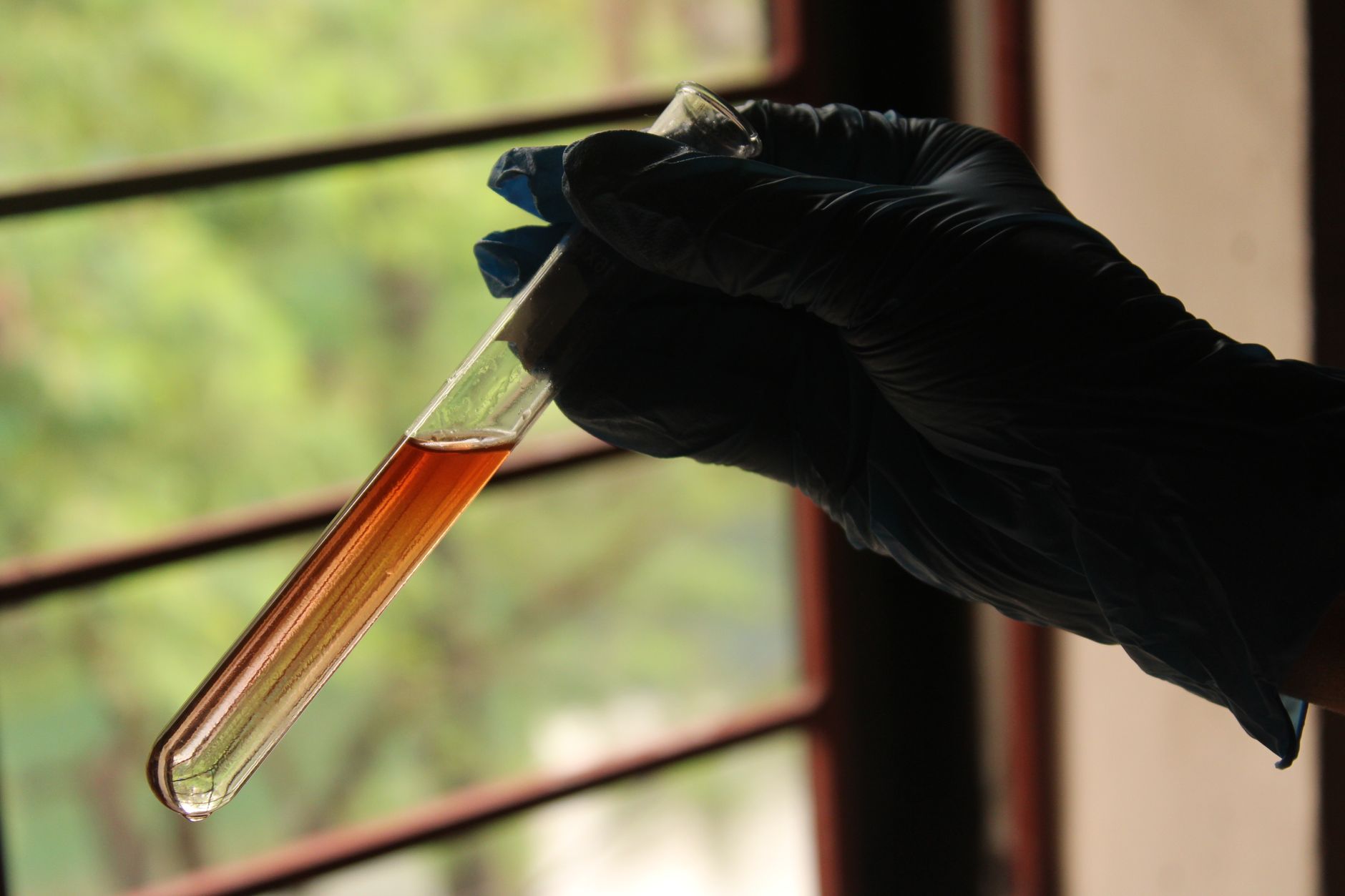
Perform the float test by placing an egg in a bowl of water; a fresh egg sinks and lies flat on the bottom, while an aging egg stands upright, and a genuinely spoiled egg floats to the surface entirely.
This test works because eggshells are porous, and as an egg ages, air gradually enters through the shell, increasing the air pocket inside and making the egg progressively more buoyant over time.
Crack any questionable egg into a separate bowl before adding it to a larger dish, checking for any off odor, unusual color, or texture before proceeding, since smell is often the most reliable spoilage indicator.
A fresh, safe-to-eat egg has a clean smell, firm yolk, and reasonably contained white, while a spoiled egg typically has an unmistakably foul odor that becomes apparent as soon as it's cracked.
When in doubt about any stored egg's freshness or safety, especially with extended storage methods like water glassing, discard it rather than risk consuming something that's developed a genuine food safety issue.
Source and Prepare Eggs Properly Before Storage
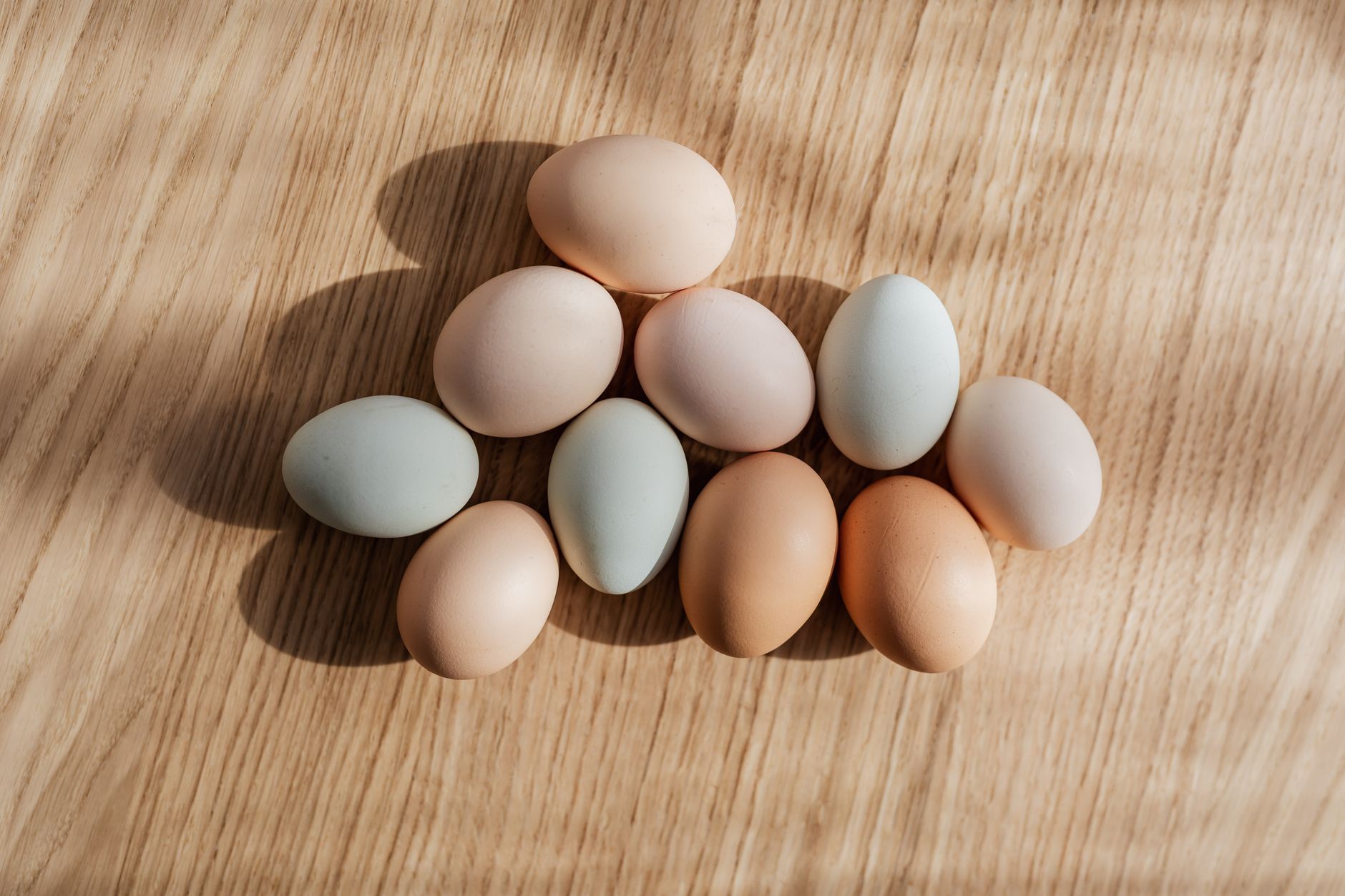
Collect eggs from your own flock promptly and regularly, since eggs left in a nesting box for extended periods, especially in warm weather, don't make good candidates for long-term storage regardless of method.
If sourcing from a farm stand or local producer specifically for storage purposes, ask directly whether the eggs have been washed, since this significantly affects which storage methods will work reliably.
Avoid using any egg with visible cracks, unusual shell texture, or significant dirt for long-term storage methods, reserving these for immediate use instead where any minor issues matter less.
Handle eggs gently throughout the collection and storage preparation process, since rough handling can create hairline cracks invisible to casual inspection but capable of compromising storage success.
Common problems and fixes
| Problem | Likely cause | What to do |
|---|---|---|
| Water-glassed eggs develop an off smell | An egg with a hairline crack or existing contamination was included in the batch, or eggs weren't kept fully submerged. | Discard affected eggs immediately, and inspect eggs more carefully for cracks before future water glassing batches. |
| Frozen eggs have an odd texture after thawing | This is a normal characteristic of frozen and thawed eggs, particularly noticeable in the whites. | Use thawed eggs primarily for baking and cooking applications rather than preparations requiring fresh egg texture. |
Gardener's checklist
Test what you learned
Why does water glassing require unwashed eggs specifically?
Answer: Unwashed eggs retain a protective bloom coating that washing removes
Why can't whole eggs be frozen in their shells?
Answer: The expanding liquid as they freeze cracks the shell
What does the float test indicate about an egg?
Answer: Whether the egg is fresh, aging, or spoiled based on buoyancy
Common questions
How long do water-glassed eggs last?
Properly water-glassed eggs can remain good for up to 12 months when stored in a cool location, though texture changes somewhat over extended storage, making them better suited to baking than uses requiring fresh-egg texture.
Can I water glass store-bought eggs?
Generally not effectively, since most commercial eggs in the United States are washed before sale, removing the protective bloom coating that water glassing depends on for successful long-term preservation.
Is it safe to eat eggs stored for many months?
Yes, when using proper preservation methods like water glassing or freezing with genuinely fresh, unblemished starting eggs, and always performing a freshness check (float test, smell check) before consuming any long-term stored egg.
Do frozen eggs work the same as fresh eggs in recipes?
Mostly, though texture changes somewhat upon thawing, particularly in the whites, making frozen eggs best suited for baking and cooked applications rather than preparations specifically requiring fresh egg texture, like a soft poached egg.
Can I freeze eggs with the yolks and whites separated?
Yes, this is a common practice, particularly useful if a specific recipe calls for just whites or just yolks; freeze each separately in labeled containers, noting the quantity for easier recipe planning later.
Is pickling lime the same as garden lime?
No, these are different products; pickling lime is food-grade calcium hydroxide specifically intended for food preservation use, while garden lime is typically calcium carbonate intended for soil amendment and isn't appropriate for water glassing eggs.
Long-term egg storage genuinely depends on starting with fresh, unwashed eggs and choosing an appropriate method, water glassing, freezing, or simple extended refrigeration, matched to your specific needs and available preparation time.
Frequently asked questions
How often should a vegetable garden be watered?
Frequency depends on weather, soil and plant size. Check the soil rather than watering on a rigid schedule.
Is compost enough fertilizer?
Compost improves soil and provides nutrients slowly. Heavy-feeding crops may still need additional feeding.

The Sproutstead Editorial Team
We create clear, practical gardening and homesteading guides designed for real homes and beginner growers.
View author profile →