Store water in food-grade containers specifically designed for water storage, treating tap water with unscented household bleach (about 1/8 teaspoon per gallon) if it's not already treated, then storing in a cool, dark location away from chemicals and direct sunlight. Plan for at least 1 gallon per person per day, covering a minimum of 2 weeks, and rotate stored water every 6-12 months even though properly stored water can technically last much longer.
What you will need
Calculate How Much Water You Need
Plan for a minimum of 1 gallon per person per day, which covers both drinking water and basic hygiene needs, though this is a genuine minimum rather than a generous allowance.
The standard recommendation covers at least a 2-week supply, meaning a household of four would need a minimum of 56 gallons to meet this baseline recommendation.
Consider additional water for pets, which have their own hydration needs, as well as extra allowance for particularly hot climates or any household members with specific medical needs requiring more water.
Some emergency preparedness resources recommend scaling up to a month's supply where storage space allows, since extended emergencies (particularly natural disasters affecting municipal water systems) can sometimes last considerably longer than two weeks.
Factor in cooking water needs as well if you're planning for extended food preparation during an emergency, since many meals require water beyond basic drinking and hygiene use.
Choose Appropriate Storage Containers
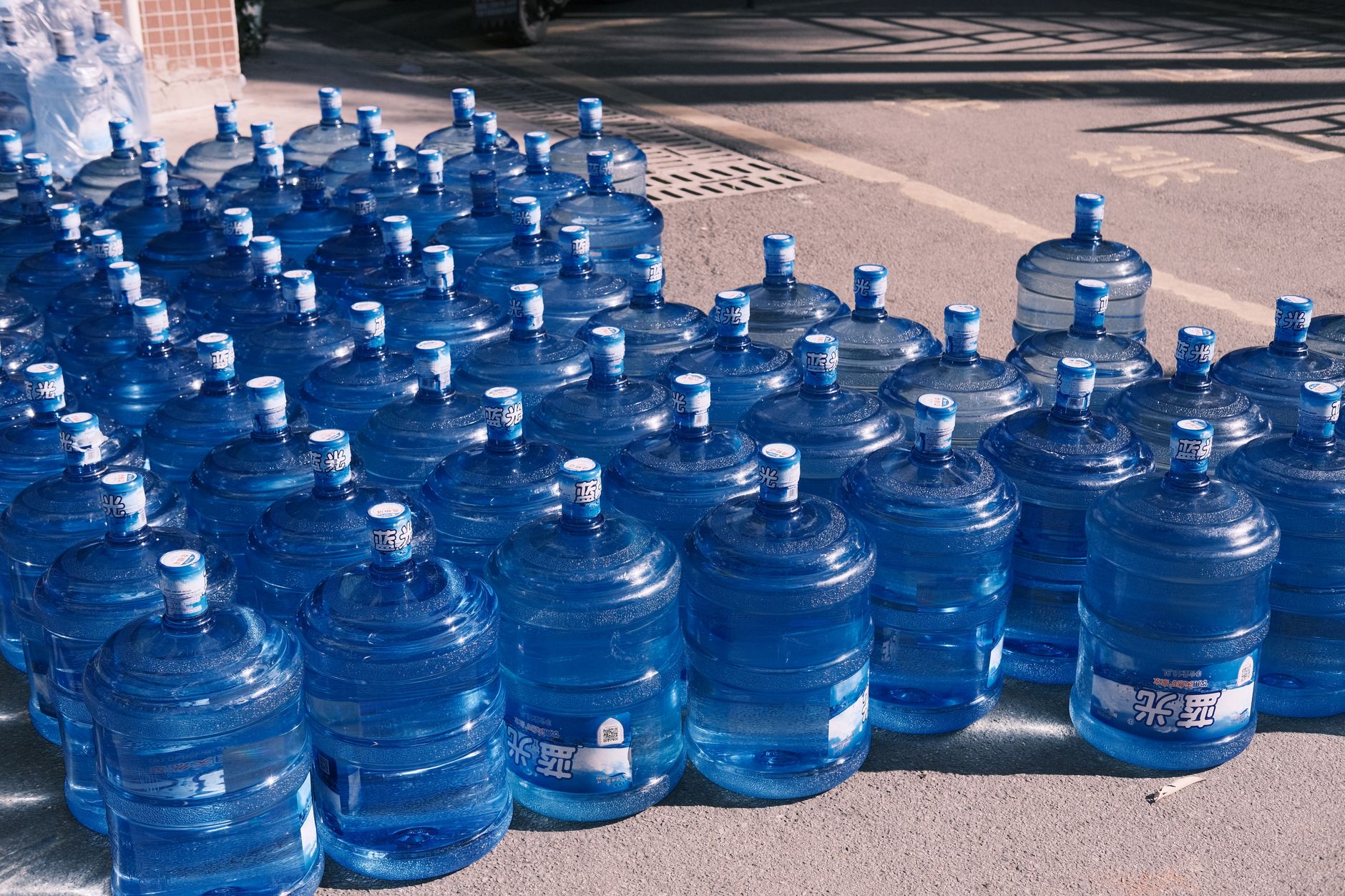
Use containers specifically labeled food-grade, since these are made from materials designed for safe, long-term water contact without leaching harmful chemicals into your stored supply.
Purpose-made water storage containers, available in various sizes from small stackable jugs to large 55-gallon barrels, offer the most reliable option, specifically designed for this exact use case.
Avoid reusing containers that previously held non-food items (like household chemicals) even after washing, since residue can remain and potentially contaminate your water supply.
Milk jugs and similar thin plastic containers aren't recommended for long-term storage, since they're not designed for extended use and can degrade or develop leaks over time compared to purpose-made storage containers.
For larger household needs, 55-gallon food-grade barrels offer efficient bulk storage, though they require a separate pump or siphon for practical access and are considerably harder to move once filled.
Treat Water Before Storing
If storing treated municipal tap water, additional treatment often isn't strictly necessary for shorter storage periods, though many households add a small amount of unscented household bleach as extra insurance for longer-term storage.
Add approximately 1/8 teaspoon of plain, unscented household bleach (containing only sodium hypochlorite, no added scents or additives) per gallon of water if additional treatment is desired.
If storing untreated water, such as from a well or other non-municipal source, treatment becomes more important; consult current guidance from a reputable source like the CDC or EPA for appropriate treatment ratios for your specific water source.
Water treatment tablets, available from camping and emergency supply retailers, offer an alternative to bleach, following the specific product's instructions for appropriate dosing.
Let treated water sit for about 30 minutes before sealing containers, which allows the treatment to work throughout the water before storage begins.
Fill and Seal Containers Properly
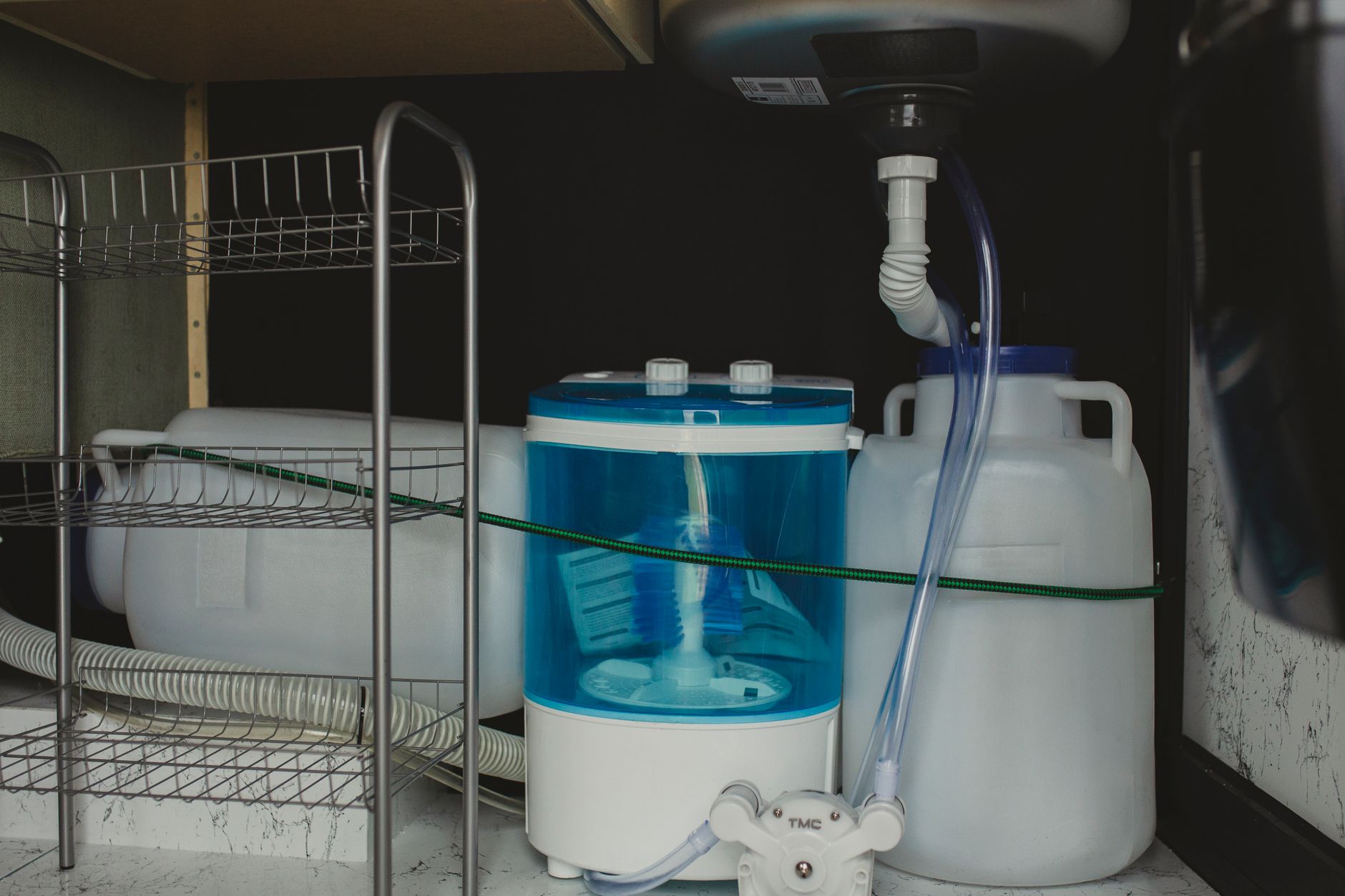
Fill containers completely, leaving minimal headspace, since less air space reduces the container's exposure to oxygen that could support bacterial growth over extended storage.
Wipe container openings clean before sealing, avoiding any contamination from hands or surfaces that could introduce bacteria into your carefully treated water.
Seal containers tightly with their designed caps or lids, checking for a secure fit that won't allow leakage or contamination during the storage period.
Label each container clearly with the fill date, which becomes essential for tracking your rotation schedule and knowing when it's time to refresh your supply.
Consider filling containers at different times if building up your supply gradually, staggering fill dates so your rotation schedule doesn't require replacing everything simultaneously.
Store in Optimal Conditions
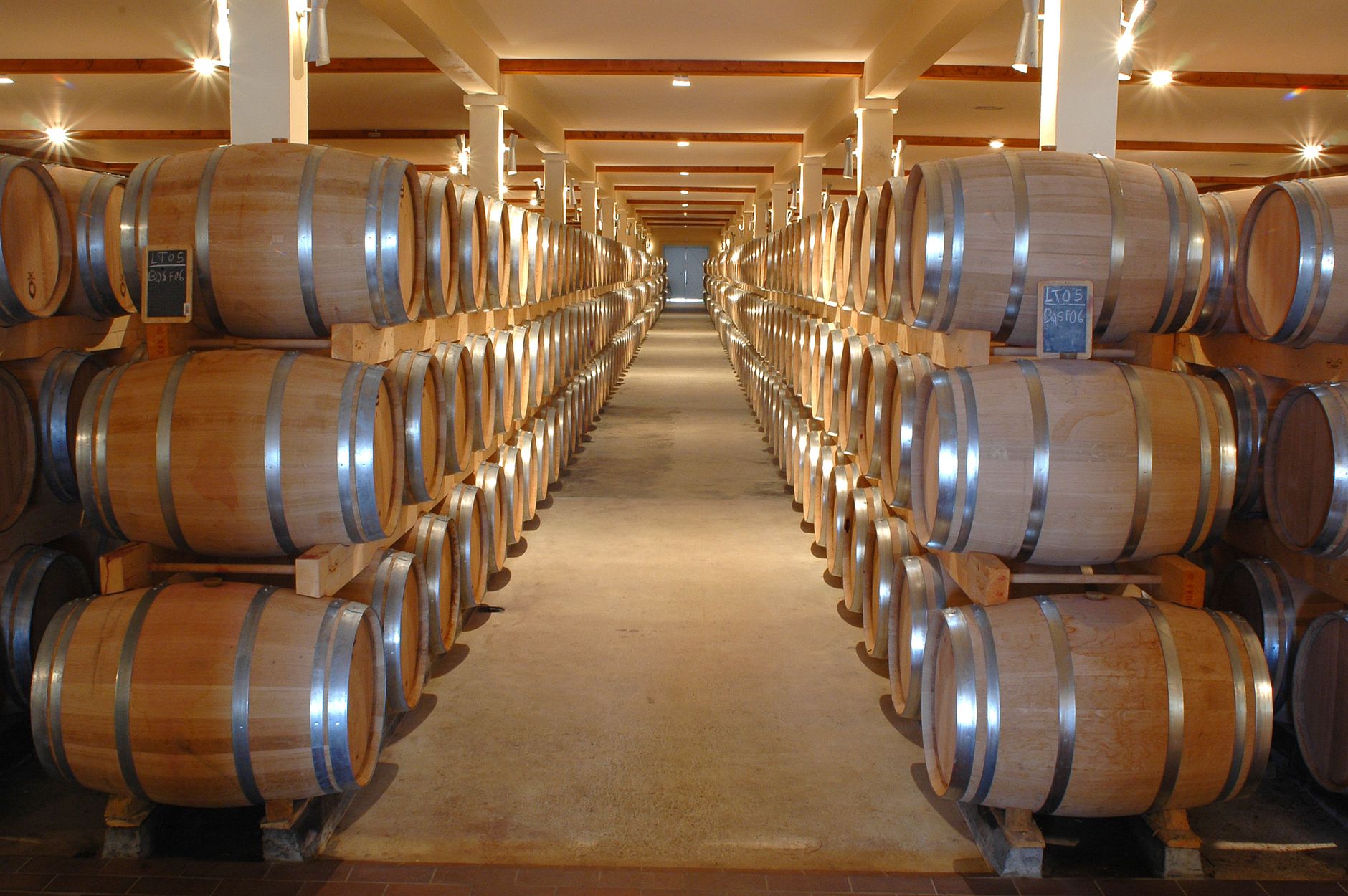
Store water containers in a cool location, ideally 50-70°F, away from direct sunlight, which can promote algae growth and potentially degrade certain container materials over extended periods.
Keep stored water away from household chemicals, gasoline, pesticides, and similar substances, since some plastics can absorb fumes from nearby stored chemicals over time, even without direct contact.
A basement, interior closet, or dedicated storage area typically offers better conditions than a garage exposed to significant temperature swings or an area with direct window sunlight.
Elevate containers slightly off concrete floors if possible, using a wooden pallet or similar barrier, since some plastic containers can be affected by direct, prolonged concrete contact over very extended storage periods.
Ensure your storage location can support the weight of your full water supply, particularly important for large barrel storage, since a filled 55-gallon barrel weighs over 450 pounds.
Rotate Your Supply Regularly
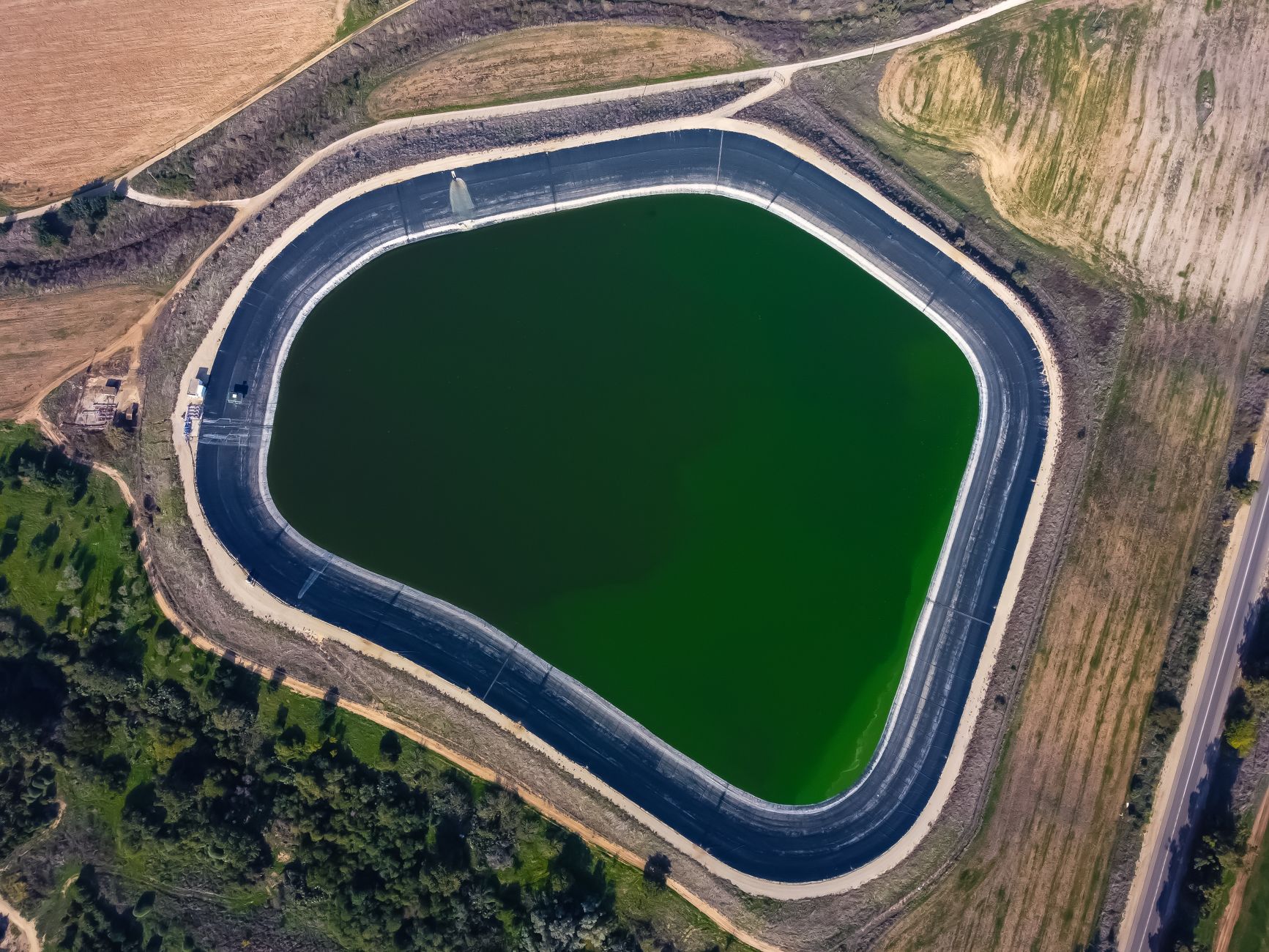
Rotate stored water every 6-12 months, even though properly treated and sealed water can often remain safe considerably longer, since this schedule provides a reasonable, manageable maintenance rhythm.
Use rotated-out water for non-drinking purposes like watering plants or cleaning, rather than simply discarding it, making the rotation process itself more practically useful.
Check containers periodically between full rotations for any signs of damage, leaking, or cloudiness, addressing these issues promptly rather than waiting for your next scheduled rotation.
Set a calendar reminder for your rotation schedule, since this is easy to forget amid other responsibilities but genuinely important for maintaining a reliable, ready emergency water supply.
Consider staggering your rotation across different containers rather than replacing your entire supply at once, which spreads out the effort and ensures you're never without at least some properly maintained stored water.
Keep Backup Purification Methods on Hand
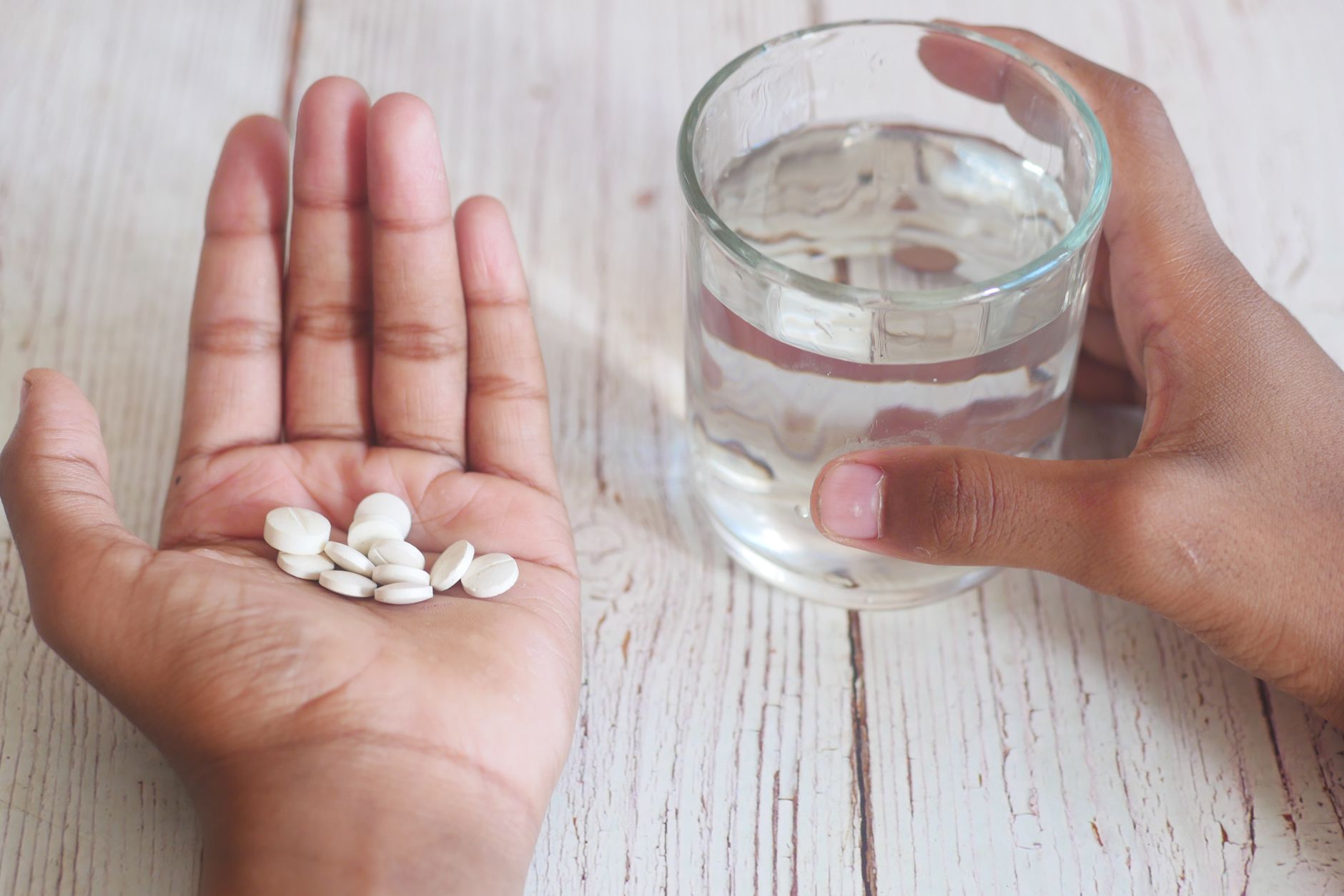
Keep a supply of water purification tablets or a portable water filter as a backup, which allows you to treat additional water from other sources if your stored supply runs low during an extended emergency.
Boiling remains one of the most reliable purification methods for questionable water sources, requiring only a rolling boil for at least one minute (three minutes at higher elevations) to address most biological contaminants.
Store backup purification supplies alongside your water storage, making them easy to locate together during an actual emergency rather than scattered separately throughout your home.
Familiarize yourself with how to use any backup purification equipment before you actually need it, since learning a new method during an active emergency is far more stressful than testing it in advance under normal conditions.
Common problems and fixes
| Problem | Likely cause | What to do |
|---|---|---|
| Stored water develops a cloudy appearance or off taste | Extended storage time, container quality issues, or inadequate initial treatment. | Discard the affected water and replace with freshly treated water, considering container replacement if this issue recurs. |
| Container shows signs of cracking or leaking | Container quality wasn't suited to long-term use, or physical damage occurred during storage. | Transfer remaining water to a new food-grade container promptly, and replace with purpose-made storage containers for future supplies. |
Gardener's checklist
Test what you learned
What is the minimum recommended water storage amount per person per day?
Answer: 1 gallon
Why should containers be filled completely with minimal headspace?
Answer: Less air space reduces exposure that could support bacterial growth
How often should stored water typically be rotated?
Answer: Every 6-12 months
Common questions
How much water should I store for my family?
Plan for a minimum of 1 gallon per person per day, covering at least a 2-week supply; a household of four would need at least 56 gallons to meet this baseline recommendation, with more being better if storage space allows.
Can I store tap water without treating it?
Municipal tap water that's already treated can often be stored without additional treatment for shorter periods, though many households add a small amount of unscented bleach as extra insurance for longer-term storage.
Do I need special containers to store water long term?
Purpose-made food-grade containers are strongly recommended over repurposed containers like milk jugs, since they're specifically designed for extended water contact without degrading or leaching chemicals.
How long does properly stored water actually last?
Properly treated water in appropriate food-grade containers, stored in good conditions, can technically remain safe for years, though the standard 6-12 month rotation recommendation provides a practical, manageable maintenance schedule rather than reflecting a hard expiration point.
Can I store well water the same way as municipal tap water?
Well water may need additional treatment before storage compared to already-treated municipal water, since it hasn't gone through the same purification process; consult current guidance from a reputable source for appropriate treatment specific to untreated water sources.
What size containers work best for water storage?
This depends on your household and storage space; smaller stackable containers (around 5-7 gallons) offer easier handling and portability, while larger 55-gallon barrels maximize storage efficiency for households with adequate space and the ability to manage the container's substantial weight.
Long-term water storage is one of the most fundamental preparedness steps any household can take, and getting the basics right, proper containers, adequate treatment, good storage conditions, and consistent rotation, ensures this essential resource is genuinely ready when you need it.
Frequently asked questions
How often should a vegetable garden be watered?
Frequency depends on weather, soil and plant size. Check the soil rather than watering on a rigid schedule.
Is compost enough fertilizer?
Compost improves soil and provides nutrients slowly. Heavy-feeding crops may still need additional feeding.

The Sproutstead Editorial Team
We create clear, practical gardening and homesteading guides designed for real homes and beginner growers.
View author profile →