Smoke meat by maintaining a low temperature (225-250°F) in a smoker using hardwood chips, chunks, or logs, cooking tougher cuts like brisket or pork shoulder for several hours until they reach a safe internal temperature (145°F for whole cuts, 165°F for poultry, though many smoked cuts are cooked further to 195-205°F for optimal tenderness). Use a reliable meat thermometer rather than time alone, and let smoked meat rest for at least 15-30 minutes before slicing.
What you will need
Choose the Right Wood
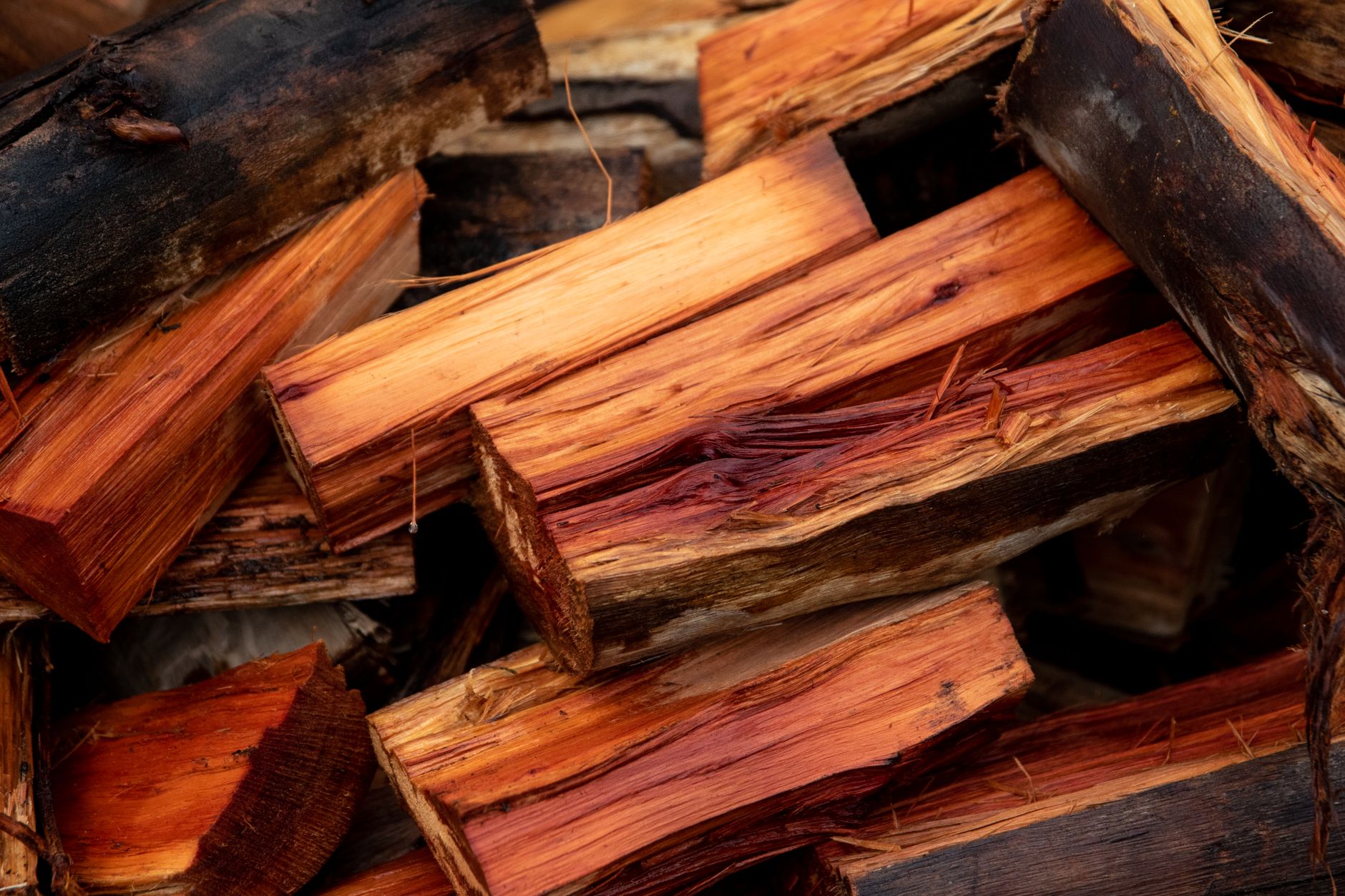
Hickory and oak are versatile, moderately strong woods suitable for most meats, offering a classic, well-balanced smoky flavor that works well for beginners still developing their preferences.
Fruit woods like apple and cherry produce a milder, slightly sweet smoke flavor, particularly well-suited to poultry and pork, where a lighter touch often complements the meat better than an intense smoke profile.
Mesquite offers a strong, distinctive flavor best used in moderation or for shorter smoking sessions, since its intensity can overwhelm more delicate meats or become bitter with prolonged exposure.
Always use genuine hardwood specifically intended for smoking, never softwoods like pine, which contain resins that produce harmful compounds and unpleasant flavors when burned.
Soak wood chips in water for 30 minutes before use if your smoker calls for this technique, which slows their burning rate and produces more smoke rather than quickly igniting into flame.
Prepare Your Meat with a Dry Brine or Rub
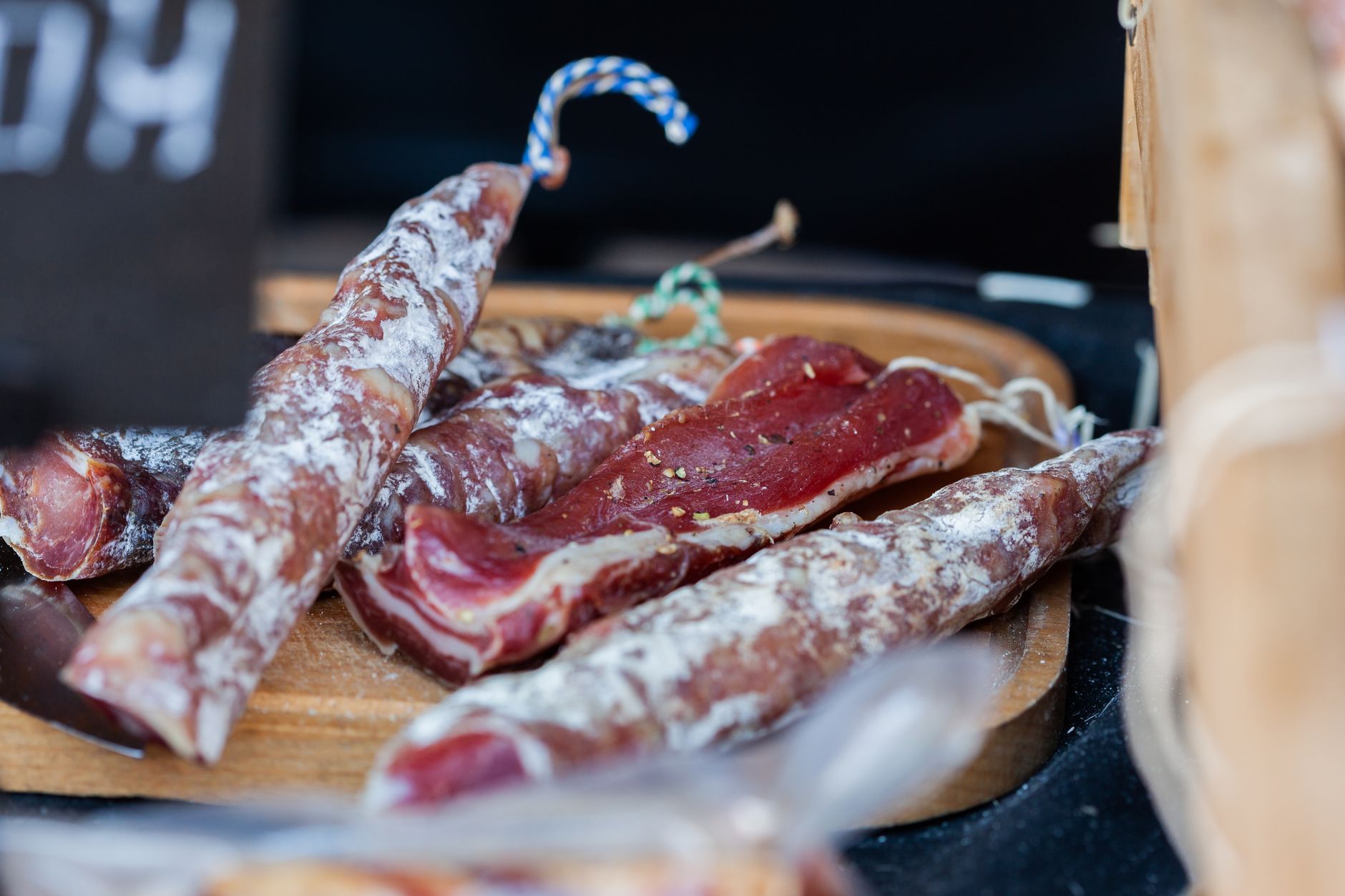
Apply a dry brine (simply salt, sometimes with sugar) at least a few hours before smoking, ideally overnight, which draws out moisture initially before reabsorbing it along with the salt, seasoning the meat throughout rather than just the surface.
Add a dry rub, typically a blend of salt, pepper, paprika, garlic powder, and other spices, either combined with your dry brine or applied separately closer to smoking time depending on your specific recipe.
Trim excess fat to about 1/4 inch thickness on cuts like brisket, which allows smoke penetration while still leaving enough fat to baste the meat and contribute moisture during the long cooking process.
Let seasoned meat come closer to room temperature before smoking (about 30-45 minutes out of the refrigerator), which helps it cook more evenly once it goes into the smoker.
Avoid over-salting if your rub already contains significant salt content, since combining a heavy dry brine with an equally salty rub can produce an overly seasoned final result.
Set Up and Maintain Low, Consistent Temperature

Maintain a smoker temperature of 225-250°F throughout the cooking process, which allows tougher cuts of meat to slowly break down connective tissue into tender, flavorful results over several hours.
Use a reliable smoker thermometer, ideally one built into or added to your specific smoker, rather than relying solely on a smoker's built-in temperature gauge, which can sometimes be inaccurate.
Different smoker types (offset, pellet, electric, charcoal) require different specific techniques for maintaining consistent temperature, so familiarize yourself with your particular equipment's quirks before attempting a long, important cook.
Avoid frequently opening the smoker to check progress, since each opening releases heat and smoke, extending your overall cooking time and potentially causing temperature fluctuations that affect the final result.
Plan for genuinely long cooking times; a full brisket can take 10-14 hours, while a pork shoulder often takes 8-12 hours, so factor this into your planning well before you intend to actually eat the finished product.
Monitor Internal Temperature, Not Just Time

Use a reliable meat thermometer inserted into the thickest part of the meat, avoiding bone or fat pockets, which can give inaccurate readings that don't reflect the meat's actual internal temperature.
Whole cuts of beef and pork need to reach a minimum safe internal temperature of 145°F, while poultry needs 165°F, according to USDA food safety guidance, though these are minimums rather than the ideal texture target for many smoked cuts.
For cuts like brisket and pork shoulder specifically, many pitmasters cook well beyond the minimum safe temperature to 195-205°F, since this higher temperature breaks down tough connective tissue into gelatin, producing the tender, pull-apart texture these cuts are known for.
Cooking time varies considerably based on meat size, smoker temperature consistency, and even outdoor weather conditions, making internal temperature a far more reliable doneness indicator than any estimated time range.
Consider investing in a leave-in probe thermometer with an external display or smartphone connectivity, which lets you monitor internal temperature without repeatedly opening the smoker and losing heat.
Rest the Meat Before Slicing

Rest smoked meat for at least 15-30 minutes, and ideally longer (up to an hour for a large brisket), which allows the internal juices, driven toward the center during cooking, time to redistribute evenly throughout the meat.
Wrap the meat loosely in foil or butcher paper during resting, which helps retain heat while still allowing some steam to escape rather than trapping excessive moisture against the surface.
Cutting into meat too soon after removing it from the smoker causes juices to run out immediately rather than staying within the meat, resulting in a noticeably drier finished product than proper resting would produce.
For very large cuts like a whole brisket, some pitmasters rest the meat in an insulated cooler (wrapped in towels) for an hour or more, which maintains temperature while allowing this crucial redistribution to fully occur.
Slice against the grain once rested, which produces more tender individual bites regardless of how well the meat itself was smoked, since cutting with the grain leaves longer muscle fibers that are harder to chew.
Store and Reheat Leftovers Properly

Refrigerate leftover smoked meat within 2 hours of cooking, storing in airtight containers or wrapped tightly, where it typically keeps well for 3-4 days.
Freeze smoked meat for longer storage, ideally vacuum-sealed or wrapped very tightly to prevent freezer burn, where it can maintain good quality for 2-3 months.
Reheat gently, using low oven heat with a splash of broth or liquid to help retain moisture, rather than high, fast heat that can dry out already-cooked meat further.
Consider slicing or portioning meat before freezing if you know you'll want smaller servings later, which makes thawing and reheating individual portions considerably more convenient than working with one large frozen piece.
Some smoked meats, particularly brisket, are often considered even better the next day once reheated gently, as flavors continue to meld and settle after the initial cooking process.
Understand the Stall and Manage the Long Cook

During long smoking sessions, particularly with brisket, internal temperature often plateaus for an extended period, sometimes several hours, around 150-165°F, a phenomenon commonly called 'the stall.'
This occurs due to evaporative cooling as moisture leaves the meat's surface, essentially the same principle behind how sweat cools skin, temporarily counteracting the heat being applied by the smoker.
Simply maintaining patience and consistent smoker temperature will eventually push through the stall naturally, though this can take considerable additional time beyond initial estimates.
Wrapping the meat tightly in foil or butcher paper once the stall begins, a technique sometimes called the 'Texas crutch,' traps moisture and can help push through this plateau period more quickly if you're working within a tighter timeline.
Common problems and fixes
| Problem | Likely cause | What to do |
|---|---|---|
| Meat is tough despite reaching the target temperature | Insufficient resting time, or the cut needed to reach a higher temperature for proper connective tissue breakdown. | Rest longer in future cooks, and for tough cuts like brisket, consider cooking to 195-205°F rather than the minimum safe temperature. |
| Smoker temperature fluctuates significantly | Inconsistent fuel management, weather conditions, or an inaccurate built-in thermometer. | Use a separate, verified thermometer for the smoker itself, and adjust fuel or vents more attentively to maintain the target 225-250°F range. |
| Meat tastes bitter or overly smoky | Too much wood used, or a strong wood type like mesquite used for an extended cooking time. | Use less wood or switch to a milder variety in future cooks, particularly for longer smoking sessions. |
Gardener's checklist
Test what you learned
What temperature range is typical for low and slow smoking?
Answer: 225-250°F
Why do cuts like brisket often get cooked to 195-205°F rather than just the minimum safe temperature?
Answer: This higher temperature breaks down connective tissue for tender texture
Why is resting meat before slicing important?
Answer: It allows juices to redistribute throughout the meat
Common questions
How long does it take to smoke a brisket?
A full brisket typically takes 10-14 hours at 225-250°F, though exact time varies based on size, smoker consistency, and weather conditions, making internal temperature a more reliable doneness indicator than estimated time.
What wood is best for smoking meat?
This depends on your specific meat: hickory and oak offer versatile, moderate flavor suited to most meats, fruit woods like apple work particularly well for poultry and pork, and stronger options like mesquite suit beef in moderation.
Is it safe to smoke meat at low temperatures like 225°F?
Yes, as long as the meat's internal temperature reaches the appropriate safe minimum (145°F for whole cuts, 165°F for poultry), the smoker's ambient temperature itself doesn't need to be higher, since the extended cooking time at 225-250°F safely brings the meat's interior to temperature.
Can I smoke meat without a dedicated smoker?
Yes, a charcoal or gas grill can be adapted for smoking using indirect heat and a smoker box or wood chip packet, though a dedicated smoker generally offers more consistent temperature control for longer cooking sessions.
Why does my smoked meat have a pink ring near the surface?
This is the 'smoke ring,' a harmless and often desirable result of a chemical reaction between smoke compounds and the meat's surface, not a sign of undercooking; it's purely cosmetic and doesn't affect the meat's actual doneness, which should still be verified with a thermometer.
What is 'the stall' in smoking, and how do I deal with it?
The stall refers to a period where internal temperature plateaus for an extended time, typically around 150-165°F, caused by evaporative cooling as moisture leaves the meat's surface; it's a normal part of the process and simply requires patience, or can be shortened by wrapping the meat in foil once it occurs.
Successful meat smoking comes down to patience and precision: maintaining a consistent low temperature, trusting a reliable thermometer over guesswork, and resting the finished meat properly, all of which transform tough, economical cuts into genuinely impressive, tender results.
Frequently asked questions
How often should a vegetable garden be watered?
Frequency depends on weather, soil and plant size. Check the soil rather than watering on a rigid schedule.
Is compost enough fertilizer?
Compost improves soil and provides nutrients slowly. Heavy-feeding crops may still need additional feeding.

The Sproutstead Editorial Team
We create clear, practical gardening and homesteading guides designed for real homes and beginner growers.
View author profile →