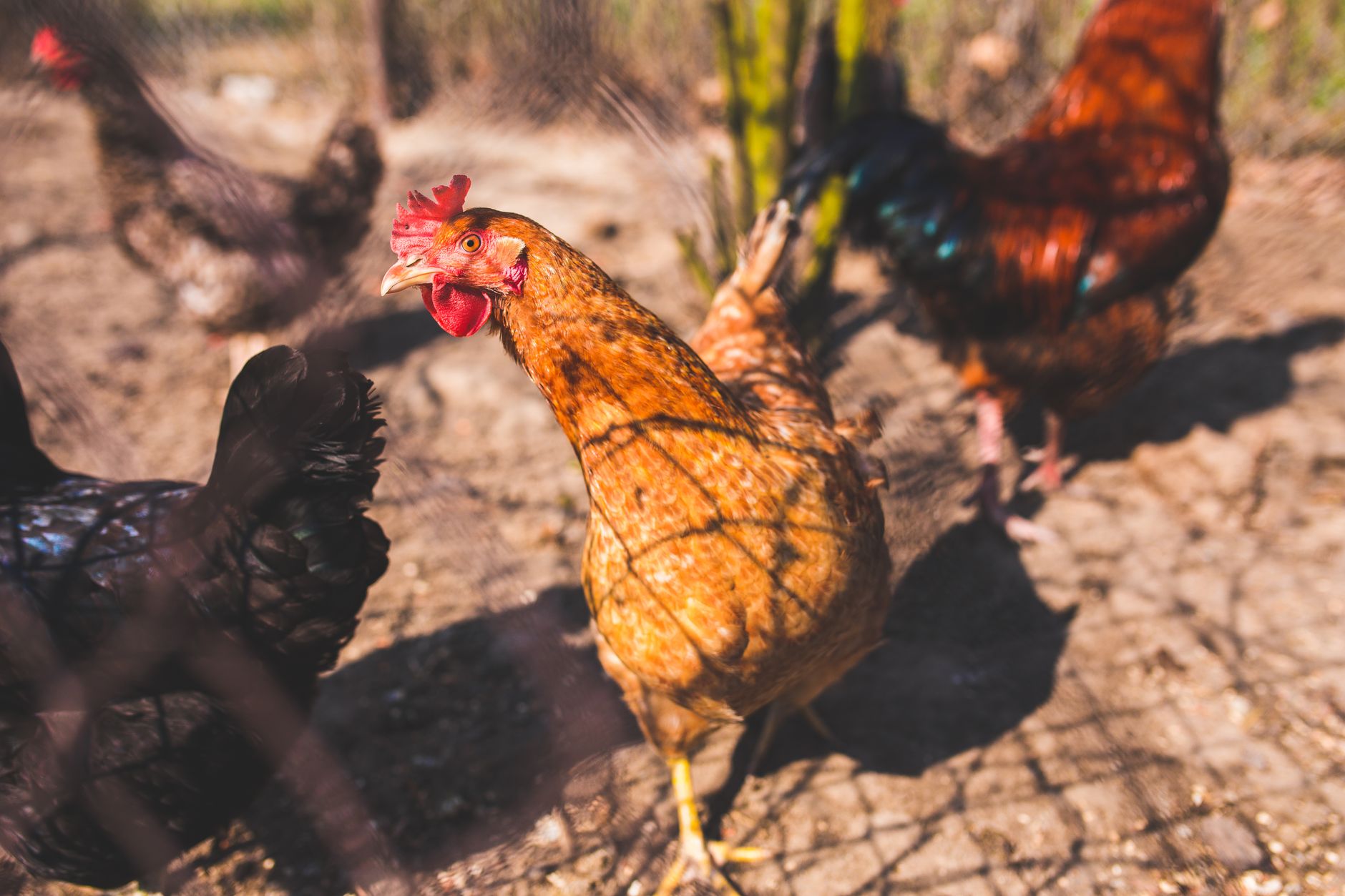
Raising quail starts with choosing a breed—Coturnix (Japanese) quail are the best for beginners. They're small, quiet, and start laying eggs at 6-8 weeks. Provide a secure enclosure (at least 1 square foot per quail), game bird feed (24-28% protein for chicks, 16-20% for adults), and fresh water. Quail don't need a lot of space and can be raised in a backyard or even a garage. They lay small, speckled eggs that are delicious and nutritious. For meat, they're ready in 8-12 weeks. Quail are low-maintenance, quiet, and a great option for small spaces.
What you will need
Choose the Right Quail Breed

Coturnix (Japanese Quail): The best breed for beginners. They're small, quiet, start laying at 6-8 weeks, and are excellent for meat. They don't need much space.
Bobwhite Quail: Native to North America, but more difficult to raise. They're more flighty and require more space. Better for experienced keepers.
Button Quail: Very small and ornamental. Not great for meat or eggs. More of a pet or novelty breed.
Which is best: Coturnix quail are the most productive and beginner-friendly. They're also the most common and widely available.
How many to start: Start with 10-20 quail. They're small and easy to manage.
Set Up Proper Housing

Space: Provide 1-2 square feet per quail. For 20 quail, that's 20-40 square feet.
Cage vs. Aviary: Cages are easier to clean and manage. Aviaries are more natural but harder to clean.
Predator protection: Use 1/2-inch hardware cloth on all sides. Quail are vulnerable to predators (rats, raccoons, cats, snakes).
Bedding: Use pine shavings, straw, or sand. Quail scratch and forage—bedding helps absorb waste.
Nesting: Quail don't need nesting boxes—they lay eggs on the ground. Provide a shallow dish with bedding for egg collection.
Location: Place housing in a sheltered, well-drained area. Provide shade in summer and protection from wind in winter.
Provide Proper Nutrition

Starter feed (0-6 weeks): 24-28% protein. Use a game bird starter for chicks.
Grower feed (6-12 weeks): 20-24% protein. Transition gradually.
Layer feed (12+ weeks): 16-20% protein. For laying quail, provide calcium (oyster shells) separately.
Water: Fresh, clean water at all times. Use a small waterer with shallow openings (quail are clumsy).
Grit: Provide grit for digestion—quail need it to grind food.
Treats: Offer small amounts of greens, insects, or mealworms. Limit treats to 10% of diet.
Manage Quail Health

Common issues: Respiratory disease (poor ventilation), parasites (mites, lice), and stress.
Signs of illness: Lethargy, loss of appetite, ruffled feathers, sneezing, or discharge.
Prevention: Keep housing clean, dry, and well-ventilated. Provide good nutrition.
When to call a vet: If a quail is seriously ill, not eating, or has severe symptoms.
Quarantine: Isolate new or sick quail for 2-3 weeks before introducing them to the flock.
Collect and Use Quail Eggs

Egg production: Coturnix quail lay 250-300 eggs per year—about 5-6 eggs per week.
When to collect: Collect eggs daily. Quail lay most eggs in the morning.
Egg size: Quail eggs are small (about 1/4 the size of a chicken egg). About 3-4 quail eggs = 1 chicken egg.
Egg use: Quail eggs are delicious—boiled, poached, or fried. They're great for garnishes, salads, and deviled eggs.
Storage: Refrigerate quail eggs for 2-3 weeks. They can also be preserved in water glassing.
Incubation: If you want to hatch, incubate quail eggs at 99.5°F for 16-18 days.
Raise Quail for Meat

When to process: Coturnix quail are ready for meat at 8-12 weeks.
Weight: At 8 weeks, quail weigh 8-12 ounces.
Processing: Quail are easy to process—they're small and quick. Many people process at home.
Yield: Each quail yields about 6-8 ounces of meat.
Taste: Quail meat is lean, flavorful, and similar to dark-meat chicken.
Processing time: Plan 1-2 hours for 20 quail.
Handle Quail Properly

How to catch: Quail are fast and can fly (if not clipped). Catch them gently by the body (not by the legs or wings).
How to hold: Hold quail gently but firmly. Place your hand over the back and cup the body.
Wing clipping: If quail are in an open aviary, clip one wing to prevent flying.
Stress: Quail stress easily. Handle them calmly and quietly. Keep loud noises and sudden movements away from them.
Bonding: Quail are less tame than chickens, but they can recognize their keeper. Spend time near them daily.
Breed and Hatch Quail

Incubation: Quail eggs take 16-18 days to hatch. Incubate at 99.5°F with 55-60% humidity.
Turning: Turn eggs 3-5 times daily for the first 14 days.
Broody quail: Coturnix quail rarely go broody. You'll need an incubator.
Hatching: At day 16, increase humidity to 65-70%. Stop turning eggs.
Chicks: Quail chicks are tiny—they need a brooder with a heat lamp (95°F). Use game bird starter feed.
Common problems and fixes
| Problem | Likely cause | What to do |
|---|---|---|
| Quail aren't laying eggs | Stress, poor nutrition, or insufficient light. | Ensure 14-16 hours of light, provide proper feed (16-20% protein), and reduce stress. |
| Quail are aggressive or pecking each other | Overcrowding or boredom. | Add more space or provide enrichment (perches, hiding spots). |
| Quail are flying out of the enclosure | No wing clipping or top cover. | Clip one wing or cover the top with netting or hardware cloth. |
| Quail eggs are thin or irregular | Calcium deficiency. | Provide oyster shells or calcium supplement separately. |
Gardener's checklist
Test what you learned
Which quail breed is best for beginners?
Answer: Coturnix
How much space does a quail need?
Answer: 1-2 sq ft
How long does it take for quail to start laying eggs?
Answer: 6-8 weeks
What protein percentage should layer feed for quail contain?
Answer: 16-20%
Common questions
Can quail live with chickens?
It's not recommended. Quail are smaller, more delicate, and have different feed and space needs. Chickens may bully or eat quail.
Are quail noisy?
No, quail are quiet. They make soft chirping sounds. They're a great option for urban or suburban settings.
How long do quail live?
Quail live 2-3 years in captivity. Their laying years are typically 1-2 years, declining after that.
How many quail eggs equal one chicken egg?
About 3-4 quail eggs equal one large chicken egg. Quail eggs are smaller but richer in flavor and nutrition.
Do quail need a rooster to lay eggs?
No. Quail hens lay eggs regardless of whether a male is present. Only need a male if you want fertilized eggs for hatching.
Raising quail is an excellent entry point into poultry keeping. They're small, quiet, and productive—Coturnix quail start laying eggs at 6-8 weeks and produce 250-300 eggs per year. They need 1-2 square feet per bird, game bird feed (24-28% starter, 16-20% layer), fresh water, and secure housing to protect them from predators. Quail are low-maintenance, don't take up much space, and can be raised in a backyard or even a garage. Whether for eggs, meat, or simply the joy of keeping them, quail are a rewarding addition to any homestead.
Frequently asked questions
How often should a vegetable garden be watered?
Frequency depends on weather, soil and plant size. Check the soil rather than watering on a rigid schedule.
Is compost enough fertilizer?
Compost improves soil and provides nutrients slowly. Heavy-feeding crops may still need additional feeding.

The Sproutstead Editorial Team
We create clear, practical gardening and homesteading guides designed for real homes and beginner growers.
View author profile →