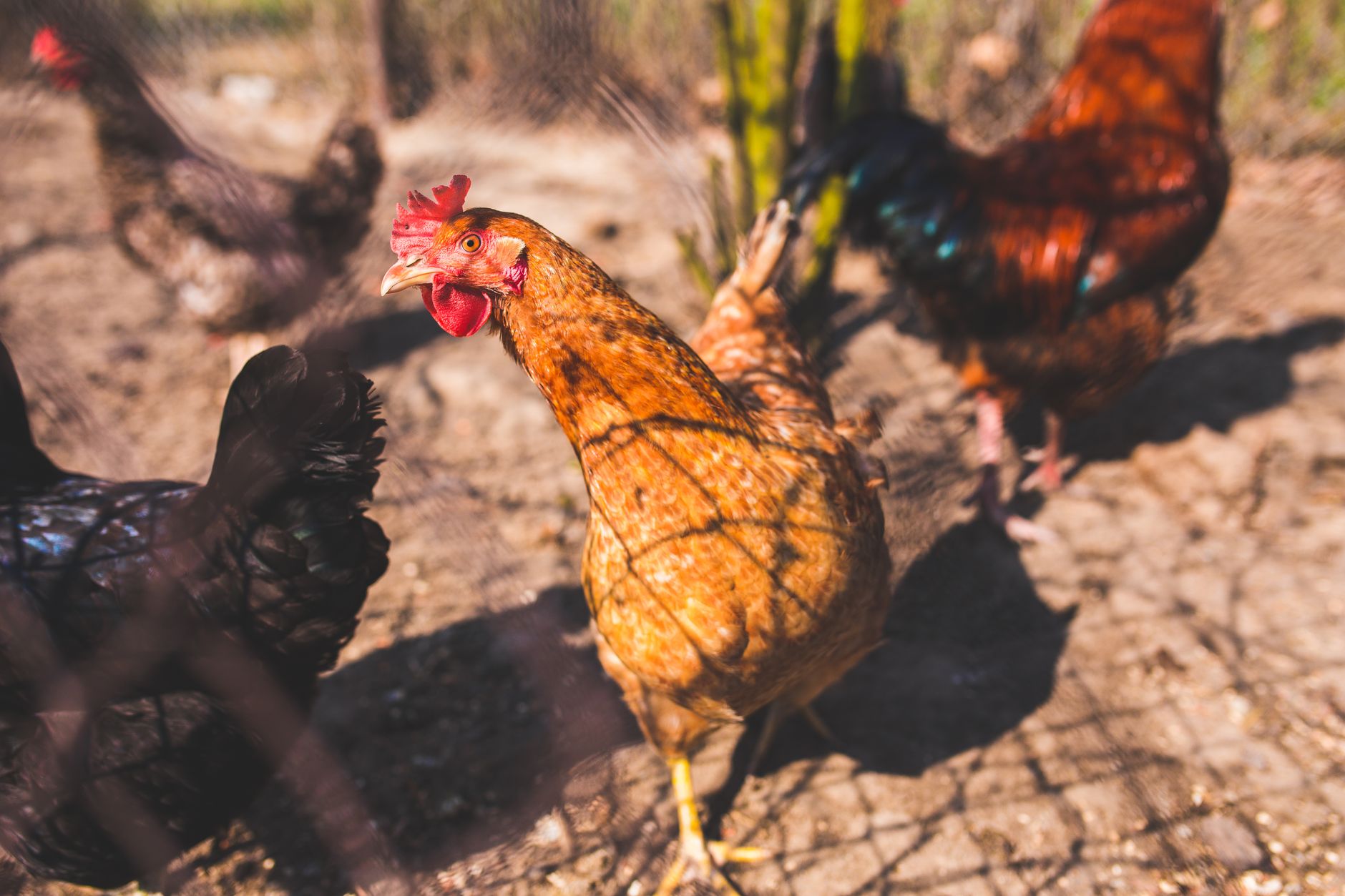
To raise goats, start by choosing the right breed for your purpose (dairy, meat, fiber, or pets). You'll need secure fencing (at least 4-5 feet tall, woven wire or electric), a three-sided shelter for protection from weather, access to clean water, and quality hay or pasture. Goats are browsers (they prefer shrubs and weeds over grass), so provide browse or hay. Supplement with a goat-specific mineral mix. You'll need 1-2 goats minimum (they are herd animals). Plan for hoof trimming every 4-6 weeks, deworming as needed, and annual vaccinations. Goats are curious, intelligent, and rewarding—but they require commitment.
What you will need
Choose the Right Goat Breed for Your Purpose

Dairy Breeds: Nubian (high butterfat, talkative), Saanen (high production, calm), Alpine (hardy, good production), LaMancha (very calm, good milk), Oberhasli (beautiful, good milk).
Meat Breeds: Boer (most popular, fast-growing), Kiko (hardy, good for rough conditions), Spanish (hardy, good for brush control).
Fiber Breeds: Angora (mohair), Cashmere (cashmere), Pygora (cross between Angora and Pygmy).
Pet Breeds: Pygmy (small, friendly), Nigerian Dwarf (tiny, great milk, friendly), Miniature breeds.
Dual-Purpose: Some breeds can be used for both milk and meat (e.g., Nubian, Alpine).
Start simple: For beginners, Nubian or Nigerian Dwarf (dairy) or Boer (meat) are excellent choices.
Provide Secure Fencing

Height: Fencing should be at least 4-5 feet tall. Goats can jump (especially if motivated), so taller is better.
Woven wire: The gold standard. Woven wire fencing (like field fence) with 4x4 inch squares is strong and holds goats in. Add a strand of electric wire at the top and bottom for extra security.
Electric fence: A good option, especially for rotational grazing. Requires a reliable energizer and regular maintenance. Goats quickly learn to respect electric fencing.
Barbed wire: Not recommended. Barbed wire can injure goats (they get tangled and cut).
Horse fencing: Excellent—goats can't climb through it. Use 2x4 inch mesh horse fencing.
Gates: Secure with strong latches. Goats can figure out simple latches—use a bolt or snap-lock.
Build a Proper Shelter

Three-sided shelter: A simple structure with a roof and three walls. Open side faces away from prevailing winds. This provides protection from weather and allows ventilation.
Space: Provide 15-20 square feet per goat inside the shelter. They need room to lie down, move around, and eat hay.
Flooring: A wooden floor raised off the ground or a gravel floor with good drainage. Avoid mud—it leads to hoof problems.
Bedding: Use straw, wood shavings, or hay. Replace regularly to keep the area dry and clean.
Hay feeder: Install a hay feeder (hay rack) to reduce waste. Goats waste hay if it's on the ground.
Water: Ensure water is available at all times. Use a trough or bucket that's not easily tipped over.
Provide Proper Nutrition
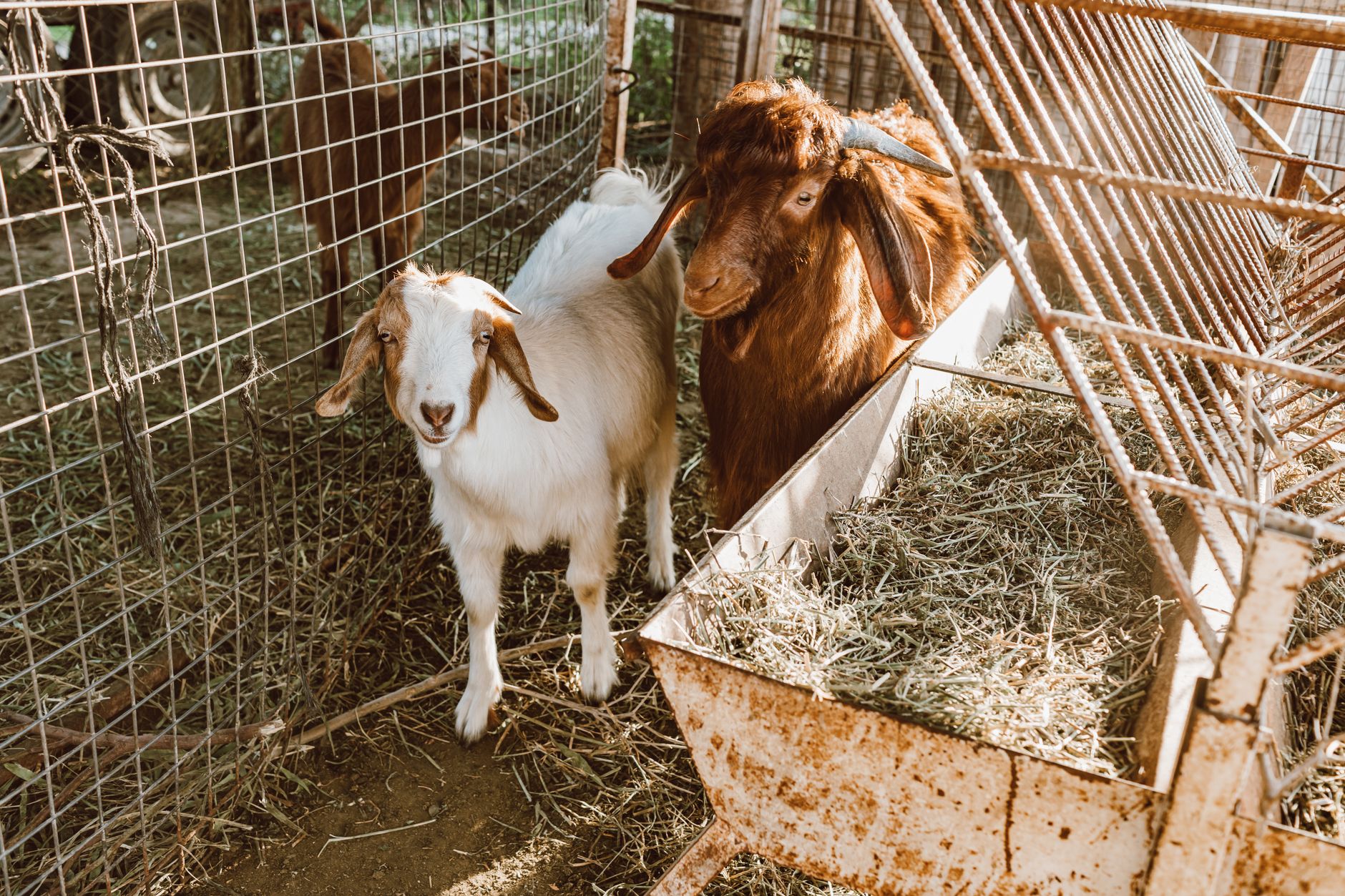
Hay: The foundation of a goat's diet. Provide good quality grass hay (timothy, orchard grass, or alfalfa for milkers). Goats need 3-5% of their body weight in hay daily.
Browse: Goats are browsers—they eat shrubs, bushes, weeds, and tree leaves. If they have access to pasture, they'll prefer brush and weeds over grass.
Grain: Only for milkers (lactating does), growing kids, or underweight goats. Use a goat-specific grain (not horse or cow feed).
Minerals: Goats need a loose mineral supplement specifically for goats (not cattle or sheep). Provide free-choice in a mineral feeder.
Water: Fresh, clean water 24/7. Goats drink 1-3 gallons per day (more in hot weather or for milkers).
Baking soda: Provide free-choice baking soda to help digestion and prevent bloat.
Understand Herd Behavior and Social Needs

Never get just one goat: Goats are herd animals. They need at least one companion (another goat) to be happy and healthy. A single goat will be stressed, loud, and hard to manage.
Herd size: Start with 2-3 goats. This is manageable and gives them social interaction.
Pecking order: Goats establish a hierarchy. This is normal—there will be some butting and chasing. Unless it's violent, let them work it out.
Separation: If you need to separate a goat (for health or milking), keep it in sight of the others.
Bucks and does: Keep bucks (males) separate from does (females) unless you're breeding. Bucks have a strong odor and can be aggressive.
Breeding and Kidding

When to breed: Does come into heat (estrus) every 18-24 days in fall. Breeding season is usually August-January.
Age: Does can be bred at 7-10 months (or when they reach 80% of adult weight). Bucks can breed at 8-10 months.
Gestation: Goats are pregnant for 150 days (5 months). Kids are usually born 5 months after breeding.
Kidding: Prepare a clean, dry kidding area. Have supplies ready: towels, iodine (for navel dip), a thermometer, and colostrum (or colostrum replacer).
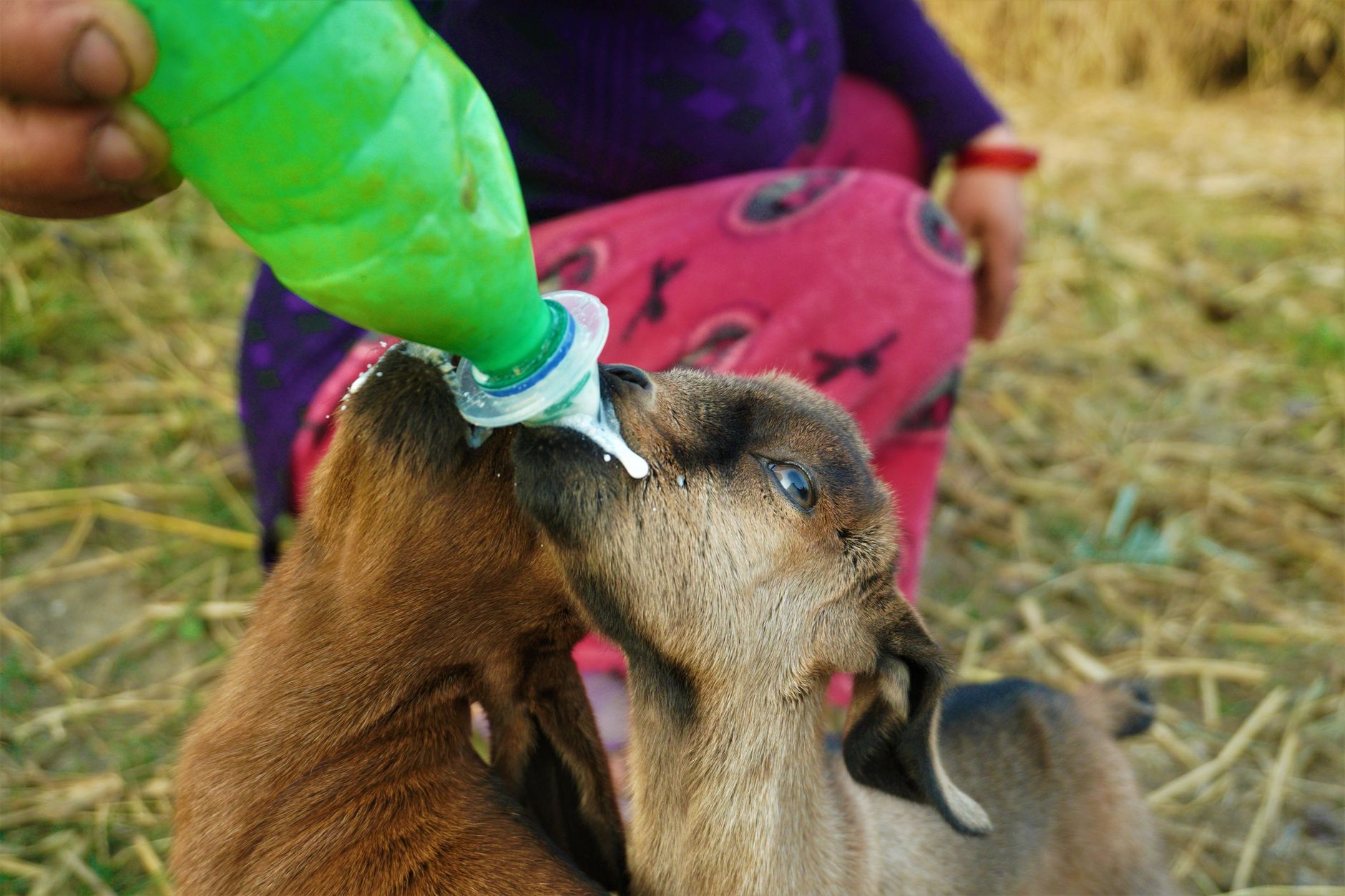
After kidding: Kids need colostrum (first milk) within 1-2 hours. Ensure they nurse or bottle-feed. Trim the umbilical cord and dip in iodine.
Buck management: Keep bucks separate from does (they can breed as early as 2 months old).
Health Care and Hoof Trimming

Hoof trimming: Goats need their hooves trimmed every 4-6 weeks. Overgrown hooves can cause lameness and infection. Use sharp hoof trimmers and trim to the sole level.
Vaccinations: Annual vaccinations for tetanus and Clostridial diseases (CD&T) are essential. Worming may be needed 2-4 times a year.
Parasites: Goats are susceptible to internal parasites (worms). Monitor for signs (diarrhea, weight loss, pale eyelids). Use fecal testing to determine if worming is needed.
Common health issues: Bloat (overeating), urinary calculi (stones in males—avoid high-grain diets), and mastitis (udder infection in milkers).
When to call the vet: If a goat is off-feed, has a high fever (over 103°F), is lying down and can't rise, or has severe diarrhea.
Daily Routine and Management
Morning: Check water, top up hay, and observe each goat (look for signs of illness). Feed grain to milkers. Milk if you have dairy goats.
Evening: Check water again, top up hay if needed. Provide minerals. Check the shelter for cleanliness.
Weekly: Check fencing for damage, refill mineral feeders, and observe hoof growth.
Monthly: Trim hooves if needed, check for parasites, and record weights.
Seasonal: Spring: kidding season (prepare). Summer: fly control, ensure shade. Fall: breeding season (prepare). Winter: provide extra hay and ensure water doesn't freeze.
Common problems and fixes
| Problem | Likely cause | What to do |
|---|---|---|
| Goat is coughing or has runny nose | Respiratory infection, dust, or pneumonia. | Isolate if possible, ensure good ventilation, and consult a vet if severe. |
| Goat is limping | Overgrown hoof, abscess, or injury. | Check hoof, trim if needed. If abscess, soak in warm Epsom salt and consult a vet. |
| Goat is not eating | Illness, stress, or bloat. | Check temperature (should be 101.5-103.5°F). If fever, consult a vet. Check for bloating. |
| Goat is rubbing against fences or scratching | External parasites (lice, mites). | Treat with a permethrin-based spray or dust. Maintain clean bedding. |
Gardener's checklist
Test what you learned
How many goats should you start with?
Answer: 2-3
What is the best type of fencing for goats?
Answer: Woven wire or electric
How often should you trim goat hooves?
Answer: Every 4-6 weeks
What is the gestation period for goats?
Answer: 150 days
Common questions
Can I keep a goat in my backyard?
Yes, but check local zoning laws. Many urban and suburban areas allow goats (with limits on number). Goats need space (at least 200-300 square feet per goat), secure fencing, and proper shelter.
Do goats make good pets?
Yes! Goats are intelligent, curious, and affectionate. They can be trained to walk on a leash, learn their names, and are excellent companions for children and adults. They need companions (other goats) and proper care.
What do goats eat?
Goats are browsers—they eat shrubs, bushes, leaves, weeds, and brush. They also need good quality hay, fresh water, and a goat mineral supplement. Grain is only for milkers, growing kids, or underweight goats.
Do goats smell bad?
Female goats (does) have little odor. Male goats (bucks) in rut (breeding season) have a strong, musky odor. Keep bucks separated from does if you're sensitive to smells. Proper cleaning of the shelter also controls odor.
How long do goats live?
Goats typically live 10-15 years, with some reaching 18-20 years with good care. They're a long-term commitment.
Raising goats is a rewarding experience that provides milk, meat, fiber, and companionship. Start with the right breed for your purpose, build secure fencing, provide a three-sided shelter, and offer good nutrition (hay, browse, minerals). Never keep a goat alone—they are social animals and need companions. Regular hoof trimming (every 4-6 weeks), annual vaccinations, and daily observation are essential for health. With consistent care, goats are hardy, intelligent, and loving animals that will become valued members of your homestead.
Frequently asked questions
How often should a vegetable garden be watered?
Frequency depends on weather, soil and plant size. Check the soil rather than watering on a rigid schedule.
Is compost enough fertilizer?
Compost improves soil and provides nutrients slowly. Heavy-feeding crops may still need additional feeding.

The Sproutstead Editorial Team
We create clear, practical gardening and homesteading guides designed for real homes and beginner growers.
View author profile →