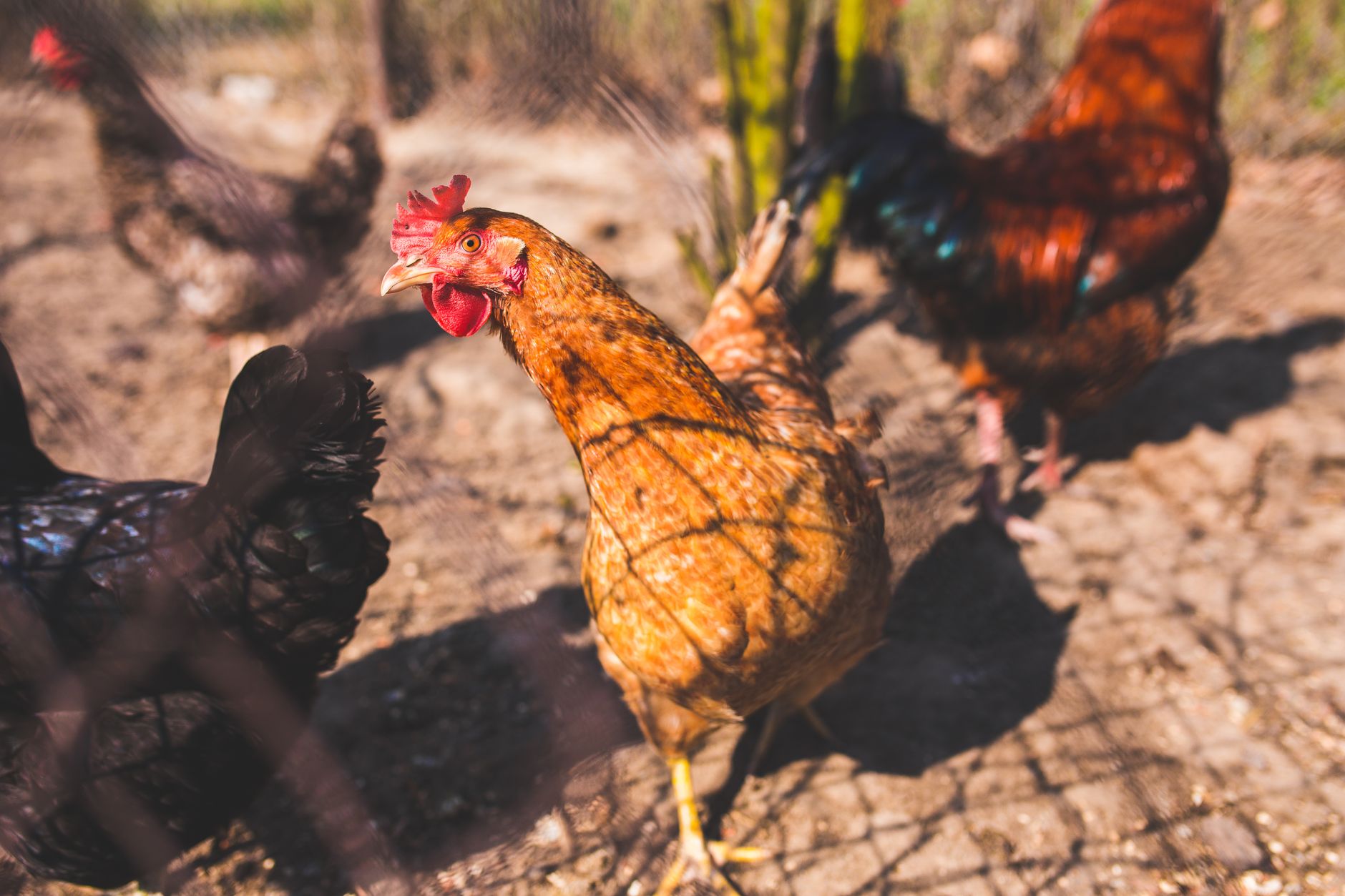
Raising turkeys starts with choosing the right breed—Broad Breasted White for fast growth, or heritage breeds (Bourbon Red, Narragansett) for flavor and foraging. Brooder baby poults at 95-100°F for the first week, lowering by 5°F weekly. Provide 24-28% protein starter feed for the first 8 weeks, then 20-22% grower feed. Turkeys need 4-5 square feet per bird indoors and 20+ square feet outdoors. They're more sensitive than chickens—keep them warm, dry, and free from drafts. Processing time varies by breed: 12-16 weeks for commercial types, 20-28 weeks for heritage. A rewarding but more demanding poultry experience.
What you will need
Choose the Right Turkey Breed
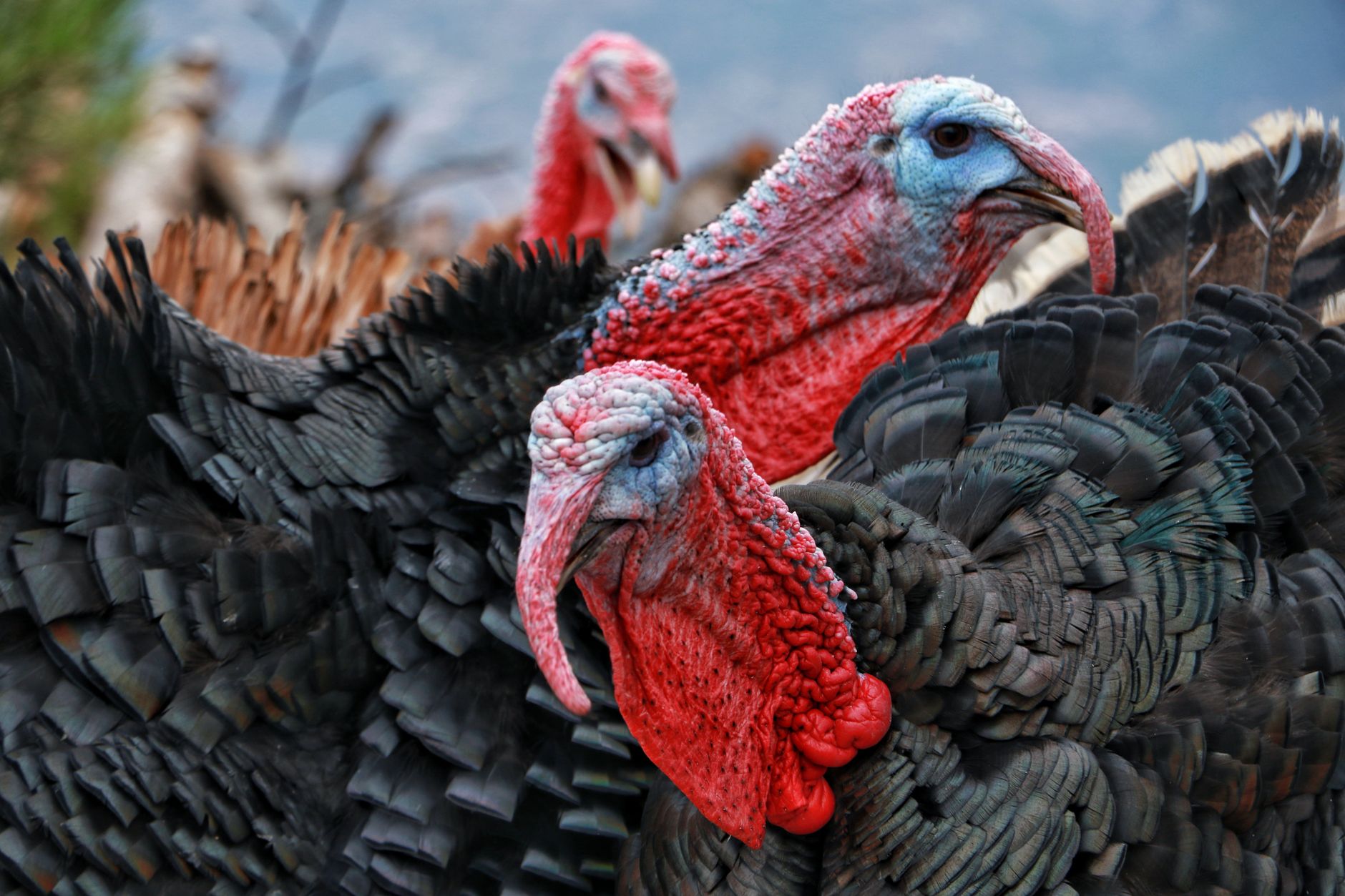
Broad Breasted White: The commercial turkey breed. Fast-growing, heavy, and produces the familiar grocery store turkey. Ready in 12-16 weeks. Needs careful management—too much weight can cause leg problems.
Broad Breasted Bronze: Similar to White but with a different color. Fast-growing but less common.
Bourbon Red: A heritage breed. Good for meat, friendly, good foragers. Ready in 20-24 weeks. Known for excellent flavor.
Narragansett: Hardy, good foragers, good mothers. Ready in 24-28 weeks. Excellent for pasture-based systems.
Standard Bronze: Large, good foragers, good mothers. Ready in 24-28 weeks. Traditional breed with good flavor.
Royal Palm: Smaller, ornamental, good foragers. Less meat but beautiful. Good for breeding and pets.
Which is best for beginners? Broad Breasted White is easiest for meat production—they grow fast and are widely available. Heritage breeds are more forgiving but take longer.
Brood Poults Correctly

Temperature: Start at 95-100°F for the first week. Lower by 5°F each week until they're fully feathered (around 8 weeks).
Heat lamp: Use a heat lamp with a red bulb (reduces pecking). Position 18-24 inches above the brooder floor.
Space: Provide ½ square foot per poult for the first 2 weeks, increasing to 1 square foot by week 4.
Temperature check: Poults should be evenly distributed under the lamp. If they huddle, they're cold. If they spread to the edges, they're too hot.
Duration: Poults need a heat source for 6-8 weeks. They're fully feathered and can handle cooler temperatures by then.
Provide Proper Feed and Water
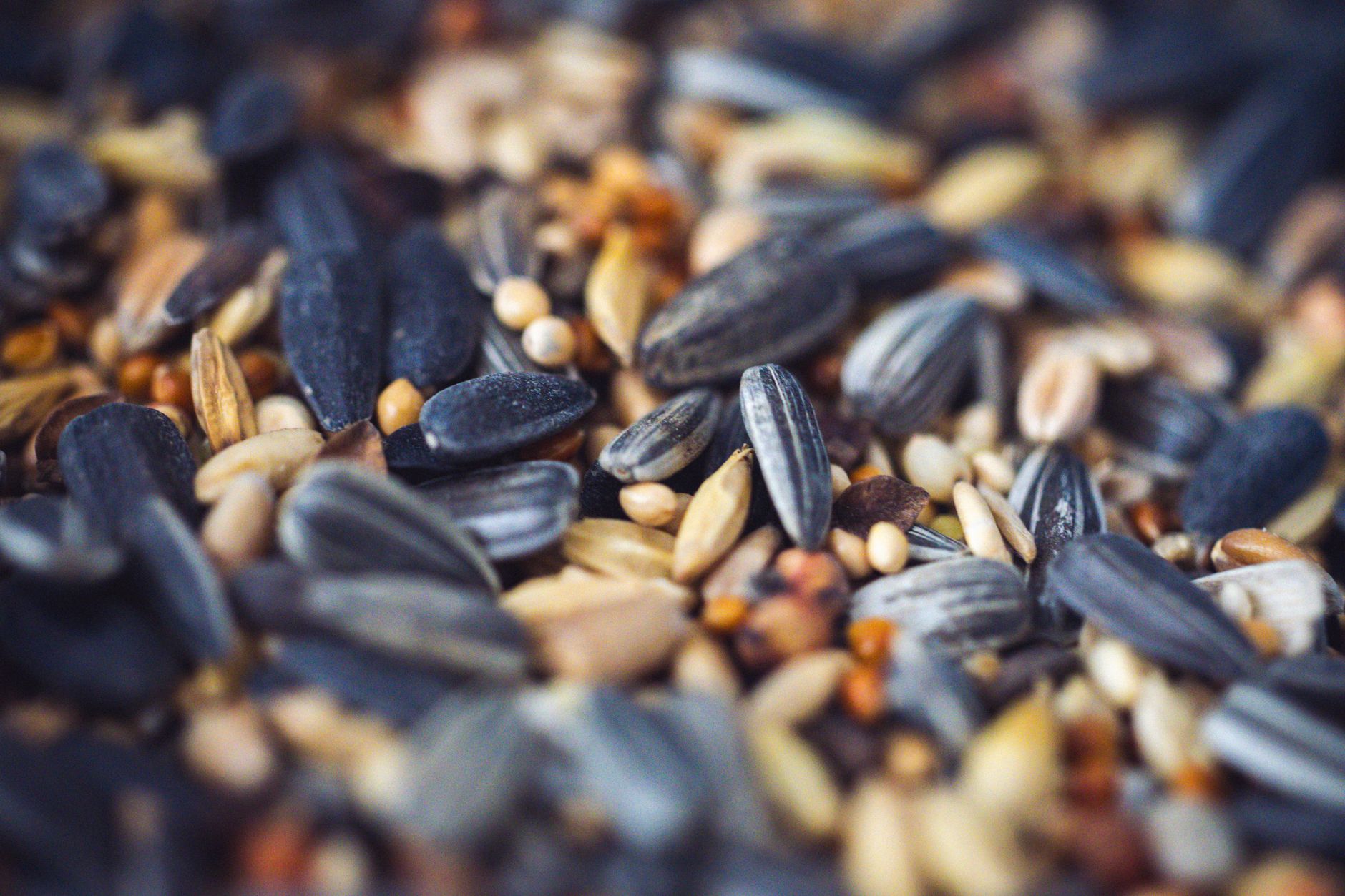
Starter feed (0-8 weeks): 24-28% protein. Use a turkey starter specifically formulated for poults. Chicken starter is too low in protein.
Grower feed (8-16 weeks): 20-22% protein. Transition gradually over 5-7 days to prevent digestive upset.
Finisher feed (16+ weeks): 18-20% protein. This is optional—many keepers continue grower feed until processing.
Water: Provide fresh, clean water at all times. Use a waterer that prevents drowning (turkey poults are clumsy).
How to feed: Place feed in a shallow, sturdy feeder. Turkey poults eat frequently—keep feed available at all times.
House Turkeys Properly

Indoor space: Provide 4-5 square feet per turkey inside the shelter. For 10 turkeys, that's 40-50 square feet.
Outdoor space: Provide at least 20 square feet per turkey in the run (or free-range).
Shelter features: Three-sided or fully enclosed shelter. Must be dry, draft-free, and predator-proof.
Roosts: Heritage breeds will roost. Provide 1-2 foot of roosting space per bird. Broad Breasted turkeys often don't roost.
Bedding: Use straw, wood shavings, or sand. Clean regularly to prevent disease.
Ventilation: Essential—moisture and ammonia build up quickly. Install vents above roosting height.
Provide Fencing and Pasture

Fencing: Turkeys can fly (especially heritage breeds). Use 5-6 foot fencing or clip one wing to prevent flying.
Pasture: Turkeys are excellent foragers. They eat grass, insects, and seeds. This reduces feed costs.
Rotational grazing: Move turkeys to fresh pasture regularly. This reduces parasites and provides fresh forage.
Predator protection: Turkeys are vulnerable to predators (foxes, raccoons, dogs, hawks). Use hardware cloth, electric fencing, and secure housing.
Manage Turkey Health

Blackhead disease: The #1 health risk in turkeys. Caused by a parasite transmitted by chickens. Keep turkeys and chickens separate for the first 8-10 weeks.
Coccidiosis: Common in poults. Prevent with medicated feed or coccidiostat. Keep bedding dry.
Respiratory diseases: Common if ventilation is poor. Provide clean, dry air.
Leg problems: In heavy breeds (Broad Breasted White), leg problems are common. Keep them on soft bedding, limit rapid growth (don't overfeed), and provide enough space.
Vaccinations: Many hatcheries vaccinate for Marek's disease and other diseases. Ask your supplier.
Daily observation: Watch for signs of illness: lethargy, loss of appetite, drooping wings, or sneezing.
Prepare for Processing

When to process: Broad Breasted White (12-16 weeks), Broad Breasted Bronze (14-18 weeks), Heritage breeds (20-28 weeks).
Weight: A Broad Breasted White will weigh 15-25+ lbs by 16 weeks. Heritage breeds weigh 10-15 lbs by 24 weeks.
Preparation: Withhold food for 12 hours before processing (but provide water). This clears the digestive tract.
Equipment: Processing cone, sharp knife, scalding pot (140-150°F), plucker (or hand pluck), and evisceration table.
Where to process: You can process at home (check local regulations). Many small farms offer processing services.
Timing: Processing takes 15-30 minutes per bird once you're practiced. Plan a full day for multiple birds.
Keep Turkeys as Breeding Stock
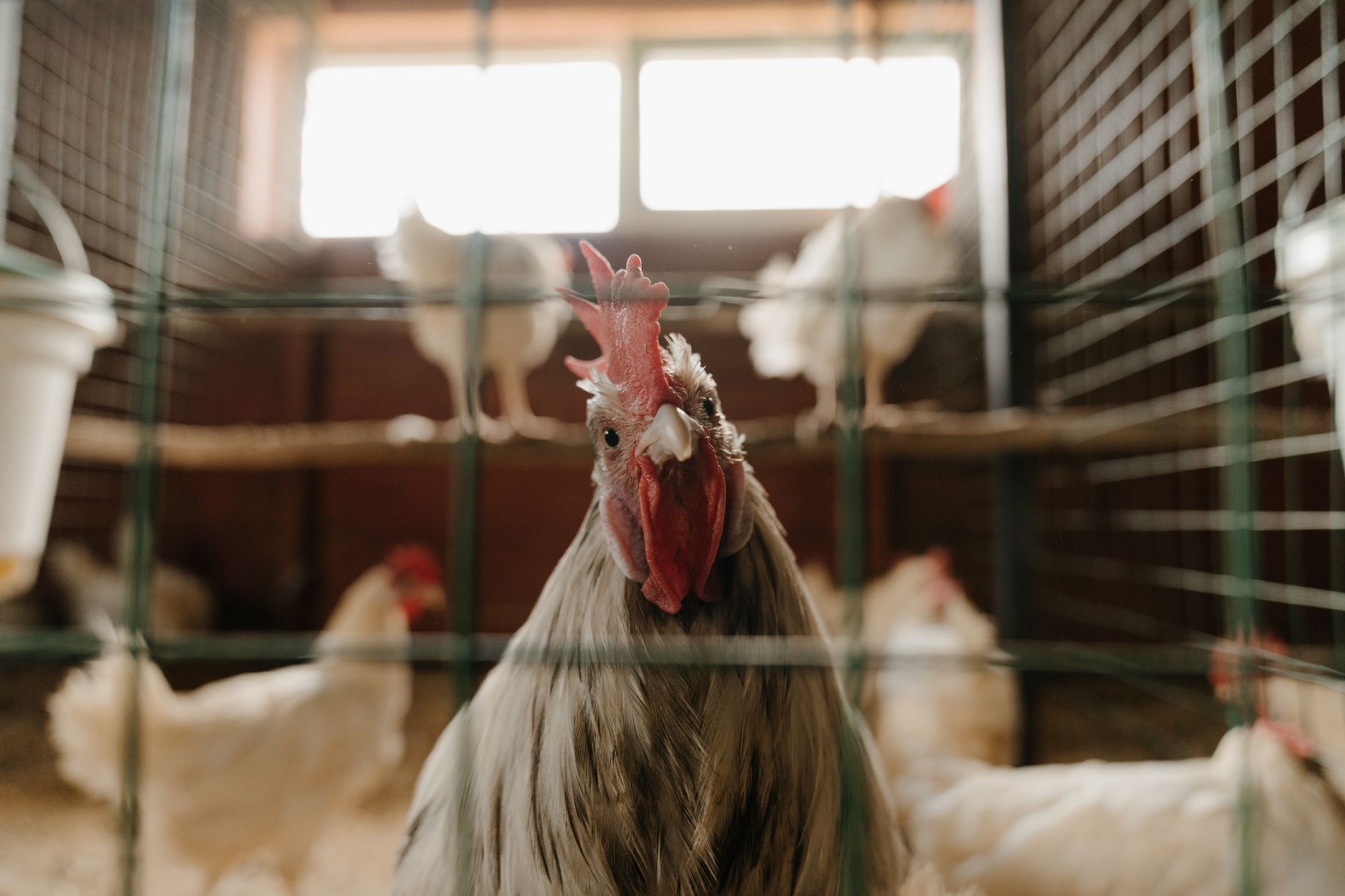
Ratio: 1 tom (male) to 10-12 hens. A tom can breed up to 15 hens, but fertility may decrease.
Breeding season: Spring (March-May). Toms display and breed, hens lay eggs.
Hatching: Hen will lay 10-15 eggs and sit for 28 days. Turkeys are excellent mothers.
Raising poults: If you want to hatch poults, you can use an incubator or let the hen do it.
Which breeds: Heritage breeds (Bourbon Red, Narragansett, Standard Bronze) are best for breeding. Commercial breeds may not reproduce well.
Common problems and fixes
| Problem | Likely cause | What to do |
|---|---|---|
| Poults are dying in the first week | Too cold, too hot, or disease. | Check temperature (95-100°F). Ensure they have space to move away from heat. Keep bedding dry. |
| Turkeys are not gaining weight | Poor nutrition, disease, or parasites. | Check feed (is it starter/grower?). Check for signs of illness. Worm if needed. |
| Turkeys are flying out of the run | Fence is too low or wings aren't clipped. | Use 5-6 foot fencing or clip one wing (not both). |
| Turkeys have diarrhea | Coccidiosis, poor diet, or stress. | Check for coccidiosis. Ensure feed is correct. Reduce stress. Consult a vet if severe. |
Gardener's checklist
Test what you learned
What protein percentage should starter feed have for turkeys?
Answer: 24-28%
What is the main health risk for turkeys from chickens?
Answer: Blackhead disease
How much indoor space does a turkey need?
Answer: 4-5 sq ft
When is a Broad Breasted White turkey ready for processing?
Answer: 12-16 weeks
Common questions
Can I raise turkeys with chickens?
Yes, but keep them separated for the first 8-10 weeks. Chickens carry blackhead disease, which is deadly to turkeys. After that, they can live together.
Are turkeys hard to raise?
They're more demanding than chickens. They need higher protein feed, more space, and are more sensitive to disease. But with proper care, they're rewarding.
How much does a turkey cost to feed?
A turkey eats about 0.5-1 lb of feed per day (depending on age). To raise to 16 weeks, budget $15-25 per turkey in feed costs.
Can I keep turkeys as pets?
Yes! Turkeys can be friendly and affectionate pets. Heritage breeds make good companions. They're intelligent and can learn to recognize their names.
Do turkeys need a roost?
Heritage breeds will roost—provide 1-2 feet of roosting space per bird. Broad Breasted turkeys often don't roost (they're too heavy).
Raising turkeys is more demanding than chickens, but the rewards—delicious, homegrown meat—are worth the effort. Start with the right breed for your goal (Broad Breasted White for fast growth, heritage for flavor and foraging), provide high-protein feed (24-28% starter, 20-22% grower), and keep them separated from chickens for the first 8-10 weeks to prevent blackhead disease. Give them 4-5 square feet indoors and 20+ square feet outdoors, protect them with secure fencing, and process at the right time (12-16 weeks for broad breasted, 20-28 for heritage). With good management, you'll enjoy a successful turkey-raising season.
Frequently asked questions
How often should a vegetable garden be watered?
Frequency depends on weather, soil and plant size. Check the soil rather than watering on a rigid schedule.
Is compost enough fertilizer?
Compost improves soil and provides nutrients slowly. Heavy-feeding crops may still need additional feeding.

The Sproutstead Editorial Team
We create clear, practical gardening and homesteading guides designed for real homes and beginner growers.
View author profile →