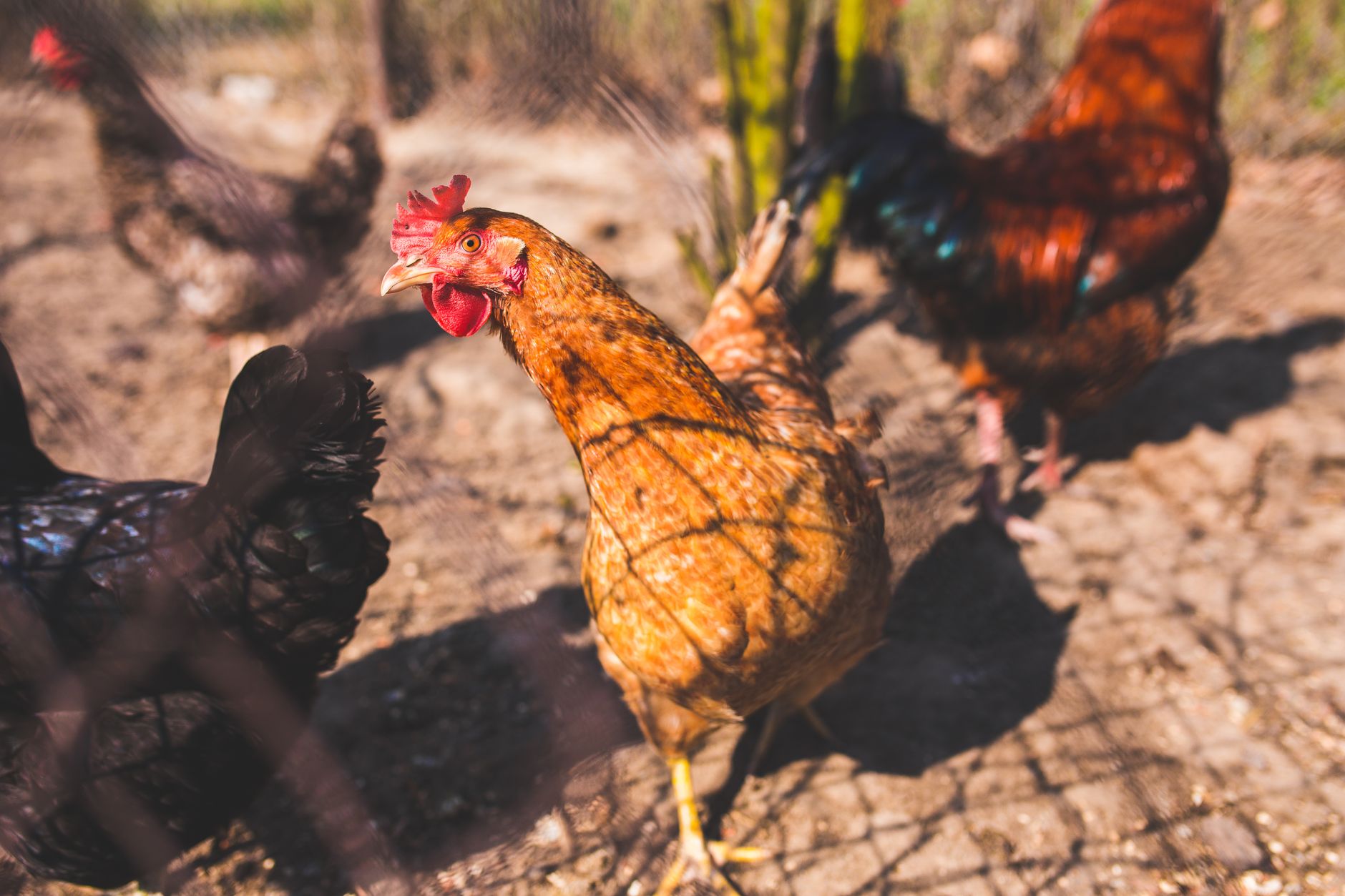
Raising ducks is similar to chickens but with a few key differences: ducks need access to water for swimming (a small kiddie pool works), they need 20-22% protein feed (higher than chickens), and they're more cold-hardy. Choose breeds like Pekin (meat), Khaki Campbell (eggs), or Runner (eggs). Provide 4-5 square feet per duck in the coop and 10+ square feet in the run. Ducks are messy—they love water and will splash it everywhere. They're hardier than chickens, less susceptible to disease, and excellent foragers. They also lay larger, richer eggs than chickens.
What you will need
Choose the Right Duck Breed for Your Goal
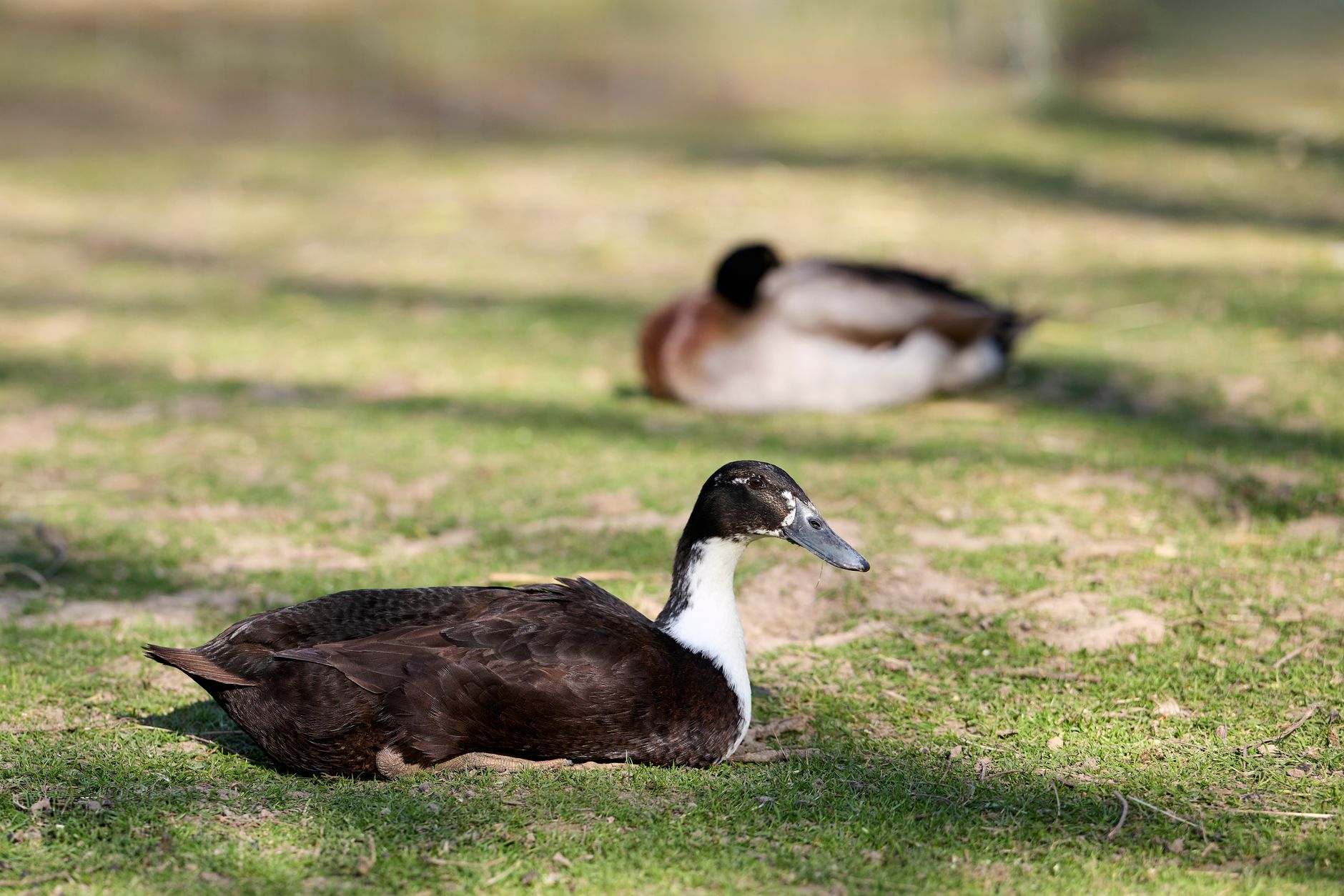
Egg Breeds: Khaki Campbell (250-300 eggs/year), Indian Runner (200-280 eggs/year), Welsh Harlequin (240-280 eggs/year).
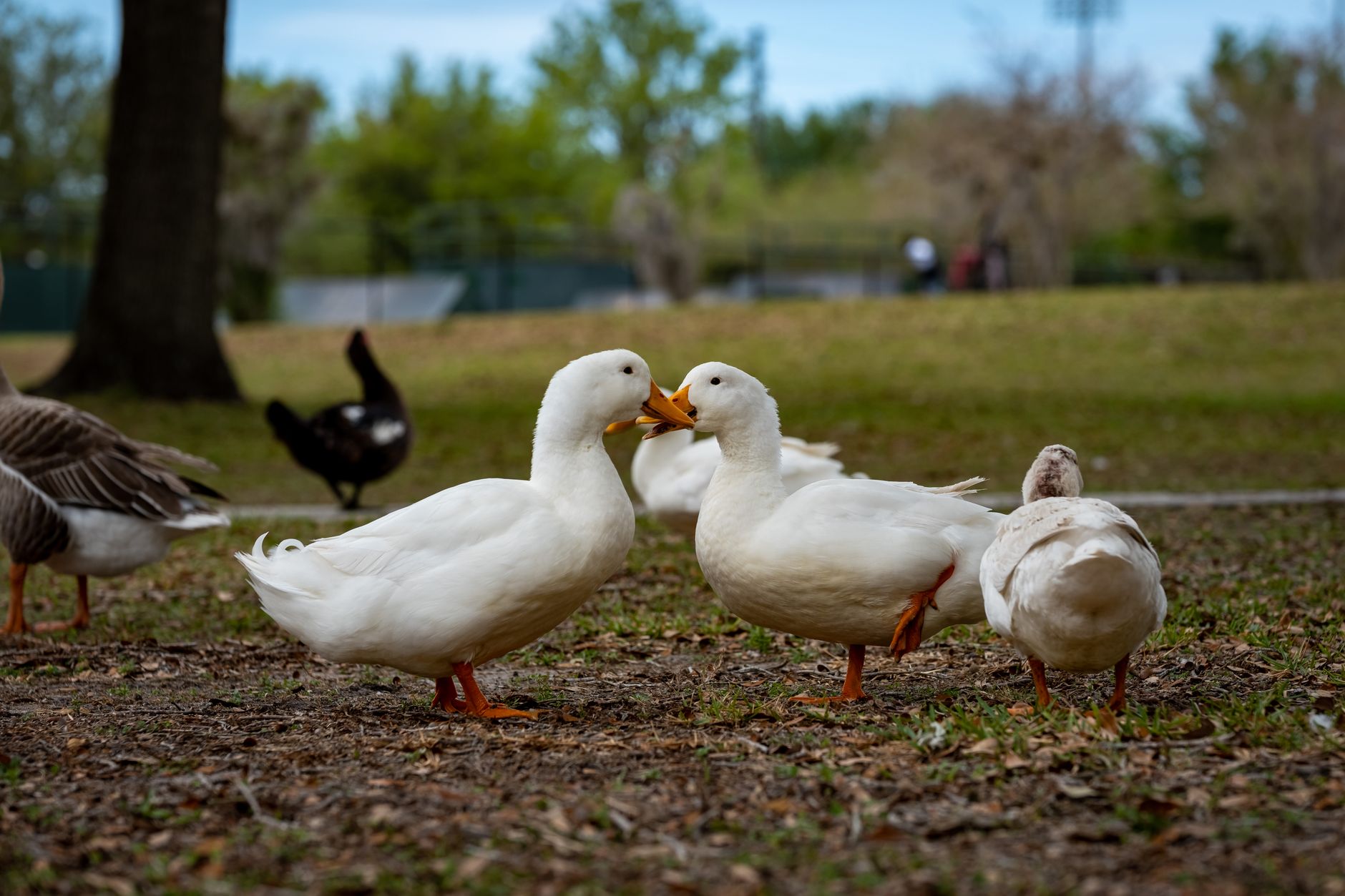
Meat Breeds: Pekin (ready in 7-8 weeks, 5-7 lbs), Muscovy (ready in 12-16 weeks, 6-10 lbs), Aylesbury (8-10 lbs).
Dual-Purpose: Orpington (good eggs and meat), Rouen (good eggs and meat).
Pet Breeds: Call ducks (small, vocal, and friendly), Cayuga (calm, beautiful iridescent feathers).
Best for beginners: Khaki Campbell (great layers, friendly) or Pekin (fast-growing meat, friendly).
Muscovy: Unique—they're quiet, good foragers, and can produce meat without a pond.
Set Up Duck Housing
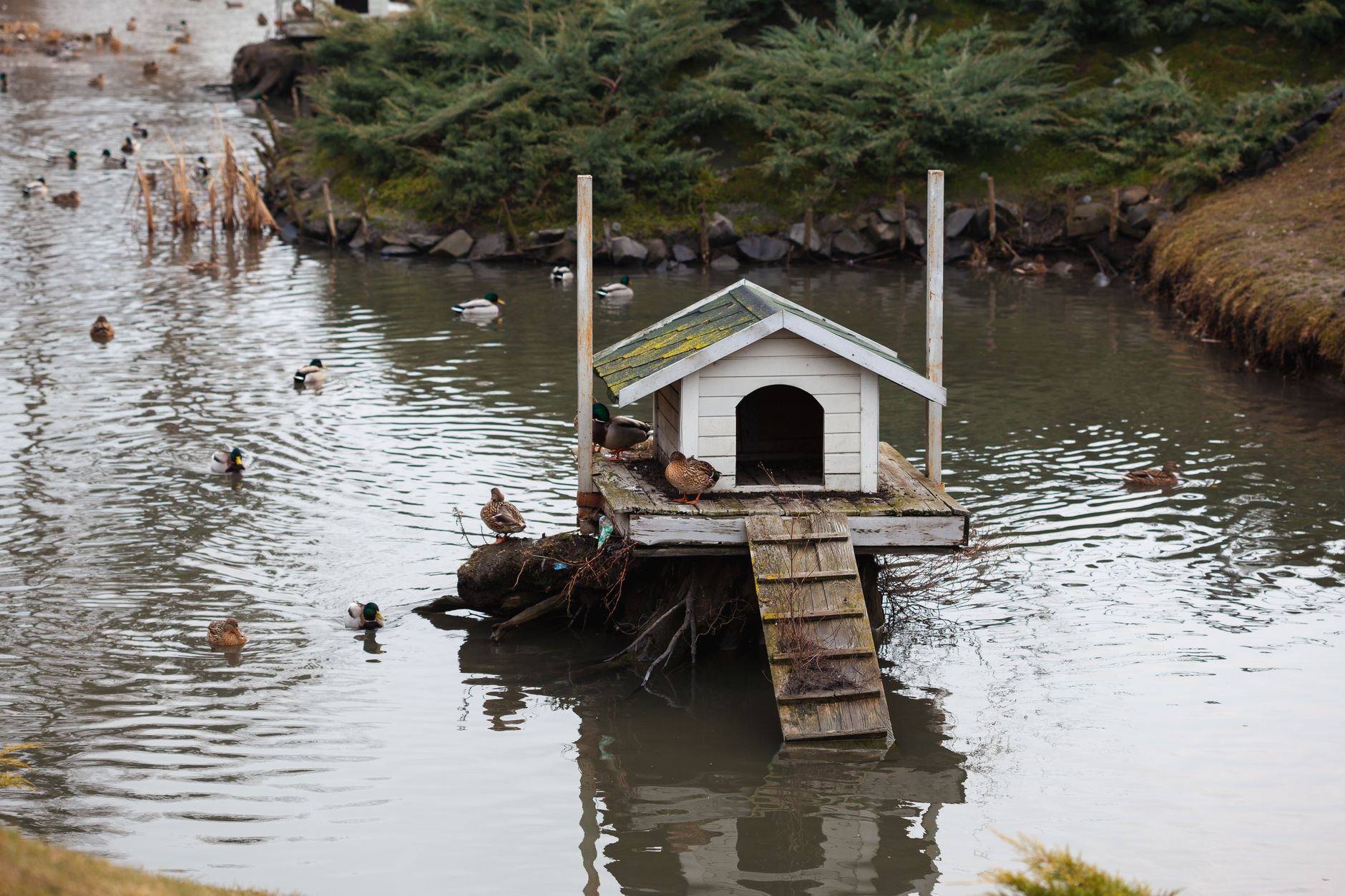
Space: Provide 4-5 square feet per duck inside the coop and 10+ square feet in the run.
Water access: Ducks need water for swimming—a kiddie pool or shallow pond works. Place it in the run, not the coop.
Bedding: Use straw or wood shavings. Ducks are messy—change bedding frequently.
Nesting boxes: Provide boxes that are larger than chicken boxes (14x14x14 inches). Place them on the ground (ducks don't roost).
Ventilation: Good ventilation is essential—ducks produce more moisture than chickens.
Location: Place the coop in a well-drained area—ducks are messy and create mud.
Provide Proper Feed and Nutrition
Starter feed (0-4 weeks): 20-22% protein. Use a duck starter specifically formulated for ducklings.
Grower feed (4-16 weeks): 20-22% protein. Ducks grow fast—they need the protein.
Layer feed (16+ weeks): 16-18% protein. For laying ducks, add calcium (oyster shells) separately.
Water: Ducks need 3-4 times more water than chickens. Provide fresh, clean water at all times.
Foraging: Ducks love insects, slugs, snails, and grass. Free-ranging reduces feed costs.
Avoid: Bread and junk food—it's not nutritious for them.
Manage Water Requirements
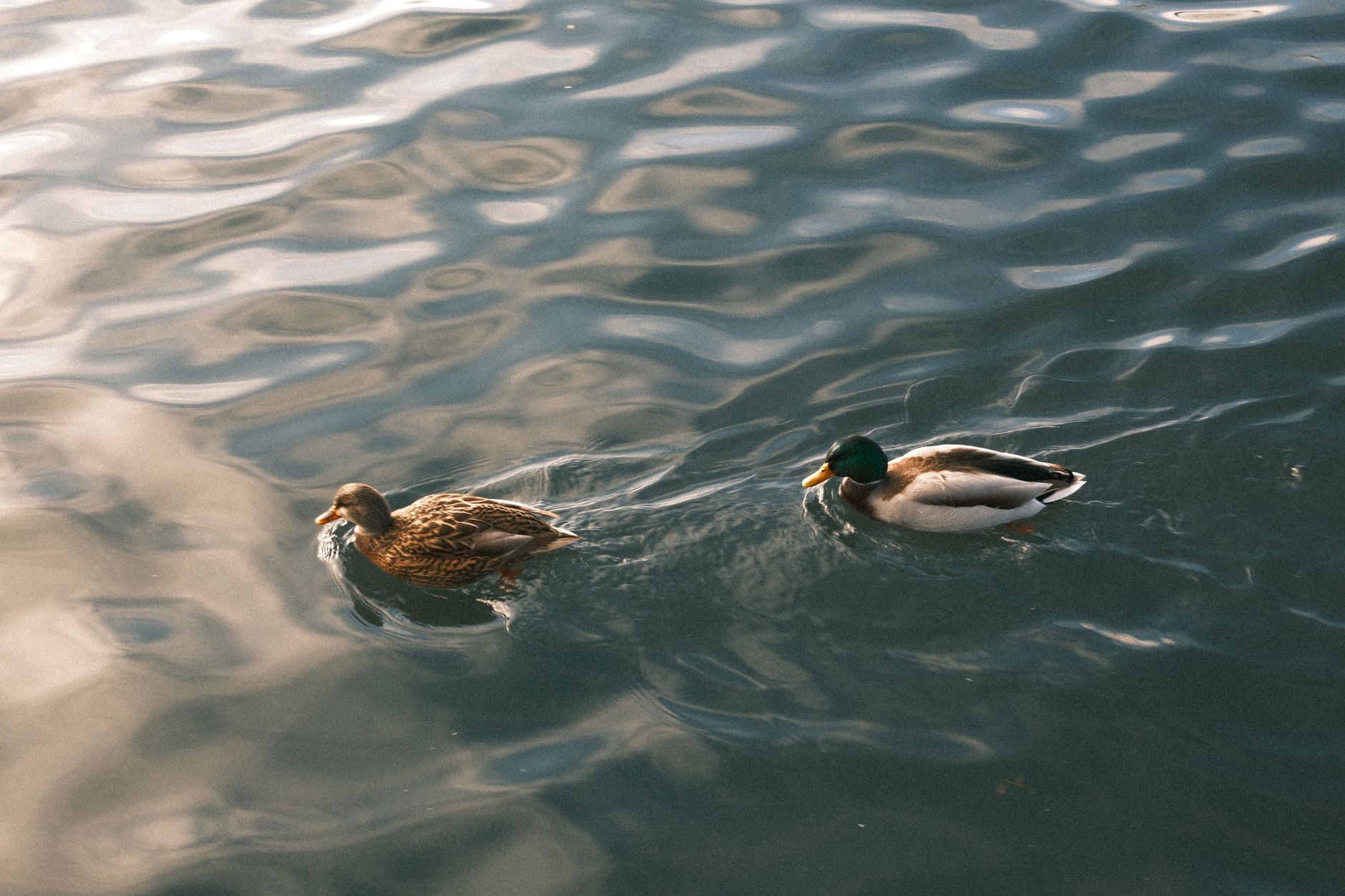
Swimming water: Provide a kiddie pool or shallow pond for swimming. Clean it regularly—ducks make it dirty quickly.
Drinking water: Ducks need clean drinking water 24/7. Use a waterer that's large enough for them.
Water quality: Change swimming water daily (or more often). Dirty water breeds bacteria.
Winter: In cold climates, prevent water from freezing. Use heated waterers or break ice daily.
Why they need it: Water helps ducks clean their eyes, beaks, and feathers. It's essential for their well-being.
Protect Ducks from Predators
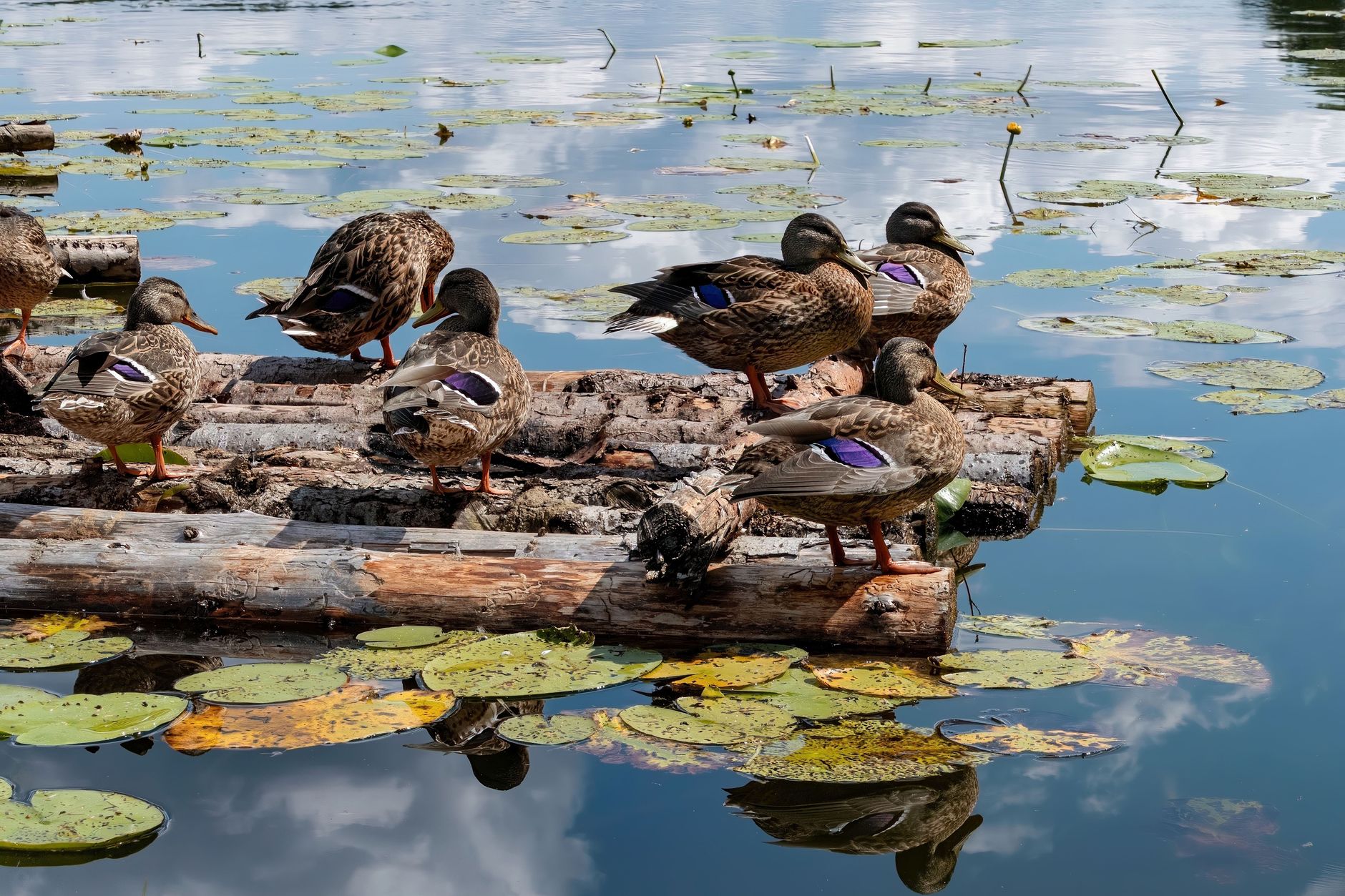
Fencing: Use 4-5 foot fencing. Ducks can't fly well (except Muscovy), so lower fencing works.
Hardware cloth: Cover the run with hardware cloth (not chicken wire) to protect from predators.
Night security: Lock ducks in the coop at night. They're most vulnerable after dark.
Predators: Foxes, raccoons, hawks, owls, and dogs are common threats.
Electric fence: A good option for pasture-raised ducks.
Understand Duck Health Care

Common issues: Duckling mortality (cold), foot problems (wounds on rough surfaces), and leg issues (nutrition).
Foot care: Ducks have sensitive feet. Keep them on soft surfaces (grass, straw). Avoid rough, hard surfaces.
Parasites: Less common than chickens, but check for lice and mites.
Vaccinations: Usually not necessary for backyard ducks—they're healthy birds.
When to call a vet: If a duck is not eating, has a drooping wing, or is lethargic.
Collect and Use Duck Eggs
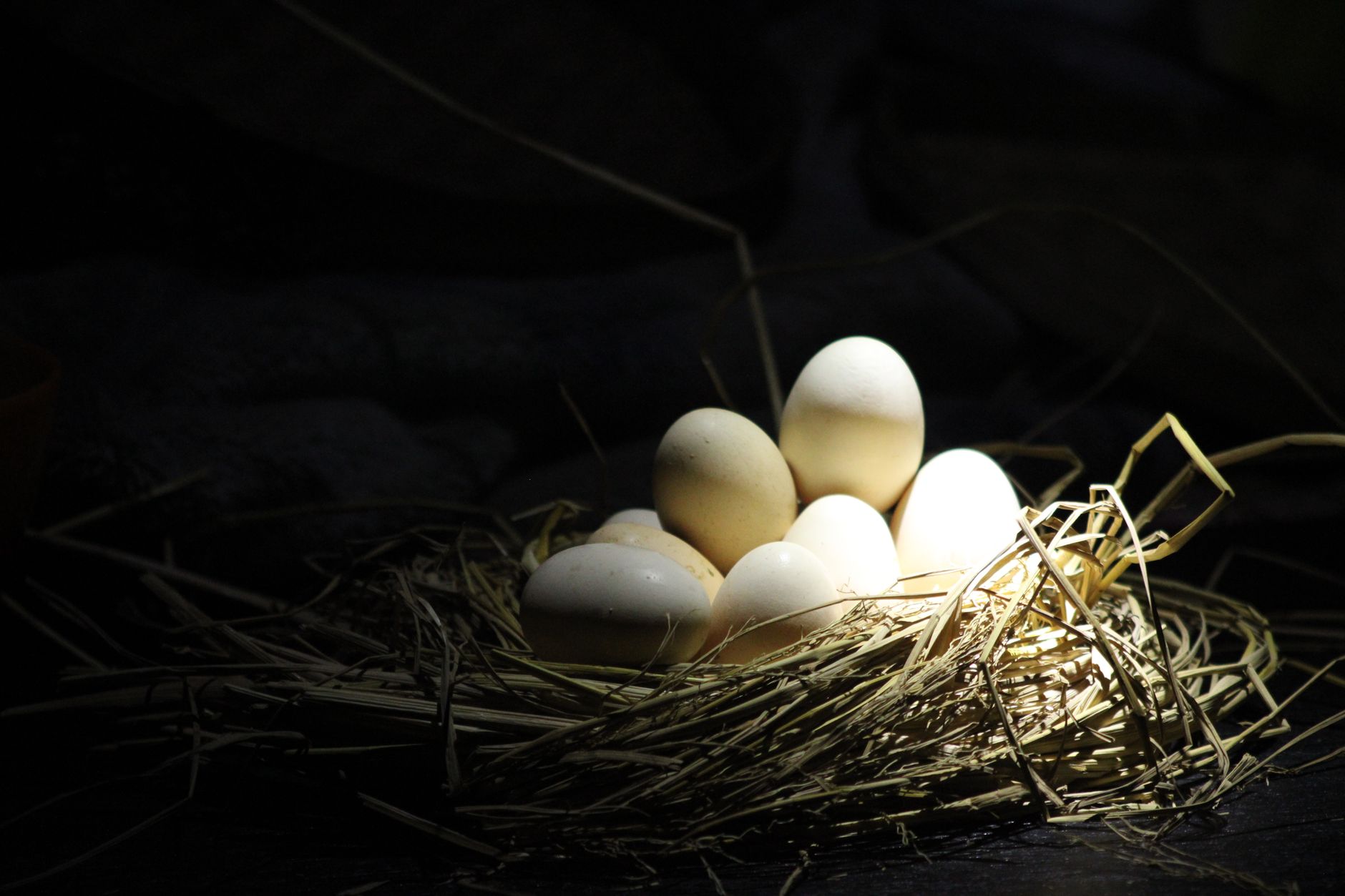
Egg production: Khaki Campbell (250-300 eggs/year), Runner (200-280 eggs/year).
Egg size: Duck eggs are larger than chicken eggs—about 1.5 times the size.
Egg flavor: Rich, creamy, and flavorful. Excellent for baking (cakes and pastries).
Collecting: Collect eggs daily—ducks often lay in the morning.
Storing: Duck eggs last longer than chicken eggs (up to 3-4 weeks refrigerated).
Plan for Seasonal Changes
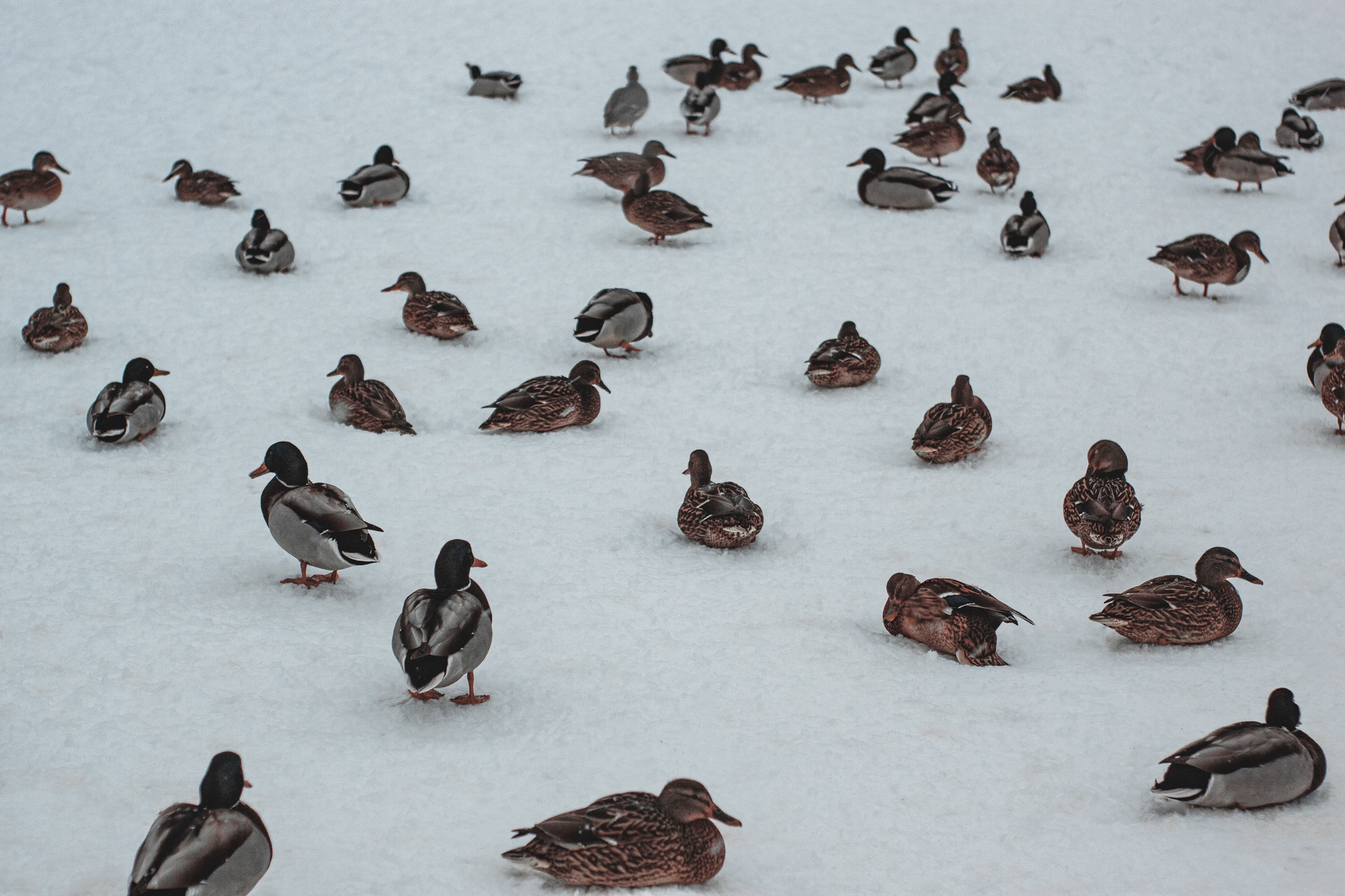
Winter: Ducks are cold-hardy. Provide dry bedding and shelter from wind. Prevent water from freezing.
Summer: Provide shade and plenty of fresh water. Swimming water helps them cool down.
Spring: Prepare for breeding (if you have males and females).
Fall: Increase feed for winter. Deep clean the coop.
Common problems and fixes
| Problem | Likely cause | What to do |
|---|---|---|
| Ducklings are dying in the first week | Too cold, too hot, or disease. | Check temperature (90-95°F for the first week). Keep bedding dry. |
| Ducks are not laying eggs | Stress, poor nutrition, or not enough water. | Check feed quality, provide fresh water, and ensure 14-16 hours of light. |
| Ducks are aggressive with each other | Overcrowding or too many males. | Add more space. Keep ratio: 1 drake per 3-5 females. |
| Ducks have muddy feet or leg issues | Wet, muddy environment. | Provide dry areas (coop with clean bedding). Keep the run dry if possible. |
Gardener's checklist
Test what you learned
What protein percentage should duck feed contain?
Answer: 20-22%
How much space does a duck need in the coop?
Answer: 4-5 sq ft
Which breed is best for egg production?
Answer: Khaki Campbell
Do ducks need water to swim?
Answer: Yes, they need access to water for swimming
Common questions
Can ducks live with chickens?
Yes, ducks and chickens can live together. They have different needs (ducks need water), but they can share a coop if you provide the right setup.
Do ducks need a pond?
Not a natural pond—a kiddie pool or shallow tub works fine. They need water deep enough to submerge their heads.
How long do ducks live?
Ducks live 5-10 years, depending on the breed. Some can live 10-15 years with good care.
Can ducks fly?
Most domestic ducks can't fly well. Muscovy ducks can fly—clip their wings if needed. Wild ducks can fly, but domestic breeds are usually too heavy.
What do ducks eat?
Ducks eat duck feed (20-22% protein), plus insects, snails, slugs, and grass if free-ranging. They love green veggies, peas, and mealworms as treats.
Raising ducks is a rewarding experience that provides large, rich eggs, delicious meat, and excellent pest control. They're hardy, less susceptible to disease than chickens, and great foragers. The key differences from chickens: higher protein feed (20-22%), access to swimming water (kiddie pool), and more water for drinking. Choose the right breed for your goal—Khaki Campbell for eggs, Pekin for meat, or Runner for both. With proper housing, nutrition, and care, ducks will thrive on your homestead.
Frequently asked questions
How often should a vegetable garden be watered?
Frequency depends on weather, soil and plant size. Check the soil rather than watering on a rigid schedule.
Is compost enough fertilizer?
Compost improves soil and provides nutrients slowly. Heavy-feeding crops may still need additional feeding.

The Sproutstead Editorial Team
We create clear, practical gardening and homesteading guides designed for real homes and beginner growers.
View author profile →