Grapes are vigorous vines that produce fruit for 20-30+ years with proper care. Choose the right variety: table grapes (Concord, Thompson Seedless), wine grapes (Cabernet Sauvignon, Chardonnay), or muscadine grapes (Southern climates). Plant in full sun (6-8 hours) with well-draining soil (pH 6.0-7.0). Space vines 6-10 feet apart in rows 8-12 feet apart. Install a trellis or arbor for support. Prune heavily in late winter—grapes produce fruit on new growth from one-year-old wood. Water deeply (1-2 inches per week), especially during fruiting. Protect from birds with netting. Grapes take 2-3 years to produce significant fruit and reach full production in 4-5 years.
What you will need
Choose the Right Grape Variety
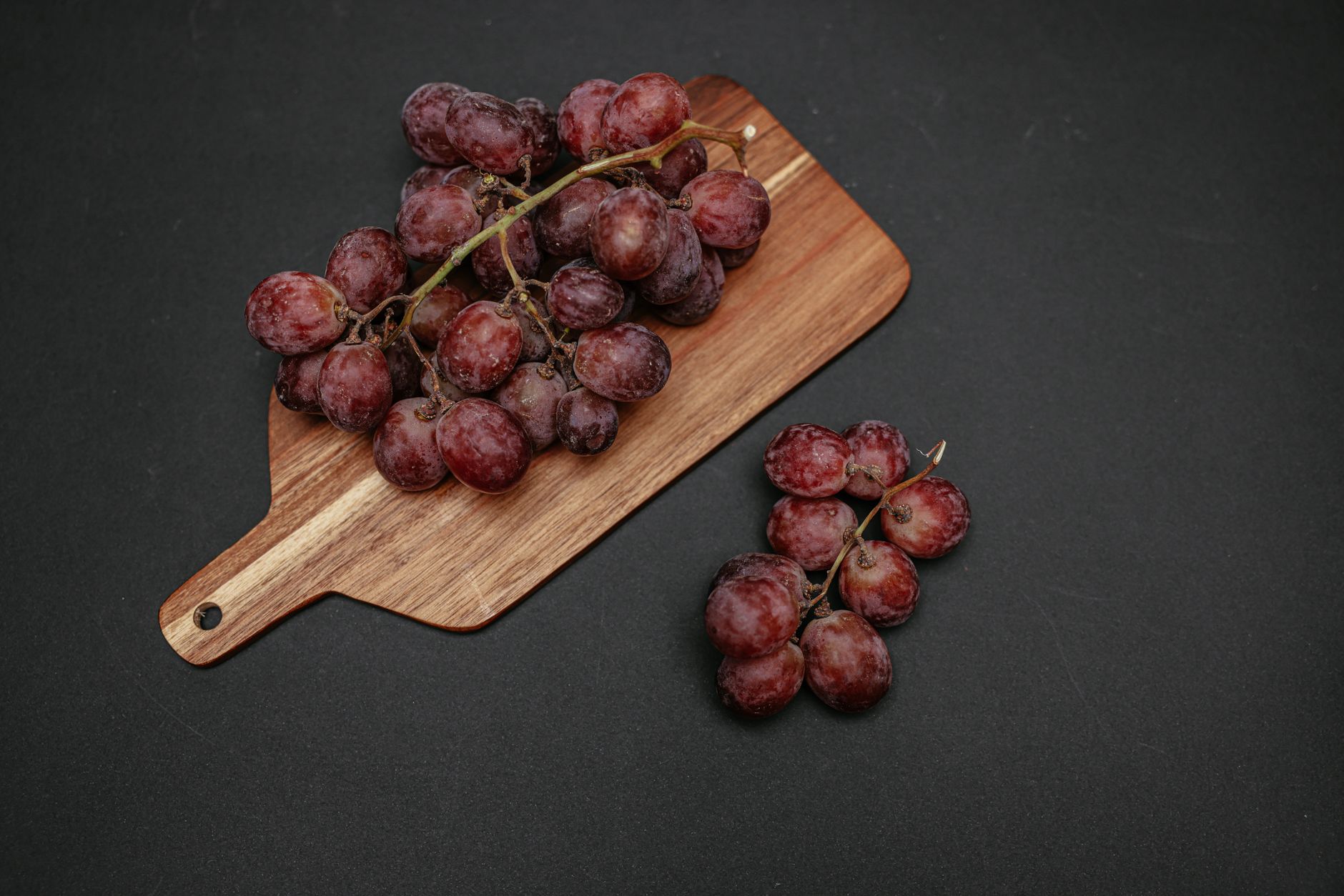
Table Grapes: Grown for fresh eating. Large, sweet, and seedless varieties. Popular: Thompson Seedless (green, seedless), Concord (blue, juice and jelly), Flame Seedless (red), Himrod (white seedless), Reliance (pink seedless).
Wine Grapes: Grown for winemaking. Smaller, with thicker skins and higher sugar content. Popular: Cabernet Sauvignon, Chardonnay, Merlot, Pinot Noir, Riesling. Requires specific climate conditions.
Muscadine Grapes: Southern grape variety. Very sweet, thick-skinned, and disease-resistant. Best for hot, humid climates (USDA zones 7-9). Popular: Carlos, Noble, Doreen, Fry.
Concord Grapes: Classic American grape. Great for juice, jelly, and fresh eating. Cold-hardy (zones 4-8).
Which is best? For beginners: Concord (easiest), Thompson Seedless (great table grape), or muscadine (if you live in the South).
Select the Best Planting Site
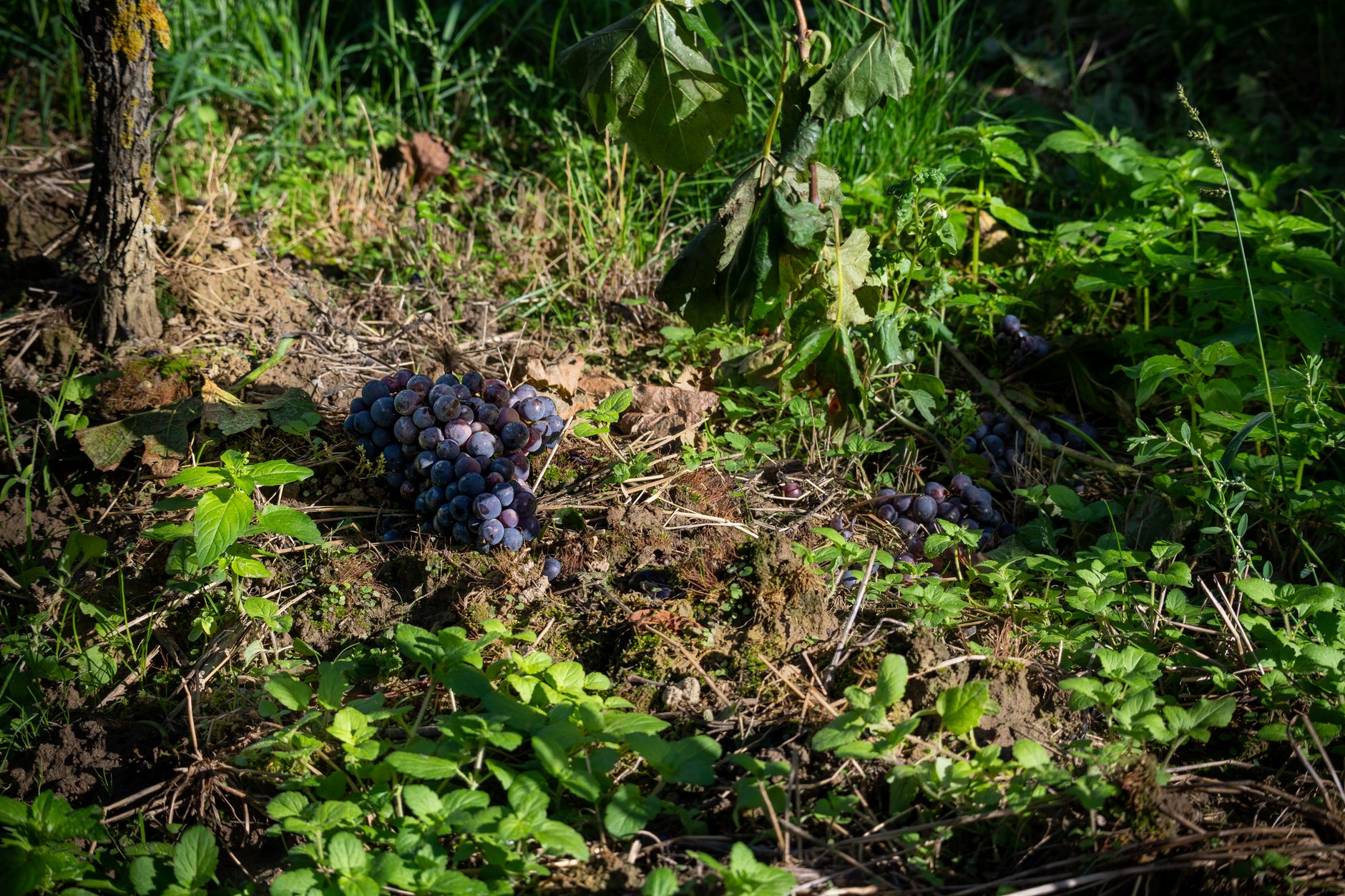
Sunlight: Grapes need 6-8 hours of direct sunlight daily. More sun = sweeter fruit. Avoid shady areas.
Soil: Grapes prefer well-draining soil with a pH of 6.0-7.0. Sandy loam is ideal. Avoid waterlogged soil.
Drainage: Good drainage is critical—grape roots rot in wet soil. If your soil is heavy clay, plant on a slope or in raised beds.
Air circulation: Good airflow prevents fungal diseases. Space plants to allow air movement.
Frost protection: Avoid low-lying areas where frost settles. Late spring frosts can damage flowers.
Plant Grapes Correctly

When to plant: Plant in early spring (as soon as the ground can be worked) or fall. Bare-root vines are planted in spring.
Planting depth: Dig a hole deep enough to accommodate the root system. Plant at the same depth as in the nursery.
Spacing: Space vines 6-10 feet apart in rows 8-12 feet apart. The more space, the more air circulation and less disease.
Soil preparation: Mix compost or well-rotted manure into the planting hole. Grapes benefit from organic matter.
Watering after planting: Water deeply to settle the soil around the roots. Keep the soil moist for the first few weeks.
Install a Support System

Why support: Grapes are climbing vines that need a structure to grow on. They'll sprawl on the ground without support, leading to disease.
Arbor: A great option for home gardens. Provides shade and beautiful fruit. Vines grow over the top.
Trellis: The most common system. A two-wire trellis (with wires at 3 and 6 feet) works well for most grapes.
Fence: A sturdy fence can support grape vines. Attach wires horizontally for the vines to grow on.
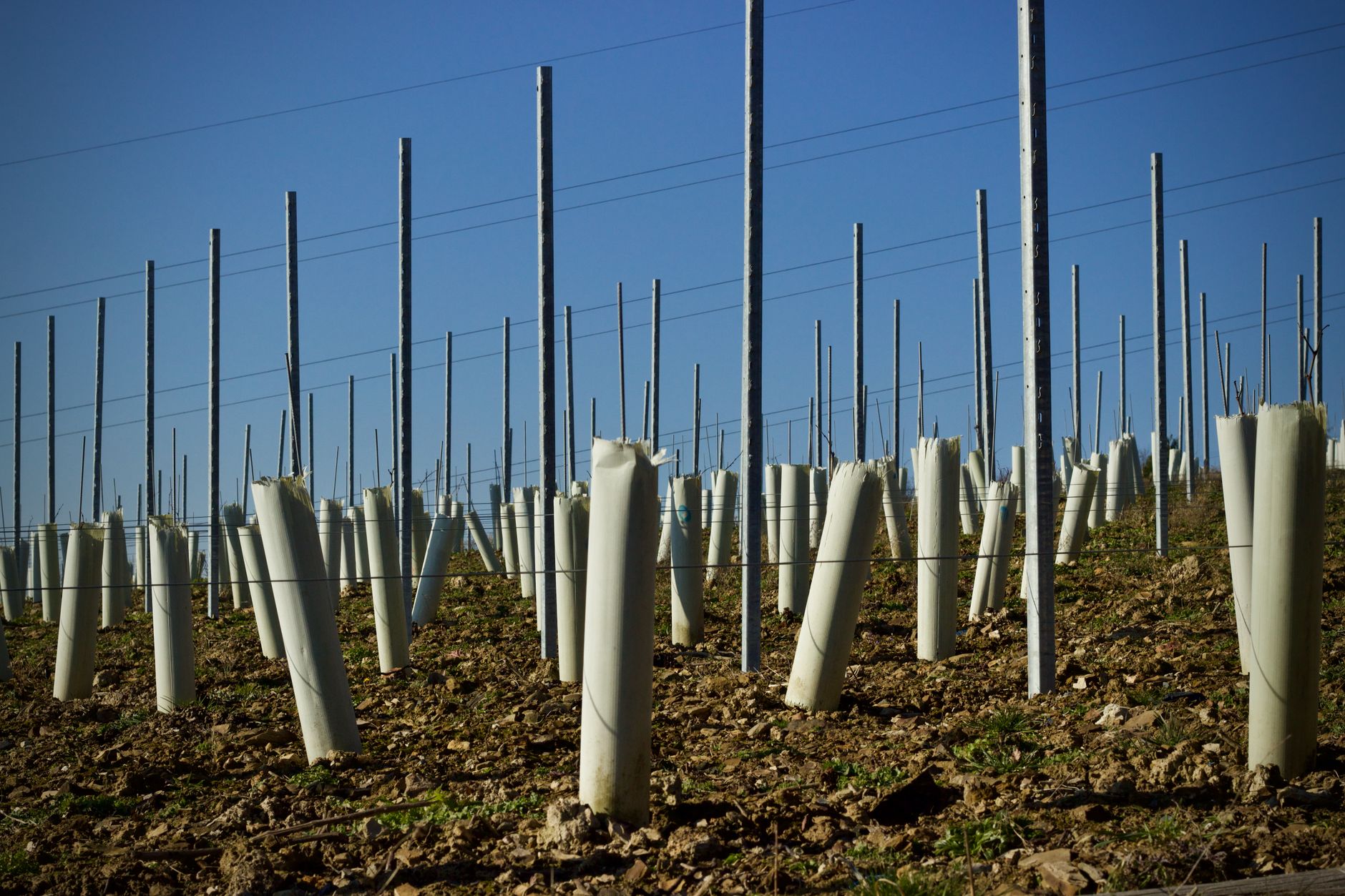
How to build: Install sturdy posts (4x4 or metal) at the ends of each row. Attach wires (12-gauge) at 3 and 6 feet. Train vines to grow along the wires.
Water and Fertilize
Water: Grapes need 1-2 inches of water per week, especially during fruit development. Use drip irrigation for deep watering.
Mulch: Apply 2-3 inches of mulch (straw, wood chips) around the base to retain moisture and suppress weeds.
Fertilizer: Apply a balanced fertilizer (10-10-10) in early spring before new growth starts. Use 1/2 cup per vine per year. Avoid excessive nitrogen, which promotes leafy growth at the expense of fruit.
Organic options: Compost, aged manure, or fish emulsion are excellent alternatives.
When to stop: Stop fertilizing in late summer to allow vines to harden off before winter.
Prune Grape Vines Heavily
When to prune: Prune in late winter (February-March) while vines are dormant. Pruning during dormancy stimulates new growth.
Why prune: Grapes produce fruit on new shoots that grow from one-year-old wood. Pruning removes old growth and encourages new fruit-bearing canes.
How to prune: Leave 2-3 buds on each spur (cane) and remove the rest. For a mature vine, leave 50-80 buds per vine.
Cane pruning: Choose 4-6 healthy canes (one-year-old wood) and cut them back to 10-15 buds each. Remove all other canes.
Spur pruning: Leave short spurs (2-3 buds) on the main trunk. New shoots will grow from these buds.
Summer pruning: Remove excess shoots and leaves during the growing season to improve air circulation and sun exposure.
Protect from Pests and Birds
Birds: The biggest threat to grapes. Use bird netting over the vines as grapes begin to ripen. Prop the netting up so it doesn't touch the fruit.
Japanese beetles: Hand-pick or use traps. They can defoliate vines if left unchecked.
Grapevine beetles: Hand-pick or use insecticidal soap.
Powdery mildew: A common fungal disease. Use sulfur spray or choose disease-resistant varieties.
Black rot: Remove infected fruit and use a fungicide preventatively.
Spotted lanternfly: In some areas, this is a serious pest. Check with your local extension office for management strategies.
Harvest and Enjoy

When to harvest: Grapes are ready when they are fully colored, sweet, and slightly soft. Taste one—ripe grapes are sweet and flavorful.
The test: Grapes don't ripen after picking. Wait until they're fully sweet. The seeds should be brown (not green).
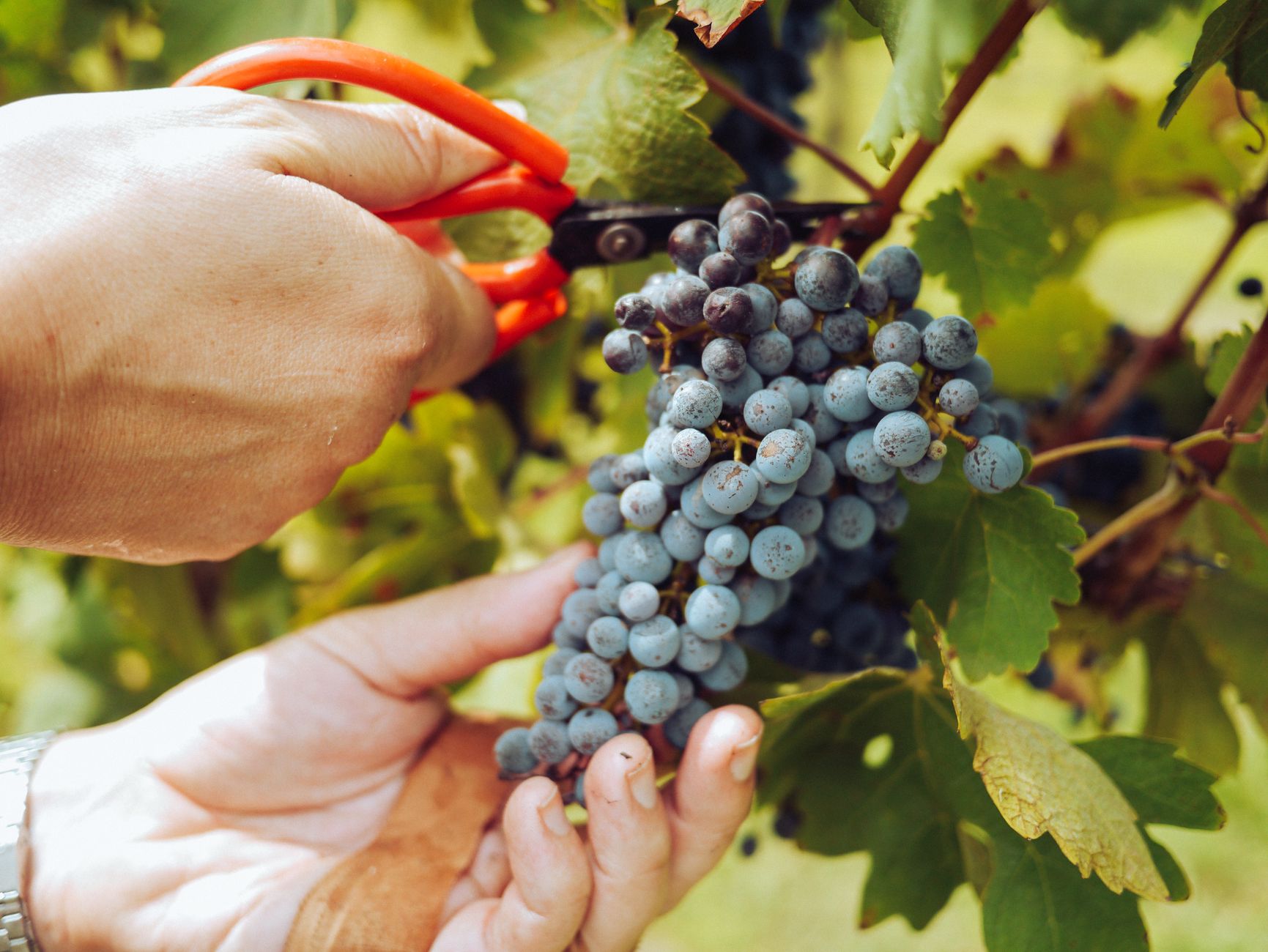
Harvesting: Cut the cluster from the vine with pruning shears. Don't pull—you may damage the vine.
When to pick: Harvest in the morning when grapes are cool and firm.
Yield: A mature vine produces 15-20 pounds of grapes per year.
Storage: Store unwashed grapes in the refrigerator for 1-2 weeks. Wash just before eating.
Common problems and fixes
| Problem | Likely cause | What to do |
|---|---|---|
| No fruit despite flowers | Lack of pollination, late frost, or improper pruning. | Attract bees, protect from frost, and prune correctly. |
| Small, sour grapes | Too much shade, poor nutrition, or incorrect pruning. | Prune heavily, ensure full sun, and provide balanced nutrients. |
| Leaves yellowing | Nitrogen deficiency, iron deficiency, or overwatering. | Apply balanced fertilizer, check soil pH, and improve drainage. |
| Powdery mildew on leaves | Poor air circulation or humid conditions. | Prune for better airflow, apply sulfur spray, and choose resistant varieties. |
Gardener's checklist
Test what you learned
How much sun do grapes need daily?
Answer: 6-8 hours
When should grape vines be pruned?
Answer: Late winter (dormant)
What is the best soil pH for grapes?
Answer: 6.0-7.0
How long do grapes take to reach full production?
Answer: 4-5 years
What is the biggest threat to grapes?
Answer: Birds
Common questions
Can I grow grapes in containers?
Yes, grapes can grow in large containers (15-20 gallon pots). Use a well-draining potting mix, provide a trellis, and water regularly. Choose compact varieties like 'Pixie' or 'Petite Sirah'.
How long do grapes take to produce fruit?
Grapes take 2-3 years to produce significant fruit after planting. They reach full production in 4-5 years and can produce for 20-30+ years.
Do grapes need cross-pollination?
Most grape varieties are self-pollinating. However, some muscadine varieties require cross-pollination. Check the specific variety requirements.
How do you prune grape vines?
Prune in late winter while dormant. Leave 2-3 buds on each spur and remove the rest. For cane pruning, select 4-6 healthy canes and cut back to 10-15 buds each.
Can I grow grapes in cold climates?
Yes, choose cold-hardy varieties like Concord, Somerset Seedless, or Beta. Plant in a protected location with good air circulation.
Growing grapes is a rewarding experience that provides delicious fruit for decades. The key to success is heavy pruning—grapes produce fruit on new growth from one-year-old wood. Prune in late winter, provide a trellis or arbor, plant in full sun, and protect from birds. Choose the right variety for your climate (Concord for cool climates, muscadine for hot climates). Be patient—it takes 2-3 years for significant fruit production, but the wait is well worth it. With proper care, your grape vines will reward you with sweet, juicy grapes for 20-30+ years.
Frequently asked questions
How often should a vegetable garden be watered?
Frequency depends on weather, soil and plant size. Check the soil rather than watering on a rigid schedule.
Is compost enough fertilizer?
Compost improves soil and provides nutrients slowly. Heavy-feeding crops may still need additional feeding.

The Sproutstead Editorial Team
We create clear, practical gardening and homesteading guides designed for real homes and beginner growers.
View author profile →