
Succulents are among the easiest plants to propagate using leaves, stem cuttings, or offsets. For leaf propagation, gently twist off a healthy leaf, let it dry for 2-3 days to form a callus, then place it on well-draining succulent soil. Mist lightly every few days, and within 2-6 weeks, you'll see tiny roots and a new rosette forming. For stem cuttings, cut a 3-4 inch section, let it callus, then plant in soil. For offsets (pups), simply separate them from the mother plant and pot them up. The key to success is using well-draining soil, avoiding overwatering, and providing bright, indirect light.
What you will need
Choose Your Propagation Method
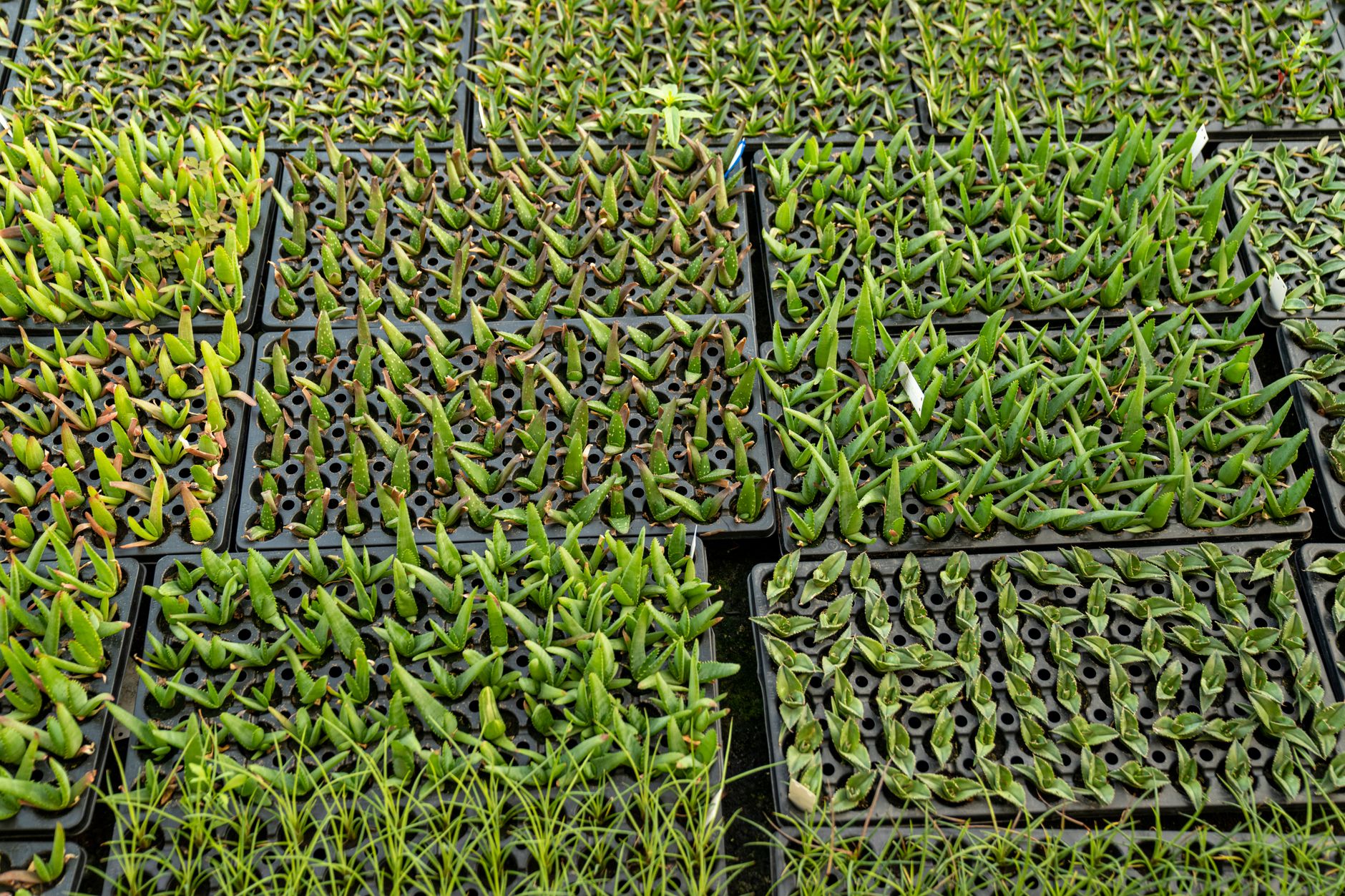
Leaf Propagation: Best for rosette-forming succulents like Echeveria, Graptopetalum, and Sedum. Gently twist a healthy leaf from the stem and let it callus. This is the most popular method and can produce multiple plants from a single leaf.
Stem Cuttings: Ideal for leggy or branching succulents like Jade Plant, String of Pearls, and Aeonium. Cut a 3-4 inch section of stem, remove lower leaves, allow to callus, then plant in soil.
Offsets (Pups): Many succulents produce baby plants around the base (e.g., Aloe, Hen and Chicks, Sempervivum). Simply separate the pup from the mother plant and pot it up individually.
Division: For clumping succulents, carefully divide the root ball into sections and replant each section. This is best for mature plants that have outgrown their pots.
Which method is best? If you have a healthy leaf, try leaf propagation. For leggy plants, stem cuttings work well. For plants with pups, offsets are the easiest and fastest.
Take Healthy Cuttings or Leaves

How to take a leaf: Grasp the leaf near the base and gently twist it side-to-side until it snaps off cleanly. A complete leaf (including the base where it connects to the stem) is essential. A torn or damaged leaf will not root.
For stem cuttings: Use a sterilized sharp knife or pruners to cut a 3-4 inch section from the tip of a healthy stem. Cut just below a node (where leaves attach). Remove the lower 2-3 leaves to expose a bare stem.
Choosing the right leaves: Select plump, firm, healthy leaves from the middle or bottom of the plant. Avoid yellowing, shriveled, or damaged leaves. The mother plant should be healthy and actively growing.
For offsets: Gently dig around the base of the mother plant to expose the pup. Use a clean knife to separate it, making sure it has some roots attached.
Wait for callusing: This is the most important step. Place leaves and cuttings on a dry surface (paper towel or tray) for 2-3 days. Allow the cut end to dry and form a callus—this prevents rot when planted.
Prepare the Right Soil Mix
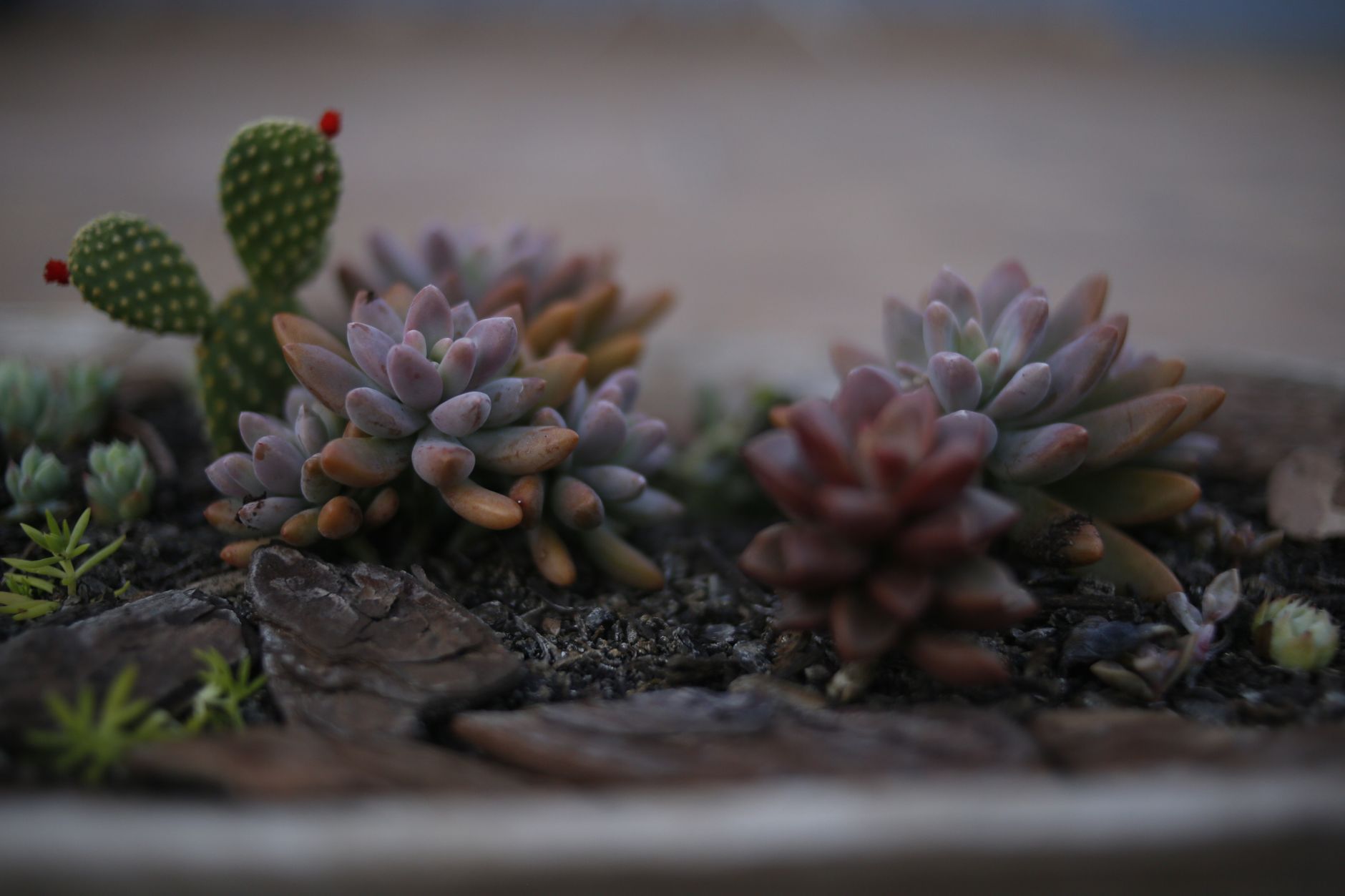
The ideal mix: A succulent or cactus potting mix is essential. Commercial mixes are available, but you can make your own by mixing 50% regular potting soil with 50% perlite, pumice, or coarse sand.
Why drainage matters: Succulents are adapted to arid environments. Their roots rot quickly in waterlogged soil. A well-draining mix allows water to flow through and dry out quickly.
For leaf propagation: Use a shallow tray filled with 1-2 inches of soil mix. You don't need deep pots at this stage—just a surface for the leaves to rest on.
For stem cuttings: Use 3-4 inch pots with drainage holes. Fill with soil mix and water lightly before planting.
Sterilizing soil: To prevent fungus, you can bake soil in the oven at 180°F for 30 minutes (optional but recommended if you've had rot issues before).
Plant or Place Cuttings on Soil
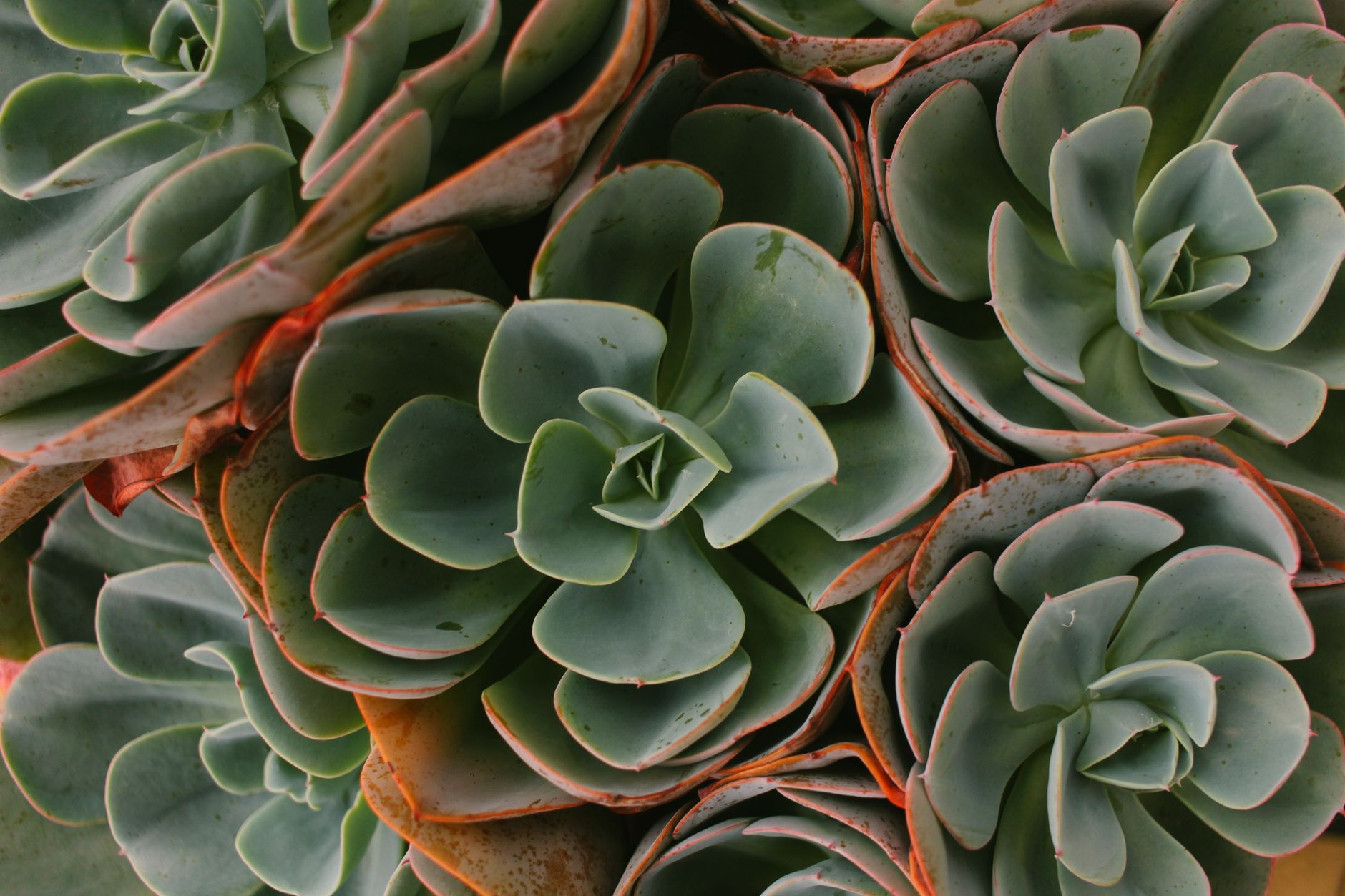
For leaves: Place the callused leaves on top of the soil, with the cut end touching the soil. Do not bury them—they root best when resting on the surface. You can lay them flat or slightly tilt the cut end into the soil.
For stem cuttings: Insert the callused stem end into the soil about 1-2 inches deep. Gently firm the soil around the stem to hold it upright.
For offsets: Plant the pup in a small pot with well-draining soil. The top of the root ball should be level with the soil surface.
Spacing: If propagating multiple leaves in a single tray, space them 1-2 inches apart to allow room for new rosettes to form.
Labeling: If you're propagating different varieties, label each tray or pot so you remember what's what.
Provide Correct Light and Water

Light: Place your cuttings in bright, indirect light. An east-facing windowsill or a spot with filtered sunlight is ideal. Direct, hot afternoon sun can burn delicate new growth.
Watering (first 2-3 weeks): Mist the soil lightly every 2-3 days. The goal is to keep the soil slightly damp (like a wrung-out sponge), not wet. Overwatering is the #1 killer of cuttings.
Signs of rooting: Within 2-4 weeks, you'll see tiny pink or white roots emerging from the leaf tip. At this point, start watering more deeply but infrequently—allow the soil to dry out completely between waterings.
Watering (after roots appear): Water deeply so that water runs out of the drainage holes. Wait until the soil is completely dry before watering again. This mimics the natural dry-wet cycle succulents prefer.
Misting vs. watering: Misting is only for the early stage. Once roots are established, switch to deep, infrequent watering to encourage strong root growth.
Monitor for New Growth

What to look for: After 2-4 weeks, roots will appear first. Then, a tiny new rosette (miniature plant) will emerge from the base of the leaf. This is the most exciting stage!
What to do with the original leaf: The mother leaf will eventually shrivel and die as the new plant grows. This is normal. Don't remove it until it's completely dry and crispy—the new plant is still using nutrients from it.
Timeline: Roots: 2-4 weeks. New rosette: 4-8 weeks. Transplantable plant: 3-6 months (when the new plant is about 1 inch in diameter).
Patience: Succulent propagation is not fast. Don't give up if you don't see anything for 3-4 weeks. Some varieties take longer than others.
When to transplant: Once the new plant has at least 3-4 leaves and is about 1 inch across, you can carefully move it to its own small pot.
Transplant New Plants to Individual Pots
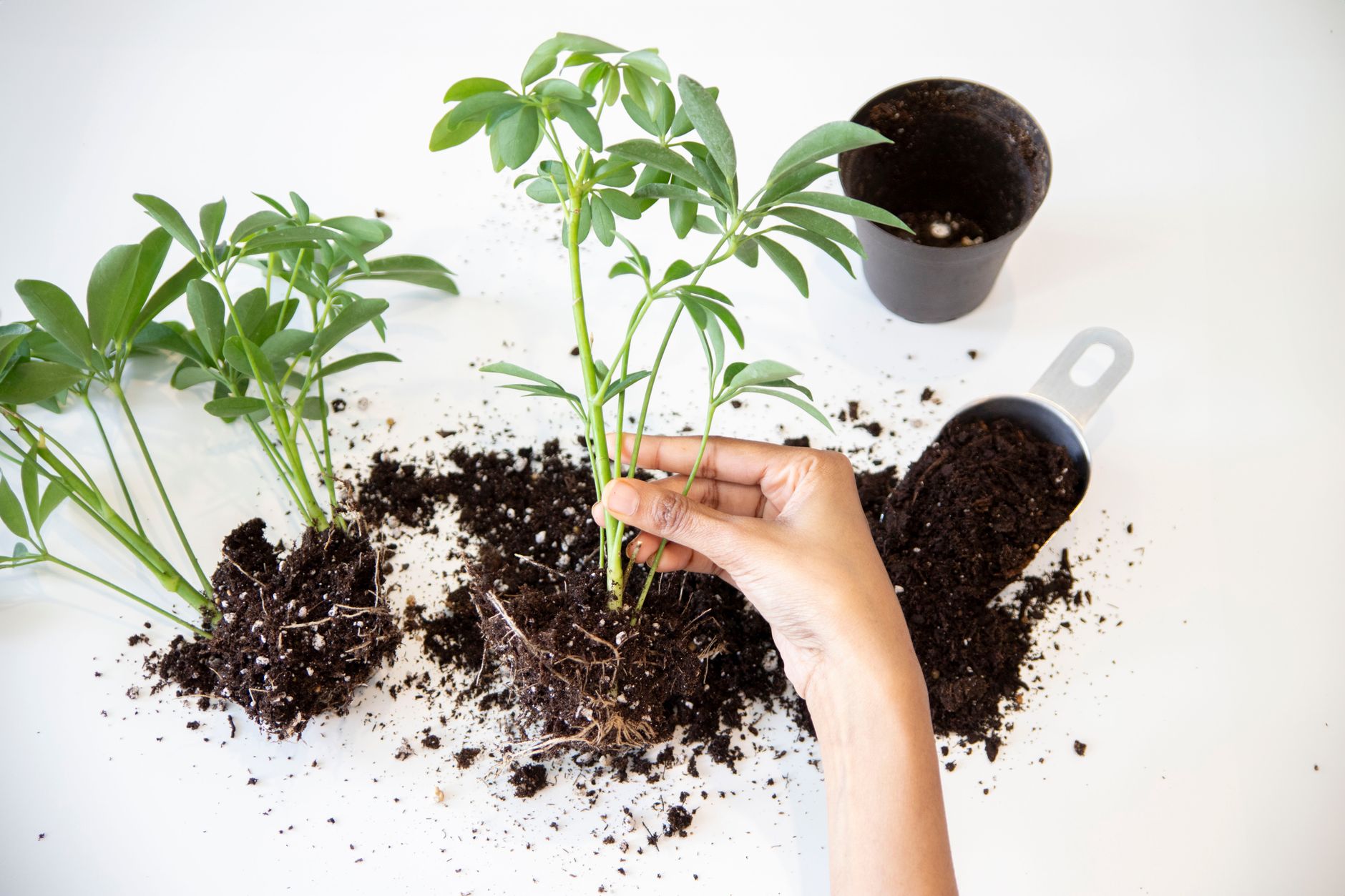
When to transplant: Wait until the new plant is at least 1 inch in diameter and has a good set of roots (4-6 weeks after the rosette appears).
How to remove: Gently lift the new plant with a spoon or tweezers, being careful not to damage the tiny roots. The mother leaf should be completely shriveled by now.
Potting: Use a small 2-3 inch pot with drainage holes. Fill with succulent potting mix. Make a small hole, place the roots in, and cover gently with soil.
Aftercare: Water deeply and allow the soil to dry completely between waterings. Place in bright, indirect light for the first week, then gradually introduce to more light.
Growth: With proper care, the new succulent will grow into a full-sized plant in 6-12 months.
Troubleshoot Common Propagation Problems
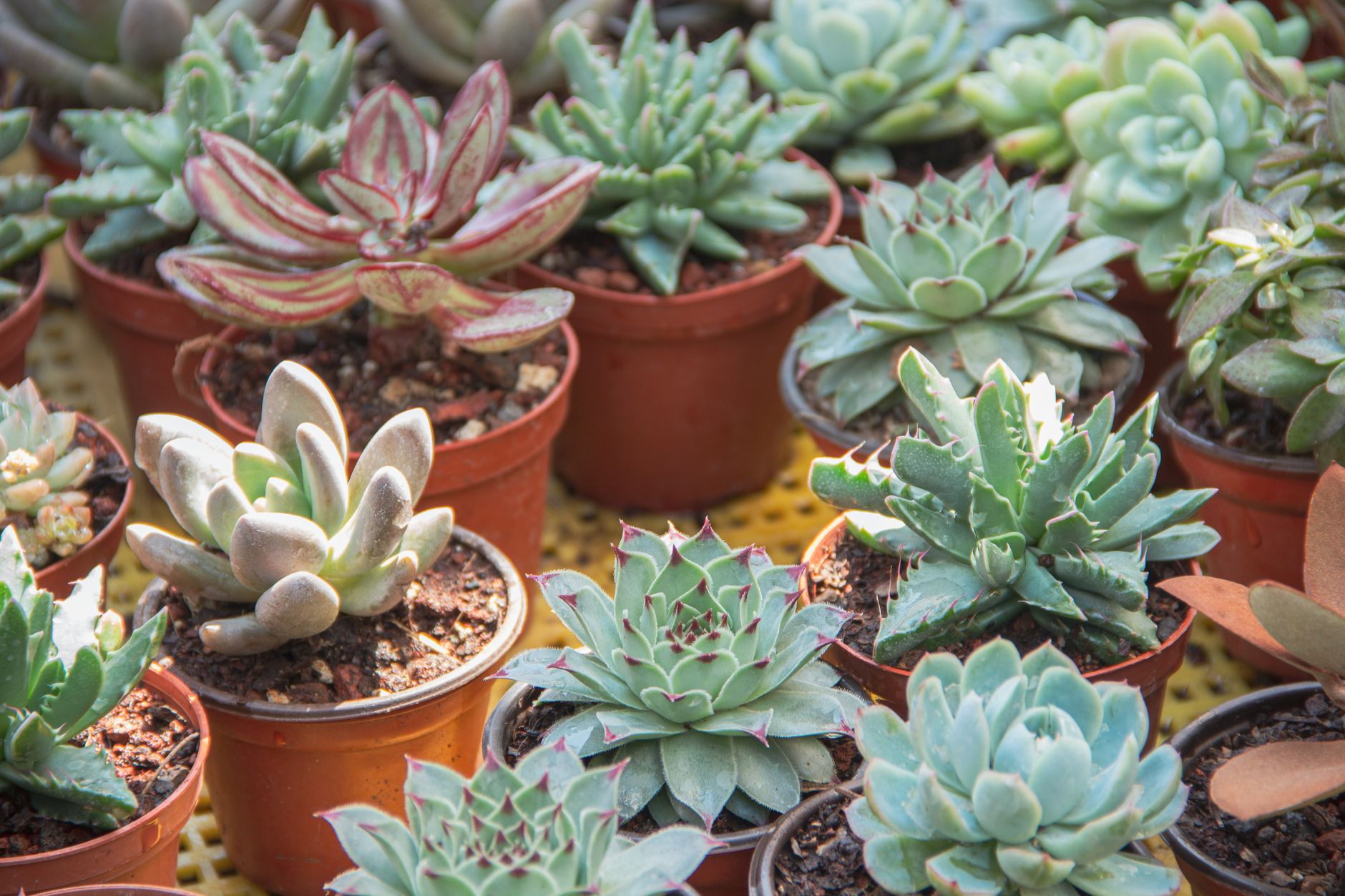
Problem: Leaves or cuttings turn brown or mushy. This is rot caused by overwatering. Remove the affected leaf. Allow the remaining leaves to dry out completely for 2-3 days before trying again.
Problem: No roots after 4-6 weeks. Insufficient light, too dry, or the leaf wasn't healthy. Move to a brighter spot and mist more frequently. If no improvement, start with a fresh leaf.
Problem: New rosette is leggy or stretching. Not enough light. Move to a brighter location or supplement with a grow light.
Problem: Leaves are shriveling before rooting. The leaf is using its stored moisture. If it's not too shriveled, keep misting. If it completely dries up, it didn't take.
Problem: Mold or fungus on the soil. Poor air circulation. Increase airflow, reduce misting, and consider applying a thin layer of cinnamon (a natural antifungal).
Common problems and fixes
| Problem | Likely cause | What to do |
|---|---|---|
| Leaf turns brown and mushy | Overwatering or no callus formation. | Remove the affected leaf. Let others dry out completely. Reduce misting. |
| No roots after 6 weeks | Insufficient light, too dry, or unhealthy leaf. | Move to brighter indirect light. Mist more frequently. Try a fresh leaf if no progress. |
| New plant is tiny and not growing | Not enough light or nutrients. | Increase light gradually. Once established, start using a diluted succulent fertilizer. |
| Mold growing on the soil | Too much moisture and poor air circulation. | Reduce misting. Increase air circulation. Sprinkle cinnamon on the soil as a natural antifungal. |
Gardener's checklist
Test what you learned
What is the most critical step before placing succulent leaves on soil?
Answer: Letting them callus for 2-3 days
How often should you mist succulent leaf cuttings in the early stage?
Answer: Every 2-3 days
What kind of light is best for propagating succulents?
Answer: Bright, indirect light
How long does it typically take for a new rosette to appear from a leaf cutting?
Answer: 4-8 weeks
Common questions
Can I propagate succulents in water?
Yes, some succulents can root in water, but it's riskier than soil propagation. Water roots are fragile, and the transition to soil can be stressful. Soil propagation is recommended for beginners.
What's the best temperature for succulent propagation?
65-80°F (18-27°C) is ideal. Cold temperatures slow rooting, and extreme heat can dry out cuttings.
Can I use rooting hormone on succulents?
Yes, but it's not necessary. Succulents root easily on their own. If you use it, choose a formula for cacti and succulents.
Why is my succulent leaf shriveling instead of rooting?
The leaf is using its stored energy. If it roots, it'll plump back up. If it completely dries without rooting, it wasn't viable. Try another healthy leaf.
How many new plants can I get from one succulent leaf?
Typically one new plant per leaf. Some leaves may produce multiple rosettes, but one is the norm.
Succulent propagation is an incredibly rewarding and accessible gardening skill. Whether you're using leaves, stem cuttings, or offsets, the key principles are the same: start with healthy plant material, allow cuttings to callus, use well-draining soil, provide bright indirect light, and water sparingly. Patience is essential—roots can take weeks to appear, but the joy of watching a tiny new plant form from a single leaf is well worth the wait. With practice, you'll soon have more succulents than you know what to do with!
Frequently asked questions
How often should a vegetable garden be watered?
Frequency depends on weather, soil and plant size. Check the soil rather than watering on a rigid schedule.
Is compost enough fertilizer?
Compost improves soil and provides nutrients slowly. Heavy-feeding crops may still need additional feeding.

The Sproutstead Editorial Team
We create clear, practical gardening and homesteading guides designed for real homes and beginner growers.
View author profile →

