Pickle cucumbers by packing fresh, firm pickling cucumbers into jars with dill, garlic, and pickling spices, then covering with a hot brine of equal parts vinegar and water plus salt. For quick refrigerator pickles, chill 24-48 hours before eating; for shelf-stable canned pickles, process in a boiling water bath for 10-15 minutes using a tested recipe. Trimming the blossom end and using fresh, cold cucumbers are the two biggest factors in achieving crisp results.
What you will need
Choose the Right Cucumbers

Choose pickling cucumber varieties specifically, such as Kirby, National Pickling, or Boston Pickling, which have thinner skin, fewer and smaller seeds, and denser flesh compared to standard slicing cucumbers like English or American varieties.
Use cucumbers as fresh as possible, ideally picked or purchased within 24 hours of pickling, since cucumbers that have sat around losing moisture consistently produce softer, less crisp results regardless of technique.
Select small to medium cucumbers, generally 3-5 inches for whole pickles or slightly larger if you plan to slice or spear them, avoiding any that feel soft, show yellowing, or have significant blemishes.
If growing your own, harvest cucumbers specifically for pickling while they're still young and firm, since even pickling varieties become less ideal for crisp pickles once they've grown oversized on the vine.
Refrigerate cucumbers immediately if there's any delay between harvest or purchase and pickling, since keeping them cold helps preserve the crispness that room-temperature storage gradually diminishes.
Prepare Cucumbers for Maximum Crispness
Wash cucumbers thoroughly, scrubbing gently to remove any surface dirt, and trim a thin slice off the blossom end (opposite the stem) of each cucumber, since this end contains enzymes that contribute to softening during the pickling process.
Soak trimmed cucumbers in ice water for 1-2 hours before pickling, which helps them absorb extra moisture and firms up the flesh, contributing to a crisper finished pickle.
Decide on your cut: whole cucumbers work well for classic dill pickles, spears (quartered lengthwise) are popular for easy eating, and chips (sliced into rounds) are traditional for bread-and-butter style sweet pickles.
Some traditional recipes call for adding a fresh grape leaf, oak leaf, or a small amount of black tea to each jar, all sources of natural tannins believed to help maintain crispness through the pickling and storage process.
Avoid over-handling or bruising cucumbers during preparation, since damaged flesh breaks down more readily in the acidic brine, contributing to softer results in the affected areas.
Prepare Your Brine

Combine equal parts white vinegar (5% acidity, standard for most grocery store vinegar) and water in a pot, along with 2-3 tablespoons of pickling or canning salt per quart of liquid, then bring to a boil.
Use pickling or canning salt specifically rather than table salt, since table salt's anti-caking additives can cause cloudiness in the finished brine, an entirely cosmetic issue but one easily avoided with the right salt choice.
For canned (shelf-stable) pickles, never reduce the vinegar-to-water ratio below what a tested recipe specifies, since adequate acidity is a genuine food safety requirement, not just a flavor preference, when processing for room-temperature storage.
For refrigerator pickles not intended for shelf storage, there's more flexibility to adjust the vinegar ratio to taste, since refrigeration itself provides significant safety margin that shelf-stable canning doesn't have.
Add 1-2 tablespoons of sugar per quart if you prefer a slightly sweeter pickle profile, which is optional and purely a matter of taste preference rather than any safety consideration.
Pack Jars with Cucumbers and Dill

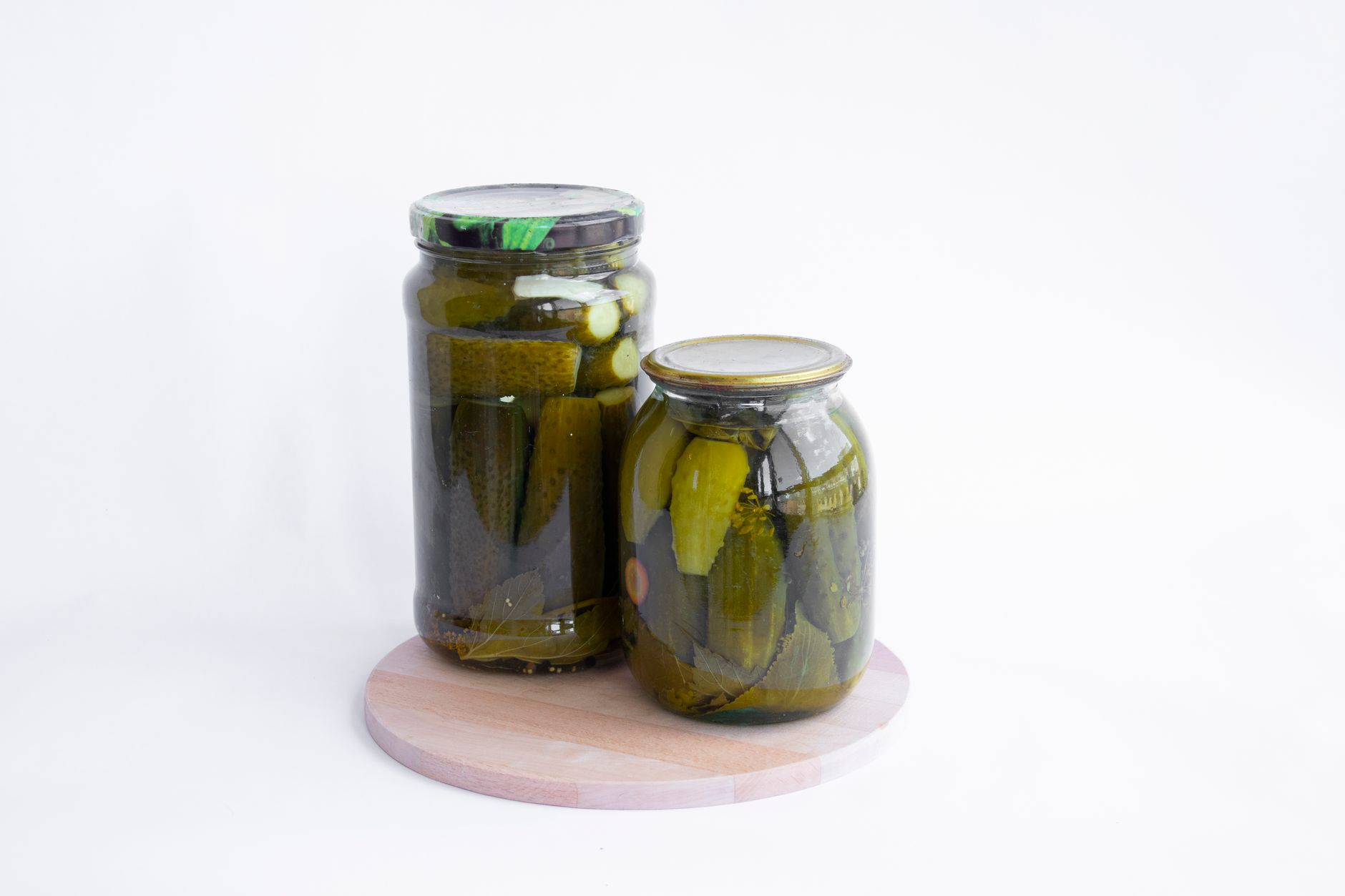
Pack prepared cucumbers into clean jars, adding 1-2 fresh dill heads or several sprigs of dill per jar, along with 2-3 peeled garlic cloves for classic dill pickle flavor.
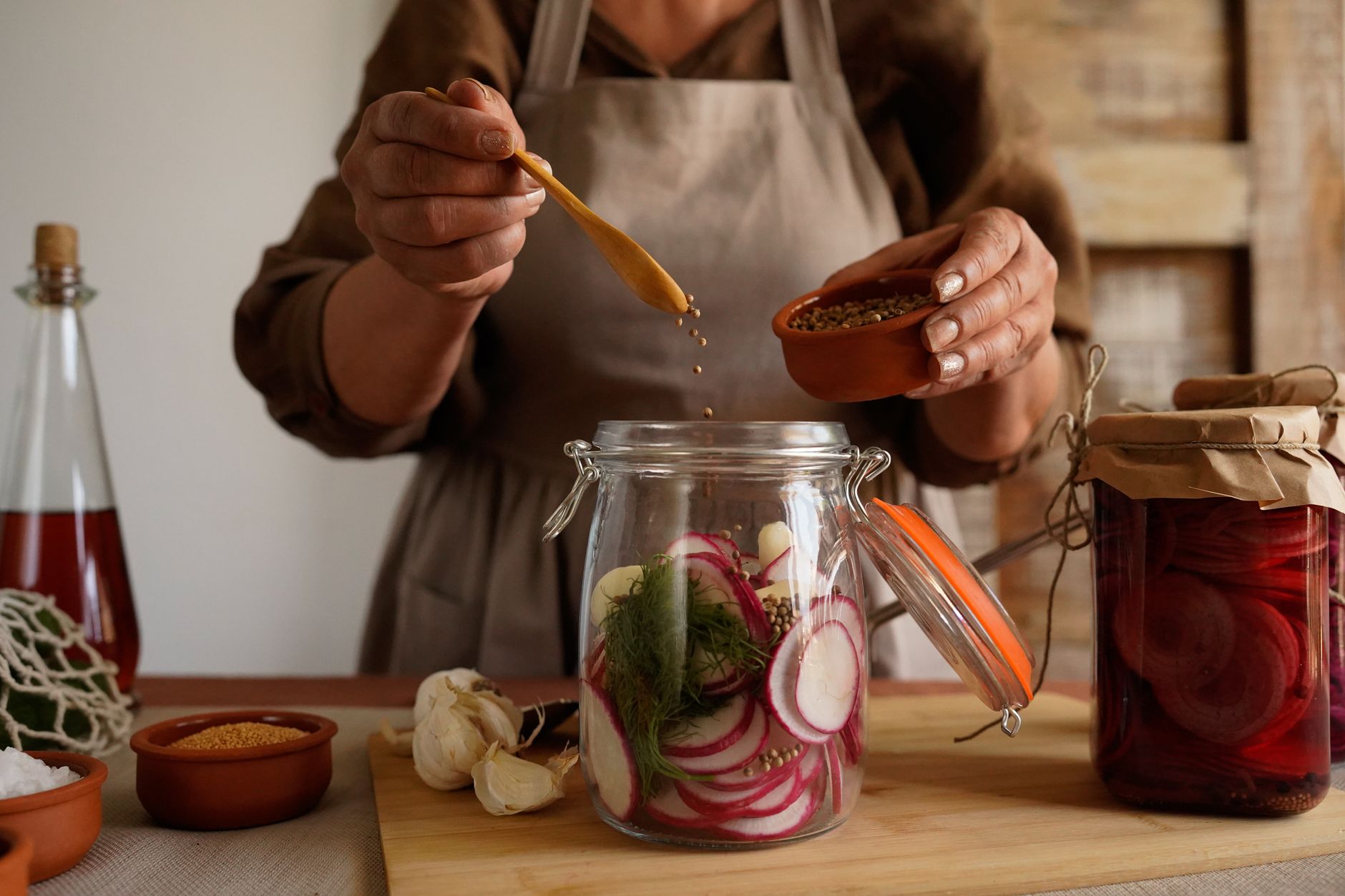
Add a teaspoon or so of pickling spice blend (typically containing mustard seed, coriander, black peppercorns, and other aromatics) per jar for additional depth of flavor beyond the basic dill and garlic.
Pack cucumbers fairly snugly to maximize how many fit in each jar, but avoid packing so tightly that brine can't circulate properly around and between the pieces once poured.
For a spicy variation, add a small dried chili pepper or a pinch of red pepper flakes to each jar; for a sweeter bread-and-butter style, reduce dill and garlic in favor of mustard seed and a sweeter brine ratio.
Leave appropriate headspace at the top of the jar, generally about half an inch for refrigerator pickles or as specified by a tested canning recipe if processing for shelf-stable storage.
Add Brine and Choose Your Storage Method

Pour the hot brine over the packed cucumbers, ensuring they're fully submerged, leaving proper headspace, then seal jars with clean lids.
For refrigerator pickles, let jars cool to room temperature, then refrigerate; pickles are ready to taste within 24-48 hours, though flavor continues developing and improving for up to a week or two, and they'll keep for several weeks to a couple of months refrigerated.
For shelf-stable canned pickles, process filled jars in a boiling water bath for 10-15 minutes for pint jars (following a specific tested recipe for exact timing based on your cut style and jar size), then let cool undisturbed for 12-24 hours.
Check canned jar seals after cooling by pressing the center of each lid; a proper seal will be concave and won't flex, while any unsealed jars should be refrigerated and used within a few weeks rather than stored at room temperature.
Label all jars with the pickling date, and if canning, remove the metal bands before long-term storage to prevent moisture-related rusting.
Wait for Flavor to Develop Before Eating

While refrigerator pickles are technically edible within 24 hours, letting them sit for a full week allows the vinegar, salt, and dill flavors to penetrate the cucumbers more completely, producing a noticeably more balanced, well-developed pickle.
Canned, shelf-stable pickles benefit from an even longer wait, ideally 4-6 weeks before opening, giving the flavors ample time to fully develop throughout the denser cucumber flesh.
Store both refrigerator and canned pickles in a way that keeps cucumbers fully submerged in brine, since any portion exposed above the liquid can develop off-flavors or discoloration over extended storage.
Once opened, keep pickle jars refrigerated regardless of whether they were originally shelf-stable canned or always-refrigerated, and use within a few weeks to a couple of months for the best quality and flavor.
Explore Flavor Variations Beyond Classic Dill
Bread-and-butter pickles use a sweeter brine (adding more sugar) along with mustard seed and turmeric, producing the distinctive yellow-tinged, sweet-tangy pickles popular for sandwiches.
Spicy garlic dill pickles amplify the classic recipe with extra garlic cloves and a few slices of fresh jalapeño or a dried chili added to each jar alongside the standard dill and pickling spice.
Half-sour pickles, a traditional deli-style option, use a milder vinegar ratio and shorter brining time, producing a pickle with more residual cucumber crunch and a less intensely tangy flavor than a fully cured pickle.
Once you're comfortable with the basic brine ratio and process, feel free to experiment with herbs and spices beyond dill, such as tarragon, coriander seed, or bay leaves, to develop your own signature pickle flavor.
Common problems and fixes
| Problem | Likely cause | What to do |
|---|---|---|
| Pickles turn out soft rather than crisp | Cucumbers weren't fresh enough, the blossom end wasn't trimmed, or slicing varieties were used instead of pickling cucumbers. | Use the freshest possible pickling cucumbers, trim the blossom end, and soak in ice water before pickling. |
| Brine appears cloudy | Table salt was used instead of pickling salt, or hard water with high mineral content was used. | Use pickling or canning salt and filtered water in future batches; existing cloudy brine is generally still safe, just cosmetically less appealing. |
| Canned pickle jars fail to seal | Insufficient processing time, air bubbles trapped in the jar, or a damaged jar rim. | Refrigerate and use unsealed jars promptly rather than storing at room temperature, and check jar rims carefully for nicks before future canning. |
Gardener's checklist
Test what you learned
Why should pickling cucumbers be used instead of slicing cucumbers?
Answer: Pickling cucumbers have thinner skin and denser flesh for a crisper result
Why is trimming the blossom end recommended before pickling?
Answer: Enzymes there can contribute to softening
What minimum vinegar acidity should be used for pickles intended for shelf-stable storage?
Answer: 5%
Common questions
What's the difference between refrigerator pickles and canned pickles?
Refrigerator pickles are simply chilled after brining and must stay refrigerated, typically lasting a few weeks to a couple of months, while canned pickles are processed in a water bath canner for shelf-stable storage at room temperature, typically lasting up to a year.
Why are my homemade pickles soft instead of crisp?
This is usually caused by using cucumbers that weren't fresh enough, using slicing rather than pickling varieties, or not trimming the blossom end, which contains enzymes that contribute to softening.
How long do homemade pickled cucumbers last?
Refrigerator pickles typically last several weeks to a couple of months; properly water-bath canned pickles can last up to a year at room temperature when unopened, with both types needing refrigeration and use within a few weeks once opened.
Can I reuse pickle brine for a new batch of cucumbers?
Reusing brine for refrigerator pickles is sometimes done for a quick second batch, though flavor and acidity diminish with each reuse; for canned, shelf-stable pickles, always use fresh brine to ensure adequate acidity for safe processing.
Do I need to peel cucumbers before pickling?
No, pickling cucumbers have thin, tender skin that's meant to be left on, contributing both texture and the classic pickle appearance; peeling isn't necessary and would remove some of the crunch that makes pickling cucumbers ideal for this purpose.
Why did my pickles turn a dull, muted color?
This is typically a natural, harmless result of the pickling process itself, as fresh green cucumbers react with the acidic brine over time; it doesn't indicate spoilage as long as the pickles smell and taste normal.
Crisp, flavorful pickled cucumbers come down to a few key habits: fresh pickling cucumbers, a trimmed blossom end, and patience to let the flavor develop, whether you choose the quick refrigerator method or shelf-stable canning.
Frequently asked questions
How often should a vegetable garden be watered?
Frequency depends on weather, soil and plant size. Check the soil rather than watering on a rigid schedule.
Is compost enough fertilizer?
Compost improves soil and provides nutrients slowly. Heavy-feeding crops may still need additional feeding.

The Sproutstead Editorial Team
We create clear, practical gardening and homesteading guides designed for real homes and beginner growers.
View author profile →