Make jerky by slicing lean meat thinly against the grain, marinating for 6-24 hours, then dehydrating at 160°F (using a dehydrator or oven) until dry and leathery but still pliable, typically 4-8 hours. For food safety, the meat should reach an internal temperature of 160°F (poultry 165°F) before or during the drying process to destroy harmful bacteria, since dehydrating alone at lower temperatures doesn't guarantee this.
What you will need
Choose Lean Meat and Slice Properly
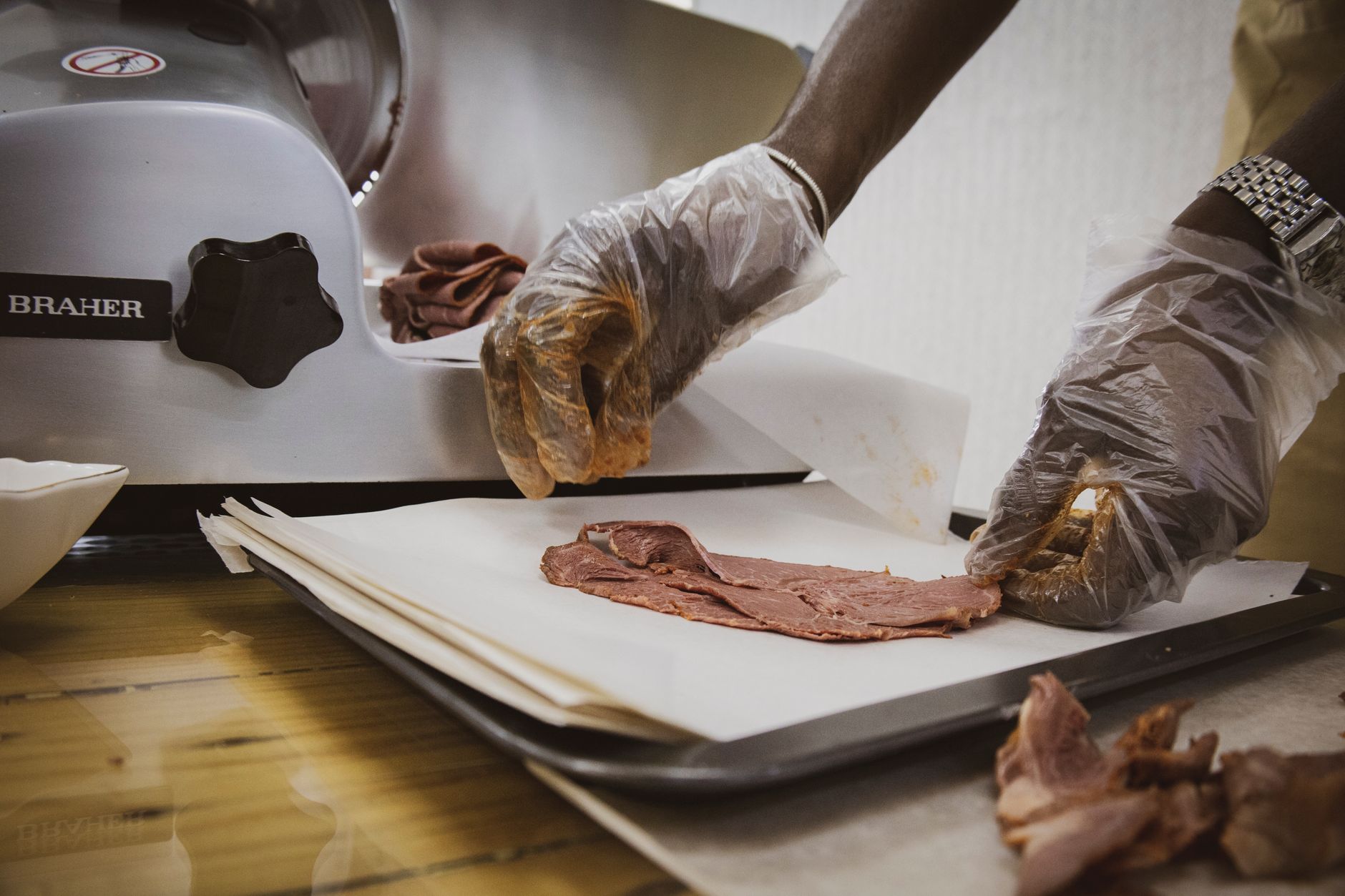
Choose lean cuts of meat specifically, such as eye of round, flank steak, or venison, since fat doesn't dehydrate properly and can turn rancid during storage, significantly shortening your finished jerky's shelf life.
Trim away all visible fat before slicing, since even small amounts left on the meat can cause spoilage issues that compromise an otherwise well-made batch.
Slice meat against the grain for a more tender chew, or with the grain for a chewier, more traditional jerky texture, understanding this is a matter of personal preference rather than a safety consideration.
Aim for consistent slices about 1/4 inch thick, since uniform thickness ensures even drying; partially freezing the meat for 1-2 hours before slicing makes achieving thin, consistent cuts considerably easier.
Poultry, particularly turkey, can also be used for jerky, though it requires reaching a higher safe internal temperature (165°F) than beef or venison during processing, an important distinction to keep in mind.
Marinate for Flavor and Preservation
Combine sliced meat with a marinade typically containing soy sauce or another salty liquid, along with seasonings like garlic, pepper, brown sugar, and any other flavors you prefer, in a sealed container or bag.
Refrigerate while marinating for 6-24 hours, since longer marinating times generally develop deeper flavor, though even a few hours produces reasonable results if you're short on time.
The salt content in most marinades contributes to preservation by drawing out moisture and creating an environment less hospitable to bacterial growth, working alongside the dehydrating process itself.
Pat meat strips dry with paper towels after marinating and before dehydrating, since excess surface moisture extends drying time unnecessarily and can affect the final texture.
Avoid reusing marinade that has contacted raw meat for any other purpose, such as basting during cooking, without first boiling it thoroughly, following standard raw meat handling food safety practices.
Understand Safe Dehydrating Temperature
The USDA recommends heating meat to 160°F (poultry to 165°F) before or during the dehydrating process, since lower temperatures don't reliably destroy potentially harmful bacteria that can be present in raw meat.
One common, recommended method involves heating marinated meat strips in a 275°F oven or by briefly simmering in the marinade until they reach the safe internal temperature, then transferring to a dehydrator to complete the drying process at a lower temperature.
Alternatively, some dehydrators and ovens can maintain a consistent 160°F throughout the entire drying process, which also satisfies this safety requirement without a separate pre-heating step.
Older jerky recipes or methods relying solely on low-temperature dehydrating (around 130-140°F) without ever reaching 160°F don't meet current food safety recommendations, even if this was more common practice historically.
Use a reliable meat thermometer to verify actual temperature reached during whichever method you choose, rather than assuming your equipment's settings are accurately calibrated, since this verification step is genuinely important for safety.
Dehydrate Until Properly Dry

Arrange meat strips on dehydrator trays or a wire rack (if using an oven) without overlapping, ensuring adequate space between pieces for consistent airflow and even drying throughout the batch.
Dehydrate at 160°F (following the safety guidance from the previous step) for approximately 4-8 hours, checking periodically as drying time varies based on meat thickness, marinade sugar content, and your specific equipment.
If using an oven instead of a dedicated dehydrator, prop the door open slightly to allow moisture to escape, and use the lowest temperature setting your oven allows while still meeting the 160°F safety threshold.
Rotate trays partway through drying if your dehydrator or oven has uneven heat distribution, which helps ensure all strips finish at a similar rate rather than some being done while others remain underdried.
Check for doneness starting around the 4-hour mark, understanding that thicker strips, higher-sugar marinades, and less powerful equipment can all extend total drying time considerably beyond this initial checkpoint.
Test for Proper Doneness
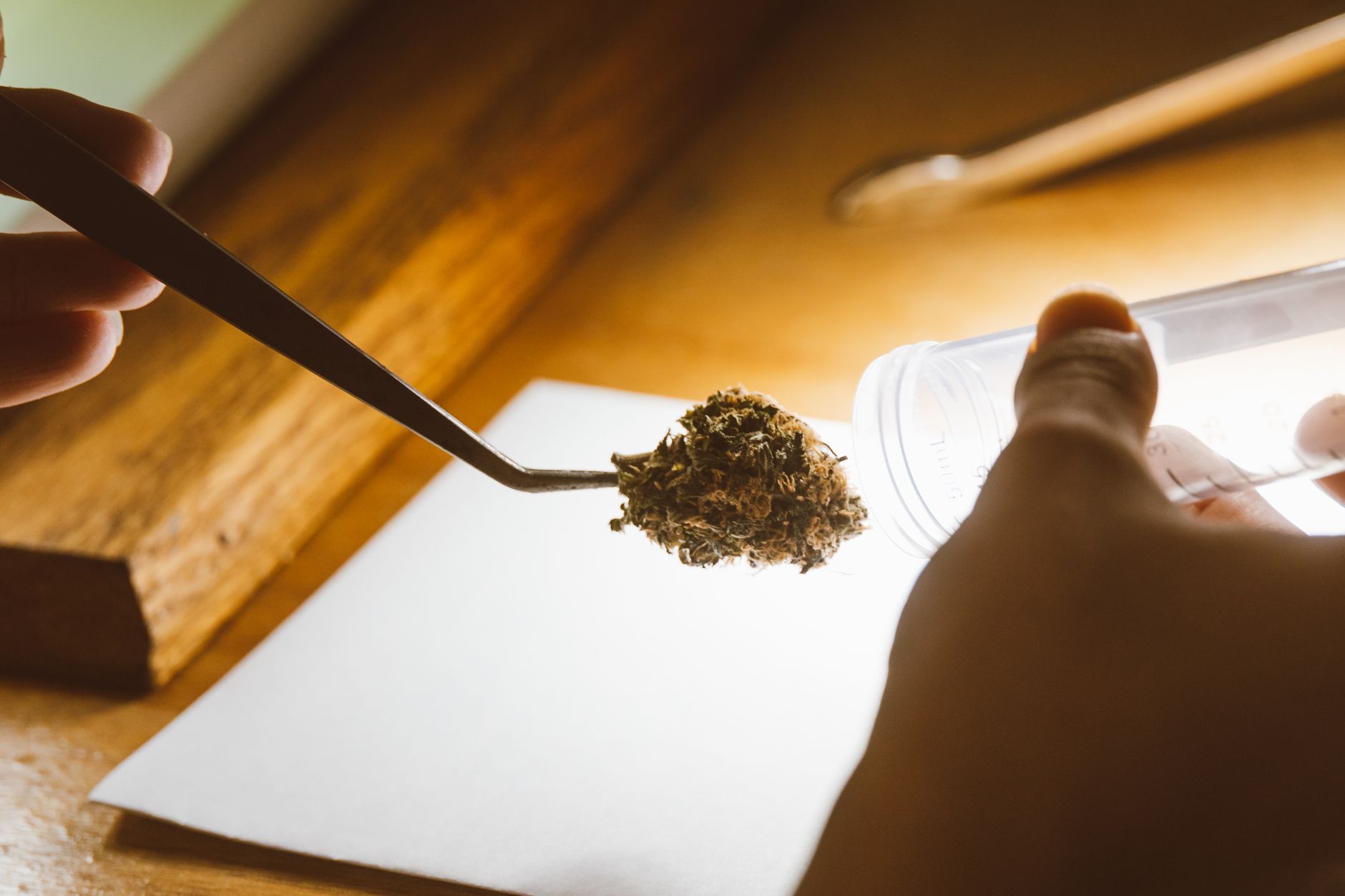
Properly finished jerky should bend and crack slightly when folded, similar to bending a stiff piece of leather, without snapping cleanly in half or feeling soft, wet, or rubbery.
If a piece bends easily without any cracking at all, it likely needs additional drying time, since this indicates too much residual moisture remains for safe, shelf-stable storage.
If a piece snaps cleanly and completely rather than bending, it may be slightly overdried, which isn't a safety concern but does affect the eating texture, producing a more brittle result than ideal.
Test several pieces from different areas of your dehydrator or oven, since drying isn't always perfectly even, and you want your entire batch to reach appropriate doneness rather than just the pieces you happen to check.
Let tested pieces cool to room temperature briefly before making a final doneness judgment, since warm jerky can feel more pliable than it will once fully cooled.
Store Jerky Properly
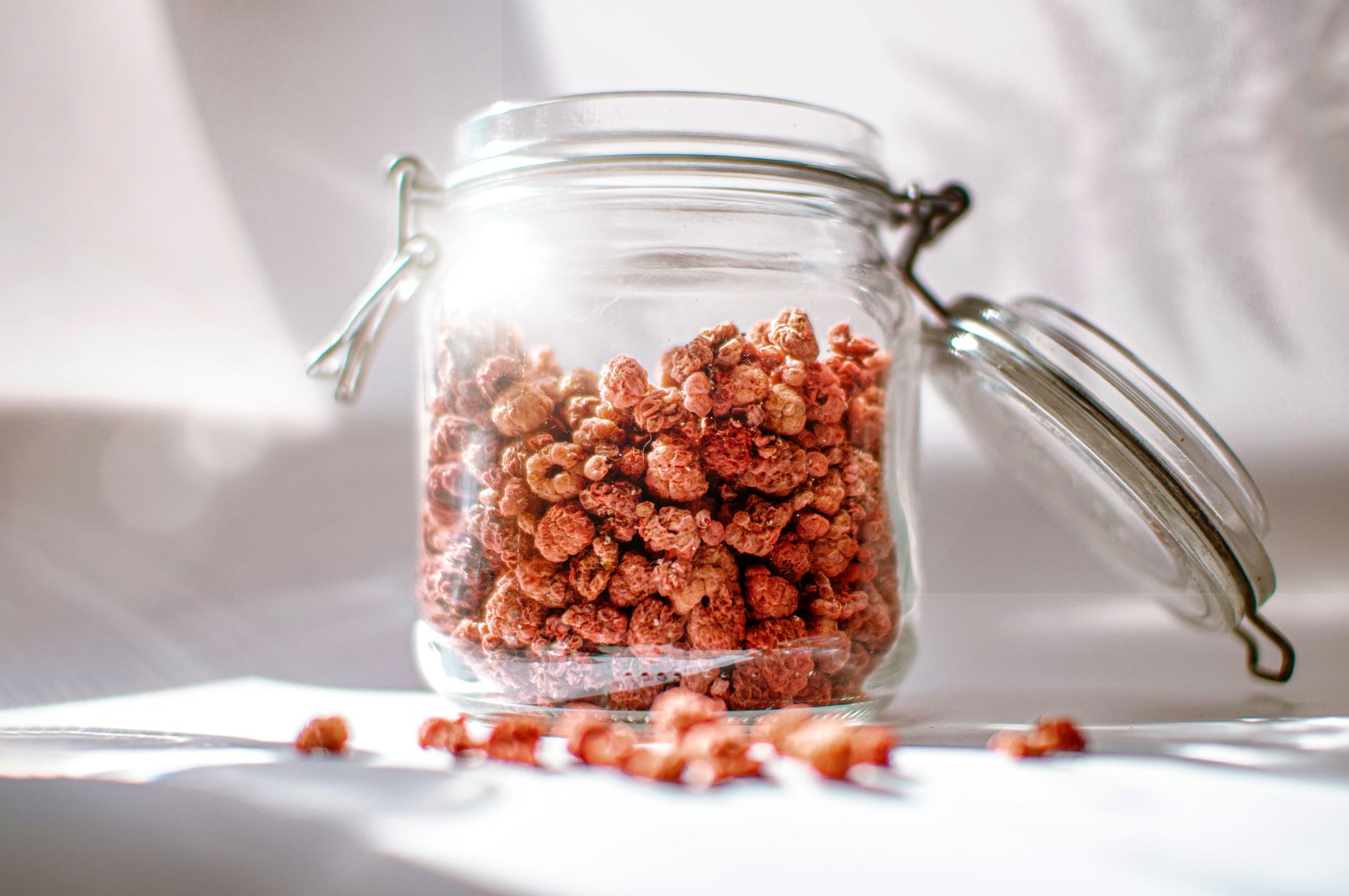
Let finished jerky cool completely to room temperature before packaging, since sealing warm jerky can trap condensation that introduces unwanted moisture into your storage container.
Store in airtight containers, resealable bags with air pressed out, or vacuum-sealed bags for the best results, minimizing air exposure that can lead to oxidation and quality decline over time.
Properly dried and stored jerky typically keeps at room temperature for 1-2 months, extending to 6 months to a year when refrigerated or frozen, making cold storage worthwhile for jerky you don't plan to eat quickly.
Check stored jerky periodically for any signs of moisture, mold, or off odors, discarding immediately if any of these develop, since these signs indicate the drying process wasn't fully successful or storage conditions introduced moisture.
Label containers with the preparation date, particularly useful if you make multiple batches over time and want to track freshness and rotate your supply appropriately.
Experiment with Flavor Variations
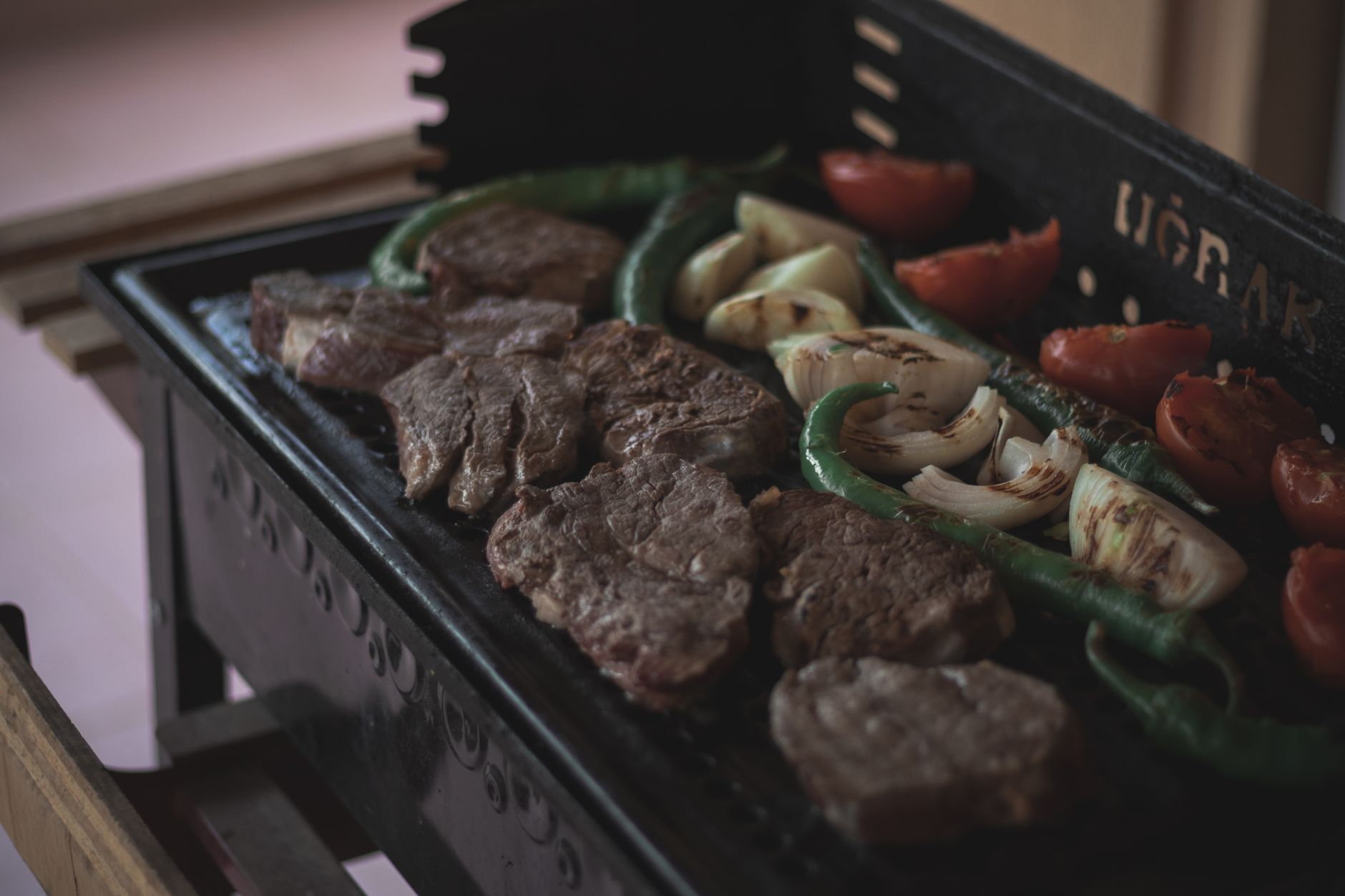
Teriyaki-style jerky combines soy sauce, brown sugar, ginger, and garlic for a sweet-savory profile, one of the most popular flavor directions for homemade jerky.
Peppered jerky uses a simpler marinade with a generous coating of coarse black pepper applied before drying, producing a straightforward, classic flavor that lets the meat itself shine through.
Spicy variations add cayenne, red pepper flakes, or hot sauce to a base marinade, adjustable to your personal heat tolerance and easily scaled up or down between batches.
Keep a simple record of marinade ratios and flavor combinations you particularly enjoy, since slight recipe adjustments between batches can otherwise be hard to remember and replicate consistently over time.
Common problems and fixes
| Problem | Likely cause | What to do |
|---|---|---|
| Jerky feels rubbery or too moist even after extended drying | Uneven airflow, overcrowded trays, or strips cut too thick. | Ensure adequate spacing between strips, rotate trays for even airflow, and slice more thinly in future batches. |
| Jerky develops mold during storage | Insufficient drying before storage, or moisture introduced during packaging. | Discard the affected batch, and ensure jerky passes the proper bend test and cools completely before sealing in future attempts. |
| Jerky tastes overly salty or intense | Marinating time too long relative to the marinade's salt concentration, or a particularly strong marinade recipe. | Reduce marinating time or dilute the marinade slightly in future batches, adjusting to your taste preference. |
Gardener's checklist
Test what you learned
What internal temperature must beef jerky reach for food safety?
Answer: 160°F
Why should lean cuts of meat be used for jerky?
Answer: Fat doesn't dehydrate properly and can cause rancidity
What indicates jerky is properly dried?
Answer: It bends and cracks slightly without snapping cleanly
Common questions
Can I make jerky in a regular oven instead of a dehydrator?
Yes, using the lowest temperature setting that still reaches 160°F, with the oven door propped open slightly to allow moisture to escape, produces results comparable to a dedicated dehydrator, though timing and monitoring may differ somewhat.
How long does homemade jerky last?
Properly dried and stored jerky typically lasts 1-2 months at room temperature, extending to 6 months to a year when refrigerated or frozen in an airtight or vacuum-sealed container.
Is it safe to make jerky at temperatures below 160°F?
Current USDA guidance recommends meat reach 160°F (poultry 165°F) before or during processing to reliably destroy harmful bacteria; relying solely on lower dehydrating temperatures doesn't meet this safety recommendation.
Can I use ground meat instead of whole muscle cuts for jerky?
Yes, ground meat jerky is a popular variation, typically formed into flat strips using a jerky gun or by hand, though it requires the same temperature safety guidance and generally benefits from a curing agent given ground meat's larger surface area and different risk profile.
Do I need to use a curing agent like pink salt for jerky?
A curing agent isn't strictly required for whole muscle jerky processed to a safe internal temperature, though some traditional recipes include it for additional color, flavor, and preservation benefits; ground meat jerky more commonly incorporates a curing agent given its different surface area and risk considerations.
Why did my jerky turn out tough and hard to chew?
This is usually caused by slicing with the grain instead of against it, or by overdrying past the ideal doneness point; slicing against the grain and testing for the proper bend-and-crack texture rather than relying on time alone typically produces a more tender result.
Homemade jerky rewards attention to lean meat selection and, critically, proper safe internal temperature, with a shelf-stable, protein-dense snack that captures traditional food preservation in a genuinely accessible home process.
Frequently asked questions
How often should a vegetable garden be watered?
Frequency depends on weather, soil and plant size. Check the soil rather than watering on a rigid schedule.
Is compost enough fertilizer?
Compost improves soil and provides nutrients slowly. Heavy-feeding crops may still need additional feeding.

The Sproutstead Editorial Team
We create clear, practical gardening and homesteading guides designed for real homes and beginner growers.
View author profile →