To make insecticidal soap, mix 1 tablespoon of mild liquid soap (like Castile soap) with 1 quart of water in a spray bottle. Add a few drops of vegetable oil (optional) to help the solution stick to leaves. Shake well and spray directly on pests (aphids, spider mites, whiteflies, mealybugs). Always test on a small area first and avoid spraying in hot, sunny conditions. For best results, apply in the evening and repeat every 5-7 days. This simple, inexpensive solution is effective against soft-bodied insects and is safe for beneficial insects when applied correctly.
What you will need
Choose the Right Soap
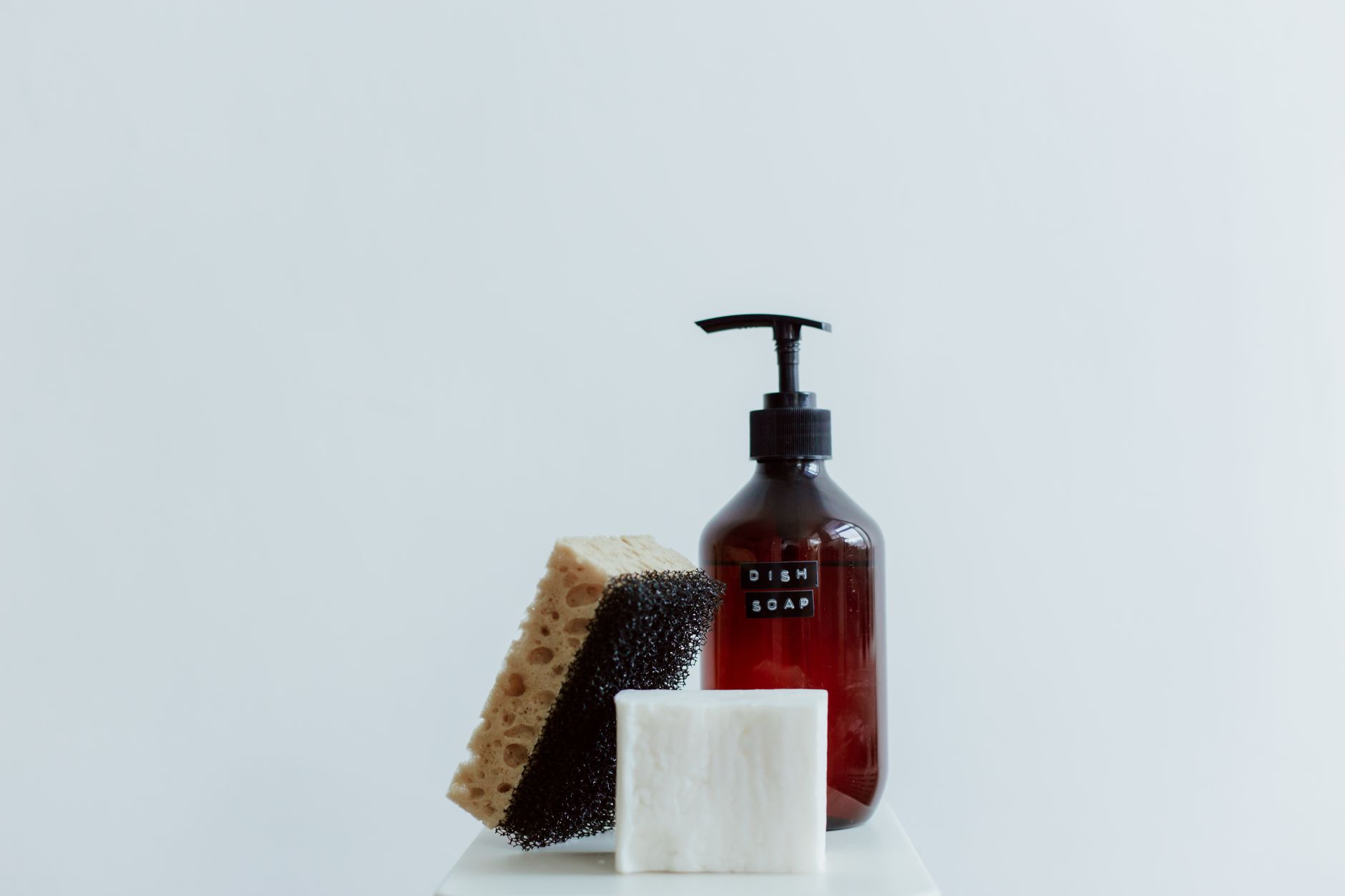
Best soaps: Castile soap (like Dr. Bronner's), mild liquid dish soap (unscented), or pure vegetable-based soap.
What to avoid: Soaps with additives: fragrances, dyes, degreasers, antibacterial agents, or moisturizers.
Why it matters: Additives can harm plants and reduce the effectiveness of the soap.
Recommended brands: Dr. Bronner's Castile soap, Seventh Generation dish soap, or any pure, unscented liquid soap.
Important: Never use dish soap that contains bleach, degreasers, or antibacterial ingredients.
Gather Ingredients and Equipment
Basic recipe: 1 tablespoon of mild liquid soap + 1 quart of water.
Optional additives: 1 teaspoon of vegetable oil (helps the solution stick to leaves) or 1 teaspoon of neem oil (adds pest control benefits).
Water: Use distilled water if possible—tap water can contain minerals that affect the soap's effectiveness.
Equipment: Spray bottle (16-32 oz), measuring spoons, funnel, and a label.
Mixing: Mix in a clean spray bottle. Shake well before each use.
Mix the Insecticidal Soap

Step 1: Add 1 tablespoon of mild liquid soap to 1 quart of water.
Step 2: If using oil, add 1 teaspoon of vegetable oil (optional).
Step 3: Close the bottle and shake well to mix thoroughly.
Step 4: Label the bottle with the date and ingredients.
Step 5: Use within 24 hours for best results—the solution degrades over time.
Test on a Small Area First

Why it's important: Some plants are sensitive to soap and can develop leaf burn.
How to test: Spray a small area (1-2 leaves) and wait 24 hours.
What to look for: Yellowing, browning, or wilting of the test leaves.
If damage occurs: Dilute the solution with more water (1 teaspoon soap per quart instead of 1 tablespoon).
Safe plants: Most plants tolerate insecticidal soap well, but sensitive plants include ferns, succulents, and delicate seedlings.
Apply to Affected Plants

When to spray: Spray in the evening or early morning to avoid hot, sunny conditions.
How to apply: Spray on all leaf surfaces (especially undersides) until the plant is thoroughly wet.
Target: Focus on areas where pests are concentrated (undersides of leaves, new growth).
Frequency: Apply every 5-7 days until the infestation is gone.
Don't over-spray: Apply enough to wet the plant, but not so much that it drips excessively.
Use for Different Pests
Aphids: Effective—spray directly on aphids.
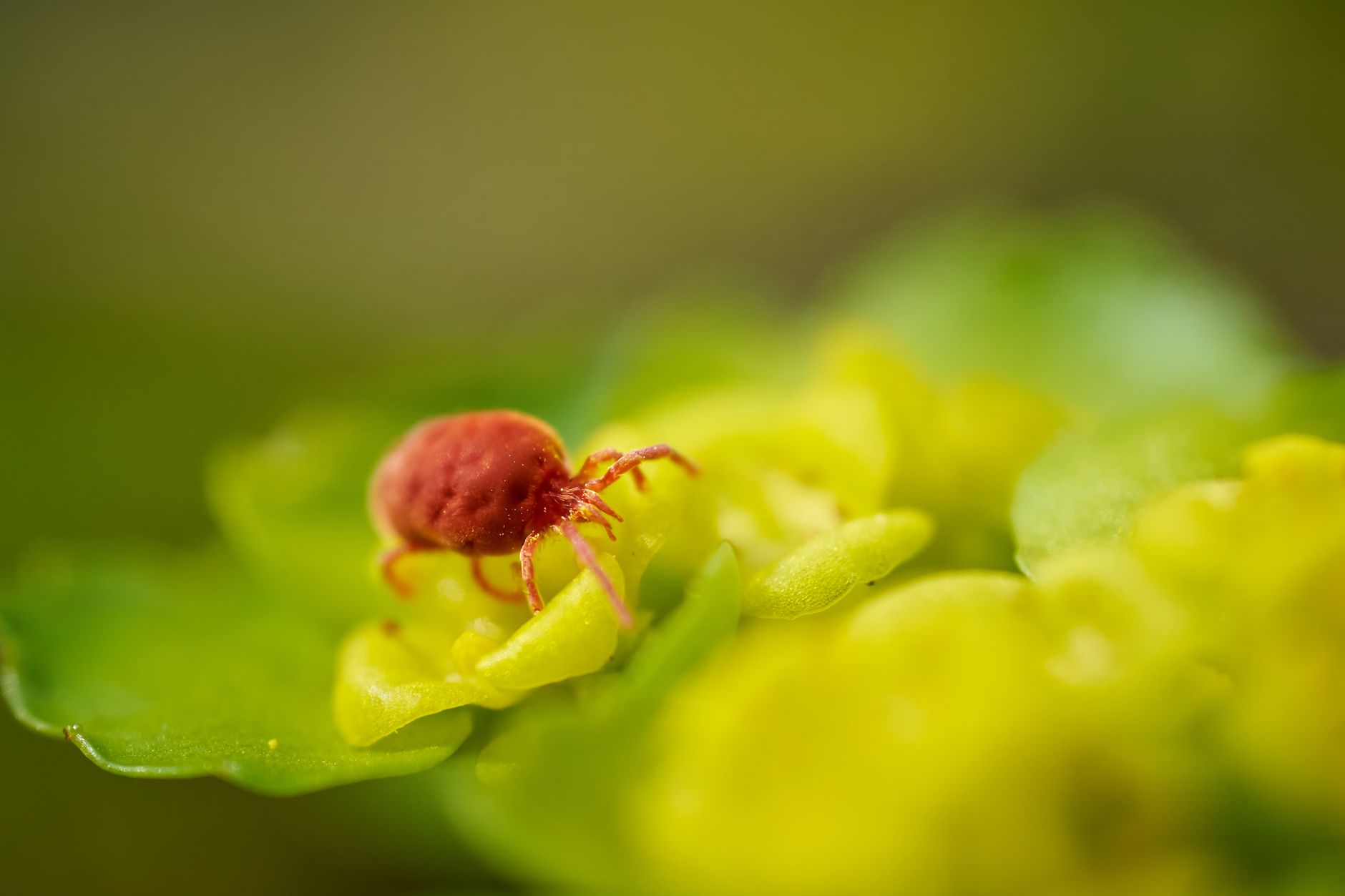
Spider mites: Effective—spray on undersides of leaves where mites hide.
Whiteflies: Effective—spray on nymphs and adults.
Mealybugs: Effective—spray directly on mealybugs.
Thrips: Effective—spray on thrips and their hiding places.
Scale insects: Less effective on adults—best on crawlers (nymphs).
Store and Dispose Properly

Shelf life: Use the solution within 24 hours. It degrades over time.
Storage: Store in a cool, dark place in a labeled spray bottle.
Labeling: Label with the date and ingredients.
Disposal: Dispose of any unused solution safely—don't pour it into water sources.
Safety: Keep out of reach of children and pets.
Safety and Environmental Tips

Avoid bees: Don't spray on flowers—insecticidal soap can harm bees.
Beneficial insects: Avoid spraying in areas where beneficial insects are active.
Rain: Spray on a dry day—rain will wash the soap off.
Temperature: Avoid spraying when temperatures are above 85°F or below 50°F.
Organic gardening: Insecticidal soap is approved for organic gardening.
Common problems and fixes
| Problem | Likely cause | What to do |
|---|---|---|
| Leaf burn after spraying | Too much soap or spraying in hot, sunny weather. | Dilute the solution (1 teaspoon per quart) and spray in the evening. |
| Pests not dying | Not enough coverage or wrong concentration. | Spray more thoroughly. Reapply every 5-7 days. |
| Soap not mixing with water | Hard water or not shaking enough. | Use distilled water and shake well. |
| Solution is too foamy | Too much soap or adding soap to water too quickly. | Use less soap or add soap slowly to water. |
Gardener's checklist
Test what you learned
What is the basic insecticidal soap recipe?
Answer: 1 tbsp mild liquid soap + 1 quart water
What kind of soap should you use?
Answer: Pure, unscented liquid soap
When is the best time to spray insecticidal soap?
Answer: Evening or early morning
What pests does insecticidal soap control?
Answer: Aphids, spider mites, whiteflies
How often should you reapply insecticidal soap?
Answer: Every 5-7 days
Common questions
Can I use dish soap to make insecticidal soap?
Yes, but use a mild, unscented dish soap without additives (like degreasers or antibacterial agents).
Will insecticidal soap harm bees?
Yes, insecticidal soap can harm bees if sprayed on flowers. Avoid spraying when bees are active and don't spray on flowering plants.
How long does homemade insecticidal soap last?
Use within 24 hours. The solution degrades over time and becomes less effective.
Can I use insecticidal soap on vegetables?
Yes, insecticidal soap is safe for vegetables. Wash vegetables thoroughly before eating.
What's the difference between insecticidal soap and neem oil?
Insecticidal soap kills on contact and works quickly. Neem oil also disrupts insect growth and has systemic effects. They can be used together for better results.
Homemade insecticidal soap is a simple, safe, and effective natural pest control solution. Mix 1 tablespoon of pure, unscented liquid soap with 1 quart of water. Add a teaspoon of vegetable oil to help it stick to leaves. Spray in the evening, covering all leaf surfaces (especially undersides). Test on a small area first, reapply every 5-7 days, and avoid spraying on flowers to protect bees. With this easy recipe, you can control aphids, spider mites, whiteflies, and other soft-bodied pests without harsh chemicals.
Frequently asked questions
How often should a vegetable garden be watered?
Frequency depends on weather, soil and plant size. Check the soil rather than watering on a rigid schedule.
Is compost enough fertilizer?
Compost improves soil and provides nutrients slowly. Heavy-feeding crops may still need additional feeding.

The Sproutstead Editorial Team
We create clear, practical gardening and homesteading guides designed for real homes and beginner growers.
View author profile →