Moles are burrowing insectivores that create tunnels and mounds in lawns and gardens. To get rid of moles, the most effective method is trapping with mole traps (like harpoon or scissor traps). Apply castor oil-based repellents to deter moles naturally. Use vibration devices or sonic spikes to repel them. Remove food sources (grubs, earthworms) to reduce their food supply. Create barriers (hardware cloth) to exclude moles from specific areas. Prevention is key: maintain a healthy lawn, reduce grub populations, and keep soil moist. Moles are active year-round, so persistence is essential. Remember, moles eat insects—they don't eat plants.
What you will need
Identify Mole Activity
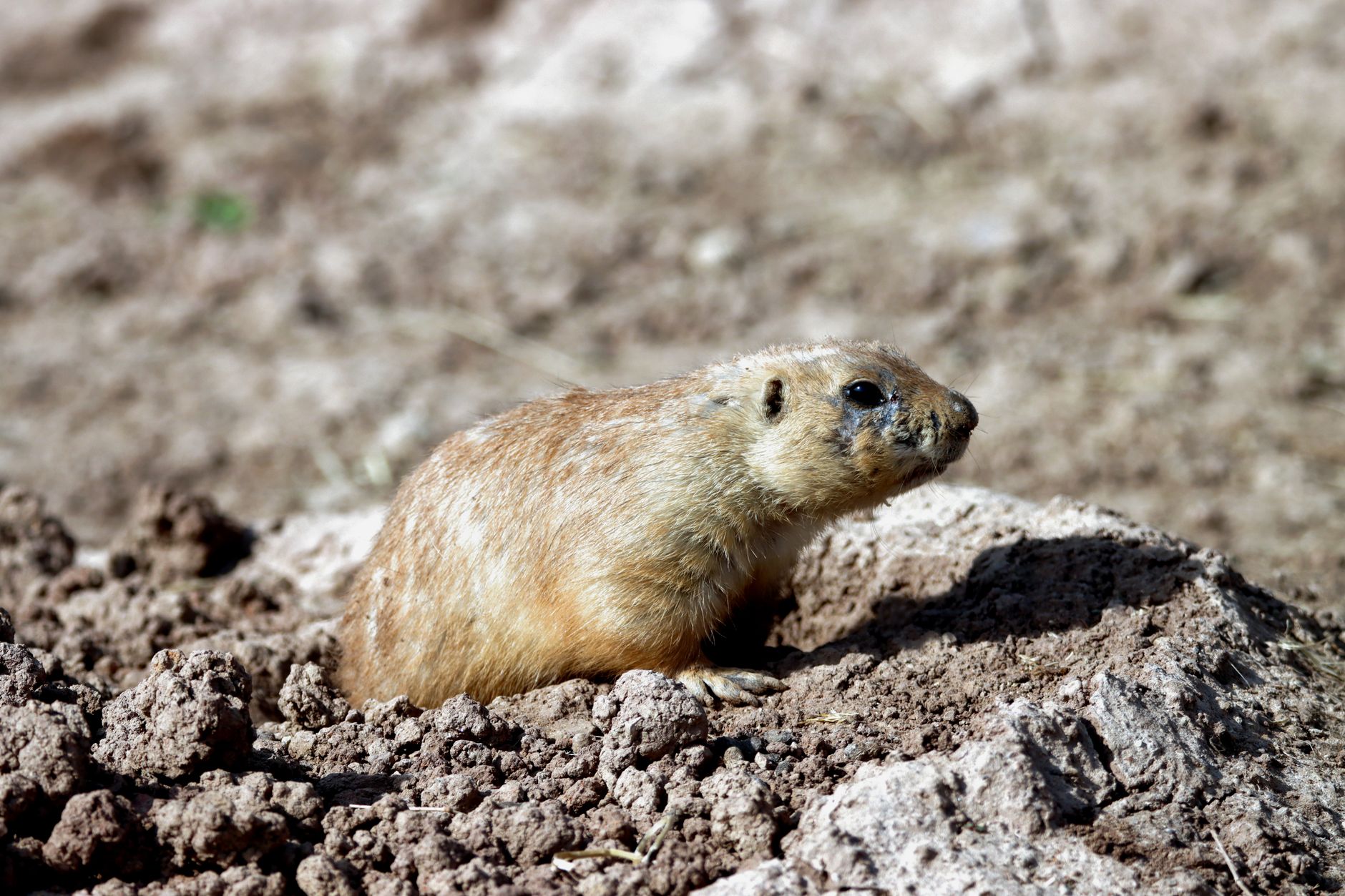
What they look like: Small, cylindrical bodies (5-7 inches), brownish-gray fur, tiny eyes, and large shovel-like front paws.
Signs of activity: Raised surface tunnels (ridges), mounds of soil (molehills), and spongy soil in the lawn.
What they eat: Earthworms, grubs, and other soil insects. They don't eat plant roots or vegetation.
Where they live: Underground tunnels and burrows. They create surface tunnels for feeding and deep tunnels for nesting.
When they're active: Year-round, most active in spring and fall when the soil is moist.
Use Traps Effectively
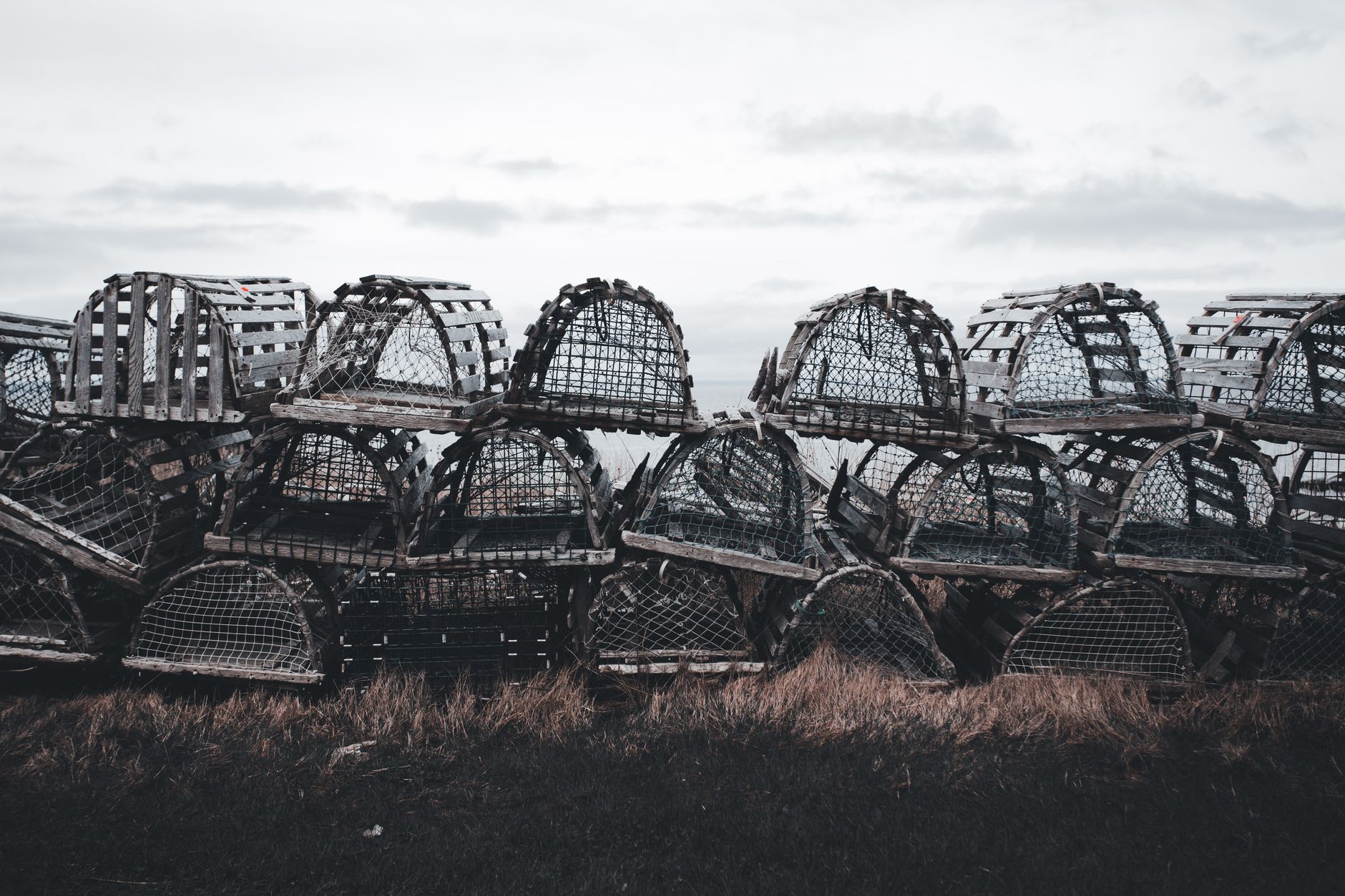
Best traps: Harpoon traps, scissor traps, or choker traps. Harpoon traps are the most common.
How to set: 1) Locate an active tunnel (find a fresh mound or raised ridge). 2) Flatten the tunnel and set the trap. 3) Place the trap over the tunnel.
Placement: Place traps in active tunnels (fresh mounds indicate activity). Set traps in the main runway.
Checking: Check traps daily and reset as needed. Dispose of moles humanely.
Tips: Wear gloves when handling traps to avoid leaving human scent.
Apply Castor Oil Repellents
How it works: Castor oil irritates moles' digestive systems and makes the soil unpalatable, driving them away.
How to use: Apply castor oil-based repellent (available at garden centers) to lawns and garden beds.
DIY recipe: Mix 2 tablespoons of castor oil with 1 gallon of water. Spray on the lawn.
Reapplication: Reapply after rain and every 2-3 weeks.
Benefits: It's non-toxic and safe for pets and wildlife.
Use Sonic or Vibration Devices

How it works: Sonic devices emit vibrations and sounds that moles find uncomfortable.
How to use: Place spikes in the ground at intervals of 10-20 feet.
Best for: Large areas and lawns.
Limitations: Moles can adapt to the sounds over time.
Tips: Combine with other methods for best results.
Remove Food Sources

Why it works: Moles eat grubs, earthworms, and other soil insects. Reducing their food supply makes the area less attractive.
How to do it: Apply beneficial nematodes or milky spore to control grubs in the lawn.
Earthworms: You can't eliminate earthworms completely, but reducing grubs helps.
Benefits: It's a long-term solution that also improves lawn health.
Timing: Apply grub control in late summer when grubs are actively feeding.
Create Barriers

Hardware cloth: Use 1/2-inch hardware cloth to create barriers around garden beds.
How to install: Bury hardware cloth 12-18 inches deep around garden beds.
Raised beds: Line the bottom of raised beds with hardware cloth.
Tree protection: Protect young trees with wire cages.
Benefits: It's a permanent solution for specific areas.
Encourage Natural Predators
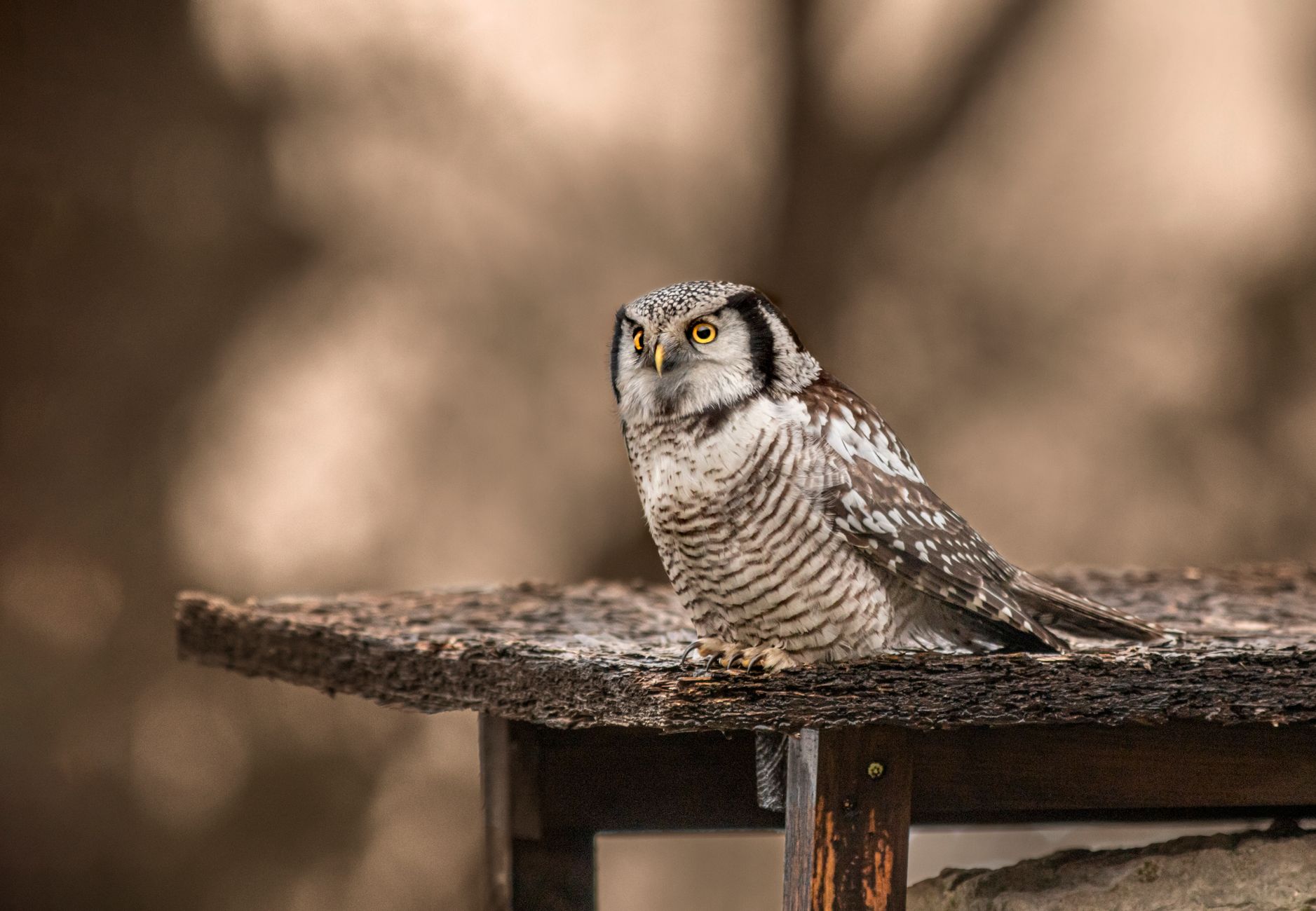
Predators: Owls, hawks, snakes, coyotes, and foxes eat moles.
How to attract: Install owl boxes, provide perches for hawks, and maintain habitat for snakes.
Benefits: Natural predators provide long-term, sustainable control.
Tips: Keep grass short to allow predators to spot mole activity.
Prevent Future Mole Problems
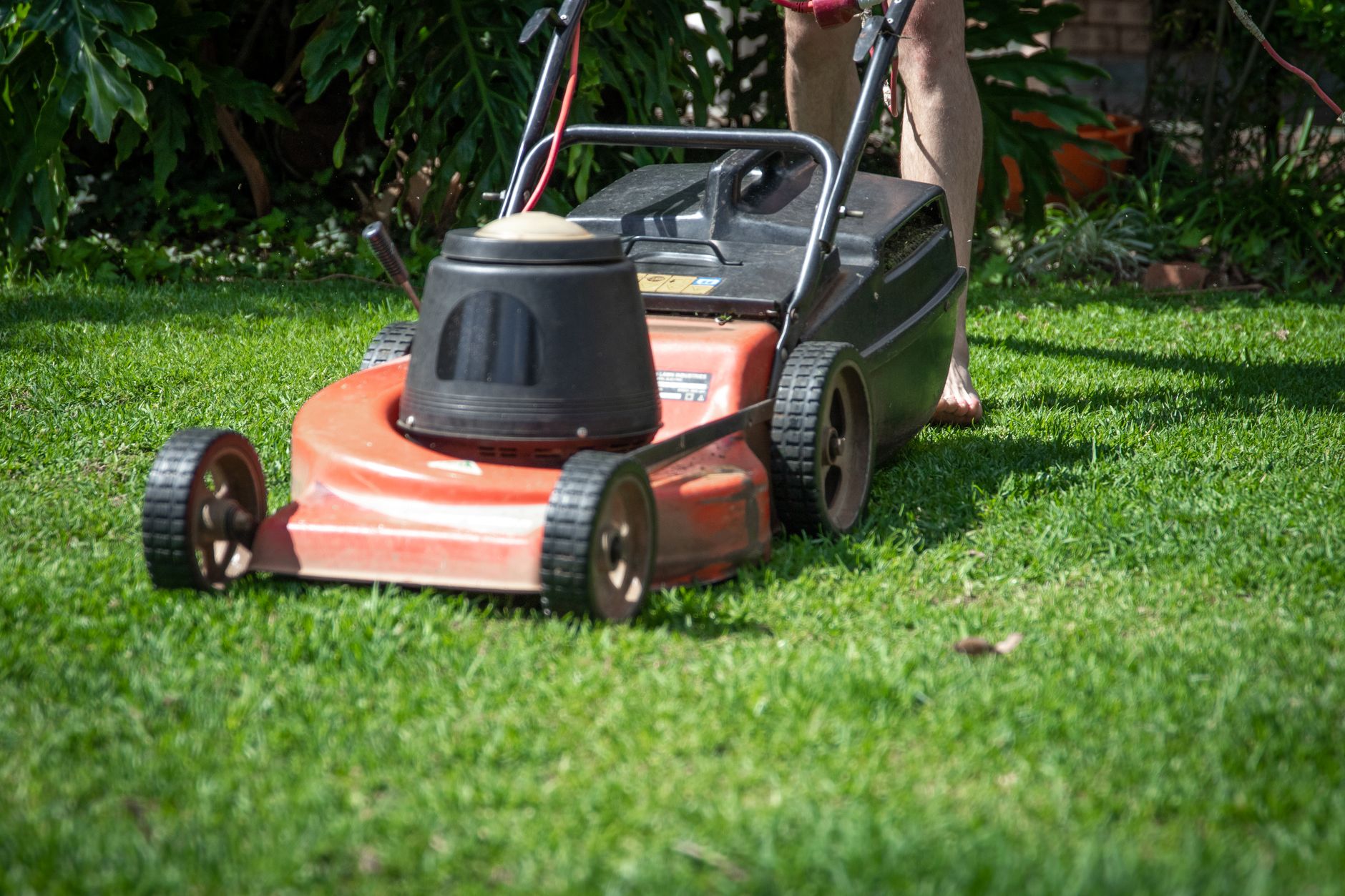
Maintain a healthy lawn: A thick, healthy lawn is less attractive to moles.
Reduce grub populations: Apply beneficial nematodes or milky spore to control grubs.
Keep soil moist: Moles prefer moist soil. Improve drainage.
Remove debris: Remove piles of rocks, wood, and debris where moles may nest.
Monitor: Check your lawn regularly for signs of mole activity.
Common problems and fixes
| Problem | Likely cause | What to do |
|---|---|---|
| Moles returning quickly | New moles moving in or food sources still present. | Remove food sources and use multiple control methods. |
| Traps not catching moles | Wrong trap placement or inactive tunnel. | Place traps in active tunnels (fresh mounds). Use multiple traps. |
| Repellents not working | Moles are already established. | Use trapping as the primary method. Repellents are less effective on established populations. |
| Moles in raised beds | No hardware cloth barrier at the bottom. | Line the bottom of raised beds with 1/2-inch hardware cloth. |
Gardener's checklist
Test what you learned
What do moles eat?
Answer: Earthworms and grubs
What is the most effective mole control method?
Answer: Trapping
What is a natural repellent for moles?
Answer: Castor oil
What is the difference between moles and voles?
Answer: Moles eat insects, voles eat plants
What is a natural predator of moles?
Answer: Owls
Common questions
Can moles damage my house foundation?
Moles can burrow under foundations, but they typically don't cause structural damage. However, they can damage lawns, gardens, and landscaping.
Do moles carry diseases?
Moles can carry fleas and ticks. Avoid handling them and wear gloves when disposing of trapped moles.
How many moles live in an area?
Moles are territorial, and usually only 1-2 moles live per acre.
Can I use poison for moles?
Poison is not recommended—it's dangerous to pets and wildlife. Use traps or repellents instead.
How do I prevent moles naturally?
Encourage natural predators (owls, hawks, snakes), reduce grub populations, and use castor oil repellents.
Moles can damage lawns and gardens, but you can control them with a combination of methods. Trapping is the most effective approach—use harpoon or scissor traps in active tunnels. Apply castor oil repellents for deterrence and use sonic spikes to repel them. Remove food sources (grubs, earthworms) to reduce their food supply. Install hardware cloth barriers for permanent exclusion. Encourage natural predators like owls and hawks. With persistence and a multi-method approach, you can successfully manage mole populations and protect your garden.
Frequently asked questions
How often should a vegetable garden be watered?
Frequency depends on weather, soil and plant size. Check the soil rather than watering on a rigid schedule.
Is compost enough fertilizer?
Compost improves soil and provides nutrients slowly. Heavy-feeding crops may still need additional feeding.

The Sproutstead Editorial Team
We create clear, practical gardening and homesteading guides designed for real homes and beginner growers.
View author profile →