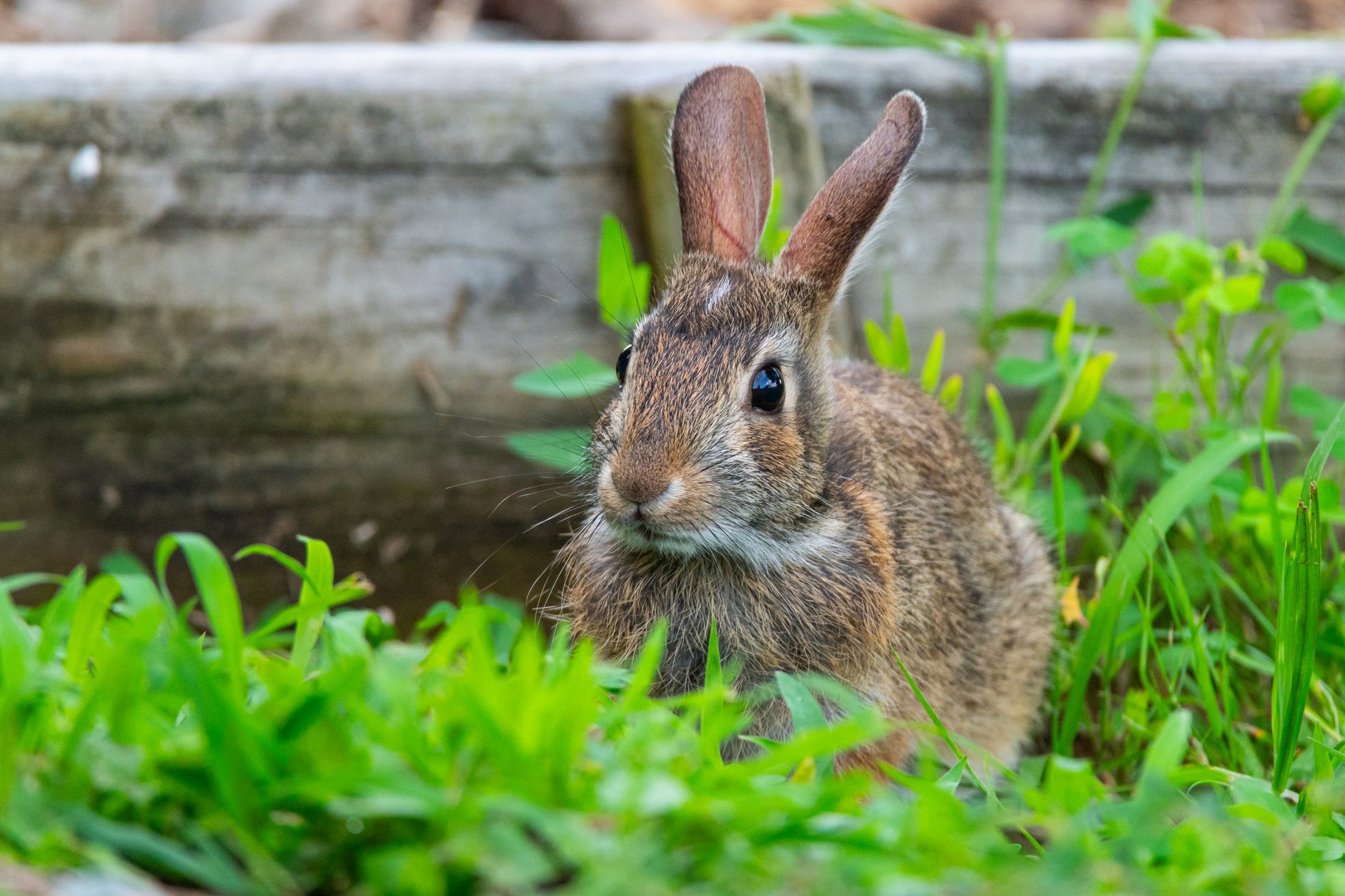
Rabbits are prolific garden pests that eat vegetables, flowers, and seedlings. The most effective rabbit control method is a physical fence: 2-3 feet tall, with 1-inch mesh hardware cloth, buried 6 inches deep (or bent outward). Apply natural repellents like garlic, hot pepper, or predator urine, rotating them regularly. Remove habitat: keep grass short, remove brush piles, and eliminate hiding places. Protect individual plants with wire cages or netting. Plant rabbit-resistant species: lavender, sage, marigolds, daffodils, and ornamental grasses. For persistent problems, use live traps and relocate rabbits at least 5 miles away.
What you will need
Understand Rabbit Behavior

What they eat: Vegetables (especially beans, peas, lettuce, carrots), flowers (hostas, tulips, roses), seedlings, and tree bark.
When they feed: Rabbits are crepuscular—most active at dusk and dawn. They also feed at night.
Why they're a problem: A single rabbit can eat large amounts of garden plants. They can quickly destroy a vegetable garden.
How they get in: They squeeze through small gaps, dig under fences, or simply walk through open gates.
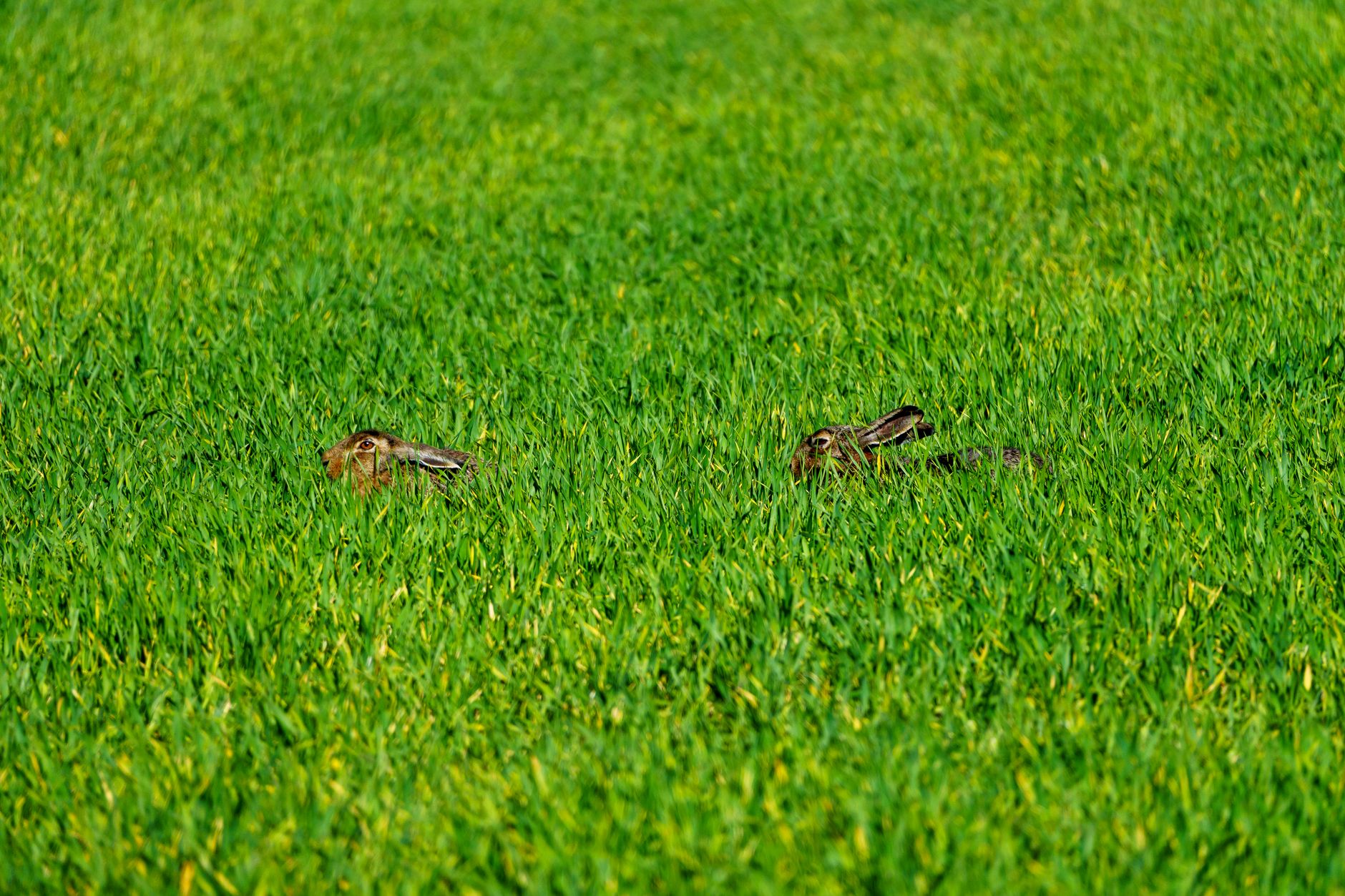
Habitat: They hide in brush piles, tall grass, and under shrubs. Removing habitat reduces rabbit activity.
Install a Physical Fence

Height: A fence should be 2-3 feet tall. Rabbits can't jump high, but they can squeeze through small gaps.
Mesh: Use 1-inch mesh hardware cloth or chicken wire. Smaller mesh prevents rabbits from squeezing through.
Bury: Bury the fence 6 inches deep to prevent digging. Alternatively, bend the bottom 6 inches outward (L-shape).
Gates: Ensure gates are flush with the ground and securely latched.
Materials: Use galvanized hardware cloth (longer lasting) or chicken wire (cheaper but less durable).
Inspection: Check fencing regularly for damage and gaps.
Apply Natural Repellents
Garlic spray: Blend garlic with water and spray on plants. Reapply after rain.
Hot pepper spray: Mix cayenne pepper with water and spray on plants.
Predator urine: Coyote or fox urine signals danger to rabbits.
Blood meal: Sprinkle blood meal around garden plants (also adds nitrogen to soil).
Reapplication: Reapply repellents after rain and every 2-3 weeks.
Rotate: Rotate repellents regularly to prevent habituation.
Use Scare Tactics

Motion-activated sprinklers: Detect movement and spray water—scares rabbits away.
Motion-activated lights: Bright lights startle rabbits at night.
Decoy predators: Place decoy owls, hawks, or snakes in the garden. Move them regularly.
Reflective tape: Hang shiny, reflective tape in the garden.
Noisemakers: Wind chimes, ultrasonic devices, and other noisemakers can deter rabbits.
Remove Habitat

Keep grass short: Rabbits hide in tall grass. Mow regularly.
Remove brush piles: Brush piles provide shelter for rabbits.
Remove debris: Remove piles of leaves, rocks, and other debris.
Trim shrubs: Trim low-hanging branches and shrubs to eliminate hiding places.
Reduce cover: A well-maintained yard is less attractive to rabbits.
Protect Individual Plants
Wire cages: Surround individual plants with wire cages (hardware cloth or chicken wire).
Netting: Cover plants with netting or row covers.
Tree guards: Protect young trees with wire guards (prevent bark damage).
Cloches: Use cloches or plant covers for seedlings.
Best for: High-value plants, vegetables, and young trees.
Plant Rabbit-Resistant Species

Herbs: Lavender, sage, rosemary, thyme, mint, oregano—rabbits dislike strong scents.
Flowers: Marigolds, daffodils, alliums, poppies, foxglove, and snapdragons.
Shrubs: Boxwood, barberry, juniper, and holly.
Ornamental grasses: Rabbits generally avoid ornamental grasses.
Vegetables: Rabbits avoid onions, garlic, and leeks.
Strategy: Plant these around the perimeter of your garden as a natural barrier.
Use Live Traps

Best traps: Use live traps (Havahart size 1080 or similar) for rabbits.
Bait: Use apples, carrots, lettuce, or other vegetables.
Placement: Place traps along fences, walls, or near areas of activity.
Checking: Check traps frequently (at least twice daily). Rabbits can die quickly in hot or cold weather.
Relocation: Relocate rabbits at least 5 miles away in a suitable habitat. Check local regulations.
Common problems and fixes
| Problem | Likely cause | What to do |
|---|---|---|
| Rabbits digging under the fence | Fence not buried deep enough. | Bury fence 6 inches deep or bend outward 6 inches. |
| Rabbits squeezing through the fence | Mesh is too large or gaps in the fence. | Use 1-inch mesh hardware cloth and check for gaps. |
| Repellents not working | Not reapplying or rabbits getting used to them. | Reapply after rain and rotate repellents. |
| Rabbits eating rabbit-resistant plants | Young, tender plants or rabbits getting desperate. | Protect individual plants with cages or netting. |
Gardener's checklist
Test what you learned
How tall should a rabbit-proof fence be?
Answer: 2-3 feet
How deep should you bury the fence to prevent digging?
Answer: 6 inches
What mesh size is best for rabbit fencing?
Answer: 1-inch mesh
What is a natural repellent for rabbits?
Answer: Garlic spray
Which plant is rabbit-resistant?
Answer: Lavender
Common questions
Do rabbits eat tomatoes?
Yes, rabbits will eat tomato plants and fruits. Protect tomato plants with cages or netting.
Can rabbits climb fences?
Rabbits are poor climbers but can squeeze through small gaps and dig under fences.
Do ultrasonic rabbit repellents work?
Ultrasonic devices can deter rabbits initially, but rabbits quickly adapt. They're best used in combination with other methods.
Does human hair repel rabbits?
Some gardeners use human hair as a repellent, but it's less effective than commercial repellents and needs frequent replacement.
Will rabbits eat marigolds?
Rabbits generally avoid marigolds—they have a strong scent that rabbits dislike. Plant them as a natural barrier.
Rabbits can quickly decimate a garden, but you can protect your plants with a combination of methods. Install a 2-3 foot fence with 1-inch mesh, buried 6 inches deep to prevent digging. Apply repellents (garlic, hot pepper, predator urine) and rotate them regularly. Remove habitat by keeping grass short and clearing brush piles. Protect individual plants with wire cages or netting. Plant rabbit-resistant species (lavender, sage, marigolds) as natural barriers. With persistence and a multi-method approach, you can keep rabbits out of your garden.
Frequently asked questions
How often should a vegetable garden be watered?
Frequency depends on weather, soil and plant size. Check the soil rather than watering on a rigid schedule.
Is compost enough fertilizer?
Compost improves soil and provides nutrients slowly. Heavy-feeding crops may still need additional feeding.

The Sproutstead Editorial Team
We create clear, practical gardening and homesteading guides designed for real homes and beginner growers.
View author profile →