
Make basic compost tea by steeping finished compost in water for 24-48 hours, then straining out the solids and using the resulting liquid to water plants, providing a mild nutrient boost. For enhanced biological activity, aerated compost tea uses an air pump to oxygenate the mixture while brewing, potentially increasing beneficial microorganism populations, though this method requires more equipment and careful technique to avoid promoting harmful organisms instead.
What you will need
Choose Quality Finished Compost

Use fully finished, well-decomposed compost, dark and crumbly with an earthy smell, rather than partially finished compost still containing recognizable, undecomposed material.
Compost tea extracts and concentrates whatever is present in your starting compost, meaning quality genuinely matters; poor-quality or immature compost produces correspondingly less beneficial tea.
Avoid using compost that included any questionable materials (meat, diseased plants, or similar), since compost tea can potentially concentrate any problematic elements from marginal starting material.
Homemade compost from a well-managed pile, or quality purchased compost, both work well as a starting point, with the key factor being genuine, complete decomposition rather than the specific source.
Consider setting aside a portion of your best, most finished compost specifically for tea-making, since this liquid application benefits from starting with your highest-quality material rather than whatever happens to be available.
Make Basic Steeped Compost Tea
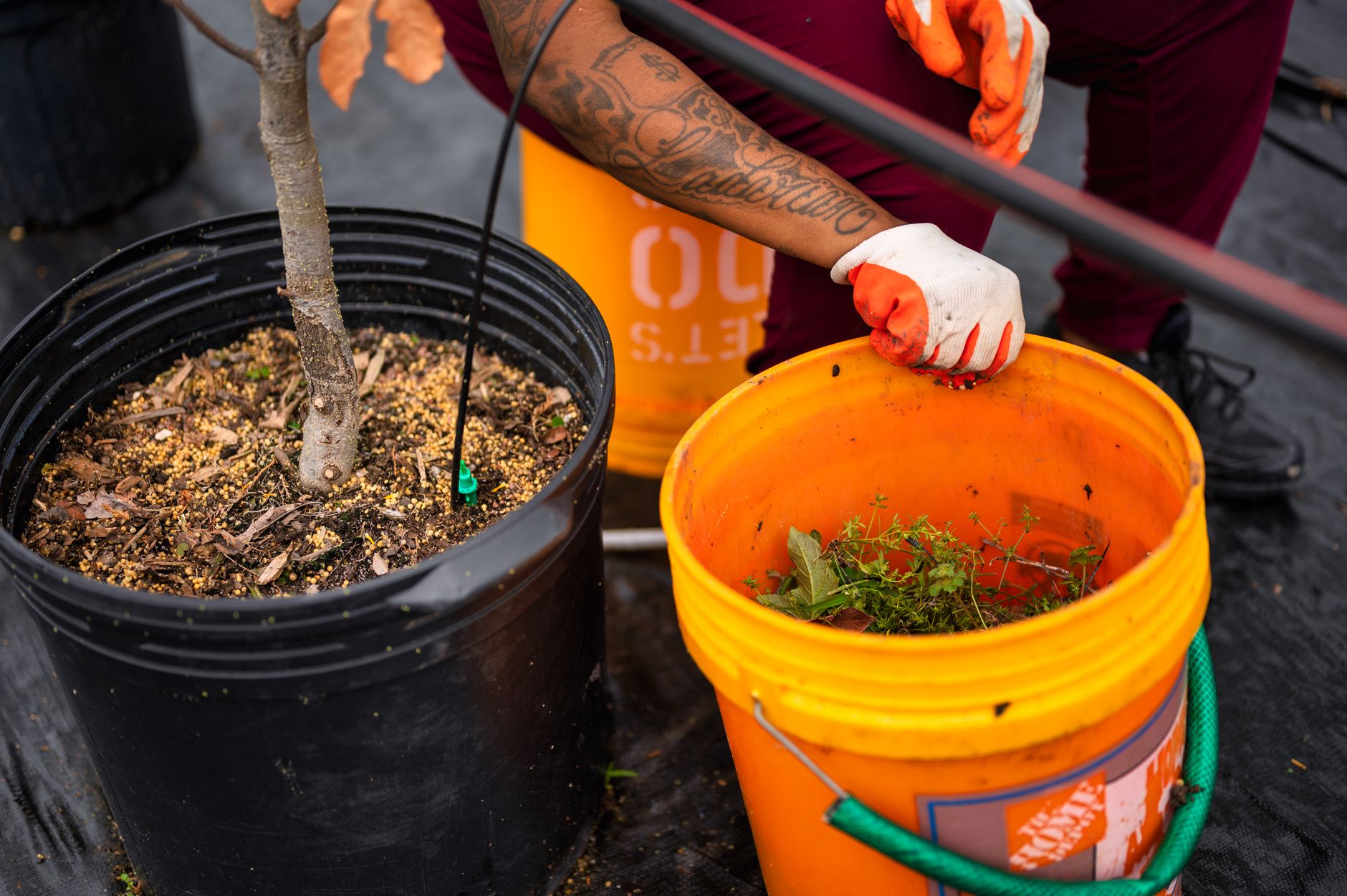
Combine roughly 1 part finished compost to 4-5 parts water in a large bucket, using a ratio that provides meaningful extraction without needing to add excessive compost quantities.
Let the mixture steep for 24-48 hours, stirring occasionally, which allows water-soluble nutrients and some microorganisms to move from the compost into the surrounding water.
Use dechlorinated water if possible, since chlorine in tap water can potentially harm the beneficial microorganisms you're trying to extract and preserve in the tea; letting tap water sit uncovered for 24 hours before use allows chlorine to dissipate naturally.
This basic method, while simpler than aerated brewing, still produces a genuinely useful liquid fertilizer, providing readily available nutrients extracted from your compost in a form plants can quickly absorb.
Cover the steeping bucket loosely, allowing some airflow while keeping out debris and pests, rather than sealing it completely airtight during the steeping period.
Consider Aerated Compost Tea for Enhanced Biology

Aerated compost tea uses an aquarium air pump and air stone to continuously oxygenate the compost-water mixture during brewing, theoretically supporting the growth of beneficial aerobic microorganisms rather than the potentially less desirable anaerobic organisms that can develop without adequate oxygen.
Combine compost and water in a similar ratio to basic steeping, then run the air pump continuously for 24-36 hours, maintaining active bubbling and circulation throughout the brewing period.
This method requires more careful attention than basic steeping, since inadequate aeration partway through can actually promote the growth of anaerobic organisms, potentially creating tea with an unpleasant odor and questionable benefit compared to a properly aerated batch.
Some compost tea additives, like molasses, are sometimes used specifically to feed and multiply beneficial microorganisms during aerated brewing, though this technique adds complexity and isn't necessary for a basic, useful batch.
The scientific evidence for aerated compost tea's superiority over basic steeped tea is genuinely mixed, with some studies showing meaningful benefits and others finding less dramatic differences, so approach dramatic claims about this method with reasonable skepticism while still recognizing its potential value.
Strain Before Application

Strain the finished tea through cheesecloth, a fine mesh bag, or a similar material, removing solid compost particles that could otherwise clog a sprayer or make application through a fine watering can rose difficult.
Alternatively, brew compost inside a mesh bag or old pillowcase submerged in the water from the start, similar to how a tea bag works, which simplifies straining since you simply remove the bag rather than filtering afterward.
Save the strained-out solid compost material, which still retains nutritional value and can be worked directly into garden soil or added back to an active compost pile rather than discarded.
For basic soil-drench application rather than fine spraying, straining can be somewhat less critical, though it still makes the tea easier to pour and distribute evenly without clogging any application equipment you're using.
Use the strained tea relatively promptly after preparation, particularly for aerated tea, since beneficial microorganism populations can decline once active aeration stops and the tea sits without oxygen circulation.
Apply to Soil or as a Foliar Spray
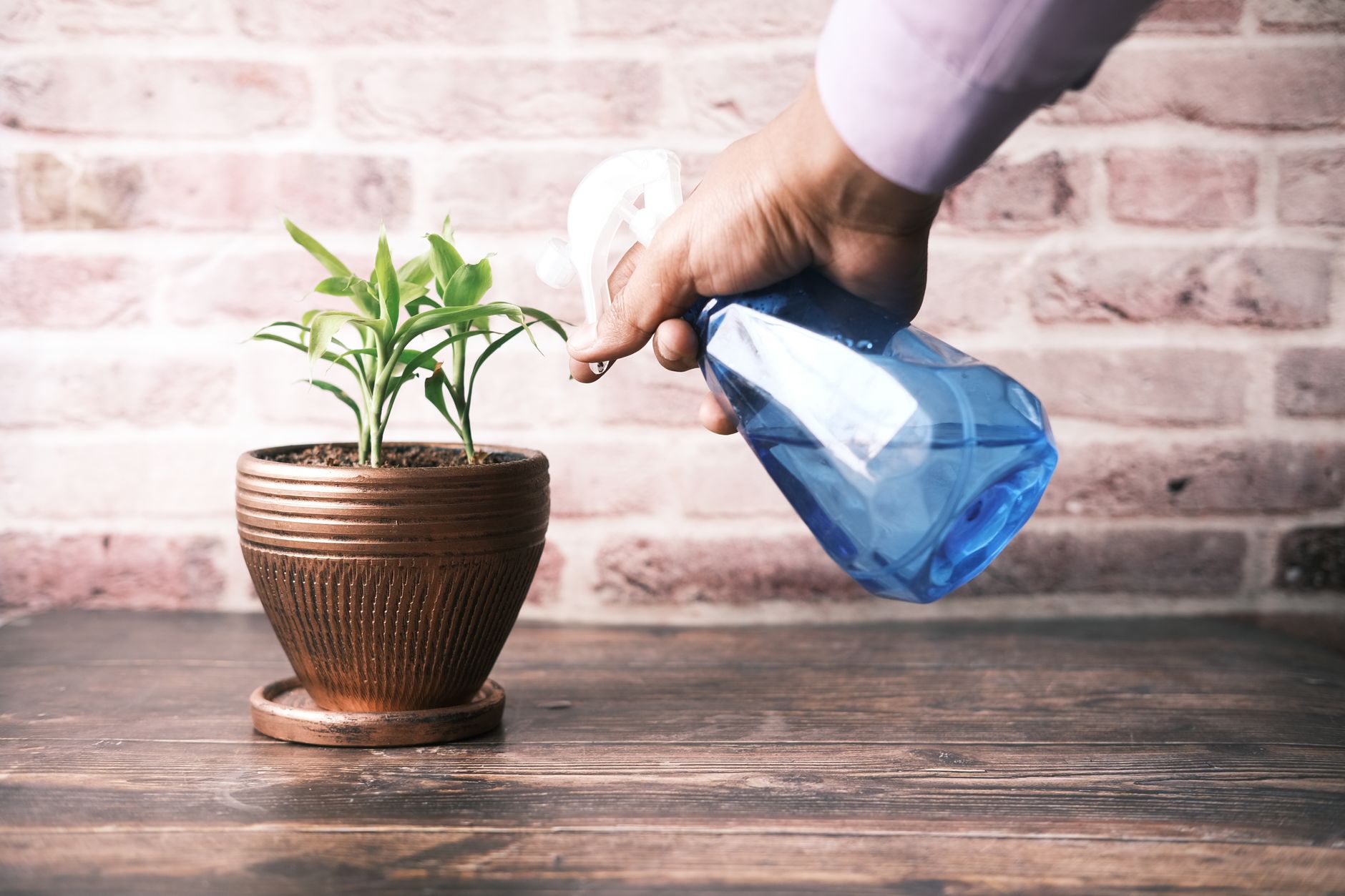
For a soil drench, water diluted compost tea directly at the base of plants, delivering nutrients and any beneficial microorganisms to the root zone, similar to regular watering but with added benefit.
For foliar application, spray strained compost tea directly onto leaf surfaces, which some gardeners believe helps establish beneficial microorganisms on foliage that may help compete with or resist certain plant pathogens, though this specific benefit remains an area of ongoing research rather than firmly established fact.
Apply in the early morning or evening rather than intense midday sun, particularly for foliar application, since this general precaution applies to most liquid treatments to avoid potential leaf scorch in direct, hot sunlight.
Apply every 2-4 weeks during the active growing season as a supplemental treatment alongside your regular soil-building and fertilizing practices, rather than as your sole source of plant nutrition.
Use aerated compost tea within about 4-6 hours of brewing completion for foliar application specifically, since the beneficial microorganism populations this method aims to boost decline relatively quickly once aeration stops.
Set Realistic Expectations for Results
Compost tea provides a genuine, if relatively modest, supplemental nutrient and (potentially) biological boost, working best alongside consistent solid compost application and other soil-building practices rather than as a standalone comprehensive fertilizer replacement.
Some enthusiastic claims about compost tea, particularly regarding disease suppression and dramatic yield increases, exceed what current research consistently supports, so approach the most dramatic marketing claims with reasonable skepticism.
The genuine, well-supported benefits include providing readily available nutrients in liquid form and potentially introducing beneficial microorganisms to soil or foliage, both worthwhile contributions even without more dramatic claimed effects.
Use compost tea as one component of an overall soil health strategy, including regular solid compost application, appropriate fertilizing based on soil testing, and good cultural practices, rather than expecting it to compensate for gaps in these other fundamentals.
The process of making and using compost tea, beyond its direct plant benefits, also represents a low-cost, sustainable way to extend the value of your existing compost across a larger application area than the solid material alone would cover.
Use Compost Tea for Houseplants and Seedlings
Houseplants generally respond well to compost tea applied every 4-6 weeks during their active growing season, offering a gentle alternative or supplement to more concentrated commercial houseplant fertilizers.
Seedlings and young transplants benefit from compost tea's mild strength, since it's generally gentler than many concentrated fertilizers, though still diluting further than standard strength is a reasonable precaution for very young plants.
This gentle nature makes compost tea a genuinely low-risk option for gardeners nervous about burning tender plants with more concentrated commercial fertilizer products.
Apply compost tea to seedlings once they've developed their first true leaves, similar to timing guidance for other fertilizers, rather than immediately after germination when they're at their most delicate stage.
Common problems and fixes
| Problem | Likely cause | What to do |
|---|---|---|
| Compost tea develops an unpleasant, foul odor | Anaerobic decomposition occurring, particularly likely with aerated brewing if aeration wasn't consistently maintained. | Discard the batch, and ensure consistent, adequate aeration throughout the brewing period in future attempts. |
| Strained tea clogs the sprayer during application | Insufficient straining, leaving fine particles that block sprayer nozzles. | Strain more thoroughly through finer mesh material, or use a soil drench watering can application instead of a fine sprayer. |
Gardener's checklist
Test what you learned
What is the recommended compost-to-water ratio for basic compost tea?
Answer: 1 to 4-5
Why should aerated compost tea be used within 4-6 hours of brewing?
Answer: Beneficial microorganism populations decline once aeration stops
Should compost tea replace all other fertilizing practices?
Answer: No, it works best as a supplemental treatment alongside other practices
Common questions
What is the difference between basic and aerated compost tea?
Basic tea simply steeps compost in water without active aeration, while aerated tea uses an air pump to continuously oxygenate the mixture, theoretically supporting more beneficial aerobic microorganism growth, though evidence for its superiority over basic tea is genuinely mixed.
How often should I apply compost tea?
Every 2-4 weeks during the active growing season works well as a supplemental treatment, used alongside regular solid compost application and other soil-building practices rather than as your sole fertilizing method.
Does compost tea really prevent plant diseases?
Some research suggests potential disease-suppression benefits from beneficial microorganisms in compost tea, though this effect isn't consistently proven across all studies, so treat disease prevention as a possible bonus rather than a reliable primary strategy.
Can I use compost tea on all my plants?
Yes, compost tea works as a gentle, supplemental treatment for most garden plants, vegetables, and even houseplants, providing a mild nutrient boost without the concentration risk of some other fertilizers.
How long does finished compost tea last before use?
Basic steeped tea can be used within a day or two of straining, while aerated tea should ideally be used within 4-6 hours of brewing completion, since the beneficial microorganism populations it aims to support decline once active aeration stops.
Can I make compost tea from bagged store-bought compost?
Yes, as long as it's genuine, high-quality finished compost rather than a different product like potting mix or mulch, bagged compost works similarly well as a starting material to homemade compost for tea-brewing purposes.
Compost tea offers a genuinely useful way to extend your compost's benefits across a broader application area in liquid form, and understanding both the basic and aerated brewing methods, along with realistic expectations, helps you incorporate this supplemental treatment effectively into your overall garden care routine.
Frequently asked questions
How often should a vegetable garden be watered?
Frequency depends on weather, soil and plant size. Check the soil rather than watering on a rigid schedule.
Is compost enough fertilizer?
Compost improves soil and provides nutrients slowly. Heavy-feeding crops may still need additional feeding.

The Sproutstead Editorial Team
We create clear, practical gardening and homesteading guides designed for real homes and beginner growers.
View author profile →

