
Mulch a garden by first clearing weeds and debris from the planting area, then applying your chosen material (straw, wood chips, shredded leaves, or similar) at 2-4 inches deep, keeping mulch a few inches away from direct plant stem contact. Apply after soil has warmed in spring, or generously in fall to protect soil over winter, and refresh the layer periodically as it breaks down or thins throughout the growing season.
What you will need
Prepare the Site Before Mulching

Clear existing weeds from the planting area before mulching, since applying mulch over established weeds doesn't reliably smother them and can actually make future weed removal more difficult by adding a layer to work through.
Remove any debris, rocks, or dead plant material that could interfere with even mulch application or create uneven coverage across your garden bed.
Water the soil thoroughly before mulching if it's currently dry, since mulch applied over already-dry soil traps in that dryness, while mulch over adequately moist soil helps maintain that beneficial moisture level going forward.
For a bed you're mulching over grass or a previously unused area, consider a layer of cardboard or landscape fabric beneath the mulch specifically for weed suppression, particularly useful when converting new growing space.
This preparation step, while sometimes tempting to skip in favor of getting mulch down quickly, genuinely affects how well your mulching effort performs its intended weed-suppression and moisture-retention functions.
Choose the Right Material for Your Purpose
For vegetable beds, choose faster-breaking-down materials like straw, shredded leaves, or grass clippings, which contribute organic matter to the soil as they decompose over a single growing season.
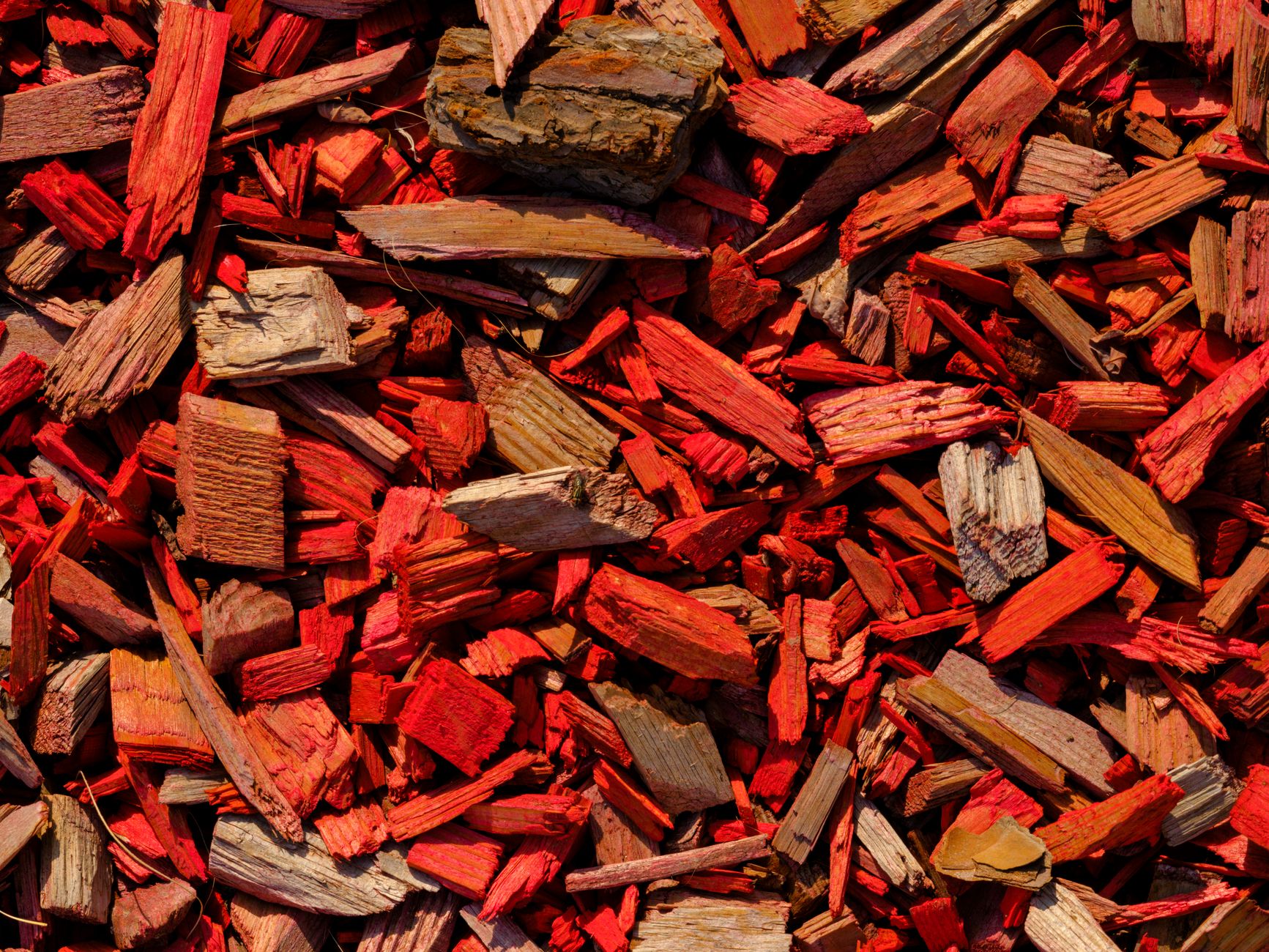
For pathways and perennial or ornamental beds, wood chips offer longer-lasting coverage, since their slower breakdown suits areas where you're not actively cultivating annual crops each season.
Consider material availability and cost alongside performance characteristics, since a technically ideal material that's expensive or hard to source may be less practical than a good, accessible alternative.
Match your material choice to your climate and specific goals as well; lighter-colored materials like straw reflect some heat in hot climates, while darker materials can help warm soil in cooler regions if that's specifically desired.
Whatever material you choose, ensure it's free from herbicide contamination, disease, or other contaminants that could transfer into your garden soil, particularly important for materials sourced from unknown origins.
Apply Mulch at the Correct Depth

Apply most mulch materials at 2-4 inches deep, which provides effective weed suppression and moisture retention without being so thick that it suffocates soil or traps excessive moisture against plant roots.
Thinner materials like grass clippings should be applied in shallower layers, only 1-2 inches at a time, since their tendency to mat together means thick layers can develop odor and drainage problems.
Spread mulch evenly across the bed using a garden rake, working to achieve consistent depth throughout rather than leaving some areas thick and others thin or bare.
Avoid the temptation to apply excessively thick layers hoping for extra weed suppression, since depths beyond about 4 inches for most materials offer diminishing returns while increasing the risk of moisture-related problems.
Check depth periodically as you work, using a simple visual or hand-measurement check, since it's easy to apply unevenly without actively monitoring your progress across a larger bed.
Keep Mulch Away from Plant Stems

Leave 2-3 inches of clearance between mulch and direct plant stem contact, avoiding the common mistake of piling mulch directly against stems, sometimes called 'mulch volcanoes' when done around trees specifically.
This clearance prevents excess moisture from being trapped directly against stem tissue, which can encourage rot, fungal issues, or pest problems at this vulnerable point where the plant meets the soil.
For young seedlings and transplants specifically, apply mulch a bit more cautiously around their smaller, more vulnerable stems, potentially waiting until they're slightly more established before mulching right up to their base.
Check periodically that mulch hasn't gradually shifted or been disturbed into closer stem contact than intended, adjusting as needed throughout the season to maintain appropriate clearance.
This attention to stem clearance applies across virtually every type of mulch material and every category of plant, from vegetables to perennials to trees, making it a genuinely universal mulching principle worth remembering.
Time Your Application Appropriately

Apply mulch in spring only after soil has adequately warmed, since mulch insulates soil and can actually slow warming if applied too early, potentially delaying when warm-season crops can be safely planted or begin thriving.
For fall application, mulch more generously to protect soil over winter, suppress weeds before they establish for the following season, and allow the material extra time to begin breaking down before spring planting.
Apply mulch around new transplants and seedlings once they're established rather than immediately at planting, giving them a chance to root in before mulch's moisture-retention and temperature-moderating effects take full hold.
Consider your specific climate's typical frost dates and soil warming patterns when planning your spring mulching timeline, since this varies considerably by region and shouldn't be based purely on a fixed calendar date.
Reapply or refresh mulch as needed throughout an extended growing season, rather than assuming a single application at the start of the season will provide adequate coverage for the entire year.
Maintain Mulch Throughout the Season

Monitor mulch depth periodically throughout the growing season, particularly for faster-breaking-down materials like grass clippings or shredded leaves, which thin out more quickly than slower materials like wood chips.
Top up thinning areas with fresh material as needed, rather than waiting until coverage has become genuinely inadequate before addressing it, which allows weeds more opportunity to establish in the meantime.
Check for any signs of matting, unpleasant odor, or excessive moisture retention periodically, adjusting your mulching approach or material choice if these issues develop rather than assuming any mulch application is automatically beneficial regardless of ongoing conditions.
Remove any diseased plant debris that might accumulate on top of your mulch layer before it decomposes and potentially spreads pathogens, maintaining reasonably clean mulch surface conditions throughout the season.
At season's end, decide whether to leave existing mulch in place (often fine for materials still providing reasonable coverage) or refresh with new material, based on how much the original application has broken down or thinned over the preceding months.
Recognize Mulch's Full Range of Benefits
Beyond moisture retention and weed suppression, mulch helps moderate soil temperature swings, keeping soil somewhat cooler in summer heat and providing some insulation against cold in winter.
Organic mulches gradually contribute to soil organic matter as they decompose, supporting the same long-term soil-building goals that compost application addresses, essentially providing a dual-purpose function.
Mulch helps reduce soil erosion from wind and rain, protecting your garden's valuable topsoil from being displaced, particularly important on any sloped growing areas.
A well-mulched garden also often looks more finished and intentional than bare soil between plants, offering a genuine aesthetic benefit alongside all the functional advantages covered throughout this guide.
Common problems and fixes
| Problem | Likely cause | What to do |
|---|---|---|
| Weeds still emerge through the mulch layer | Existing weeds weren't cleared before mulching, or mulch depth was insufficient for effective suppression. | Remove any weeds that do emerge promptly, and ensure thorough clearing and adequate depth (2-4 inches) in future applications. |
| Plants show stem rot or fungal issues near the mulch line | Mulch was applied too close to or directly against plant stems, trapping excess moisture. | Pull mulch back from affected stems, maintaining 2-3 inches of clearance, and monitor for improvement. |
Gardener's checklist
Test what you learned
What is the standard recommended mulch application depth?
Answer: 2-4 inches
Why should weeds be cleared before mulching?
Answer: Covering established weeds doesn't reliably suppress them
Why should mulch be kept away from direct plant stem contact?
Answer: It can trap excess moisture and encourage rot
Common questions
How often should I reapply mulch?
This varies by material; faster-breaking-down options like grass clippings need more frequent reapplication, while straw and wood chips typically last longer, but monitoring coverage depth and topping up as needed applies to any mulch type throughout the season.
Can I mulch right after planting seedlings?
It's generally better to wait until seedlings are somewhat established rather than mulching immediately at planting, giving them a chance to root in before mulch's moisture-retention and temperature-moderating effects take full hold.
Is it necessary to remove old mulch before adding new mulch?
Not necessarily; partially decomposed mulch from a previous application can simply be topped with fresh material, since the decomposing layer continues contributing organic matter while the fresh layer maintains effective coverage.
What's the best time of year to mulch a garden?
Spring (after soil has warmed) for active growing season protection, and fall (more generously) for winter soil protection, both represent ideal timing windows depending on your specific goals for that application.
Can mulch help my garden use less water?
Yes, mulch's moisture-retention benefit can meaningfully reduce how often you need to water, particularly during hot summer stretches, since it slows evaporation from the soil surface compared to bare, unmulched ground.
Should I mulch around trees the same way as vegetable beds?
The core principles (adequate depth, stem/trunk clearance) apply similarly, though trees typically benefit from slower-breaking-down materials like wood chips given their longer-term, perennial nature compared to annual vegetable beds.
Successful mulching comes down to a few consistent fundamentals, proper site preparation, appropriate depth, stem clearance, and thoughtful timing, that apply across nearly any material choice, producing meaningfully better moisture retention, weed suppression, and soil health throughout your garden.
Frequently asked questions
How often should a vegetable garden be watered?
Frequency depends on weather, soil and plant size. Check the soil rather than watering on a rigid schedule.
Is compost enough fertilizer?
Compost improves soil and provides nutrients slowly. Heavy-feeding crops may still need additional feeding.

The Sproutstead Editorial Team
We create clear, practical gardening and homesteading guides designed for real homes and beginner growers.
View author profile →

