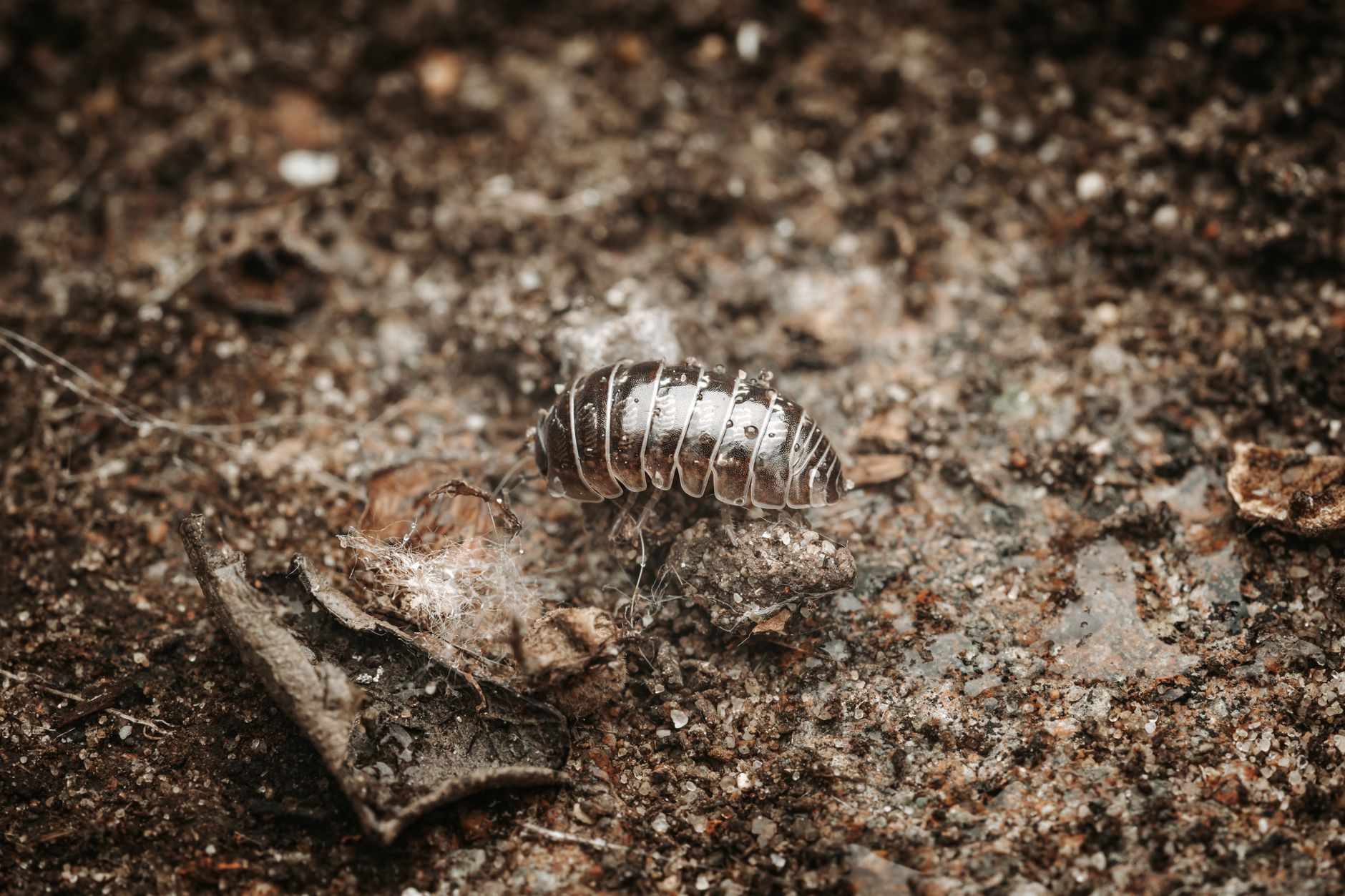
Pill bugs (roly-polies) are crustaceans that feed on decaying organic matter and sometimes young seedlings. To get rid of them, reduce moisture (they need damp conditions) by watering in the morning and improving drainage. Remove hiding places (boards, rocks, leaf litter). Use diatomaceous earth around plants to dehydrate and kill them. Use beer traps (like for slugs) or place sliced potatoes as bait (check and discard daily). For severe infestations, use iron phosphate baits labeled for pill bugs. Encourage natural predators like ground beetles and birds. Prevention is key: keep the garden clean, reduce moisture, and remove debris.
What you will need
Identify Pill Bugs and Understand Their Habits

What they look like: Small (1/4-1/2 inch), gray, segmented, oval-shaped crustaceans. Roll into a tight ball when disturbed (roly-poly).
Where they live: In damp, dark places—under boards, rocks, leaf litter, and mulch.
What they eat: Decaying organic matter, fungi, and occasionally young seedlings and plant roots.
When they're active: Nocturnal—most active at night and in damp conditions.
Why they're a problem: They can damage young seedlings and soft plant tissue, especially in damp conditions.
Reduce Moisture

Why it works: Pill bugs need damp conditions to survive. Drier conditions discourage them.
How to do it: Water in the morning so the soil dries by night. Avoid evening watering.
Improve drainage: Improve soil drainage by adding organic matter and aerating.
Remove mulch: Temporarily remove mulch in areas with high pill bug populations.
Monitor: Check soil moisture before watering—don't water if the soil is still moist.
Remove Hiding Places

How it works: Pill bugs hide under boards, rocks, leaf litter, and debris during the day. Removing these reduces their habitat.
How to do it: Clear away boards, rocks, and piles of leaves. Keep the garden tidy.
Maintenance: Keep grass short and remove debris regularly.
Benefits: It also reduces habitat for other pests.
Tip: Check under pots and plant containers—they're favorite hiding spots.
Apply Diatomaceous Earth

How it works: Diatomaceous earth is made from fossilized algae. The sharp edges cut the pill bug's exoskeleton, causing dehydration and death.
How to use: Sprinkle a ring of diatomaceous earth around plants and in damp areas.
Food-grade: Use food-grade diatomaceous earth for safety.
Reapplication: Reapply after rain and every 1-2 weeks.
Caution: Avoid applying directly on flowers—it can harm pollinators.
Use Beer Traps or Potato Baits

Beer traps: Sink a container into the soil and fill with beer. Pill bugs are attracted and drown.
Potato baits: Place sliced potatoes (cut side down) in the garden. Check in the morning and discard pill bugs.
How to use: Place traps in damp areas where pill bugs are active.
Maintenance: Empty beer traps and replace potatoes daily.
Benefits: These are non-toxic and effective for small infestations.
Use Iron Phosphate Baits
How it works: Iron phosphate is a natural compound that kills pill bugs. It's safe for pets, wildlife, and the environment.
How to use: Scatter bait in areas of pill bug activity. Follow package instructions.
Brands: Look for products containing iron phosphate (like Sluggo).
Application: Apply in the evening when pill bugs are active.
Benefits: It's organic and breaks down into fertilizer.
Encourage Natural Predators

Ground beetles: These beetles eat pill bugs and other pests. Plant ground cover to attract them.
Birds: Many birds eat pill bugs. Provide bird feeders and birdbaths.
Toads: Toads eat pill bugs. Provide shallow water and shelter.
How to attract: Provide habitat (leaf piles, log piles) for natural predators.
Benefits: Natural predators provide long-term, sustainable control.
Prevent Future Pill Bug Problems

Reduce moisture: Water in the morning and improve drainage.
Remove debris: Remove boards, rocks, and leaf litter.
Keep garden clean: Keep the garden tidy and free of decaying organic matter.
Monitor: Check your garden regularly for signs of pill bug activity.
Maintenance: Regularly clear away debris and keep grass short.
Common problems and fixes
| Problem | Likely cause | What to do |
|---|---|---|
| Pill bugs returning quickly | Moisture or hiding places still present. | Reduce moisture and remove debris. Use diatomaceous earth. |
| Beer traps not working | Traps too far apart or not in active areas. | Place traps 5-10 feet apart in damp, active areas. |
| Diatomaceous earth not working | Applied when dry or not reapplying after rain. | Reapply after rain and every 1-2 weeks. |
| Pill bugs eating seedlings | High population and favorable conditions. | Use collars around seedlings and apply diatomaceous earth. |
Gardener's checklist
Test what you learned
What type of animal is a pill bug?
Answer: Crustacean
What do pill bugs do when disturbed?
Answer: Roll into a ball
What is the most effective pill bug control method?
Answer: Reducing moisture
What natural powder dehydrates pill bugs?
Answer: Diatomaceous earth
What is a natural predator of pill bugs?
Answer: Ground beetles
Common questions
Are pill bugs harmful to plants?
Pill bugs primarily eat decaying organic matter but can damage young seedlings and soft plant tissue in damp conditions.
Can pill bugs bite humans?
No, pill bugs don't bite humans. They're harmless and feed only on organic matter.
Are pill bugs the same as sow bugs?
Sow bugs look similar but can't roll into a tight ball. Pill bugs roll into a ball when disturbed.
How do I prevent pill bugs in my garden?
Reduce moisture, remove hiding places, keep the garden clean, and use diatomaceous earth around plants.
Do pill bugs eat vegetables?
They may eat young seedlings, soft plant tissue, and decaying vegetables. They're more likely to eat decaying organic matter than healthy plants.
Pill bugs are common garden dwellers that can be managed with simple, natural methods. Reduce moisture by watering in the morning and improving drainage. Remove hiding places like boards, rocks, and leaf litter. Use diatomaceous earth around plants to dehydrate and kill pill bugs. Set beer traps or use potato baits to catch them. Encourage natural predators like ground beetles and birds. With consistent effort and a multi-method approach, you can keep pill bug populations under control in your garden.
Frequently asked questions
How often should a vegetable garden be watered?
Frequency depends on weather, soil and plant size. Check the soil rather than watering on a rigid schedule.
Is compost enough fertilizer?
Compost improves soil and provides nutrients slowly. Heavy-feeding crops may still need additional feeding.

The Sproutstead Editorial Team
We create clear, practical gardening and homesteading guides designed for real homes and beginner growers.
View author profile →