Deer are one of the most destructive garden pests, capable of eating large amounts of plants in a single night. The most effective deer control method is physical exclusion: an 8-foot tall fence or double-row fencing. Apply repellents like putrescent egg, garlic, or hot pepper spray, rotating them regularly. Use scare tactics like motion-activated lights, sprinklers, and noisemakers. Plant deer-resistant species: lavender, sage, marigolds, daffodils, boxwood, and ornamental grasses. Remove attractants like bird feeders and fallen fruit. If problems persist, consider netting or individual plant cages. Deer are creatures of habit—change your methods regularly to keep them guessing.
What you will need
Understand Deer Behavior
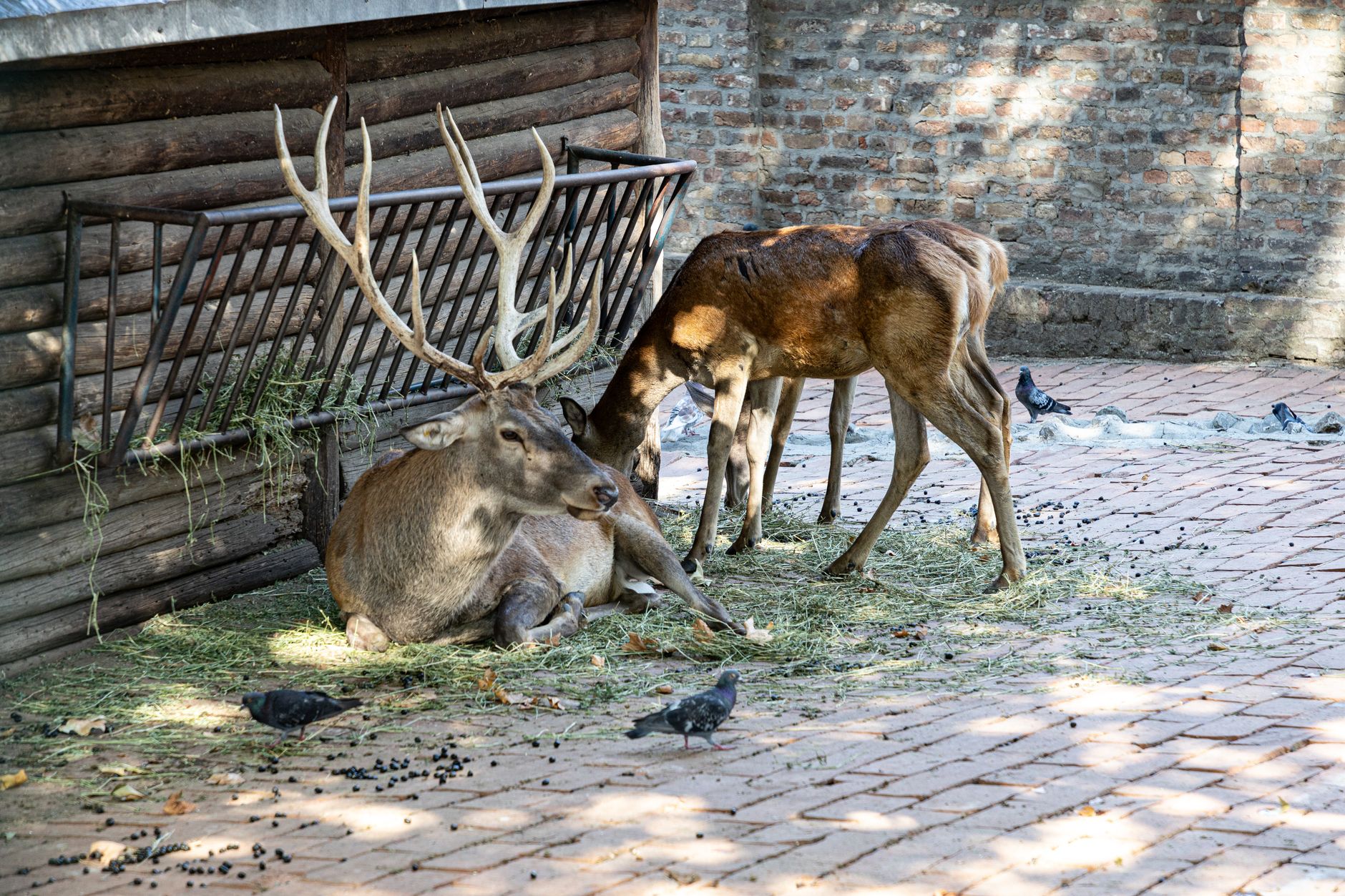
What they eat: Tender shoots, vegetables (especially beans, peas, lettuce), fruits, flowers (hostas, roses, tulips), and young trees.
When they feed: Deer are crepuscular—most active at dawn and dusk (twilight). They also feed at night.
Why they're a problem: A single deer can eat 5-10 pounds of plants per night. They can devastate a garden in hours.
How they get in: They jump over fences, squeeze through gaps, or simply walk through open gates.
Think like a deer: Deer are creatures of habit. If they find good food, they'll keep coming back.
Install a Physical Fence
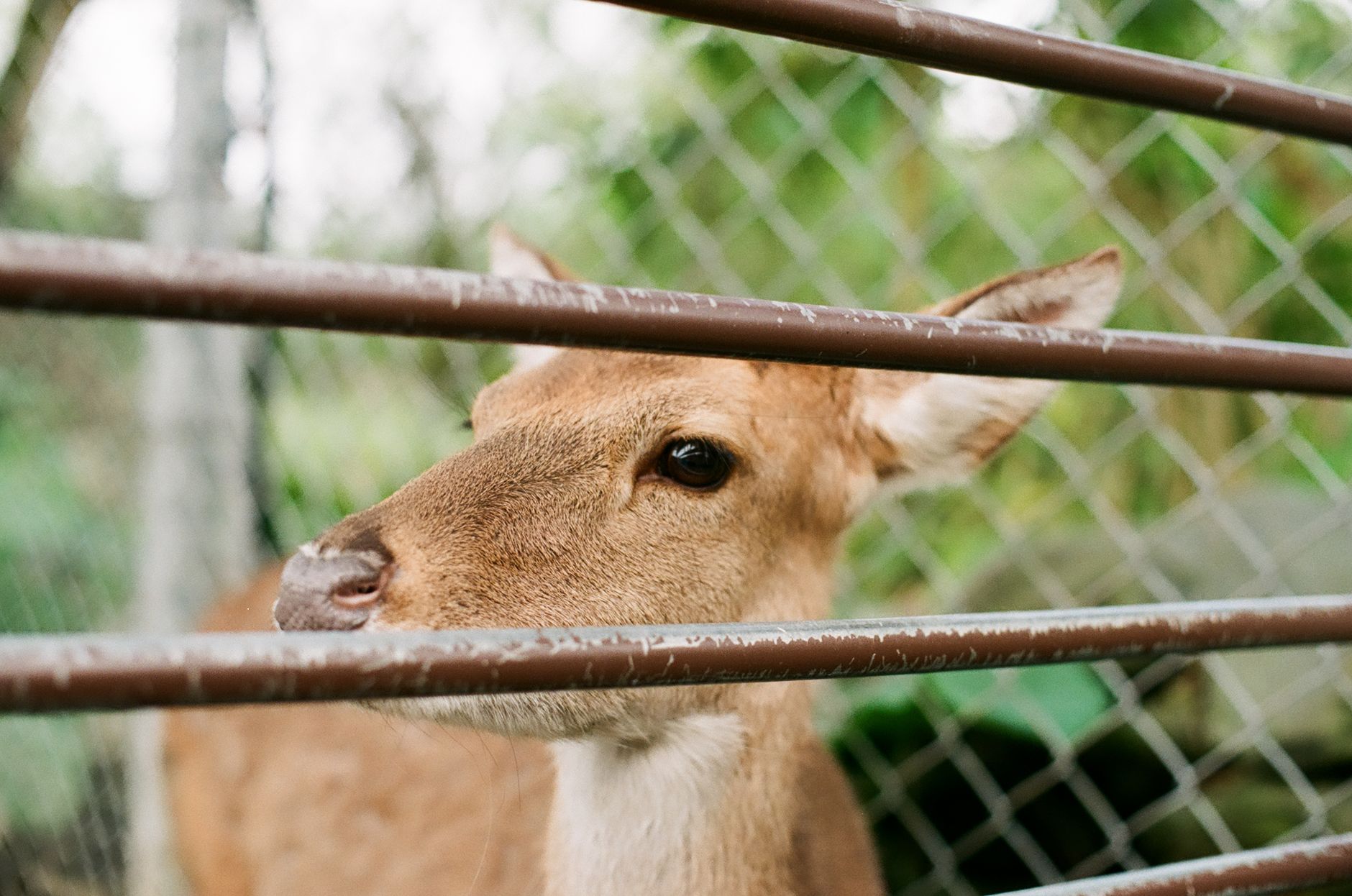
Height: A fence must be at least 8 feet tall to prevent jumping. Deer can jump up to 8 feet.
Double fencing: Two 6-foot fences spaced 4-5 feet apart can be effective—deer can't clear both.
Deer netting: Polypropylene deer netting (8 feet tall) is a cost-effective option.
Electric fence: A low-voltage electric fence (with 6-8 strands) can be effective.
Materials: Use metal, wood, or heavy-duty polypropylene netting. Check regularly for damage.
Gates: Ensure gates are tall and securely latched.
Apply Natural Repellents
Putrescent egg: The most effective commercial repellent. Repels deer by smell and taste.
Garlic spray: Blend garlic with water and spray on plants. Reapply after rain.
Hot pepper spray: Mix cayenne pepper with water and spray on plants.
Predator urine: Coyote or fox urine signals danger to deer.
Reapplication: Reapply repellents after rain and every 2-4 weeks.
Rotate: Rotate repellents regularly to prevent habituation.
Use Scare Tactics
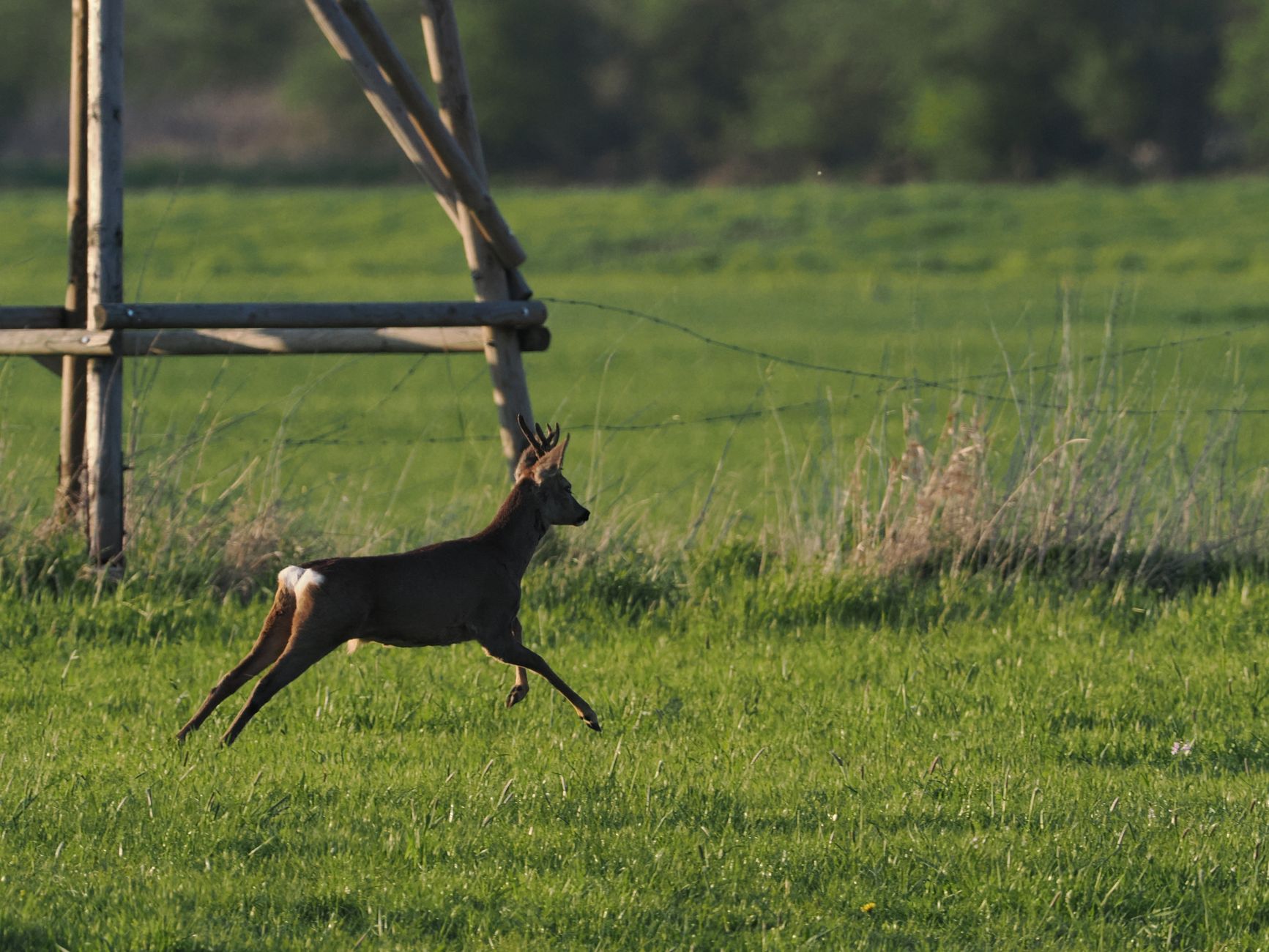
Motion-activated sprinklers: Detect movement and spray water—scares deer away.
Motion-activated lights: Bright lights startle deer, especially at night.
Noisemakers: Motion-activated noisemakers (propane cannons, ultrasonic devices) can deter deer.
Decoy predators: Place decoy coyotes or owls in the garden. Move them regularly.
Rotate: Move scare devices regularly to prevent deer from getting used to them.
Plant Deer-Resistant Species
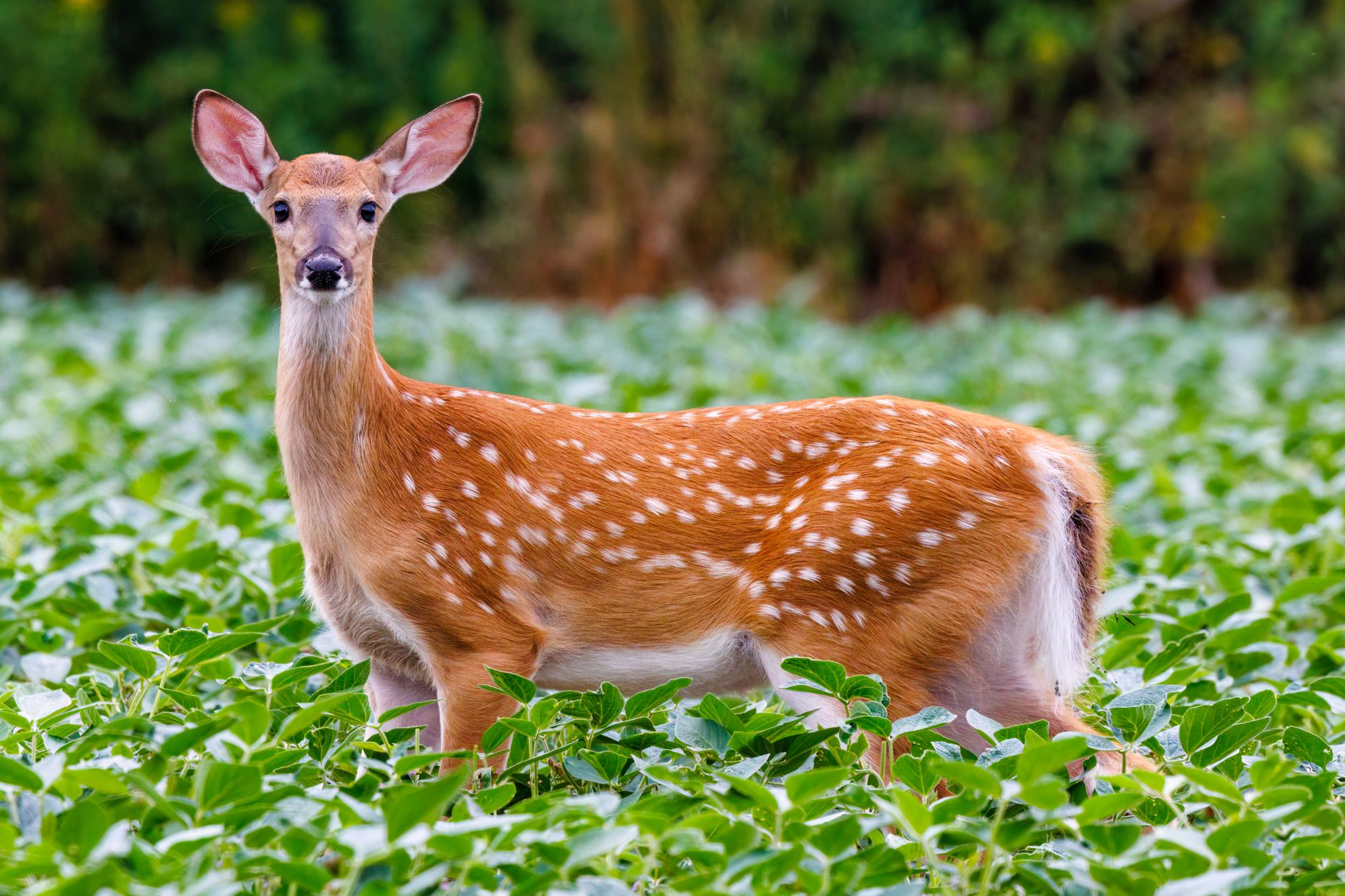
Herbs: Lavender, sage, rosemary, thyme, mint, oregano—deer dislike strong scents.
Flowers: Marigolds, daffodils, alliums, poppies, foxglove, and snapdragons.
Shrubs: Boxwood, barberry, juniper, yew, and holly.
Ornamental grasses: Deer generally avoid ornamental grasses.
Vegetables: Deer avoid onions, garlic, and leeks.
Strategy: Plant these around the perimeter of your garden as a natural barrier.
Protect Individual Plants
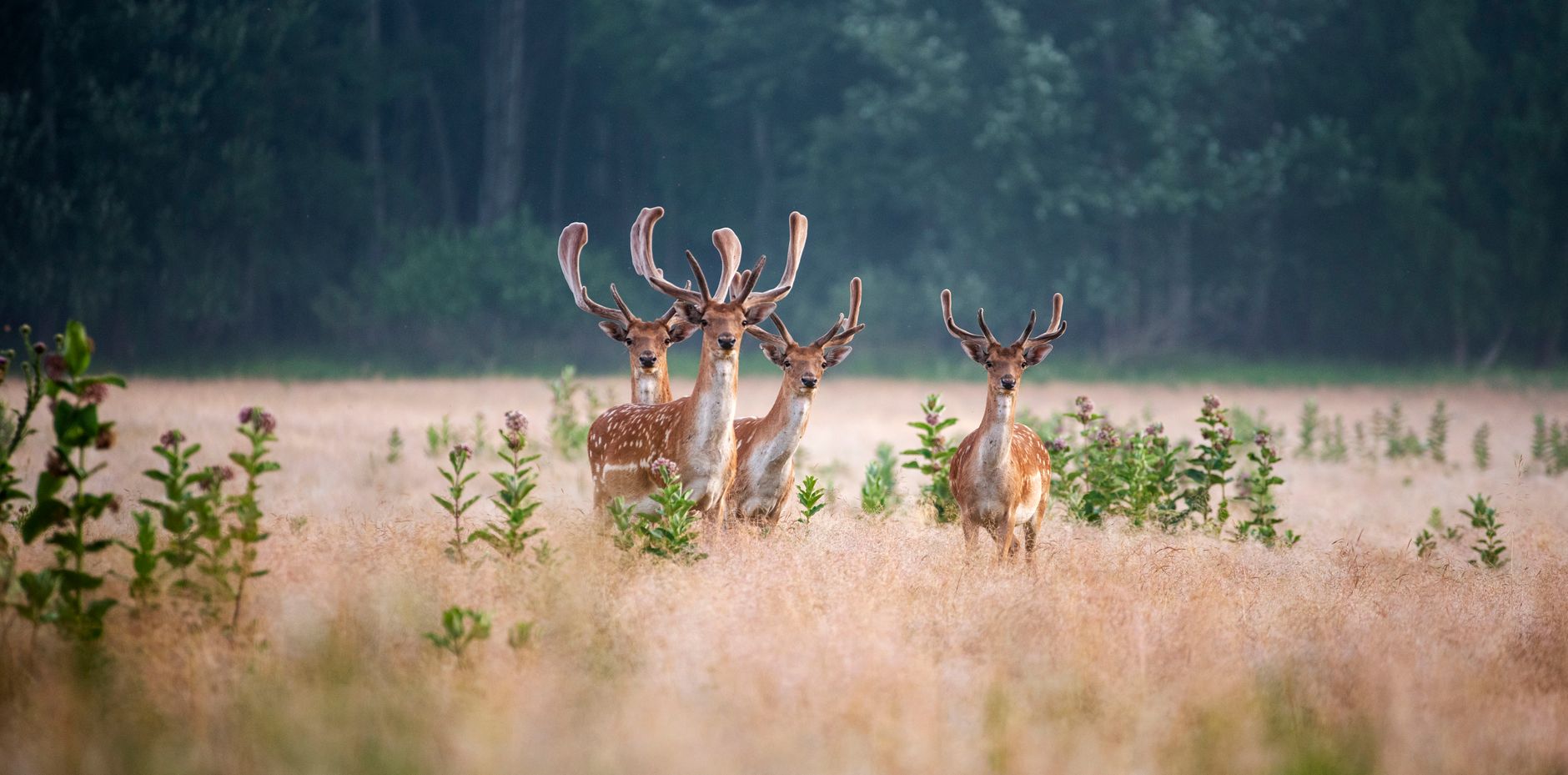
Wire cages: Surround individual plants with wire cages (hardware cloth or chicken wire).
Netting: Cover plants with deer netting or row covers.
Tree guards: Protect young trees with wire guards.
Raised beds: Raised beds with fencing can be effective.
Best for: High-value plants, vegetables, and young trees.
Remove Attractants
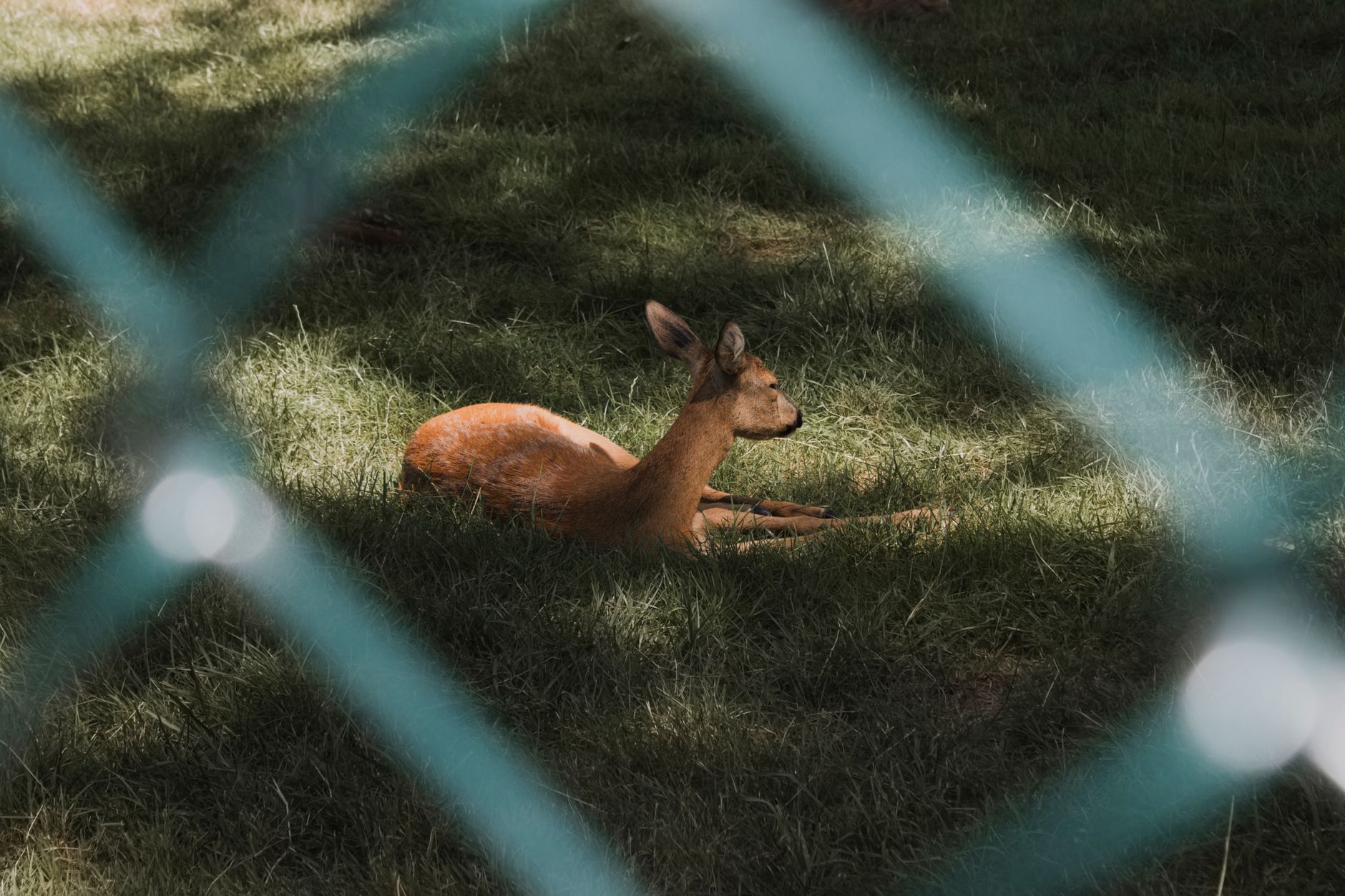
Bird feeders: Deer eat birdseed and are attracted to feeders.
Fallen fruit: Pick up fallen fruit from trees.
Salt licks: Deer are attracted to salt. Remove salt blocks or mineral supplements.
Compost: Keep compost bins covered—deer are attracted to food scraps.
Use Deer-Proof Netting
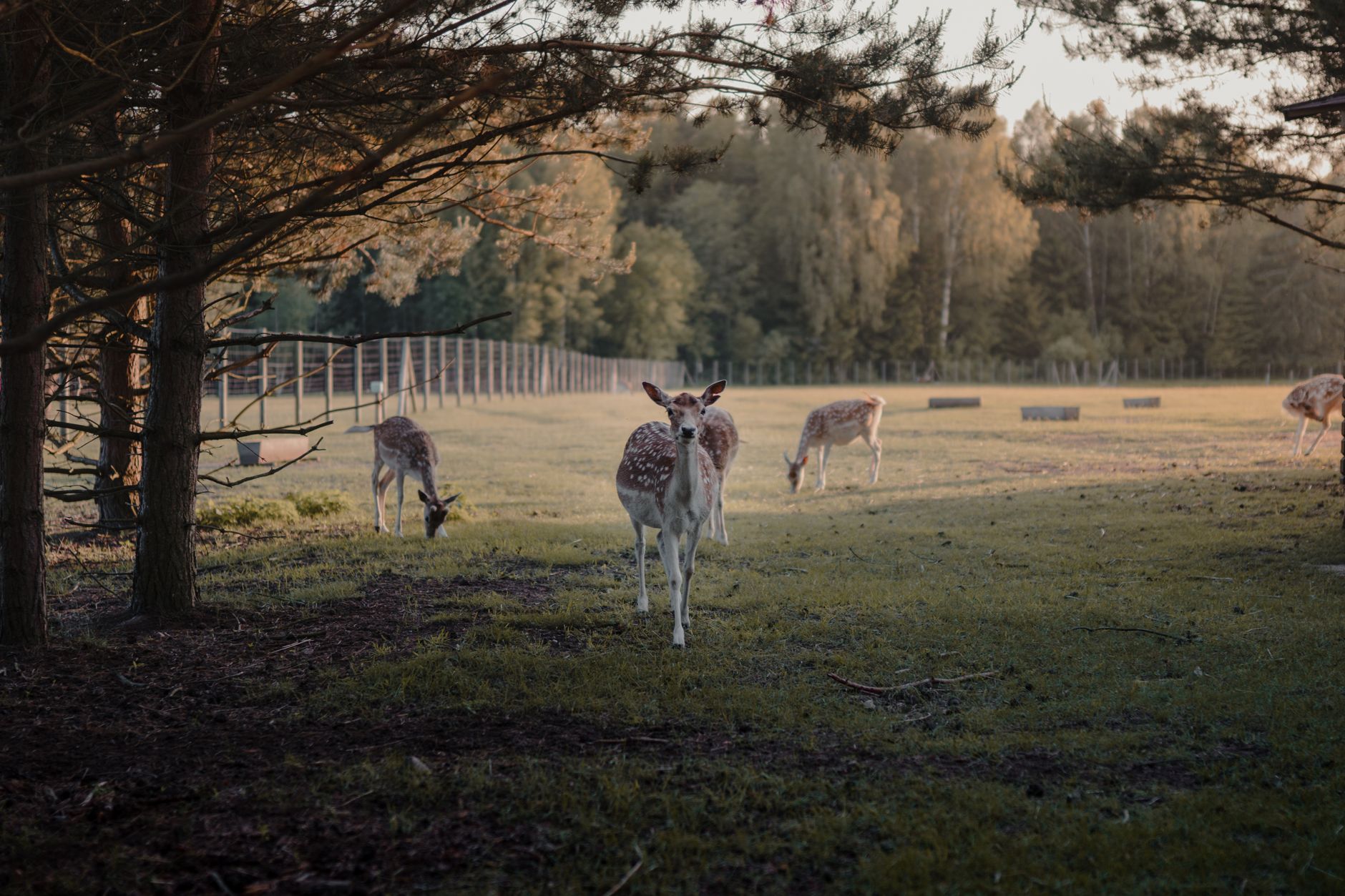
What it is: Heavy-duty polypropylene netting (8 feet tall) that deer can't penetrate.
How to use: Drape netting over plants or install as a fence.
Benefits: Cost-effective, lightweight, and easy to install.
Limitations: Not as durable as metal fencing. Replace regularly.
Best for: Large areas and temporary protection.
Common problems and fixes
| Problem | Likely cause | What to do |
|---|---|---|
| Deer jumping over the fence | Fence too short. | Increase fence height to 8 feet or add a second row. |
| Repellents not working | Not reapplying or deer getting used to them. | Reapply after rain and rotate repellents. |
| Deer eating deer-resistant plants | Young, tender plants or deer getting desperate. | Protect individual plants with cages or netting. |
| Deer returning after repelling | Habit and food availability. | Remove attractants and use multiple deterrent methods. |
Gardener's checklist
Test what you learned
How tall should a deer fence be?
Answer: 8 feet
When are deer most active?
Answer: Dusk and dawn
What is one of the most effective deer repellents?
Answer: Putrescent egg
Which plant is deer-resistant?
Answer: Lavender
What is an effective scare tactic for deer?
Answer: Motion-activated sprinkler
Common questions
Do deer eat all plants?
Deer eat a wide range of plants but avoid strongly scented, fuzzy-leaved, and poisonous plants. Some plants are more deer-resistant than others.
Can deer jump an 8-foot fence?
Deer can jump up to 8 feet, but they rarely jump fences this high if they can't see a safe landing spot. An 8-foot fence is generally effective.
Do sonic deer repellents work?
Sonic devices can deter deer initially, but deer quickly adapt. They're best used in combination with other methods.
Do deer eat tomatoes?
Yes, deer love tomatoes and will eat both the plants and fruits. Protect tomato plants with cages or netting.
Will human hair or soap keep deer away?
Some gardeners report success with human hair, Irish Spring soap, or other scented deterrents. However, they're less effective than commercial repellents and need frequent reapplication.
Deer can devastate a garden in a single night, but you can protect your plants with a combination of methods. An 8-foot fence is the most reliable solution. Apply repellents (putrescent egg, garlic, hot pepper) and rotate them regularly. Use motion-activated sprinklers and lights as scare tactics. Plant deer-resistant species (lavender, sage, marigolds) as natural barriers. Protect individual plants with cages or netting. Remove attractants like bird feeders and fallen fruit. With persistence and a multi-method approach, you can keep deer out of your garden.
Frequently asked questions
How often should a vegetable garden be watered?
Frequency depends on weather, soil and plant size. Check the soil rather than watering on a rigid schedule.
Is compost enough fertilizer?
Compost improves soil and provides nutrients slowly. Heavy-feeding crops may still need additional feeding.

The Sproutstead Editorial Team
We create clear, practical gardening and homesteading guides designed for real homes and beginner growers.
View author profile →