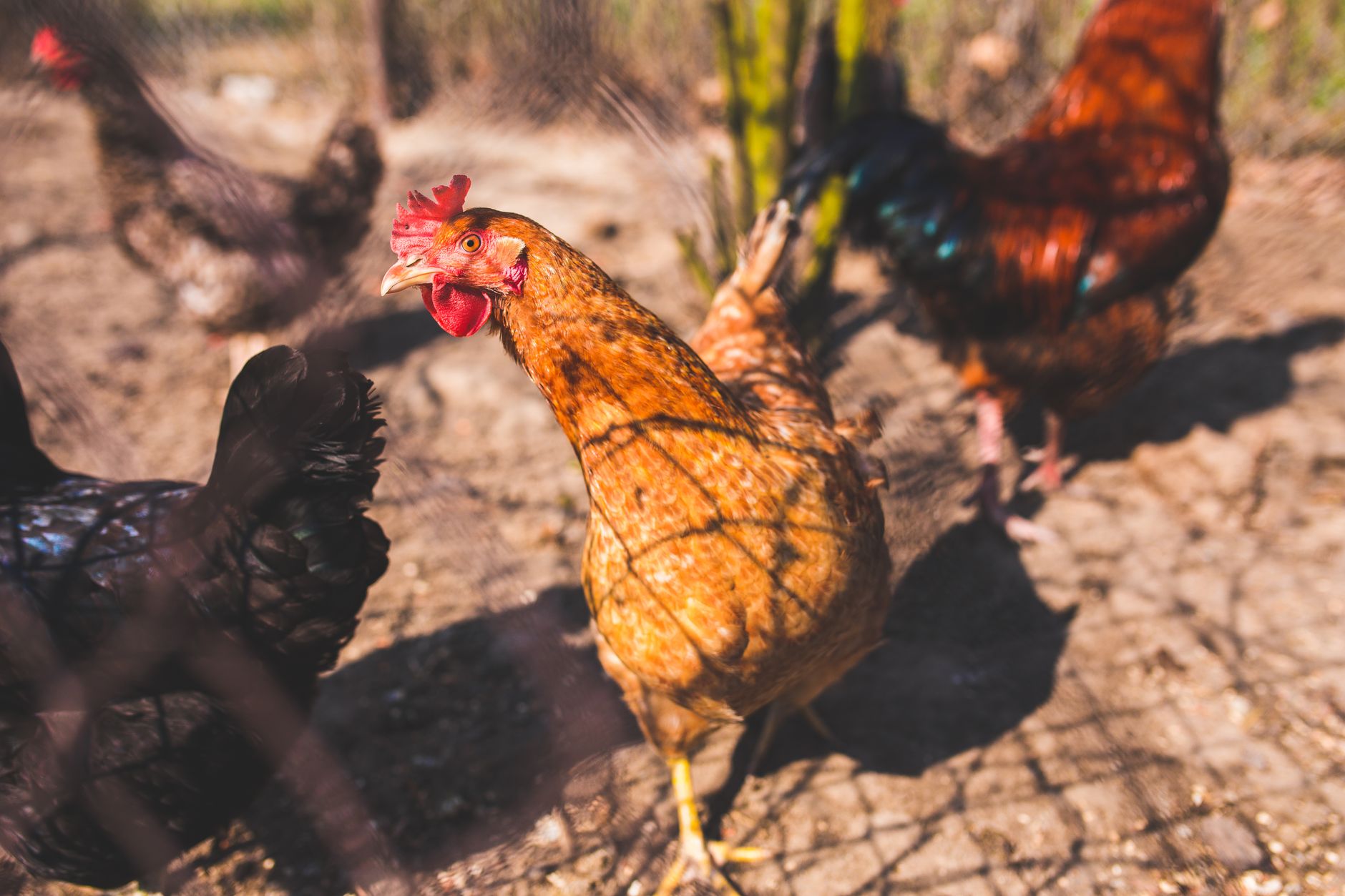
Spider mites are tiny arachnids that feed on plant sap, causing stippled, yellowing leaves and fine webbing. To get rid of them, start with a strong blast of water to knock them off plants. Use insecticidal soap, neem oil, or horticultural oil for effective control. Introduce predatory mites (Phytoseiulus persimilis) for biological control. For houseplants, isolate infested plants and wipe leaves with a damp cloth. Prevention is key: increase humidity, avoid over-fertilizing, and inspect plants regularly. Spider mites thrive in hot, dry conditions—keep plants well-watered and misted.
What you will need
Identify Spider Mites and Signs of Infestation

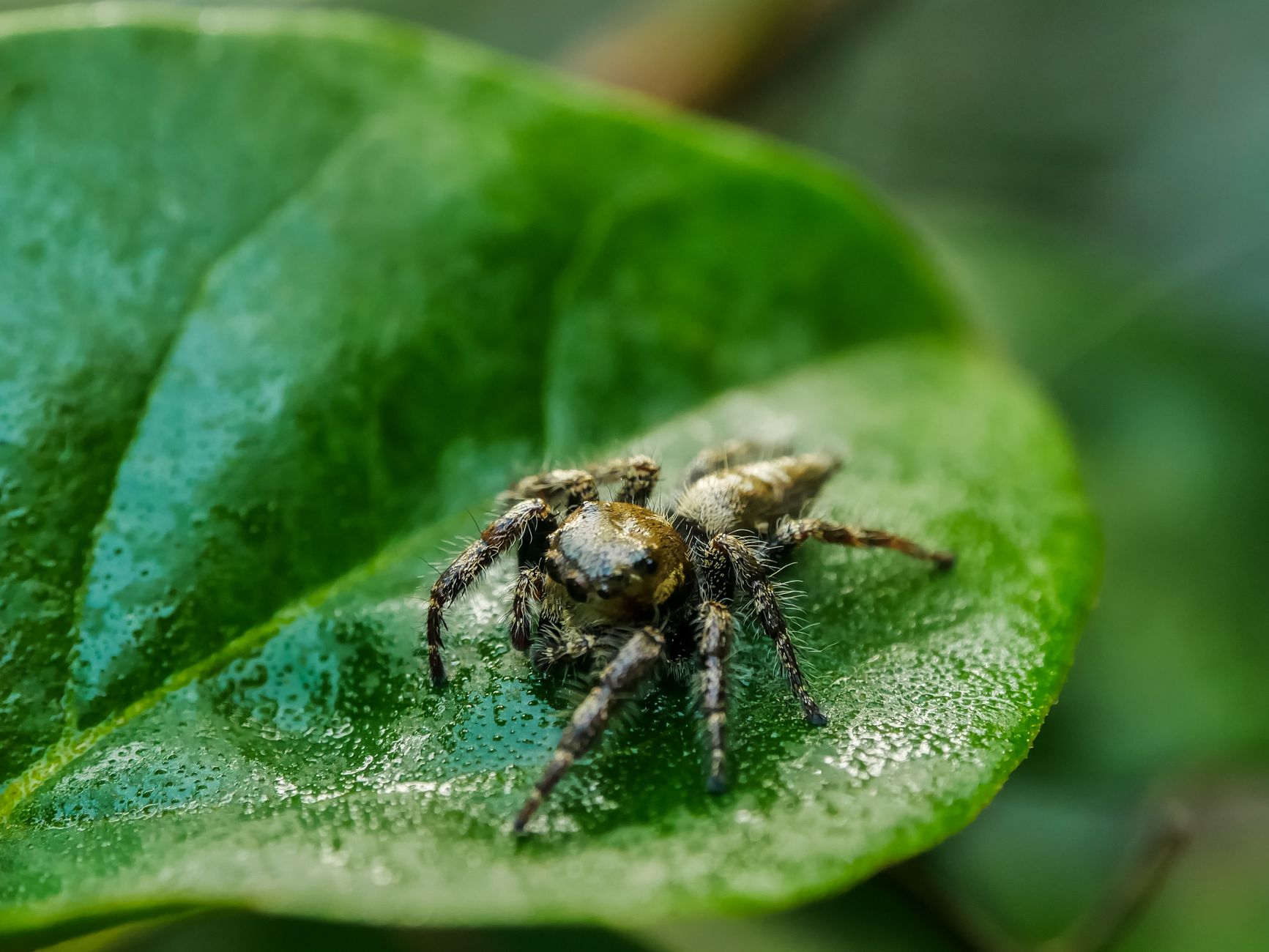
What they look like: Tiny (less than 1 mm), eight-legged arachnids. They're usually red, brown, or greenish. Hard to see without a magnifying glass.
Where to find them: On the undersides of leaves, along stems, and in the crotches of branches. They feed on plant sap.
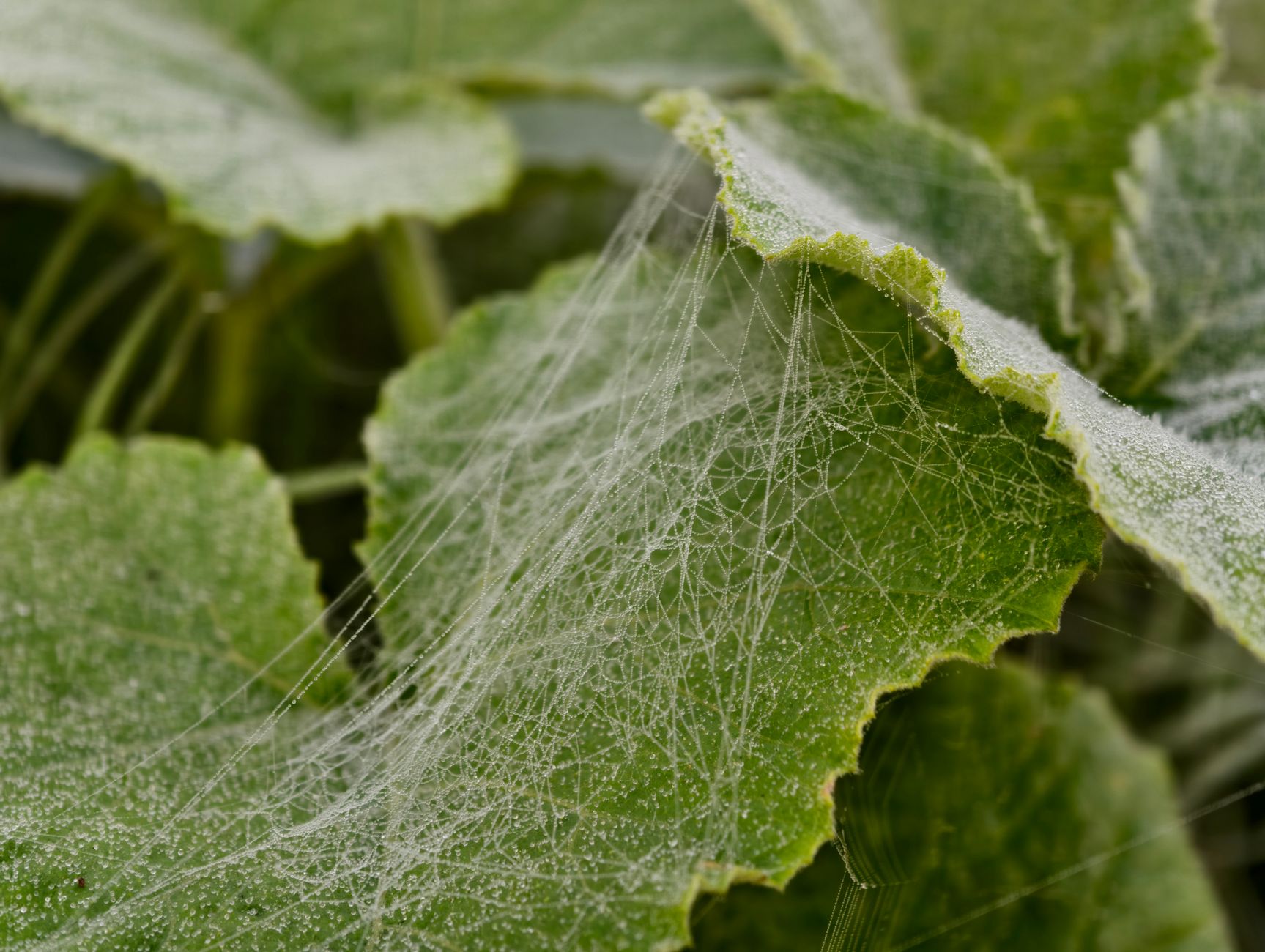
Signs of infestation: Stippled (speckled) leaves, yellowing, bronzing, fine silken webbing on leaves and stems, and tiny moving dots on the undersides of leaves.
Why they're a problem: They weaken plants, reduce photosynthesis, and can kill plants if left untreated. They reproduce rapidly in hot, dry conditions.
Act fast: Spider mites can double their population in 3-5 days. Quick action is essential.
Blast Them Off with Water
How it works: A strong stream of water knocks spider mites off the plant, along with their eggs and webbing.
How to do it: Use a garden hose with a spray nozzle. Spray the undersides of leaves and all plant surfaces.
When to do it: Do this in the morning so plants can dry during the day. Repeat every 3-5 days.
Why it works: Spider mites don't like moisture. Regular spraying disrupts their life cycle.
For houseplants: Use a spray bottle with lukewarm water. Wipe leaves with a damp cloth.
Apply Insecticidal Soap
How it works: Insecticidal soap suffocates spider mites on contact. It breaks down their cell membranes, causing dehydration.
How to use: Spray directly on spider mites, covering all leaf surfaces (especially the undersides).
Application: Apply every 5-7 days until the infestation is gone. Spray in the evening to avoid leaf burn.
Homemade recipe: 1 tablespoon of mild liquid soap (like Castile soap) per quart of water.
Important: Always test on a small area first and avoid spraying during hot, sunny conditions.
Use Neem Oil

How it works: Neem oil contains azadirachtin, which disrupts spider mites' feeding and reproduction. It also suffocates them on contact.
How to use: Mix 1-2 teaspoons of cold-pressed neem oil with 1 quart of warm water and a few drops of mild soap. Spray thoroughly on affected plants.
Application: Apply every 7-14 days for prevention, every 5-7 days for active infestations.
Benefits: Neem oil also works as a fungicide and is safe for beneficial insects when applied correctly.
Tip: Spray in the evening to avoid burning leaves and protect beneficial insects.
Introduce Predatory Mites

What they are: Phytoseiulus persimilis is a predatory mite that feeds on spider mites. It's highly effective and reproduces quickly.
How they work: They eat spider mites at all life stages, including eggs. A single predatory mite can eat 5-20 spider mites per day.
Where to buy: Available online or at garden centers. Release them when spider mite populations are present.
Application: Release predatory mites in the evening. They need temperatures between 60-85°F to be active.
Important: Predatory mites are safe for plants and don't harm other beneficial insects.
Apply Horticultural Oil

How it works: Horticultural oil suffocates spider mites and their eggs on contact.
How to use: Spray on all plant surfaces, covering the undersides of leaves. Use a horticultural oil labeled for use on plants.
Application: Apply in the dormant season or during the growing season (summer oil). Follow label instructions.
Safety: Avoid applying in hot, sunny conditions. It can burn leaves if applied incorrectly.
When to use: Use for severe infestations or when other methods haven't worked.
Increase Humidity

Why it works: Spider mites thrive in hot, dry conditions. High humidity slows their reproduction and makes the environment less favorable.
How to do it: Mist plants regularly, use a humidity tray, or place plants in a more humid location.
For houseplants: Group plants together to increase local humidity. Use a humidifier in dry winter months.
Benefits: Higher humidity also benefits plant health overall.
Tip: Avoid getting water on leaves in direct sunlight—it can cause sunburn.
Isolate and Discard Infested Plants

When to isolate: If you have a severe infestation, isolate the plant immediately to prevent spread.
How to isolate: Move the plant away from other plants (at least 3-4 feet away). Check neighboring plants for signs of infestation.
When to discard: If a plant is heavily infested and treatment isn't working, consider discarding it to protect other plants.
How to discard: Bag the plant and dispose of it in the trash (not compost).
Prevention: Quarantine new plants for 2-3 weeks before introducing them to your collection.
Common problems and fixes
| Problem | Likely cause | What to do |
|---|---|---|
| Mites keep returning | Not treating eggs or re-infestation from nearby plants. | Treat every 5-7 days. Treat all nearby plants. Introduce predatory mites. |
| Leaf burn after spraying | Sprayed in hot, sunny weather or too high concentration. | Spray in the evening. Reduce concentration. |
| Treatment not working | Resistance or wrong treatment. | Rotate treatments (soap, neem oil, horticultural oil). Introduce predatory mites. |
| Mites on houseplants | Dry indoor conditions or infested plants brought indoors. | Increase humidity. Wipe leaves regularly. Isolate infested plants. |
Gardener's checklist
Test what you learned
What is the first sign of spider mite infestation?
Answer: Stippled (speckled) leaves
What conditions do spider mites prefer?
Answer: Hot and dry
What is the most effective natural predator of spider mites?
Answer: Predatory mites
How often should you apply insecticidal soap for spider mites?
Answer: Every 5-7 days
How can you prevent spider mites?
Answer: Increasing humidity
Common questions
Are spider mites visible to the naked eye?
Barely. They're less than 1 mm and look like tiny moving dots. Use a magnifying glass to see them clearly.
Can spider mites kill plants?
Yes, a severe infestation can weaken plants and cause them to die. They reduce photosynthesis and can transmit diseases.
Does neem oil kill spider mites?
Yes, neem oil is effective against spider mites. It disrupts their feeding and reproduction and suffocates them on contact.
How do I prevent spider mites on houseplants?
Increase humidity, wipe leaves regularly, inspect plants weekly, and quarantine new plants before introducing them.
Can spider mites live on humans?
No, spider mites are plant pests and don't feed on humans. They may cause mild skin irritation if handled.
Spider mites are tiny but destructive pests that thrive in hot, dry conditions. Start with a strong blast of water to knock them off plants. Use insecticidal soap or neem oil for effective control. Introduce predatory mites for long-term biological control. Increase humidity, inspect plants regularly, and isolate infested plants to prevent spread. With prompt action and consistent treatment, you can eliminate spider mites and keep your plants healthy.
Frequently asked questions
How often should a vegetable garden be watered?
Frequency depends on weather, soil and plant size. Check the soil rather than watering on a rigid schedule.
Is compost enough fertilizer?
Compost improves soil and provides nutrients slowly. Heavy-feeding crops may still need additional feeding.

The Sproutstead Editorial Team
We create clear, practical gardening and homesteading guides designed for real homes and beginner growers.
View author profile →