Blossom end rot is a physiological disorder caused by calcium deficiency in developing fruits, often triggered by inconsistent watering. It appears as a dark, sunken spot at the blossom end (bottom) of the tomato. To prevent blossom end rot, maintain consistent soil moisture (water deeply and regularly), avoid over-fertilizing with nitrogen, and ensure adequate calcium in the soil. Apply a calcium-rich fertilizer (like bone meal or calcium nitrate) at planting. Use mulch to retain moisture. For affected fruits, remove them—they won't recover. Blossom end rot also affects peppers, eggplant, and squash. Consistent watering is the most important prevention factor.
What you will need
Identify Blossom End Rot

What it looks like: A dark, sunken, leathery spot at the blossom end (bottom) of the tomato. The spot may start small and water-soaked, then enlarge and turn dark brown or black.
When it appears: Usually on the first fruits of the season. It can also appear later if conditions are stressful.
Which fruits: Affects tomatoes, peppers, eggplants, squash, and watermelons.
Not a disease: Blossom end rot is not caused by a pathogen. It's a physiological disorder caused by calcium deficiency in the developing fruit.
Important: The fruit will not recover. Remove affected fruits to encourage healthy growth.
Understand the Causes
Calcium deficiency: The fruit needs calcium for cell wall development. If calcium is lacking, the cells break down, causing the rot.
Inconsistent watering: The most common cause. Drought stress prevents calcium uptake. Fluctuating moisture levels also cause calcium deficiency.
Nitrogen excess: Too much nitrogen promotes leafy growth at the expense of calcium uptake.
Soil pH: Very acidic or alkaline soil can lock up calcium, making it unavailable to plants.
Root damage: Damage to roots can reduce calcium uptake.
Early-season stress: Rapid growth in early spring can outpace calcium supply.
Maintain Consistent Watering
Why it matters: Consistent soil moisture allows plants to take up calcium properly. Drought stress and fluctuating moisture levels are the primary triggers.
How much water: Tomatoes need 1-2 inches of water per week. Water deeply and regularly.
Mulch: Apply 2-3 inches of mulch (straw, wood chips, or grass clippings) to retain soil moisture.
Drip irrigation: Drip irrigation provides consistent moisture and is more efficient than overhead watering.
Avoid overwatering: Overwatering can also cause problems. Water when the top 2-3 inches of soil are dry.
Ensure Adequate Calcium
What to use: Bone meal, calcium nitrate, gypsum, or crushed eggshells are good calcium sources.
How to apply: Mix into the soil before planting. For established plants, side-dress with calcium-rich fertilizer.
Soil pH: Maintain soil pH between 6.0-6.8. This range makes calcium available to plants.
Calcium nitrate spray: A foliar spray of calcium nitrate can be applied to plants as a quick fix.
Compost: Adding compost to the soil improves calcium availability.
Avoid Over-Fertilizing with Nitrogen
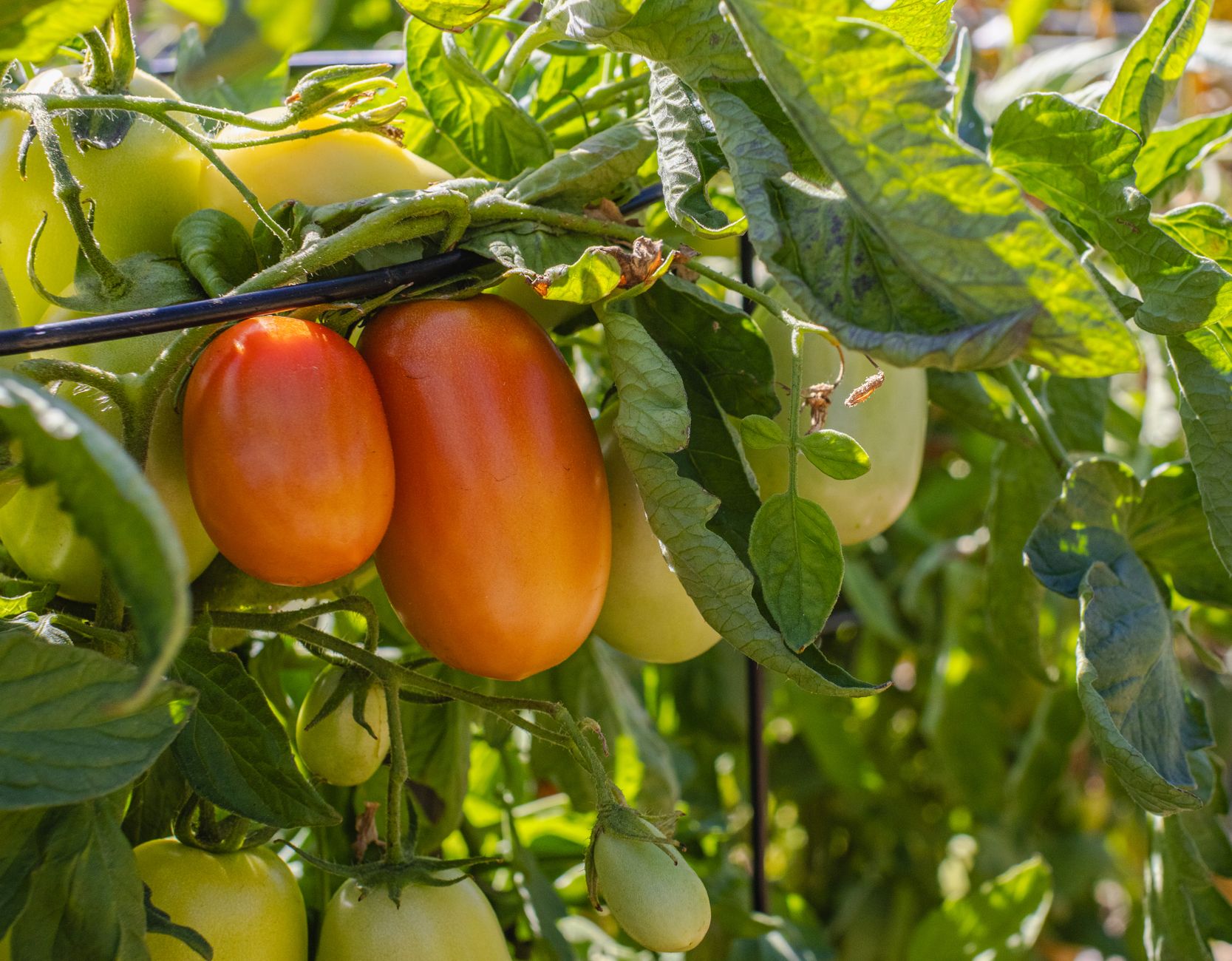
Why it's a problem: Excess nitrogen promotes rapid, lush growth. This increases the plant's demand for calcium, leading to deficiency in the fruit.
What to use: Use a balanced fertilizer (like 5-10-10) with lower nitrogen and higher phosphorus and potassium.
How much: Apply fertilizer according to soil test recommendations. Avoid over-applying nitrogen.
Timing: Apply fertilizer before planting and side-dress during the growing season as needed.
Organic options: Compost and aged manure are excellent choices.
Add Mulch

How it works: Mulch retains soil moisture, regulates soil temperature, and prevents moisture fluctuations.
What to use: Straw, wood chips, grass clippings, or shredded leaves.
How to apply: Apply 2-3 inches of mulch around the base of the plant, keeping it away from the stem.
When to apply: Apply after the soil has warmed in late spring.
Benefits: Mulch also suppresses weeds and adds organic matter to the soil.
Remove Affected Fruits
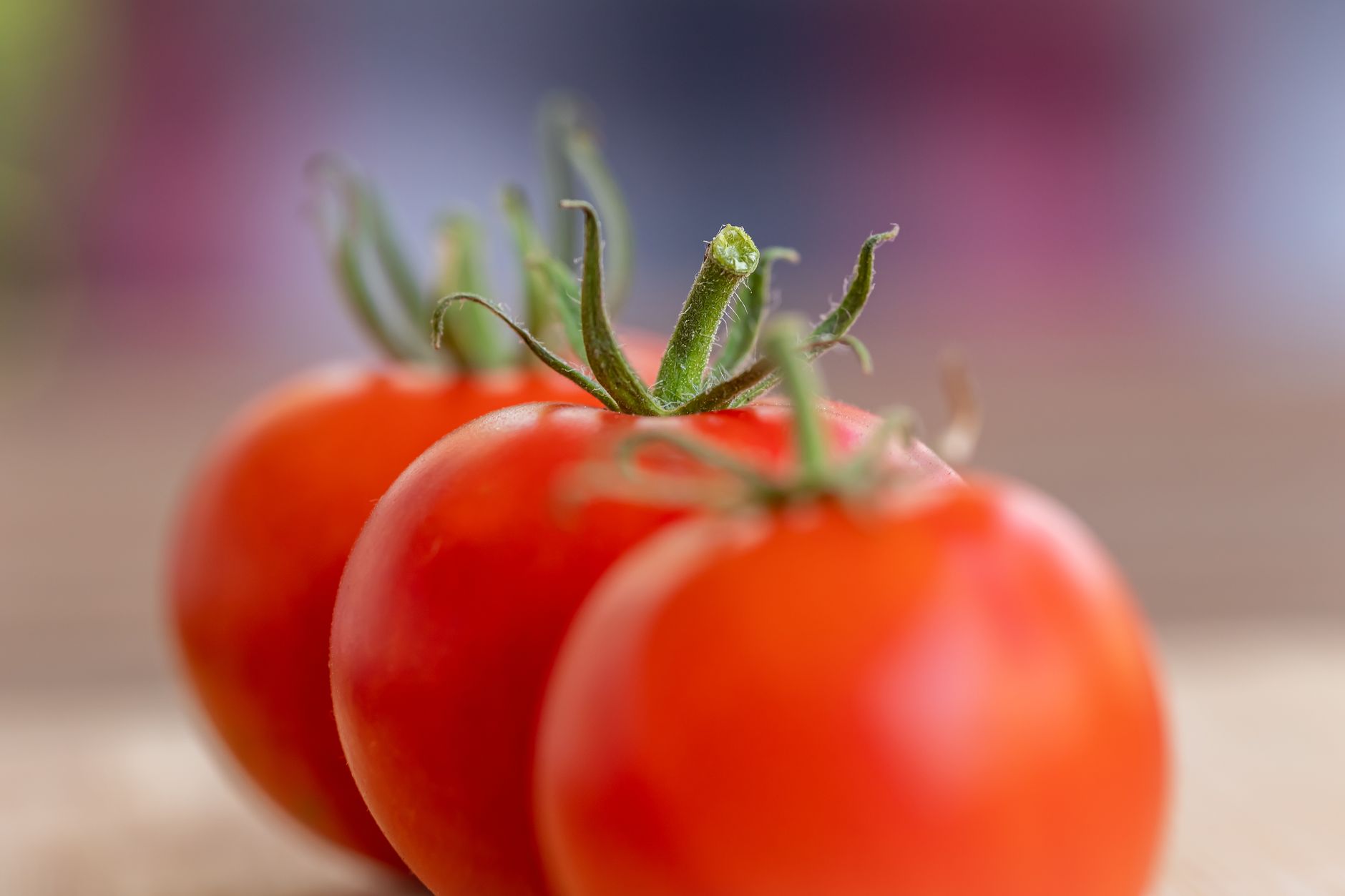
Why remove: Affected fruits will not recover. They will remain rotted and may attract pests.
How to remove: Pinch or cut off the affected fruits from the plant.
When to remove: Remove as soon as you notice the rot.
Prevent spread: Remove the fruits to prevent the rot from spreading (though it's not contagious).
Focus on future fruit: The plant will redirect energy to new, healthy fruits.
Monitor and Adjust
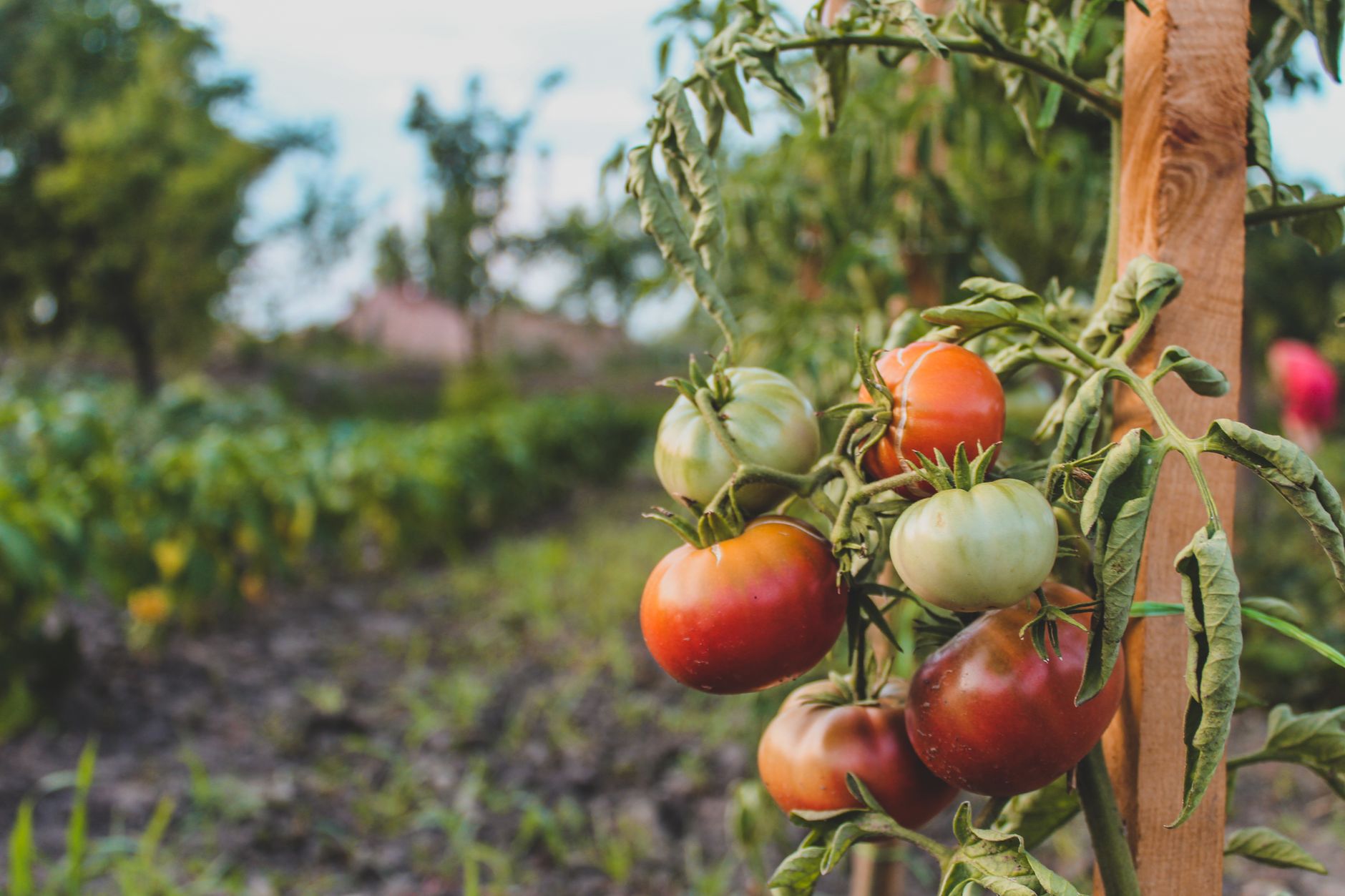
Inspect regularly: Check plants weekly during the growing season.
Adjust watering: If the soil is drying out quickly, water more frequently. If it's staying wet, reduce watering.
Test soil pH: Test soil pH annually to ensure calcium availability.
Keep records: Track when blossom end rot appears and what conditions preceded it.
Improve over time: Each season, adjust your practices based on what worked.
Common problems and fixes
| Problem | Likely cause | What to do |
|---|---|---|
| Blossom end rot on multiple fruits | Inconsistent watering or calcium deficiency. | Water consistently, add calcium-rich fertilizer, and maintain soil pH. |
| Plants with lush growth but blossom end rot | Too much nitrogen. | Reduce nitrogen fertilizer and use a balanced fertilizer. |
| Blossom end rot despite good watering | Soil pH too high or too low, or root damage. | Test soil pH and adjust. Check for root damage. |
| Blossom end rot on pepper plants | Same causes as tomatoes. | Apply the same prevention methods: consistent watering, calcium, and balanced nutrition. |
Gardener's checklist
Test what you learned
What is the primary cause of blossom end rot?
Answer: Calcium deficiency in fruit
What is the most important prevention factor?
Answer: Consistent watering
What should you do with affected fruits?
Answer: Remove them
What is a good calcium source for tomatoes?
Answer: Bone meal
What soil pH range is best for calcium uptake?
Answer: 6.0-6.8
Common questions
Can blossom end rot be reversed?
No, once a fruit develops blossom end rot, it won't recover. Remove the affected fruit and focus on preventing it on future fruits.
Does blossom end rot affect all tomatoes?
It can affect any tomato variety, but some are more susceptible than others. Plum and paste tomatoes are especially prone.
Can I eat tomatoes with blossom end rot?
You can cut off the affected part and eat the rest. The rest of the fruit is safe and edible.
How long does it take for blossom end rot to appear?
It appears on developing fruits, usually on the first fruits of the season. It can appear within 2-3 weeks after fruit set.
Can blossom end rot affect peppers?
Yes, blossom end rot also affects peppers, eggplants, squash, and watermelons.
Blossom end rot is a common tomato problem, but it's preventable with consistent watering, adequate calcium, and balanced nutrition. The most important factor is consistent soil moisture—water deeply and regularly, and use mulch to retain moisture. Add calcium-rich amendments like bone meal or calcium nitrate to the soil. Avoid over-fertilizing with nitrogen. Remove affected fruits and monitor plants regularly. With proper care, you can prevent blossom end rot and enjoy healthy, delicious tomatoes.
Frequently asked questions
How often should a vegetable garden be watered?
Frequency depends on weather, soil and plant size. Check the soil rather than watering on a rigid schedule.
Is compost enough fertilizer?
Compost improves soil and provides nutrients slowly. Heavy-feeding crops may still need additional feeding.

The Sproutstead Editorial Team
We create clear, practical gardening and homesteading guides designed for real homes and beginner growers.
View author profile →