Start growing your own food by assessing your available space and sunlight, then beginning with a small, manageable plot or a few containers rather than an ambitious full garden. Choose forgiving beginner crops like lettuce, herbs, tomatoes, and zucchini, invest in a few essential basic tools, and expect your skills and garden size to grow progressively over several seasons rather than achieving full self-sufficiency immediately.
What you will need
Assess Your Available Space and Sunlight
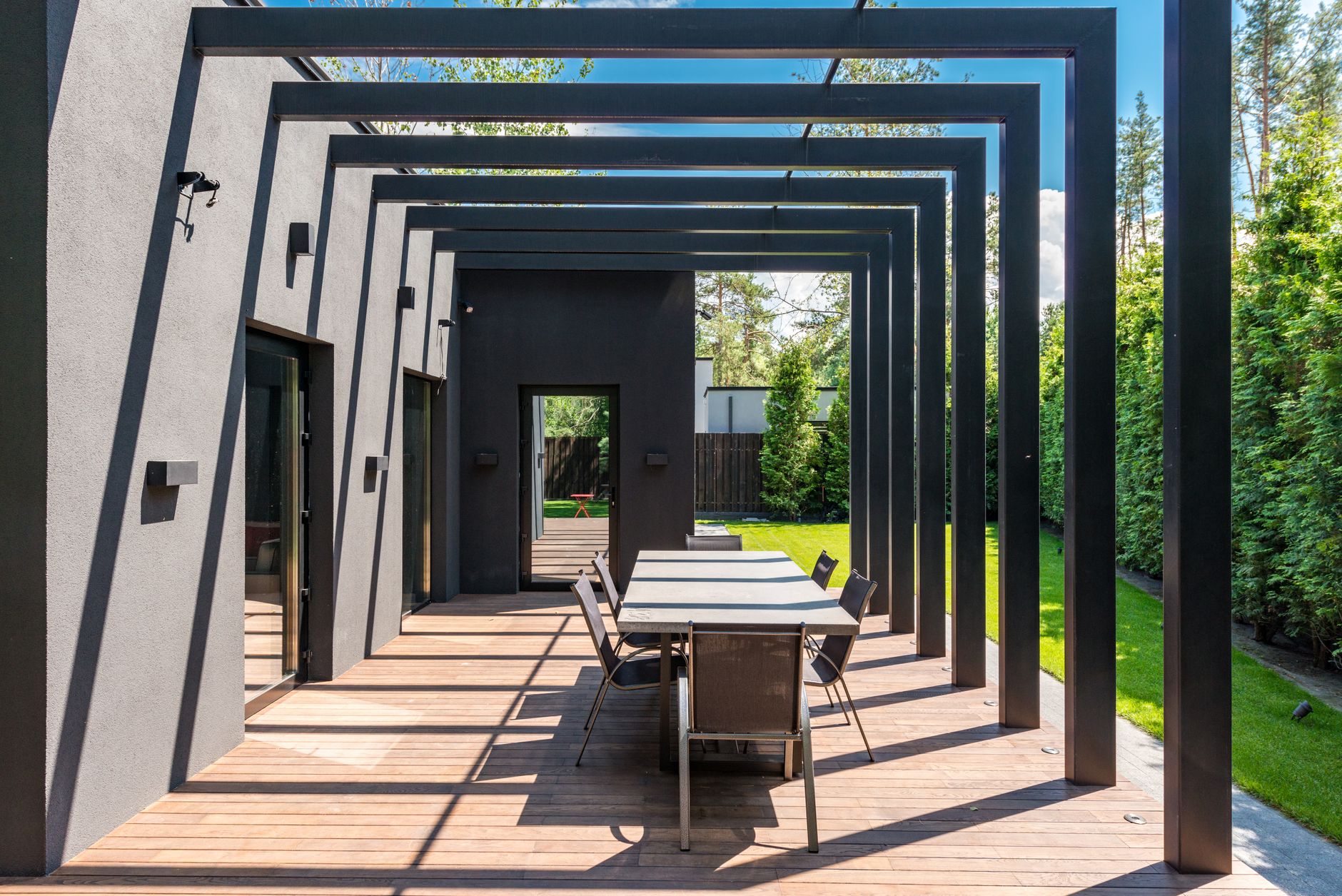
Track sunlight across your available space over a full day, noting how many hours of direct sun different areas receive, since this single factor determines which crops can realistically succeed.
Fruiting vegetables like tomatoes and peppers need 6-8 hours of direct sun, while leafy greens and herbs tolerate significantly less, often thriving with just 3-4 hours.
Consider what space you actually have available, whether that's a full backyard, a small patio, a sunny windowsill, or access to a community garden plot, since your approach should match your genuine circumstances rather than an idealized vision.
Evaluate your soil if you're planning an in-ground garden, since heavy clay, extremely rocky ground, or contaminated urban soil might make raised beds or containers a more practical starting point than direct in-ground planting.
Factor in water access as well, since a garden far from an outdoor spigot or requiring hauled water becomes considerably more burdensome to maintain consistently through a full growing season.
Start Small Rather Than Overly Ambitious
Begin with one small raised bed, a few containers, or a modest in-ground plot rather than attempting to convert your entire yard into a garden in your first season, since overambitious first attempts often lead to overwhelm and abandoned projects.
A 4x4 or 4x8 foot raised bed, or three to five containers, provides genuine growing experience and a meaningful harvest without the maintenance burden of a much larger space.
Starting small also limits your financial investment while you're still learning what works in your specific conditions, making any first-season mistakes considerably less costly than they would be at a larger scale.
Plan to expand gradually in subsequent seasons based on what you learn and enjoy, rather than trying to anticipate everything you might eventually want to grow in your very first year.
Many experienced gardeners specifically recommend this measured approach, since the skills and confidence built from successfully managing a small garden transfer directly to successfully managing a larger one later.
Choose Forgiving Beginner Crops
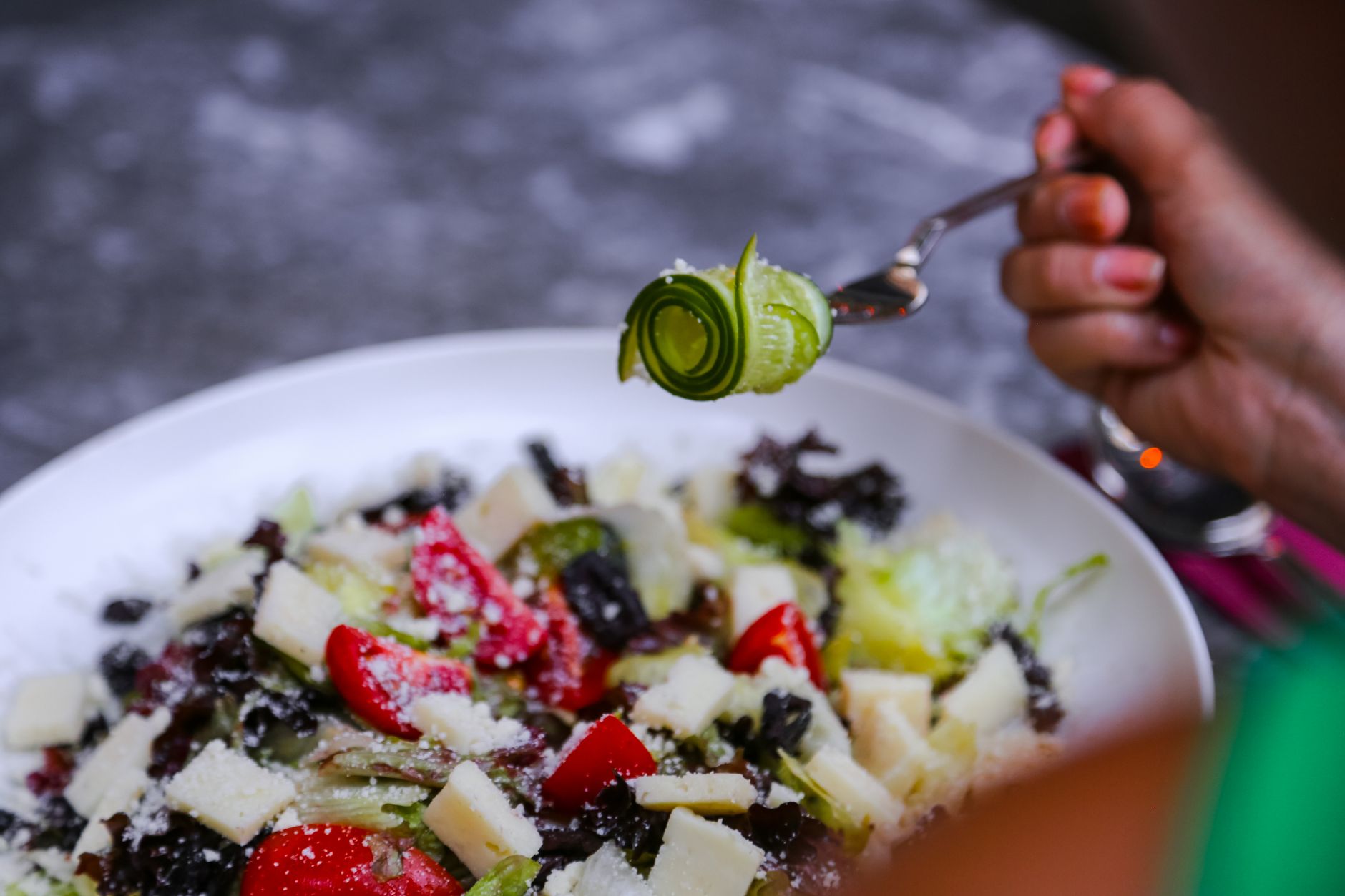
Lettuce and other leafy greens grow quickly, often ready to harvest within a month, providing fast, encouraging feedback that slower-maturing crops can't match during your first season of learning.
Herbs like basil, chives, and parsley are remarkably forgiving of minor care inconsistencies while still producing a useful, satisfying harvest, making them ideal low-risk starting crops.
Cherry tomatoes are considerably more forgiving than full-size beefsteak varieties, tolerating some care mistakes while still producing a reliable, abundant harvest through the summer.
Zucchini and summer squash are famously productive and low-maintenance, often producing more harvest than a single household can use, which builds genuine confidence in a beginner's ability to grow food successfully.
Avoid particularly demanding or slow-maturing crops for your first attempt, such as extensive root vegetables, artichokes, or plants requiring very specific conditions, saving these for once you've built foundational experience and confidence.
Invest in a Few Essential Tools
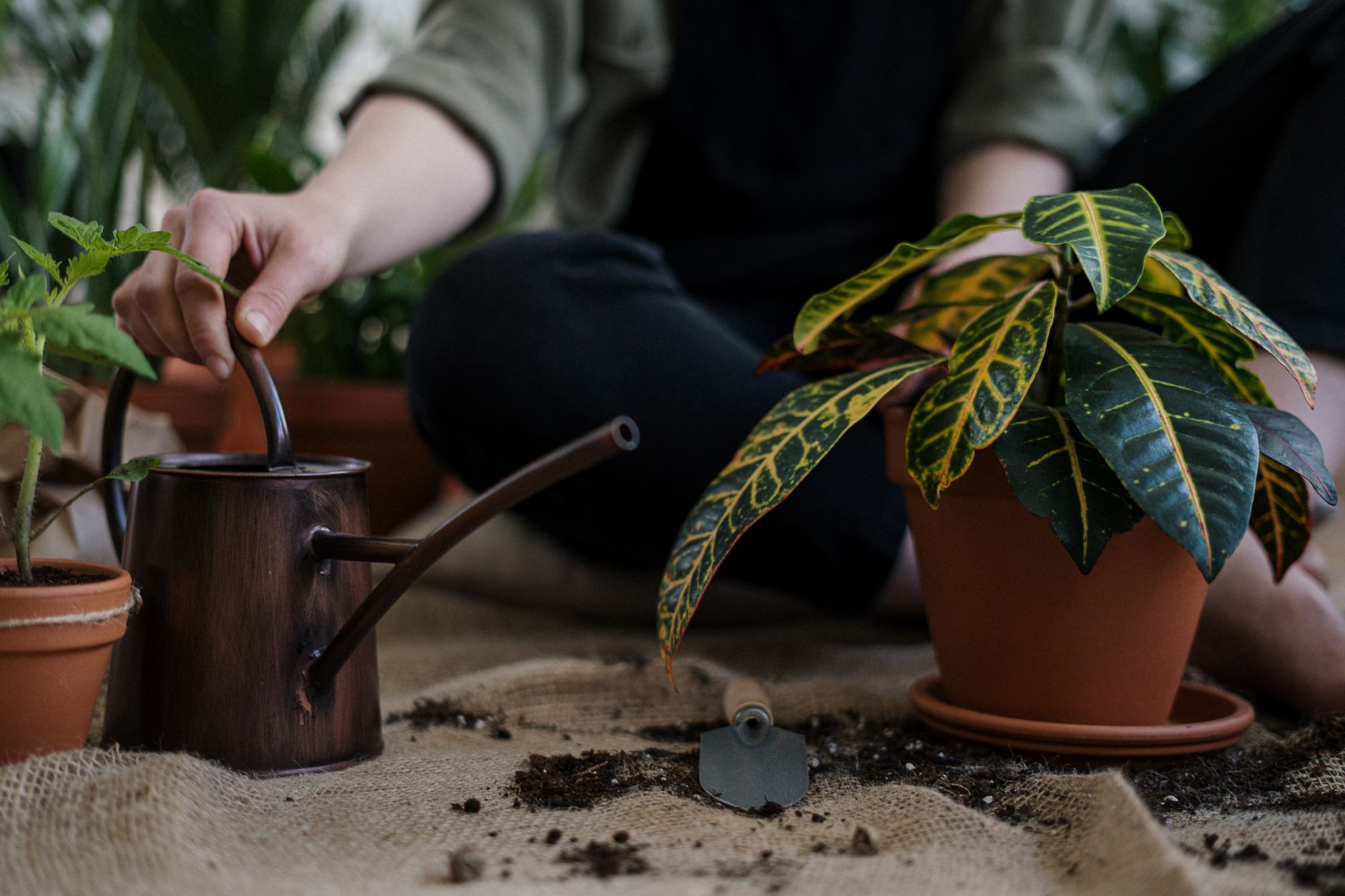
A hand trowel is essential for digging planting holes, transplanting seedlings, and general small-scale digging tasks that make up much of regular garden maintenance.
Garden gloves protect your hands during weeding, soil work, and handling any prickly or irritating plants, genuinely improving the comfort of regular garden tasks.
A watering can or hose with an adjustable nozzle covers your basic irrigation needs for a small starter garden, without requiring investment in a more elaborate system until you're confident you'll continue gardening long-term.
Hand pruners handle harvesting, deadheading, and general plant maintenance tasks, a worthwhile investment even for a small garden given how frequently this tool gets used.
Resist purchasing extensive specialized equipment immediately; many additional tools (like specific trellising hardware or soil testing kits) can be added later once you understand what your specific garden actually needs.
Learn Basic Watering and Feeding Fundamentals

Check soil moisture by inserting a finger about an inch into the soil, watering when it feels dry rather than following a rigid fixed schedule that doesn't account for actual weather and soil conditions.
Water thoroughly and deeply rather than frequent light sprinkling, which encourages plants to develop deeper, more resilient root systems compared to shallow watering that only wets the surface.
Feed plants periodically with a balanced fertilizer, particularly important for container gardens where nutrients deplete faster than in-ground plantings due to more frequent watering washing nutrients away.
Learn to recognize basic signs of both overwatering (yellowing, wilting despite wet soil) and underwatering (wilting with dry soil, crispy leaf edges), since distinguishing between these opposite problems is a genuinely valuable early skill.
Mulch around plants once established, which helps retain soil moisture and reduces how often you need to water, a simple technique that meaningfully reduces the maintenance burden of a new garden.
Build Skills Progressively Over Multiple Seasons

Expect your first season to involve some genuine trial and error, since even experienced gardeners continue learning specific lessons about their particular yard's microclimates, soil, and conditions throughout their gardening lives.
Keep simple notes on what worked well and what didn't each season, since this record becomes increasingly valuable as you plan future seasons based on your own direct, location-specific experience rather than generic advice alone.
Gradually expand your garden's size and crop variety as you gain confidence, adding new challenges only once you feel comfortable with your current level of responsibility rather than taking on too much too quickly.
Connect with local gardening resources, whether a cooperative extension office, local gardening clubs, or experienced neighbors, since region-specific knowledge genuinely accelerates learning beyond generic national advice.
Recognize that full self-sufficiency in food production is a long-term goal built over years, not months; even a modest, successful garden contributing some fresh food to your kitchen represents genuine, worthwhile progress.
Consider Extending Your Growing Season and Preserving Your Harvest
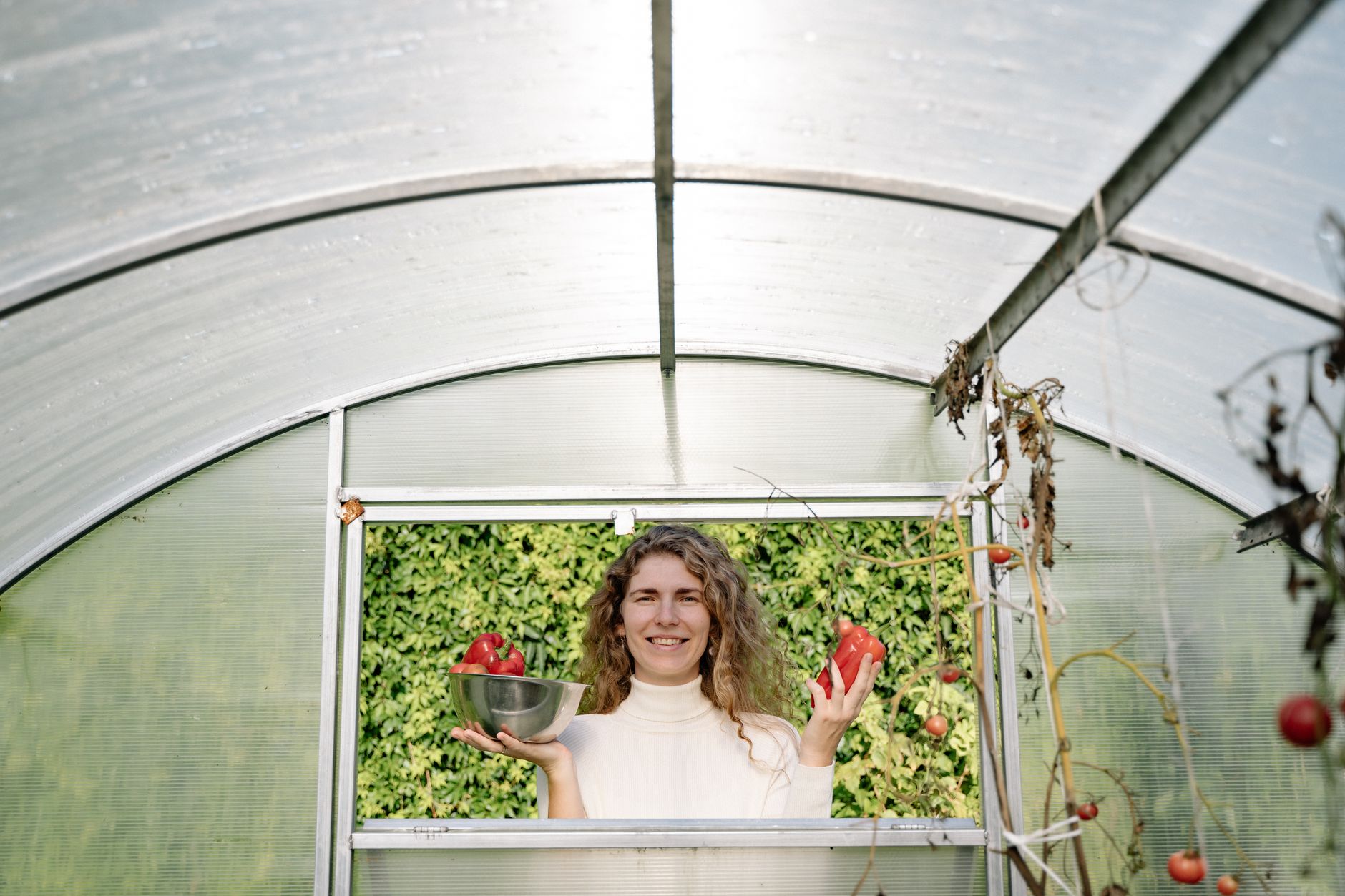
Simple season-extension techniques, like starting seeds indoors before your last frost date or using a basic cold frame, let you begin growing earlier in spring and continue later into fall than an unprotected garden would allow.
Succession planting, sowing new rounds of quick-maturing crops like lettuce every few weeks, keeps your garden productive throughout the season rather than producing one single harvest and then sitting empty.
Learning basic food preservation techniques, such as freezing, simple water bath canning, or dehydrating, lets you make use of abundant harvests (zucchini overload is a famous beginner gardener experience) rather than letting excess produce go to waste.
These preservation skills genuinely extend your garden's value well beyond the growing season itself, turning a summer's abundance into meals throughout the following months, a natural next step once basic growing skills feel comfortable.
Common problems and fixes
| Problem | Likely cause | What to do |
|---|---|---|
| First-season garden feels overwhelming to maintain | Garden size or crop variety exceeded what was realistically manageable for a beginner. | Scale back to a smaller, more manageable size for your next season, focusing on fewer, more forgiving crops. |
| Plants consistently underperform despite following general advice | Generic advice may not account for your specific local conditions, soil, or microclimate. | Connect with local gardening resources like a cooperative extension office for region-specific guidance tailored to your actual conditions. |
Gardener's checklist
Test what you learned
What is a recommended starting garden size for beginners?
Answer: A small raised bed or a few containers
Which crops are generally most forgiving for beginning gardeners?
Answer: Lettuce, herbs, and cherry tomatoes
How should watering frequency typically be determined?
Answer: Checking soil moisture by touch
Common questions
How much space do I need to start growing my own food?
Even a small space works well for beginning, whether that's a single raised bed, a few containers on a patio, or a sunny windowsill for herbs; the key is matching your ambitions to your actual available space rather than needing a large yard.
What are the easiest vegetables to grow for beginners?
Lettuce and leafy greens grow quickly and forgive minor mistakes, herbs like basil tolerate inconsistent care well, and cherry tomatoes and zucchini are notably productive and forgiving compared to more demanding alternatives.
How long does it take to become skilled at growing food?
Most gardeners find their skills and confidence develop meaningfully over 2-3 growing seasons of direct experience, though learning continues indefinitely as you encounter new conditions, crops, and challenges each year.
Do I need expensive equipment to start a garden?
No, a few basic tools (trowel, gloves, watering can, hand pruners) cover most beginner needs; specialized equipment can be added later once you understand what your specific garden and growing style actually requires.
Can I grow food if I only have a small apartment balcony?
Yes, container gardening on a balcony can support a meaningful selection of herbs, lettuce, and even compact tomato or pepper varieties, provided the space gets adequate sunlight and containers are sized appropriately for whatever you choose to grow.
How much food can a beginner garden realistically produce?
A small first-season garden won't achieve full self-sufficiency, but it can meaningfully supplement your kitchen with fresh herbs, salad greens, and a summer's worth of tomatoes or zucchini, building both skill and appreciation for the process along the way.
Growing your own food is a genuinely achievable goal for anyone willing to start small, choose forgiving crops, and build skills progressively, with each successful season providing the confidence and knowledge to expand a little further the next time around.
Frequently asked questions
How often should a vegetable garden be watered?
Frequency depends on weather, soil and plant size. Check the soil rather than watering on a rigid schedule.
Is compost enough fertilizer?
Compost improves soil and provides nutrients slowly. Heavy-feeding crops may still need additional feeding.

The Sproutstead Editorial Team
We create clear, practical gardening and homesteading guides designed for real homes and beginner growers.
View author profile →