
Grow strawberries (Fragaria x ananassa) in containers at least 8-12 inches deep with good drainage, choosing everbearing or day-neutral varieties for the most reliable continuous container harvest. Plant in quality potting mix, space plants 8-10 inches apart in larger containers, water consistently, and manage runners by either allowing them to fill in space or trimming them to focus energy on fruit production. Strawberries are perennial and can be overwintered with protection in colder USDA zones.
What you will need
Choose the Right Variety for Container Growing

Everbearing varieties produce two to three flushes of fruit through the growing season, spring, summer, and fall, making them a popular choice for containers where gardeners want a more spread-out harvest rather than one concentrated period.
Day-neutral varieties produce continuously throughout the growing season regardless of day length, often considered the most reliable choice for containers specifically, since they don't depend on the seasonal triggers that affect other types.
June-bearing varieties produce one large, concentrated harvest in early summer, which can work well in containers but results in a shorter overall productive window compared to everbearing or day-neutral types.
For a container garden specifically, everbearing or day-neutral varieties generally provide better value given their extended harvest window, making the container space productive for a longer portion of the growing season.
Popular container-friendly varieties include Albion (day-neutral), Seascape (day-neutral), and Ozark Beauty (everbearing), all widely available and well-suited to the container growing conditions covered in this guide.
Select a Suitable Container Type
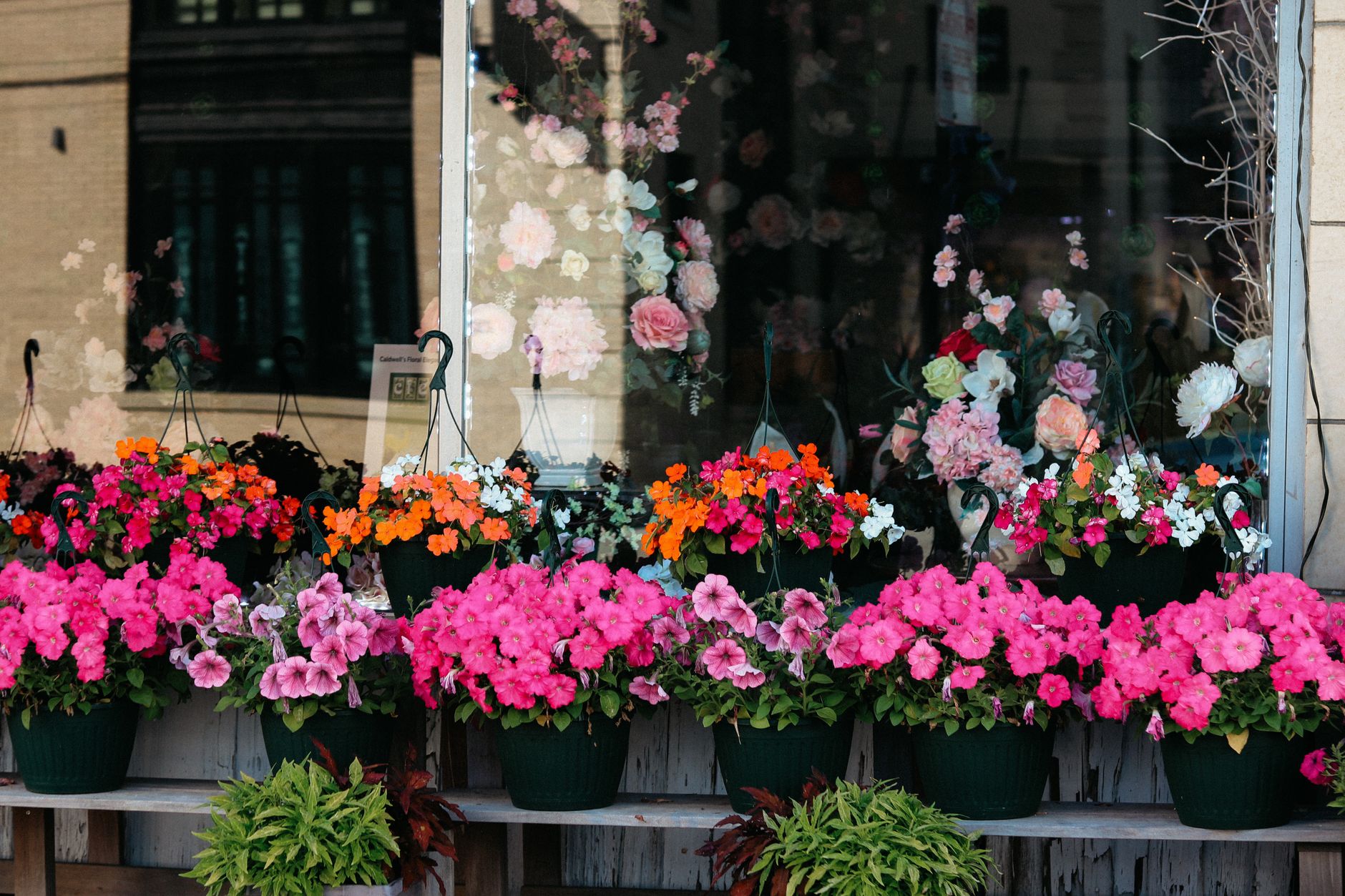
Specialized strawberry pots, featuring multiple planting pockets along their sides in addition to the top, allow growing several plants in a single vertical container, maximizing the number of plants per square foot of floor or patio space.
Hanging baskets take advantage of strawberries' naturally trailing growth habit, with runners and fruit cascading attractively over the sides, while also keeping developing berries off the ground and away from many ground-dwelling pests.
Standard containers or window boxes at least 8-12 inches deep work perfectly well too, offering a simpler setup than specialized pots while still providing adequate root room for healthy plants.
Whatever container style you choose, confirm it has adequate drainage holes, since strawberries, like most fruiting plants, are prone to root rot in consistently waterlogged conditions.
Strawberry pots with multiple planting pockets can be trickier to water evenly, since water poured from the top doesn't always reach lower pockets adequately; consider a vertical watering tube inserted through the center for more even moisture distribution in this container style.
Plant at the Correct Depth

Plant strawberries so the crown, the point where roots meet the top growth, sits right at soil level, neither buried nor exposed, since incorrect planting depth is a genuinely common cause of poor establishment.
Planting too deep, burying the crown, can cause the plant to rot, while planting too shallow, leaving roots exposed above the soil surface, causes the plant to dry out and struggle to establish properly.
Space plants 8-10 inches apart in larger containers with room for multiple plants, giving each one enough room to develop without excessive competition for the container's limited soil volume.
Fill your container with quality potting mix, working in a modest amount of compost for fertility, before planting, using the same general soil quality principles that apply to any container gardening.
Water thoroughly immediately after planting to help settle the soil around the roots and confirm proper crown positioning, adjusting if you notice the crown has settled either too high or too low after watering.
Water and Feed Consistently

Water consistently, checking soil moisture regularly since strawberries have a relatively shallow root system that makes them more sensitive to both drought stress and waterlogged conditions than many deeper-rooted plants.
Container strawberries typically need more frequent watering than in-ground plantings, often daily during hot weather, given the faster-drying nature of container soil generally.
Feed with a balanced fertilizer at planting, then side-dress every 3-4 weeks throughout the growing season, since strawberries' extended fruiting period, especially for everbearing and day-neutral varieties, draws steadily on available nutrients.
Avoid overhead watering that wets the fruit and foliage excessively, which can encourage fungal diseases like gray mold; watering at the soil level helps keep developing berries drier and healthier.
Mulch the soil surface with straw (the traditional and namesake practice for this fruit) or shredded leaves, which helps retain moisture, keeps fruit clean by preventing direct soil contact, and suppresses competing weeds.
Manage Runners for Your Growing Goals
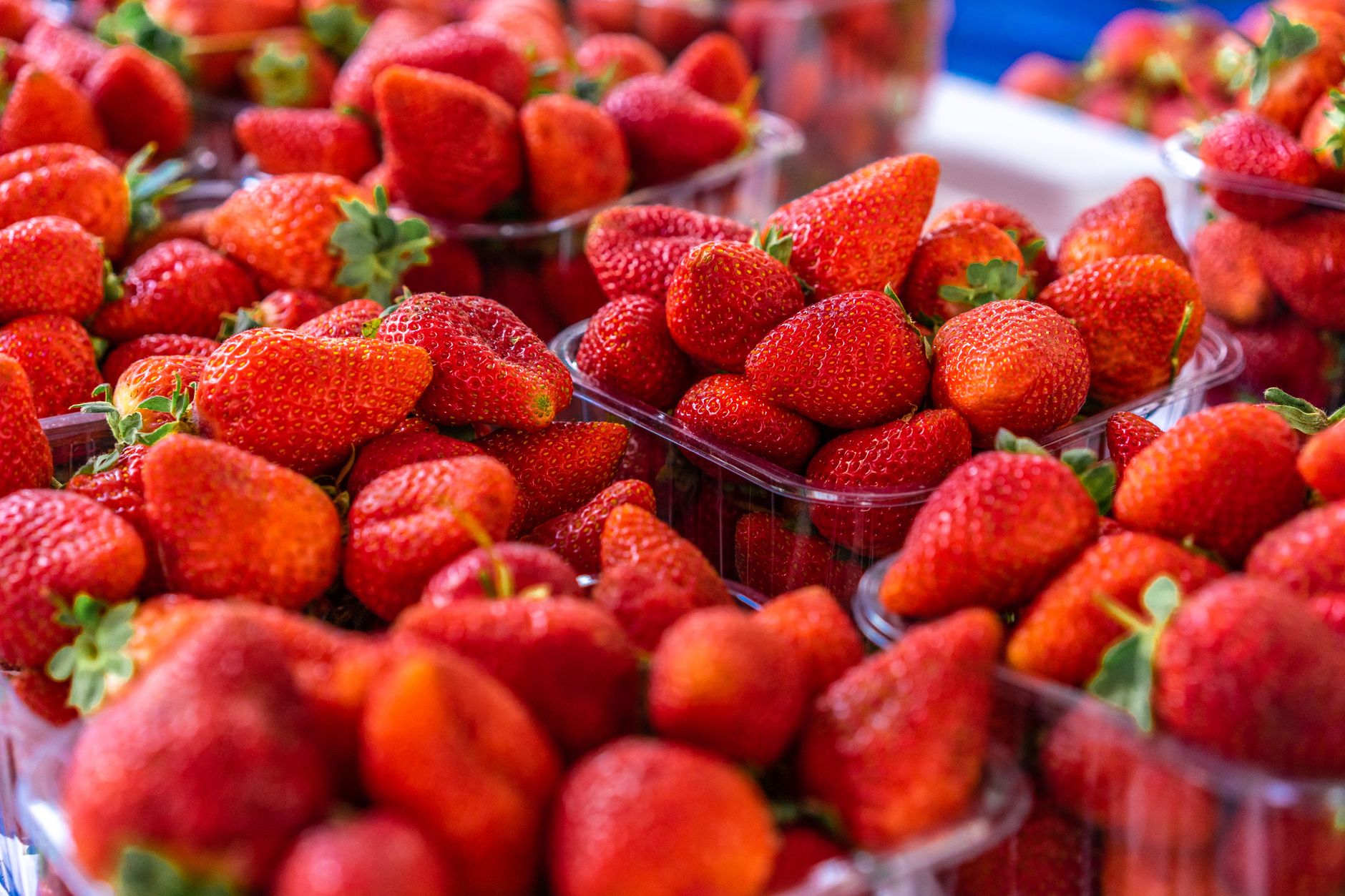
Strawberry plants naturally produce runners, long horizontal stems that develop new baby plants at their tips, which can either be allowed to root and expand your planting or trimmed away to focus the parent plant's energy on fruit production.
For maximum fruit yield from existing plants, trim runners as they appear, redirecting the plant's energy toward developing larger, more abundant berries rather than establishing new plants.
For expanding your strawberry container garden over time, allow some runners to develop and root, either in the same container if space allows or by directing them into small adjacent pots where the new plant can establish independently.
In hanging baskets specifically, runners cascading over the sides create an attractive trailing effect that many gardeners choose to leave, accepting a somewhat reduced fruit harvest in exchange for the ornamental appearance.
Strawberry plants typically remain productive for 3-4 years before declining, making occasional runner propagation a practical way to maintain a continuous supply of vigorous young plants as older ones eventually need replacement.
Overwinter Perennial Plants in Cold Climates

Strawberries are genuinely perennial plants, and container-grown plants can survive winter and continue producing in following years with appropriate protection, particularly important in colder USDA zones.
Container roots have significantly less insulation from cold than in-ground plantings protected by surrounding earth mass, making winter protection considerably more critical for container strawberries than garden-bed plantings.
In USDA zones with hard winters, move containers to an unheated garage, shed, or similarly sheltered spot once plants go dormant after the first hard frost, providing protection from the most extreme temperature swings.
Alternatively, heavily mulch containers left outdoors with straw or leaves, and consider wrapping the container itself in burlap or bubble wrap for additional insulation against root-zone freezing.
In milder USDA zones (7 and warmer), container strawberries often overwinter successfully outdoors with just a modest layer of mulch, without needing to be moved to a sheltered location.
Protect Fruit from Birds and Common Pests

Birds are frequently the most significant threat to container strawberries, often stripping ripe or nearly ripe berries before gardeners get the chance to harvest them; lightweight bird netting draped over containers during fruiting offers effective, simple protection.
Slugs and snails can also target ripening berries, particularly in containers positioned in shadier or more humid spots; keeping fruit elevated off the soil surface with straw mulch helps reduce this contact-based damage.
Aphids occasionally cluster on new growth; a strong spray of water or insecticidal soap usually provides sufficient control before populations become problematic for the plant's overall health.
Check ripening fruit daily once berries begin coloring, since strawberries can go from underripe to overripe (and vulnerable to pest damage) within just a day or two during peak season.
Common problems and fixes
| Problem | Likely cause | What to do |
|---|---|---|
| Plants fail to establish well after transplanting | Incorrect crown planting depth, either too deep or too shallow. | Check crown position and replant if necessary, ensuring it sits exactly at soil level. |
| Fruit develops fuzzy gray mold | Gray mold (Botrytis), favored by wet foliage and fruit from overhead watering or poor airflow. | Switch to base watering, ensure good spacing between plants for airflow, and remove affected fruit promptly. |
| Container plants don't survive winter | Insufficient winter protection for the more exposed root zone containers provide compared to in-ground plantings. | Move containers to a sheltered location or provide substantially more mulch and insulation in future winters. |
Gardener's checklist
Test what you learned
Which strawberry type generally provides the most extended container harvest?
Answer: Everbearing or day-neutral
Where should the strawberry crown be positioned when planting?
Answer: Exactly at soil level
Why do container strawberries need more winter protection than in-ground plants?
Answer: Container roots have less insulation from cold than in-ground plantings
Common questions
How long do strawberry plants live and produce in containers?
Strawberry plants are perennial and typically remain productive for 3-4 years before declining, though propagating runners into new plants provides an ongoing way to maintain vigorous, productive plants over time.
Should I remove strawberry runners?
This depends on your goal: trim runners for maximum fruit production from existing plants, or allow some to root if you want to expand your container garden or replace aging plants with new ones.
Can strawberries survive winter in containers?
Yes, with appropriate protection, since strawberries are perennial. In cold USDA zones, move containers to a sheltered spot or add substantial mulch and insulation, since container roots have less natural cold protection than in-ground plantings.
What container is best for growing strawberries?
Specialized strawberry pots with multiple planting pockets maximize plants per square foot, hanging baskets take advantage of the trailing growth habit, and standard containers at least 8-12 inches deep also work well; the best choice depends on your specific space and aesthetic preferences.
Do strawberries need full sun in containers?
Yes, strawberries produce best with at least 6-8 hours of direct sunlight daily; less light generally results in fewer, smaller, less flavorful berries even with otherwise excellent care.
Can I grow strawberries from seed instead of starting with plants?
Yes, though growing from seed is considerably slower, often taking a full season before plants are established enough to produce fruit, whereas starting with young plants or bare-root crowns typically produces a harvest within the same growing season.
Strawberries adapt beautifully to container growing across a wide range of container styles, and choosing an everbearing or day-neutral variety, planting at the correct crown depth, and providing winter protection ensures years of productive harvests from the very same plants.
Frequently asked questions
How often should a vegetable garden be watered?
Frequency depends on weather, soil and plant size. Check the soil rather than watering on a rigid schedule.
Is compost enough fertilizer?
Compost improves soil and provides nutrients slowly. Heavy-feeding crops may still need additional feeding.

The Sproutstead Editorial Team
We create clear, practical gardening and homesteading guides designed for real homes and beginner growers.
View author profile →

