Most vegetables grow well in raised beds 12 inches deep, which accommodates the root systems of tomatoes, peppers, beans, and leafy greens. Root vegetables like carrots and parsnips need 18+ inches for straight, well-formed roots. Shallow beds of 6-8 inches work for herbs and lettuce but limit crop options. If building over existing poor soil (heavy clay or rocky ground), deeper beds of 18-24 inches provide a more complete growing medium since roots can't penetrate the ground beneath.
What you will need
Understand the General Depth Guideline
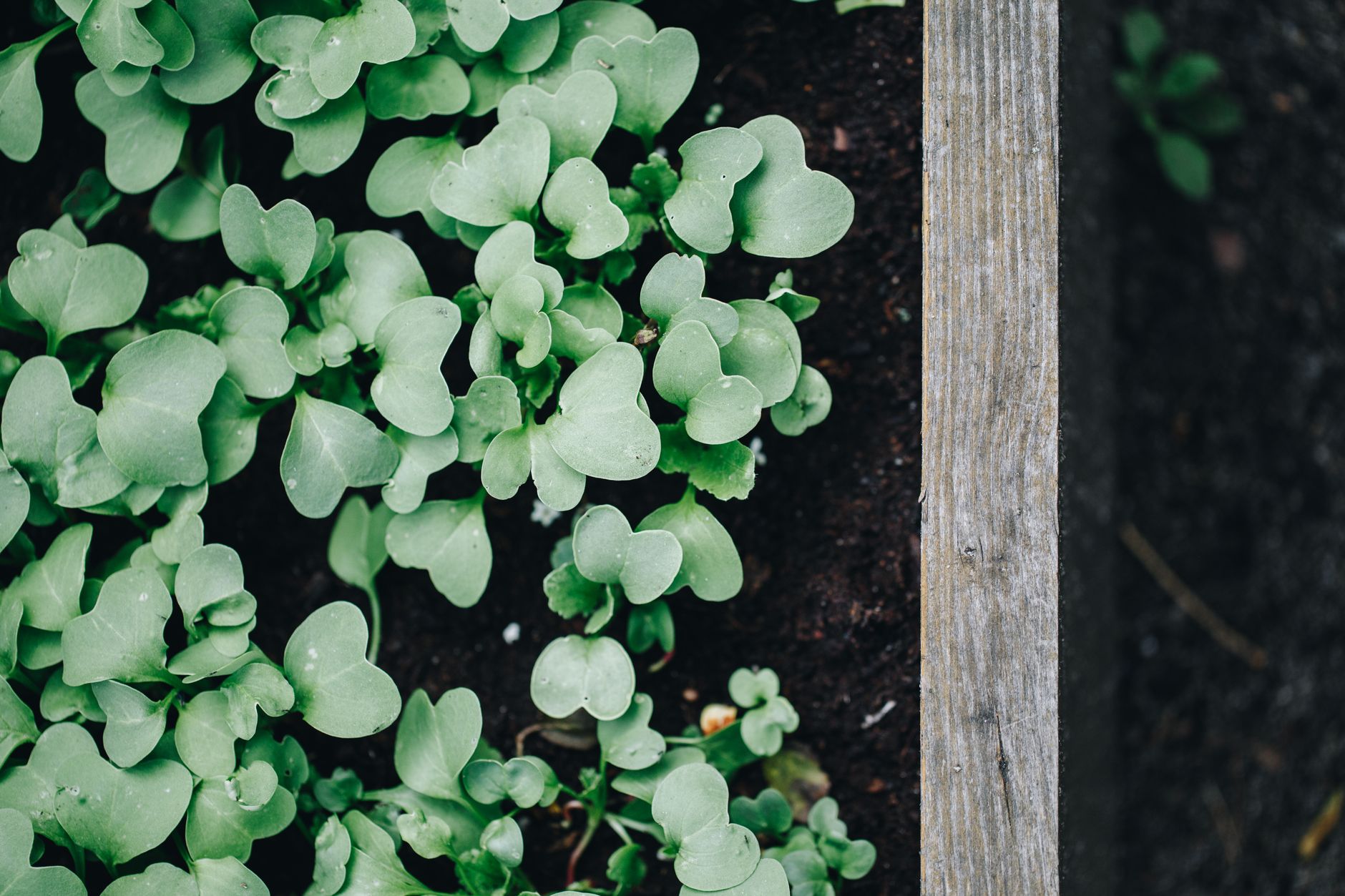
A depth of 12 inches accommodates the root systems of most common vegetables, including tomatoes, peppers, beans, squash, and leafy greens, making it a reliable default choice when planning a general-purpose vegetable bed.
This depth provides enough root room for healthy growth without the added material cost, weight, and construction complexity of a deeper structure, striking a practical balance for most home gardens.
If you're building your very first raised bed and aren't certain exactly what you'll grow in it over time, 12 inches offers enough flexibility to support the vast majority of vegetables you might want to try.
Understand that 12 inches is a minimum guideline rather than an absolute limit; deeper is generally better for plant health, and the 12-inch figure represents where diminishing returns typically begin for most crops rather than an ideal maximum.
This depth guideline assumes reasonably good quality fill soil throughout the bed; if you're only partially filling with quality soil and relying on poor native ground beneath, effective root depth will be less than the bed's total measured depth.
Increase Depth for Root Vegetables
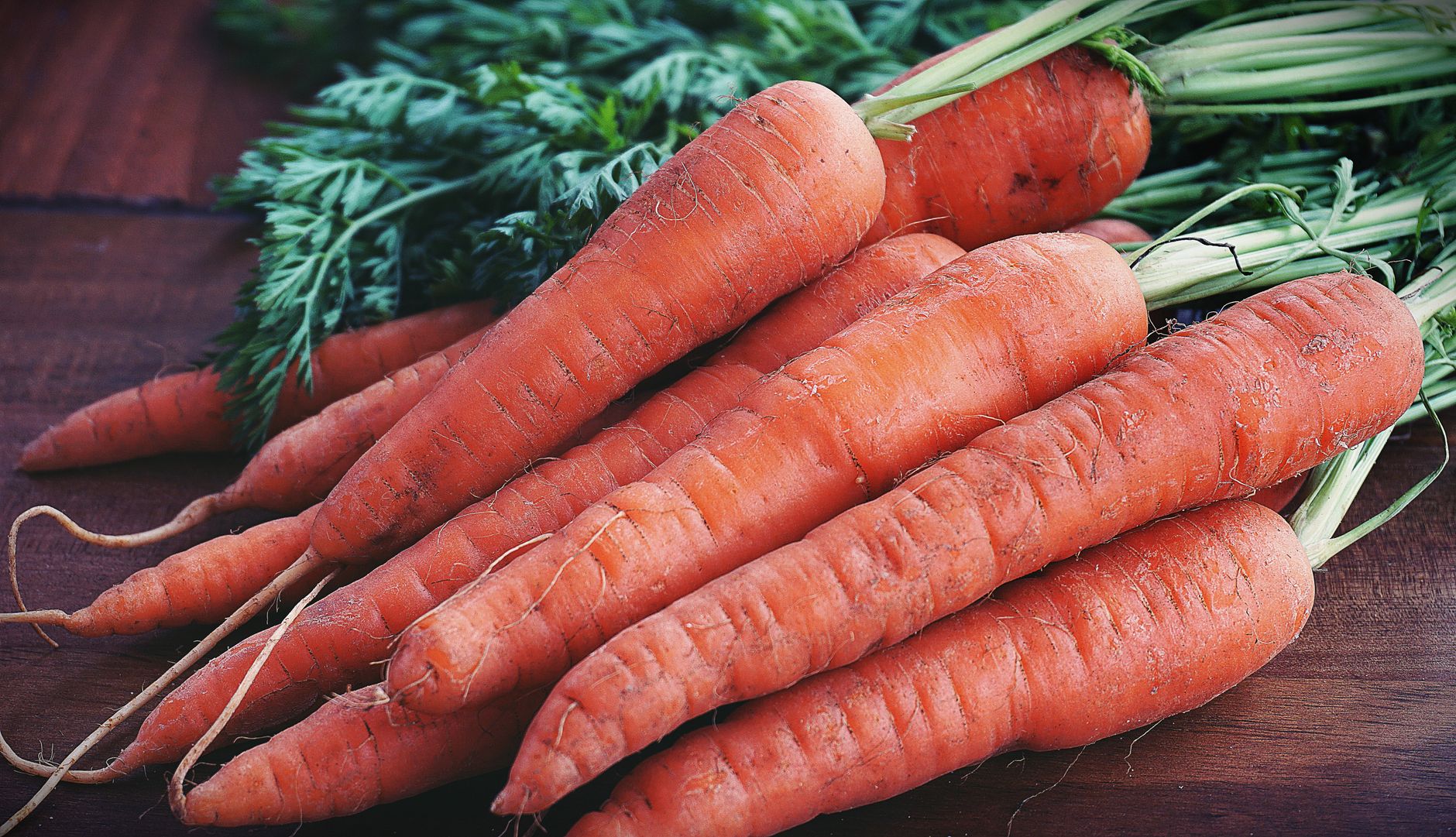
Carrots, parsnips, and other long root vegetables need at least 18 inches of loose, obstruction-free soil depth to develop straight, well-formed roots without forking or stunting.
Shorter, rounder root vegetable varieties, such as Chantenay carrots or round beet types, are more forgiving of somewhat shallower depths, often performing acceptably in 12-14 inches if longer varieties aren't your priority.
Beets and turnips generally do well with 12-14 inches of depth, less demanding than carrots and parsnips but still benefiting from more room than the general 12-inch baseline provides.
If root vegetables are a priority crop for your garden, it's worth dedicating at least one bed specifically to this deeper depth, rather than compromising your entire garden's design around root vegetables' more demanding needs.
Remember that depth alone doesn't guarantee good root vegetable results; the soil also needs to be genuinely loose and free of rocks or hard clumps throughout that full depth for straight root development.
Consider Shallower Options for Herbs and Greens
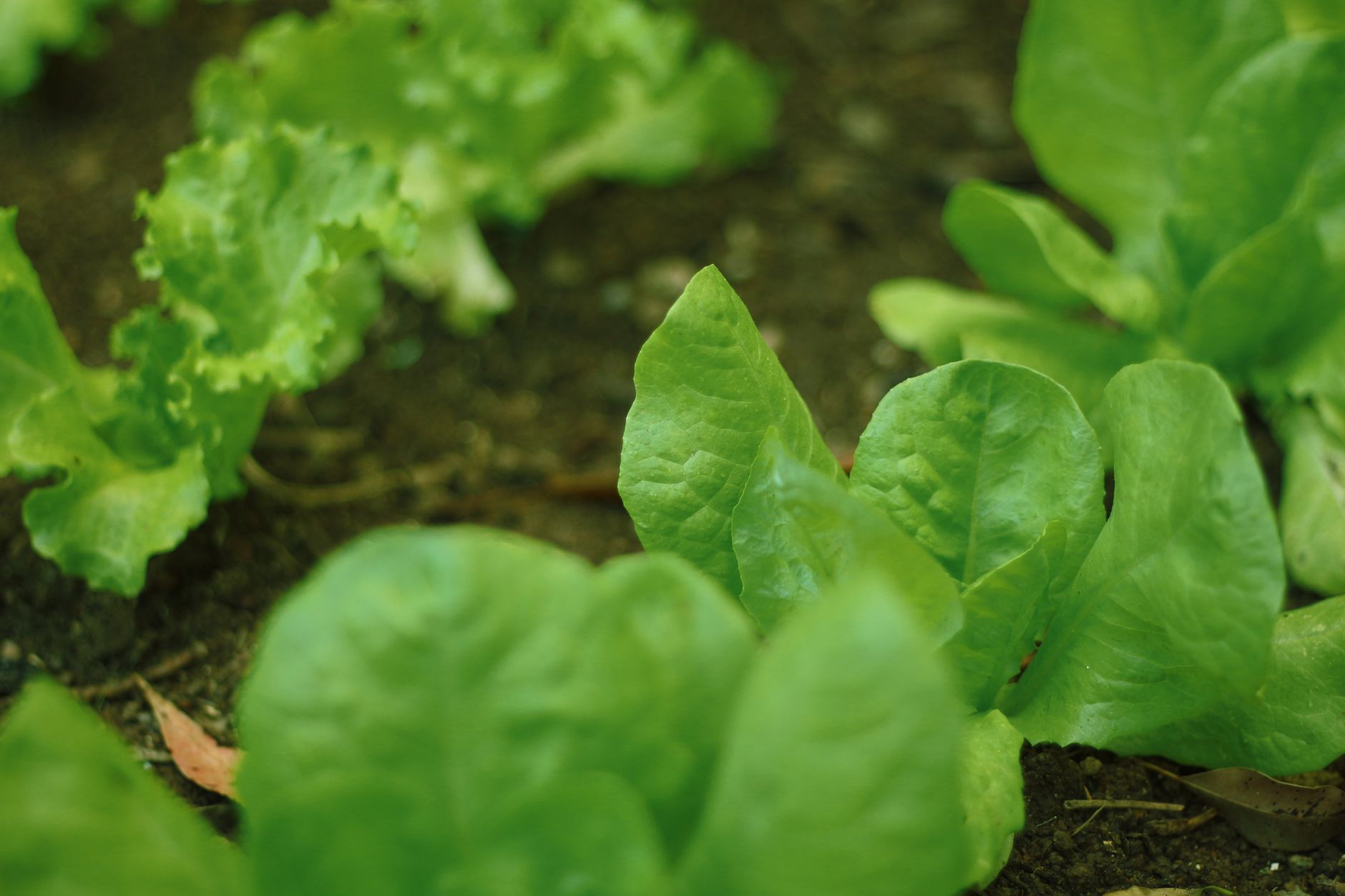
Herbs like basil, thyme, and oregano, along with lettuce and other quick-growing leafy greens, have genuinely shallow root systems that perform well in beds as shallow as 6-8 inches.
A shallower bed depth reduces material costs and total soil volume needed, making this a practical choice for a bed dedicated specifically to these lower-demand crops rather than a general-purpose vegetable bed.
Keep in mind that a shallow bed limits your future crop flexibility; if you might want to grow deeper-rooted vegetables in that same bed eventually, building to the standard 12-inch depth from the start avoids needing to rebuild later.
Shallow beds also dry out faster than deeper ones, given their smaller total soil volume, so factor slightly more attentive watering into your planning if you choose this reduced depth option.
For a dedicated herb garden or salad greens bed that you're confident will remain in that specific use, the material and labor savings of a shallower build genuinely make sense without meaningfully compromising results.
Adjust Depth Based on Existing Soil Quality
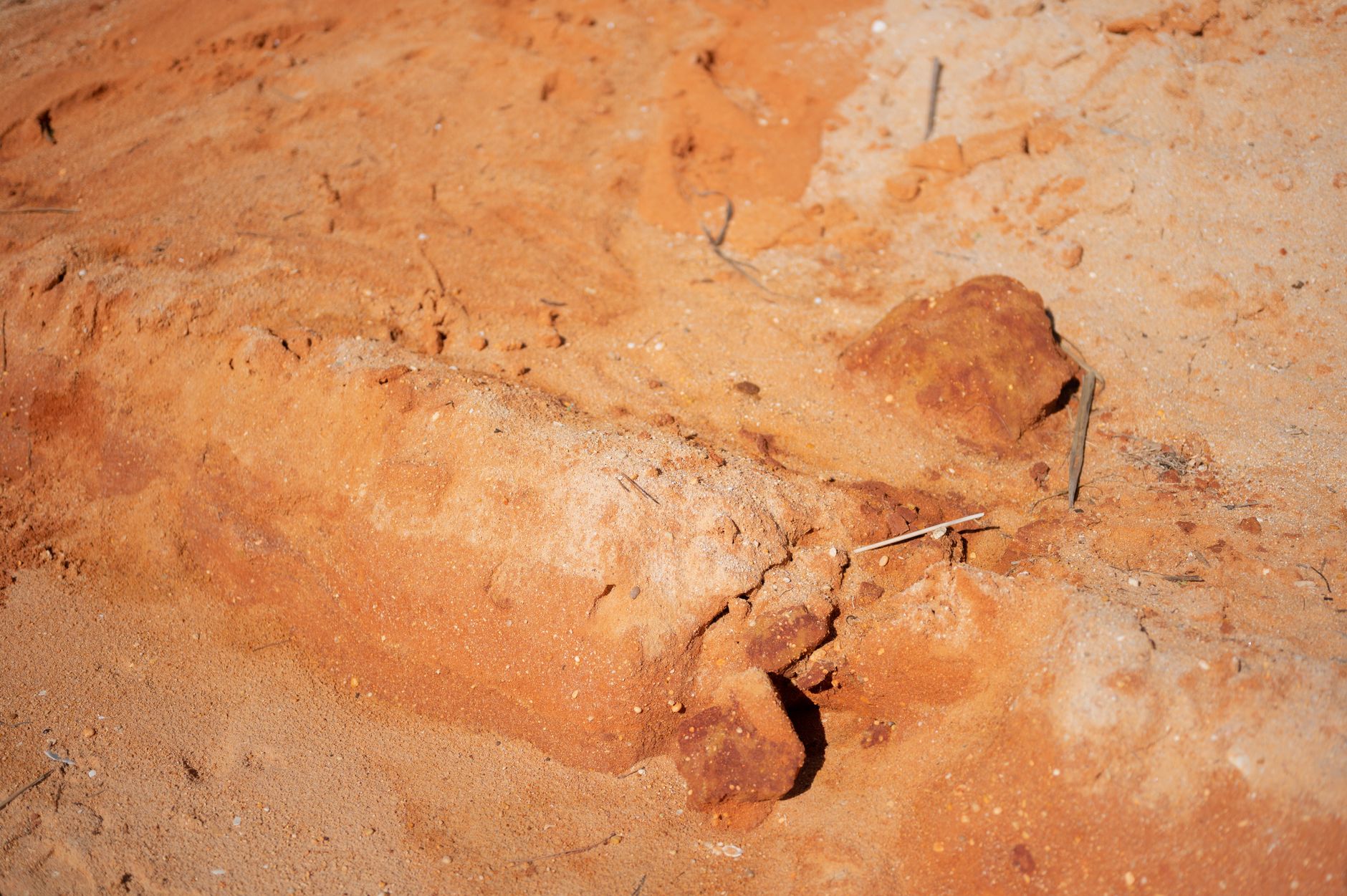
If you're building over heavy clay, extremely compacted, or rocky native soil that roots genuinely can't penetrate, your raised bed's fill material needs to provide the complete root zone depth on its own, since roots won't extend meaningfully into the poor ground beneath.
In this situation, increase your planned depth by several inches beyond the standard guidelines, building to 18-24 inches even for crops that would otherwise be fine in a 12-inch bed, to compensate for the unavailable native soil depth.
Conversely, if your native soil is already reasonably good quality, loose, and well-draining, roots can extend somewhat beyond the raised bed's measured depth into the ground below, meaning you may be able to use a slightly shallower bed than the strict guidelines suggest.
Test your native soil's quality and drainage before finalizing bed depth plans; a simple test involves digging a hole and observing how water drains and how easily a shovel penetrates the ground.
If uncertain, erring toward greater depth is generally the safer choice, since it's far easier to have more root room than needed than to discover partway through a growing season that your bed is limiting plant development.
Weigh Practical Considerations Against Ideal Depth
Every additional inch of bed depth means more material for construction and considerably more soil volume needed to fill it, both of which add meaningfully to overall project cost, especially for larger beds.
Deeper beds also weigh significantly more once filled, an important consideration for beds placed on decks, balconies, or any surface with weight limitations, where excessive depth might not be structurally feasible regardless of horticultural benefits.
For most home gardeners without root vegetables as a priority crop and without particularly poor underlying soil, the standard 12-inch depth offers the best practical balance of adequate growing capacity against reasonable cost and effort.
Consider building a mix of depths across multiple beds if your garden includes diverse crops, using deeper beds specifically for root vegetables while keeping other beds at the more economical 12-inch standard.
Beyond roughly 24-30 inches, additional depth offers diminishing horticultural returns for essentially all common vegetables, while cost and weight continue increasing, making this range a practical upper limit worth respecting even for root vegetable beds.
Use Strategies to Reduce the Cost of Deeper Beds
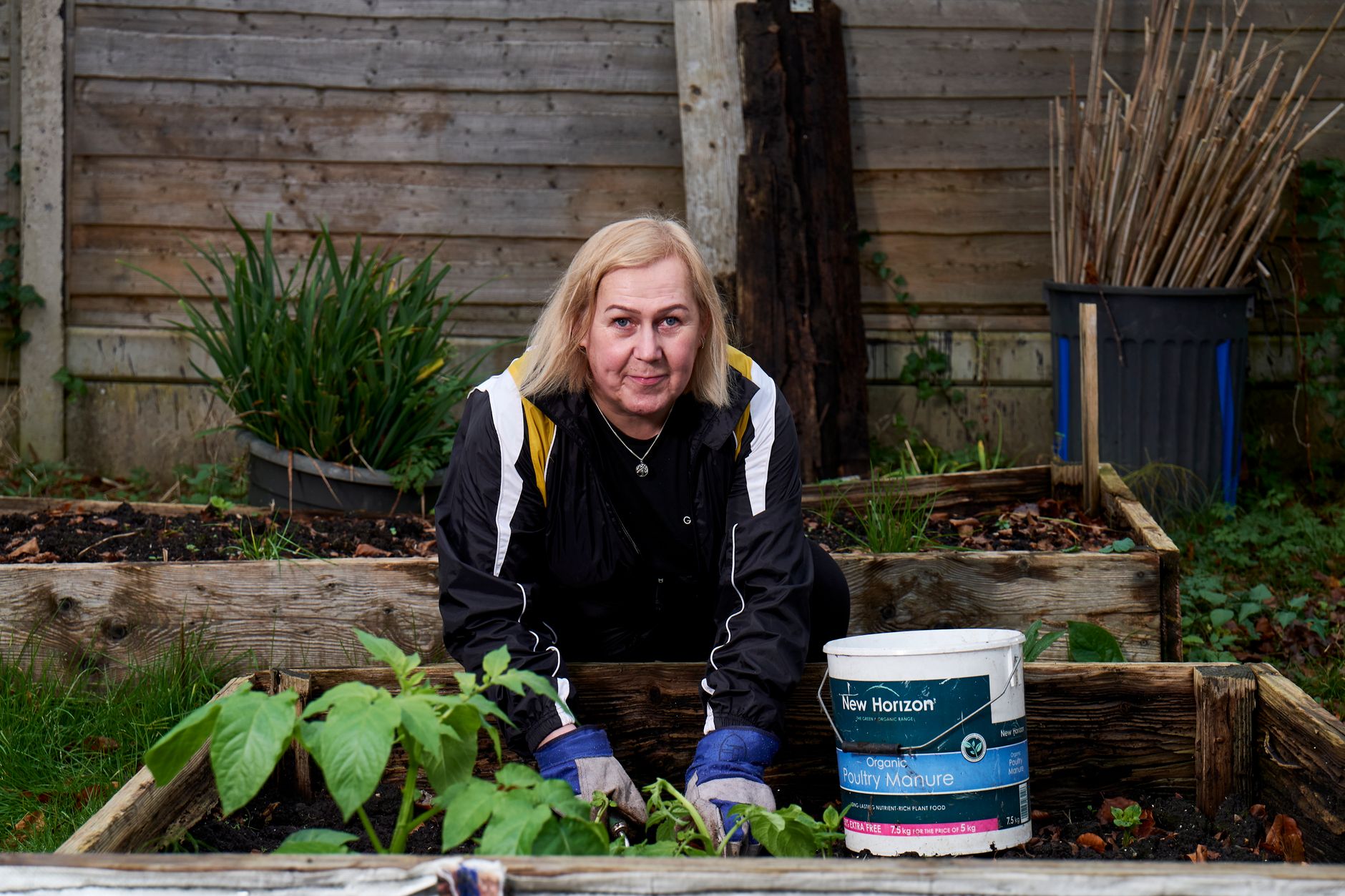
The hugelkultur technique, filling the bottom third of a deep bed with logs, branches, or other coarse woody material before topping with soil, significantly reduces the purchased soil volume needed while still providing genuine growing depth.
Fill non-planting areas of an oversized deep bed, such as the corners or edges not directly used for root vegetables, with less expensive fill material or even large rocks (below the root zone) to reduce total soil volume without compromising the actual growing area.
Consider building only one or two dedicated deep beds for root vegetables specifically, rather than making your entire garden uniformly deep, which concentrates the added cost only where it delivers genuine horticultural benefit.
Bulk soil delivery becomes increasingly cost-effective as bed depth and total volume increase, so if you are committing to deeper construction, compare bulk pricing carefully against bagged options for potentially significant savings.
Common problems and fixes
| Problem | Likely cause | What to do |
|---|---|---|
| Root vegetables come out forked or stunted despite loose soil | Insufficient bed depth for the specific variety being grown. | Increase bed depth to at least 18 inches for long varieties, or switch to shorter, rounder varieties better suited to shallower depth. |
| Plants show signs of restricted root growth in a 12-inch bed | Poor native soil beneath the bed preventing roots from extending past the fill material. | Consider rebuilding to a greater depth, or test and amend the native soil beneath if the bed's structure allows for it. |
Gardener's checklist
Test what you learned
What is the standard recommended depth for most common vegetables?
Answer: 12 inches
What depth is recommended for growing carrots and parsnips?
Answer: 18+ inches
Why might you need extra bed depth when building over heavy clay soil?
Answer: Roots can't penetrate the poor native soil beneath, so fill must provide full depth
Common questions
Is a 6-inch raised bed deep enough for vegetables?
It's sufficient only for shallow-rooted crops like herbs and lettuce; most common vegetables, including tomatoes and peppers, genuinely need at least 12 inches of depth for adequate root development.
Do I need different bed depths for different vegetables?
Ideally yes, if you have the space and budget; a 12-inch bed suits most vegetables, while a dedicated deeper bed (18+ inches) specifically benefits root vegetables like carrots and parsnips.
How does existing soil affect the raised bed depth I need?
If your native soil is poor, compacted, or rocky, your raised bed needs to provide the complete root zone depth on its own, since roots can't extend into unsuitable ground beneath, meaning you should increase planned depth accordingly.
Is there such a thing as too deep for a raised bed?
Practically, yes; beyond about 24-30 inches, additional depth offers little further horticultural benefit for common vegetables while continuing to increase material cost and the weight the structure and any supporting surface must bear.
Can I use the hugelkultur technique to reduce soil needs in a deep bed?
Yes, filling the bottom third of a deep bed with logs or branches rather than purchased soil can significantly reduce cost while still providing the overall depth root vegetables need, since the decomposing wood layer serves a similar structural function to soil at that lower level.
Does bed depth affect how quickly the soil dries out?
Yes, shallower beds with less total soil volume dry out faster than deeper ones, since there's simply less moisture reserve available, meaning shallow beds typically need more frequent watering attention than deeper equivalents.
Twelve inches serves as a reliable default raised bed depth for most vegetables, but matching depth to your specific crops, existing soil quality, and practical constraints around cost and weight produces the best results for your particular garden.
Frequently asked questions
How often should a vegetable garden be watered?
Frequency depends on weather, soil and plant size. Check the soil rather than watering on a rigid schedule.
Is compost enough fertilizer?
Compost improves soil and provides nutrients slowly. Heavy-feeding crops may still need additional feeding.

The Sproutstead Editorial Team
We create clear, practical gardening and homesteading guides designed for real homes and beginner growers.
View author profile →

