Start pepper seeds indoors 8-10 weeks before your last frost, since they're slow to germinate and grow. Transplant outdoors once nighttime temperatures stay reliably above 55°F, space plants 18-24 inches apart in full sun, water and feed consistently, and harvest once fruit reaches full size and desired color, typically 60-90 days after transplanting.
What you will need
Start Seeds Indoors Early

Peppers are notably slow to germinate and grow compared to many garden vegetables, making an early indoor start essential in most climates; begin seeds 8-10 weeks before your last expected frost date, even earlier for hot pepper varieties, which often take longer to mature.
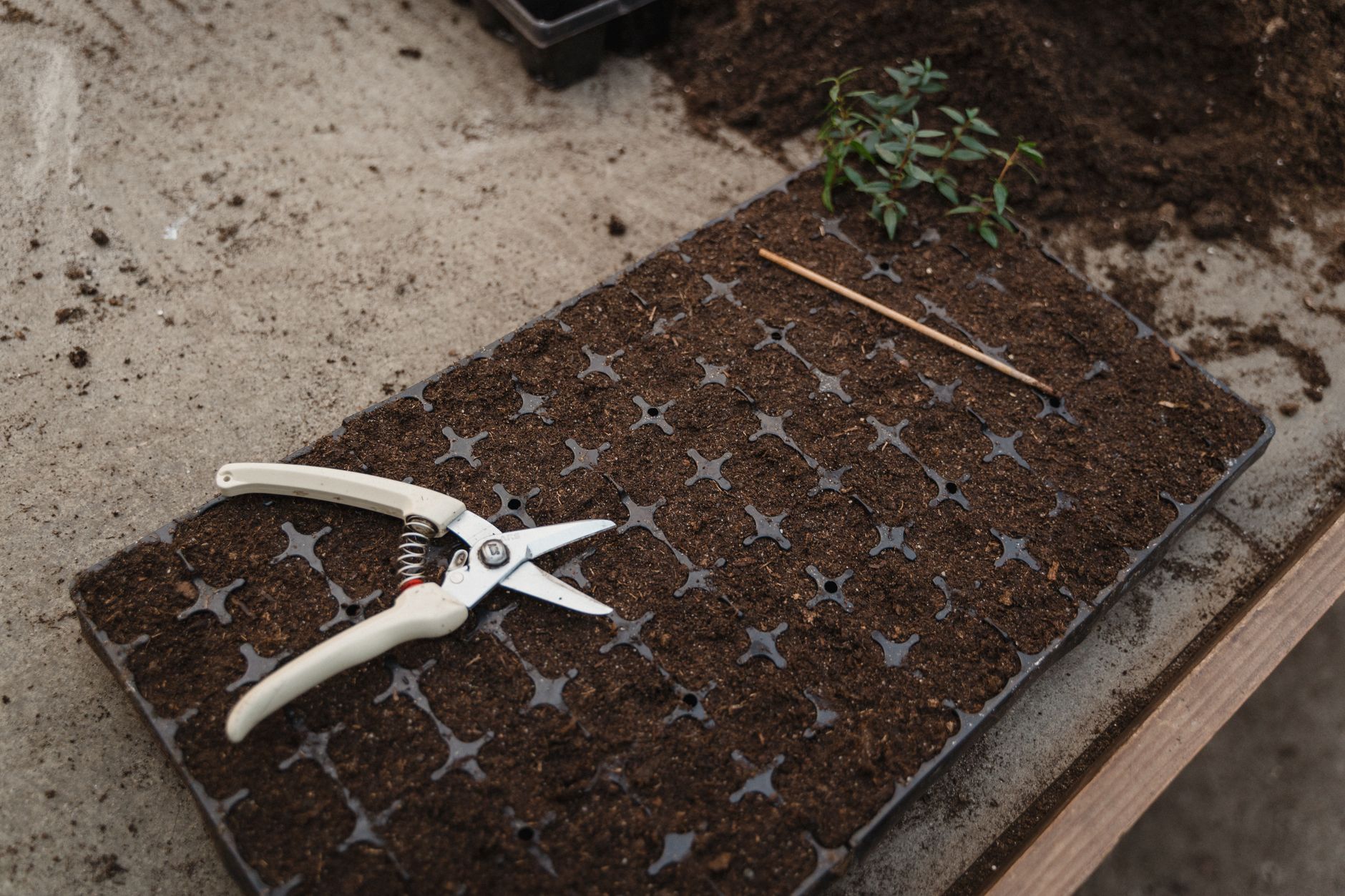
Sow seeds a quarter-inch deep in a good seed-starting mix, and maintain warm soil temperatures, ideally 75-85°F, using a seedling heat mat if available, since cool soil dramatically slows or can even prevent germination entirely.
Germination typically takes 1-3 weeks depending on variety and temperature; hot pepper varieties in particular can be notoriously slow and unpredictable to sprout, so don't be discouraged if germination seems patchy or delayed compared to other seeds you're starting at the same time.
Once seedlings emerge, move them under strong light immediately, either a bright south-facing window or, preferably, a grow light positioned a few inches above the plants for 14-16 hours daily, since insufficient light produces weak, leggy seedlings that struggle after transplanting.
Choose the Right Varieties for Your Goals
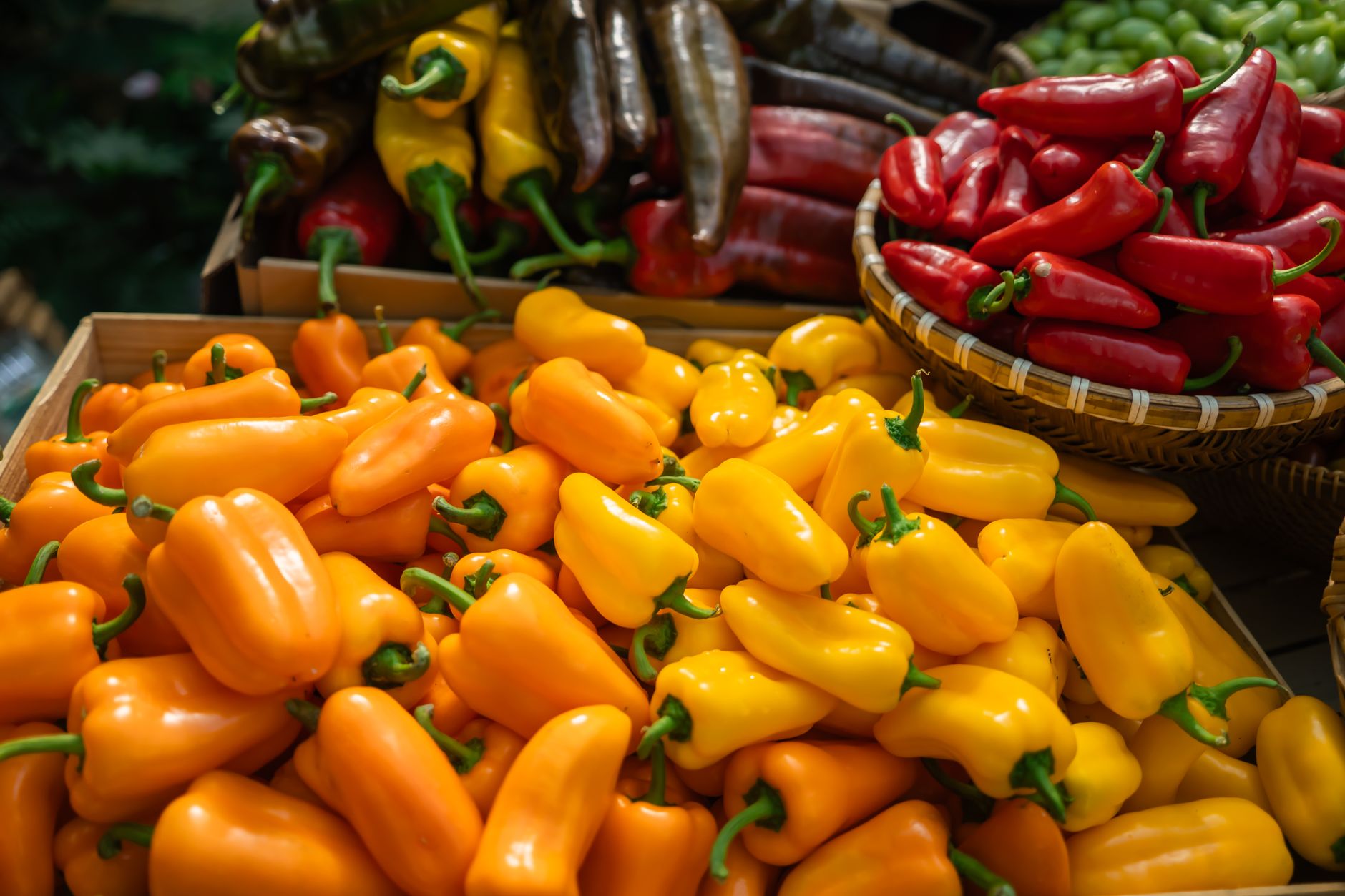
Sweet bell peppers are the most commonly grown type, typically taking the longest to reach full maturity and color change (from green to red, yellow, or orange), so gardeners in shorter-season climates may want to prioritize faster-maturing varieties.
Hot peppers span an enormous range, from mild jalapeños to intensely spicy habaneros and ghost peppers, generally needing a longer, warmer growing season than sweet varieties, along with slightly different care considerations covered later in this guide.
If your growing season is on the shorter side, look specifically for varieties bred for earlier maturity, since a pepper plant that hasn't finished ripening its fruit before the first fall frost represents a real loss of that season's harvest potential.
Consider planting a mix of both sweet and hot varieties if your household uses both, since their growing requirements are similar enough to manage together in the same garden without significant additional complexity.
Harden Off and Transplant Outdoors
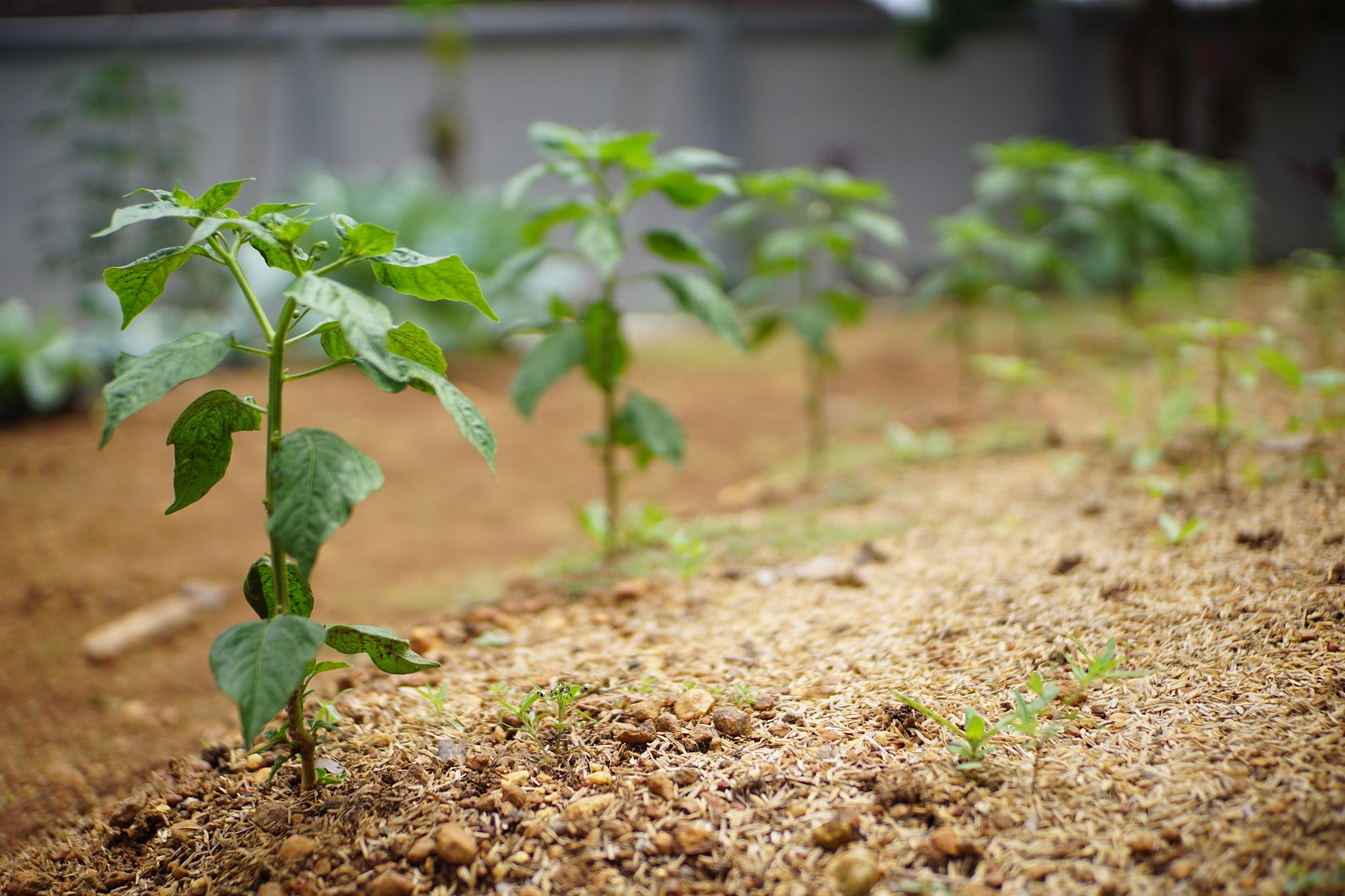
Harden off seedlings for about a week to ten days before transplanting, gradually increasing their outdoor exposure each day to reduce transplant shock once they're moved permanently into the garden.
Peppers are genuinely more cold-sensitive than many other warm-season vegetables, including tomatoes; wait until nighttime temperatures stay reliably above 55°F, since even brief exposure to cooler temperatures shortly after transplanting can stunt growth for weeks afterward.
Space plants 18-24 inches apart in rows 24-36 inches apart, giving each plant enough room for its mature size and good airflow between neighboring plants, which helps reduce disease risk.
Plant transplants at the same depth they were growing in their containers, unlike tomatoes, which benefit from deeper planting; burying pepper stems too deeply can actually encourage stem rot rather than the extra root development seen in tomatoes.
Prepare Fertile Soil and Feed Consistently
Work 2-3 inches of compost into the soil before planting, aiming for a soil pH between 6.0 and 6.8, and ensure good drainage, since pepper roots are prone to rot in consistently waterlogged conditions.
Feed with a balanced fertilizer at transplanting, then switch to a lower-nitrogen, higher-phosphorus and potassium formula once flowering begins, since excess nitrogen encourages leafy growth at the expense of flower and fruit production, similar to tomatoes.
Side-dress with additional fertilizer every 3-4 weeks throughout the growing season, since peppers have a notably long fruiting period and benefit from steady, ongoing nutrition rather than a single feeding at planting time.
Avoid over-fertilizing with nitrogen specifically, which is one of the most common reasons for lush, healthy-looking pepper plants that nonetheless produce disappointingly few fruit.
Water Consistently to Prevent Blossom End Rot
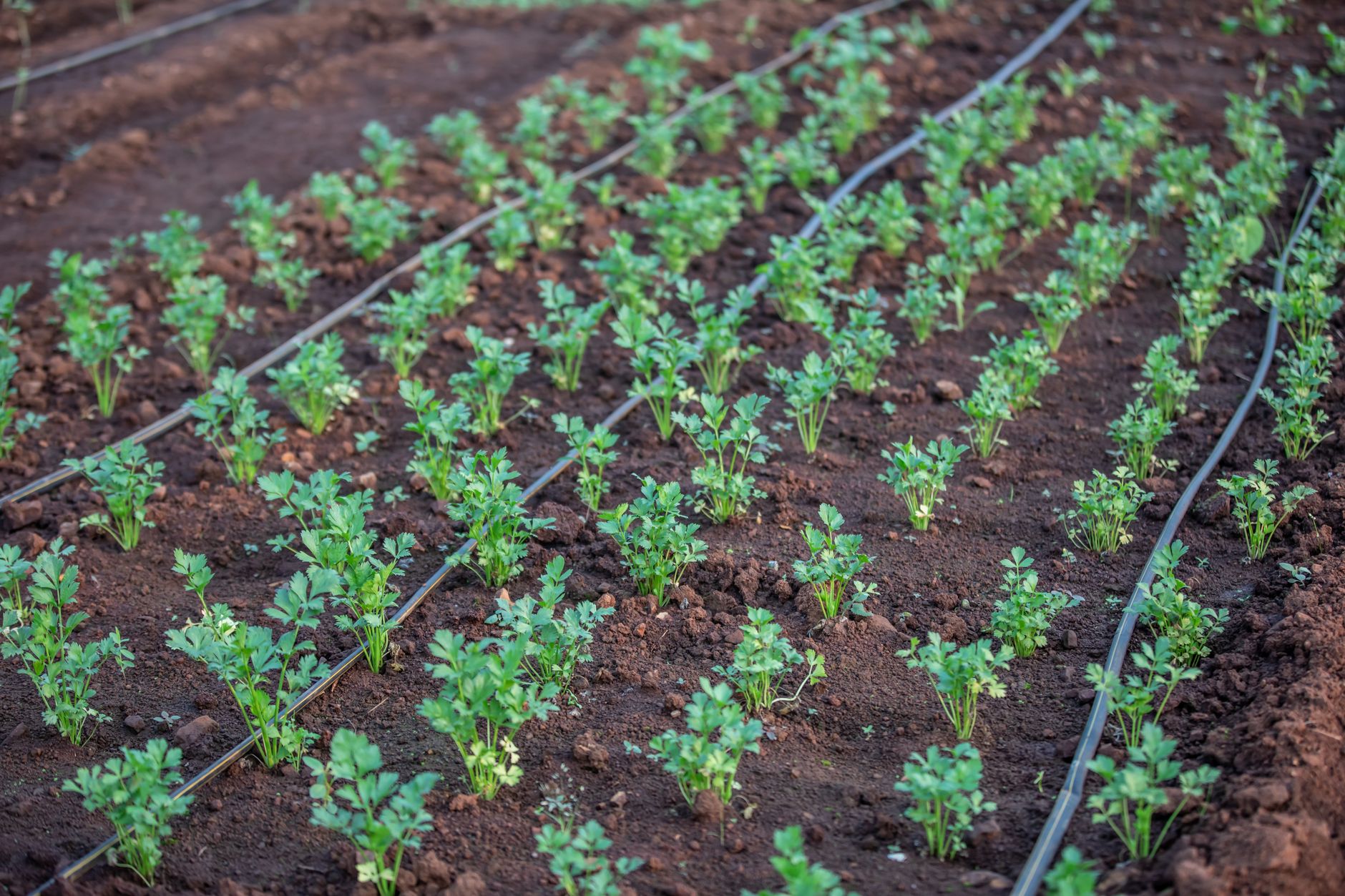
Water deeply and consistently, providing about 1-2 inches per week, since irregular watering, particularly a dry spell followed by heavy watering, is the leading cause of blossom end rot, a condition causing dark, sunken patches on the bottom of developing fruit.
Mulch around the base of plants once established to help maintain even soil moisture between waterings and reduce the wide swings in moisture that stress pepper plants and their developing fruit.
Water at the base of plants rather than overhead when possible, which reduces the risk of fungal diseases and also helps prevent flower drop, which peppers are somewhat prone to under stress.
During periods of extreme heat, peppers may temporarily drop blossoms without setting fruit as a natural stress response; this typically resolves on its own once temperatures moderate, and doesn't necessarily indicate a watering problem if soil moisture has otherwise been consistent.
Support Plants Loaded with Fruit

Pepper branches can become quite brittle, and a plant loaded with maturing fruit, especially larger bell pepper varieties, is genuinely prone to branches snapping under the combined weight, particularly during wind or heavy rain.
Install a simple stake alongside each plant at transplanting time, loosely tying the main stem as it grows, or use a small tomato cage for additional all-around support as the plant fills out and fruit begins to develop.
Check plants periodically through the season as fruit load increases, adjusting ties as needed and adding additional support to particularly heavy-laden branches if you notice them beginning to bend excessively.
This step matters more for larger-fruited sweet pepper varieties than for smaller hot pepper types, which tend to have a lighter overall fruit load per branch and are less prone to this specific problem.
Manage Aphids and Pepper Maggots
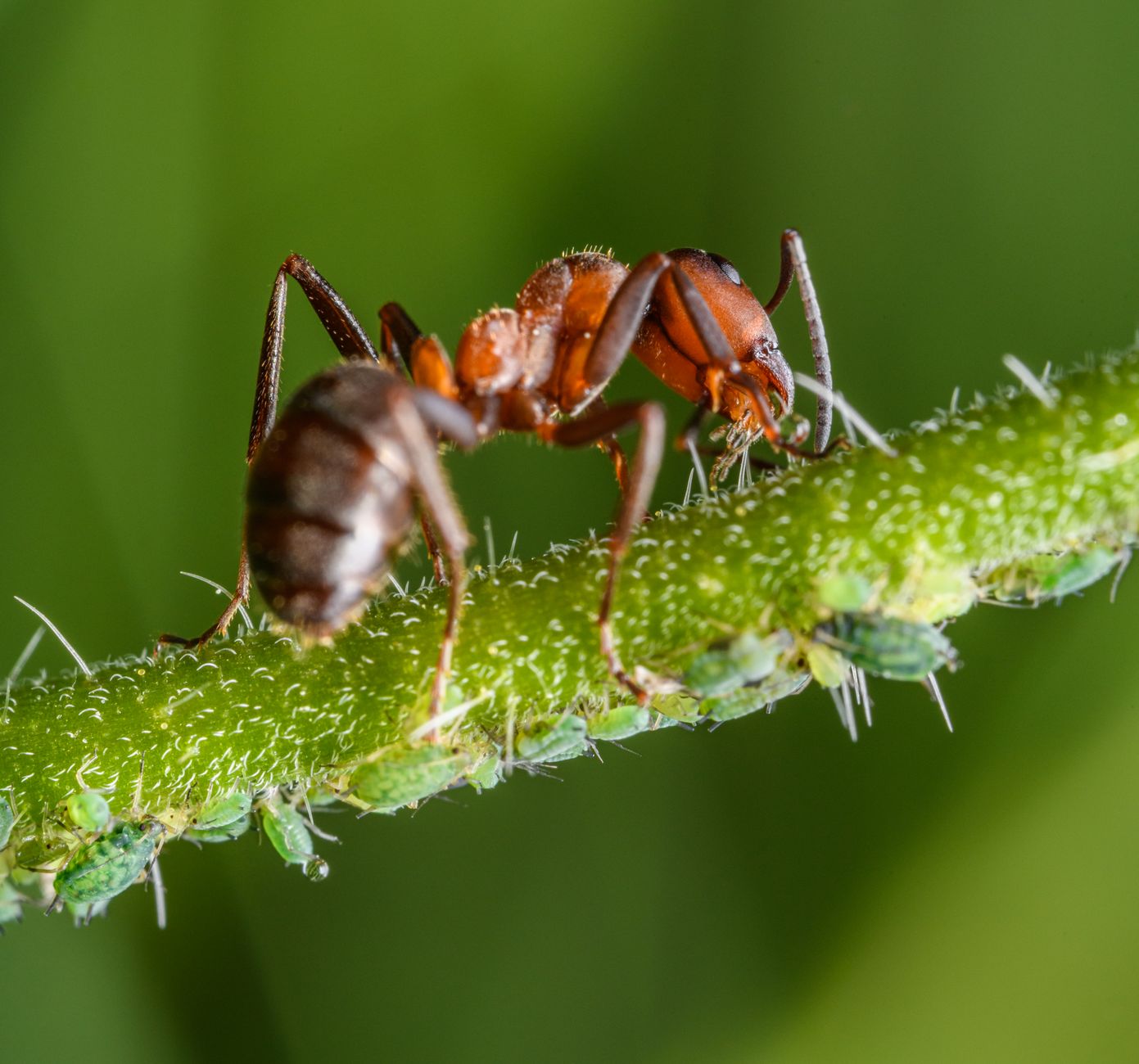
Aphids can cluster on new growth and the undersides of leaves; a strong spray of water or insecticidal soap usually controls light infestations before they cause significant damage to the plant.
Pepper maggots, less common but more serious where present, tunnel inside developing fruit; row covers during the egg-laying period and prompt removal of any visibly damaged fruit help limit their spread within a planting.
Aphids can also transmit certain viral diseases between plants; controlling aphid populations promptly is therefore doubly important, both for the direct feeding damage and for reducing the risk of virus transmission.
Peppers are generally considered less pest-prone overall than related nightshade family crops like tomatoes, and most home plantings proceed with only minor pest intervention needed through the season.
Harvest at the Right Color and Size
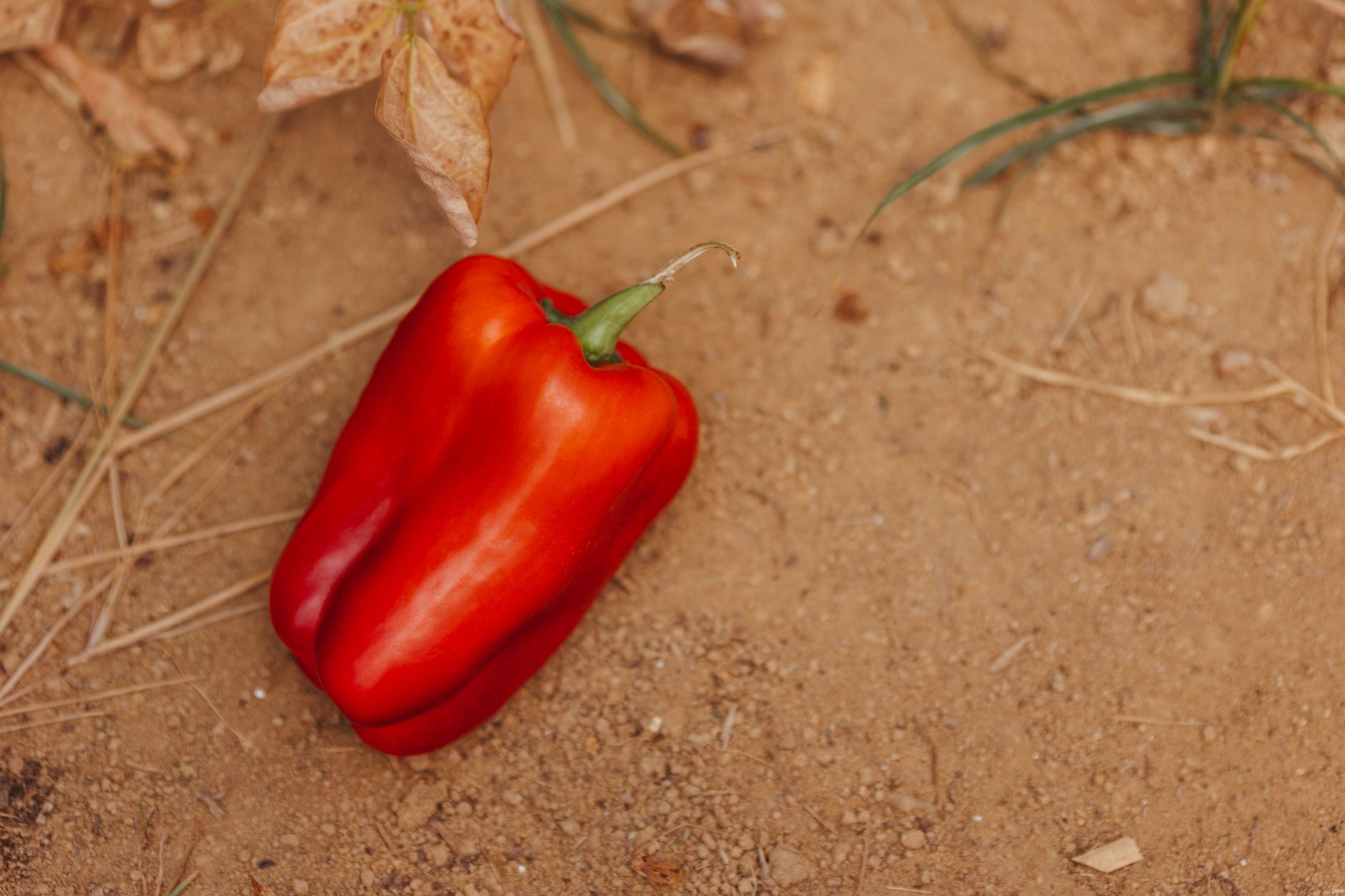
Peppers can be harvested at the green (immature) stage, which most bell pepper varieties reach 60-70 days after transplanting, or left on the plant longer to ripen fully into their mature color, typically red, yellow, or orange, which takes an additional 2-4 weeks beyond the green stage.
Fully ripened, colored peppers are noticeably sweeter and more nutritious than green ones, since the color change reflects genuine ripening rather than simply being a different variety, though this extended ripening does reduce the total number of peppers a plant can produce in a season.
Cut peppers from the plant with a sharp knife or pruning shears rather than pulling, which can damage the brittle branches; leave a short piece of stem attached to the fruit for better storage.
Harvesting some fruit at the green stage while leaving others to fully ripen is a common approach that balances overall yield with the sweeter flavor of fully colored peppers, and it also encourages the plant to continue setting new fruit throughout the season.
For hot peppers, capsaicin (the compound responsible for heat) generally increases as the fruit fully ripens, so if you're specifically after maximum heat, letting hot peppers ripen to their mature color before harvesting is worthwhile.
Common problems and fixes
| Problem | Likely cause | What to do |
|---|---|---|
| Dark, sunken spots on the bottom of peppers | Blossom end rot, almost always caused by inconsistent watering. | Water deeply and consistently, and mulch around plants to help maintain even soil moisture. |
| Flowers dropping without setting fruit | Extreme heat stress, or occasionally inconsistent watering. | Be patient during heat waves, since this often resolves once temperatures moderate, and maintain consistent watering otherwise. |
| Plant looks lush and healthy but produces little fruit | Excess nitrogen fertilizer encouraging leafy growth over flowering and fruiting. | Reduce nitrogen and switch to a fertilizer formula higher in phosphorus and potassium once flowering begins. |
| Branches snapping under the weight of developing fruit | Insufficient support for a plant with a heavy fruit load. | Stake plants early, ideally at transplanting, and check periodically through the season to adjust support as needed. |
Gardener's checklist
Test what you learned
How many weeks before the last frost should pepper seeds be started indoors?
Answer: 8-10 weeks
What is the most common cause of blossom end rot on peppers?
Answer: Inconsistent watering
Why should peppers be planted at the same depth as their container, unlike tomatoes?
Answer: Deep planting can encourage stem rot in peppers
What generally increases in hot peppers as they fully ripen to their mature color?
Answer: Capsaicin (heat level)
Common questions
Why is my pepper plant not producing fruit?
The most common causes are excess nitrogen fertilizer favoring leafy growth over flowering, extreme heat causing temporary blossom drop, or transplanting too early into cool conditions that stunted the plant's development. Address these factors and be patient, since peppers often take longer than other vegetables to begin fruiting.
Should I pick peppers green or let them ripen?
This is largely a matter of preference and yield trade-offs: green peppers are ready sooner and allow the plant to produce more total fruit over a season, while fully ripened, colored peppers are sweeter, more nutritious, but take longer and slightly reduce overall yield.
How long does it take to grow peppers?
From transplanting, sweet bell peppers typically take 60-70 days to reach the green stage, or 90 days or more if left to fully ripen to color. Hot peppers vary more widely by variety but generally follow a similar or slightly longer timeline.
Can peppers be grown in containers?
Yes, particularly compact varieties, in a container at least 3-5 gallons in size with good drainage, though consistent watering becomes even more important in containers, which dry out faster than in-ground beds.
Peppers reward an early, patient indoor start and consistent watering with a long, steady summer harvest, whether you prefer them green and crisp or fully ripened and sweet.
Frequently asked questions
How often should a vegetable garden be watered?
Frequency depends on weather, soil and plant size. Check the soil rather than watering on a rigid schedule.
Is compost enough fertilizer?
Compost improves soil and provides nutrients slowly. Heavy-feeding crops may still need additional feeding.

The Sproutstead Editorial Team
We create clear, practical gardening and homesteading guides designed for real homes and beginner growers.
View author profile →