
Dill is a fast-growing, aromatic herb that is easy to grow in gardens and containers. Plant dill seeds directly in the garden in spring after the last frost. Choose a location with full sun (6-8 hours) and well-draining soil. Plant seeds 1/4 inch deep and 6-12 inches apart. Water regularly to keep the soil consistently moist. Dill grows quickly and can reach 2-4 feet tall. Harvest leaves when the plant is 6-8 inches tall. Dill is excellent for pickling, salads, fish dishes, and soups. It also attracts beneficial insects like butterflies and bees. Succession planting every 2-3 weeks provides continuous harvests.
What you will need
Choose the Right Dill Variety

Bouquet dill is the most common variety. It produces abundant feathery leaves and large seed heads. It grows 2-3 feet tall and is excellent for pickling and fresh use.
Fernleaf dill is a compact variety that grows 12-18 inches tall. It is perfect for containers and small gardens. It produces abundant leaves and is slow to bolt.
Mammoth dill is a tall variety that grows 3-4 feet tall. It produces large leaves and seed heads. It is excellent for pickling and fresh use.
Dukat dill is a slower-bolting variety with large leaves and a mild flavor. It is excellent for fresh use and retains its flavor well.
Choose based on your garden space and intended use. Dwarf varieties are best for containers. Tall varieties are excellent for gardens and pickling.
Select the Perfect Planting Location

Dill needs full sun. It requires at least 6-8 hours of direct sunlight daily for the best growth and flavor.
Well-draining soil is essential. Dill does not like wet feet and can develop root rot in poorly drained soil.
Dill prefers rich, well-draining soil with plenty of organic matter. Amend the soil with compost before planting.
Dill can be grown in gardens, containers, and raised beds. It is excellent for herb gardens and vegetable gardens.
Dill attracts beneficial insects like butterflies and bees. It is also a host plant for swallowtail butterflies.
Plant Dill at the Right Time

Plant dill seeds directly in the garden in spring after the last frost. Dill does not transplant well because it has a long taproot.
Seeds germinate in 7-14 days at 60-70°F.
For continuous harvest, plant seeds every 2-3 weeks. This is called succession planting and provides a steady supply of fresh dill.
In mild climates, you can plant dill in early spring and again in late summer for fall harvest.
Dill grows quickly and is ready to harvest in 45-60 days.
Plant Seeds at the Correct Depth and Spacing

Plant dill seeds 1/4 inch deep. Do not plant deeper than 1/2 inch.
Space seeds 6-12 inches apart. If planting in rows, space rows 18-24 inches apart.
Plant 2-3 seeds per hole and thin to the strongest seedling when they are 2-3 inches tall.
Dill has a long taproot, so it does not like to be transplanted. Plant directly in the ground or in a deep container.
Water gently after planting to settle the soil around the seeds.
Water and Care for Dill
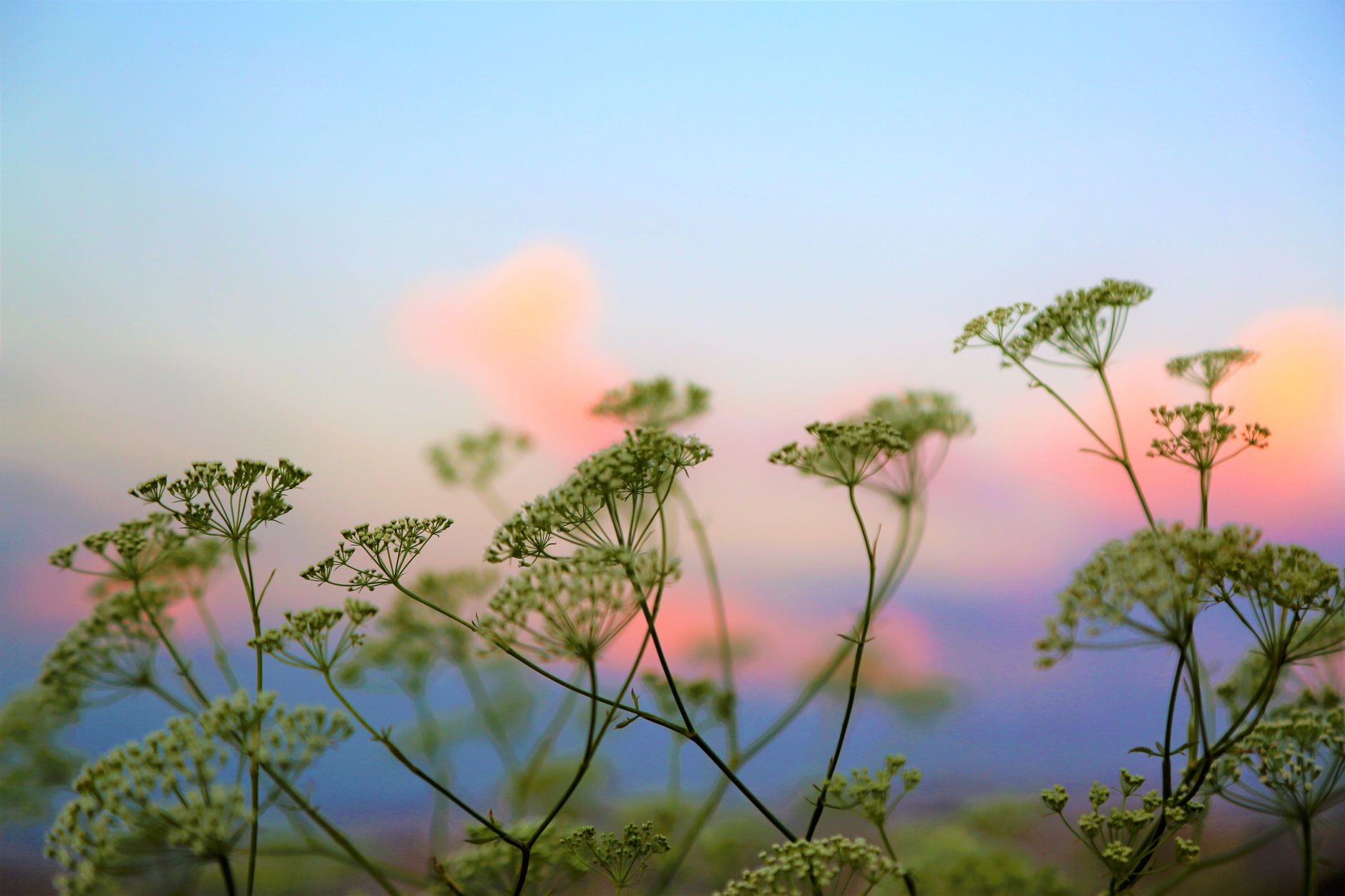
Water dill regularly to keep the soil consistently moist. Do not let the soil dry out completely.
Water at the base of the plant, not overhead, to prevent fungal diseases.
Apply a 2-inch layer of mulch around the plants. This retains moisture, keeps roots cool, and suppresses weeds.
Dill does not need much fertilizer. Too much nitrogen causes lush foliage but can affect flavor.
If the soil is poor, apply a light application of balanced fertilizer at planting time.
Harvest Dill

Harvest dill leaves when the plant is 6-8 inches tall. This is usually 45-60 days after planting.
Cut leaves from the top of the plant. This encourages the plant to become bushier and produce more leaves.
Use sharp scissors or pruning shears to cut the leaves at the base of the stem.
Do not harvest more than one-third of the plant at a time. This allows the plant to recover.
For seed heads, allow the plant to flower and go to seed. Harvest the seeds when they turn brown.
Dill leaves are best used fresh. They can also be dried or frozen for later use.
Prevent Bolting

Bolting is when dill sends up a flower stalk and goes to seed. The leaves become smaller and the plant stops producing.
Bolting is triggered by hot weather (above 75°F) and long days.
To prevent bolting, plant dill in spring and fall when temperatures are cooler.
Harvest leaves regularly. Frequent harvesting delays bolting.
Once dill bolts, the plant will go to seed. You can let it go to seed if you want to harvest dill seeds.
Dill seeds can be used as a spice in pickling and cooking.
Avoid Common Dill Problems

Aphids can attack dill. Use insecticidal soap or a strong spray of water to control them.
Powdery mildew can appear in humid conditions. Prevent it by providing good air circulation and watering at the base.
Dill may bolt prematurely in hot weather. Plant in cool weather and harvest regularly.
Root rot occurs in poorly drained soil. Ensure good drainage and do not overwater.
Dill is a host plant for swallowtail butterflies. Caterpillars may eat the leaves. This is a sign of a healthy ecosystem.
Common problems and fixes
| Problem | Likely cause | What to do |
|---|---|---|
| Dill is bolting (going to seed). | Hot weather or long days. | Plant in spring or fall. Harvest regularly. Allow some plants to go to seed if desired. |
| Leaves are turning yellow. | Overwatering or nutrient deficiency. | Reduce watering. Apply a balanced fertilizer. |
| Leaves have white powdery spots. | Powdery mildew from humidity. | Improve air circulation. Water at the base. Apply fungicide if needed. |
| Seeds are not germinating. | Soil too warm or seeds planted too deep. | Plant in cool weather (60-70°F). Plant 1/4 inch deep. |
Gardener's checklist
Test what you learned
When is the best time to plant dill?
Answer: Spring and fall
How deep should you plant dill seeds?
Answer: 1/4 inch
What is bolting in dill?
Answer: The plant is going to seed (flowering)
How can you prevent dill from bolting?
Answer: Plant in spring or fall and harvest regularly
Common questions
Can I grow dill indoors?
Yes. Choose a container at least 8-10 inches deep with drainage holes. Use well-draining potting mix. Place in a sunny window with 6-8 hours of light. Water consistently.
How long does dill take to grow?
Dill is ready to harvest in 45-60 days from planting. With succession planting, you can have continuous harvests for several months.
What is the difference between dill leaves and dill seeds?
Dill leaves are the feathery green fronds used fresh in cooking. Dill seeds are the dried seeds of the plant, used as a spice in pickling and cooking.
Can I regrow dill from cuttings?
Dill does not root well from cuttings. It is best grown from seeds. Direct sowing is the most reliable method.
How do I store fresh dill?
Store fresh dill in a glass of water in the refrigerator, covering the leaves with a plastic bag. It will last 5-7 days. Alternatively, wrap in a damp paper towel and store in a plastic bag.
Dill is a fast-growing, aromatic herb that is easy to grow in gardens and containers. Plant seeds directly in the garden in spring or fall, in a location with 6-8 hours of sun and well-draining soil. Keep the soil consistently moist, and harvest leaves when the plant is 6-8 inches tall. Succession planting every 2-3 weeks provides continuous harvests. Allow some plants to go to seed for dill seeds and to attract beneficial insects. With proper care, dill will provide fresh, flavorful leaves and seeds for pickling, salads, fish dishes, and many other culinary uses.
Frequently asked questions
How often should a vegetable garden be watered?
Frequency depends on weather, soil and plant size. Check the soil rather than watering on a rigid schedule.
Is compost enough fertilizer?
Compost improves soil and provides nutrients slowly. Heavy-feeding crops may still need additional feeding.

The Sproutstead Editorial Team
We create clear, practical gardening and homesteading guides designed for real homes and beginner growers.
View author profile →

