
Oregano is a fragrant, Mediterranean herb that is easy to grow in gardens and containers. Plant oregano in spring after the last frost. Choose a location with full sun (6-8 hours) and well-draining soil. Oregano prefers slightly alkaline soil (pH 6.5-8.0). Space plants 12-18 inches apart. Water deeply but infrequently, allowing the soil to dry between waterings. Oregano is drought-tolerant and does not like wet feet. Prune regularly to maintain shape and encourage bushy growth. Harvest leaves just before flowering for the best flavor. Oregano is excellent for cooking, teas, and Italian cuisine. It is deer-resistant and attracts pollinators.
What you will need
Choose the Right Oregano Variety

Greek oregano is the most popular culinary variety. It has a strong, classic oregano flavor and is excellent for Italian and Greek dishes. It grows 12-18 inches tall and is the most flavorful variety.
Italian oregano is similar to Greek oregano but has a slightly milder flavor. It is also excellent for cooking and grows 12-18 inches tall.
Golden oregano has bright yellow-green leaves and a mild flavor. It is excellent for ornamental gardens and adds color to containers.
Common oregano is a less flavorful variety often used in landscaping. It has a milder taste and is more ornamental than culinary.
Choose Greek or Italian oregano for the best culinary flavor. Golden oregano is excellent for adding color to the garden.
Select the Perfect Planting Location
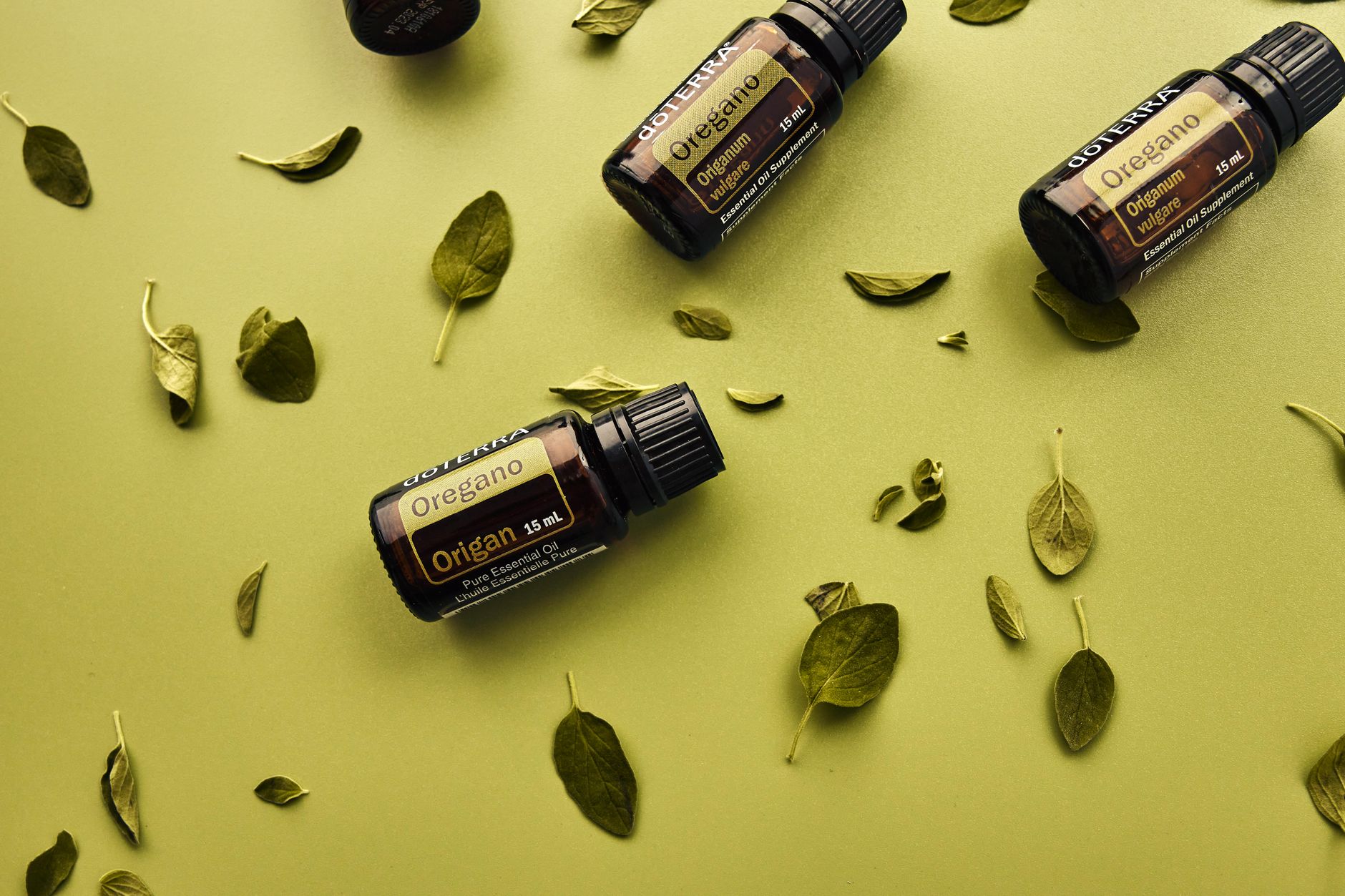
Oregano needs full sun. It requires at least 6-8 hours of direct sunlight daily for the best growth and strongest flavor.
Excellent drainage is essential. Oregano does not tolerate wet feet and will develop root rot in poorly drained soil.
Oregano prefers slightly alkaline soil (pH 6.5-8.0). If your soil is acidic, add lime to raise the pH.
Oregano is drought-tolerant once established. It is adapted to Mediterranean climates with hot, dry summers.
Plant in a sheltered location away from strong winds.
Oregano is excellent for herb gardens, Mediterranean gardens, rock gardens, and containers.
Plant Oregano at the Right Time and Depth

Plant oregano in spring after the last frost. In mild climates, you can also plant in fall.
Plant at the same depth as the pot. The crown should be at soil level. Planting too deep can cause crown rot.
Dig a hole twice as wide and the same depth as the root ball. Place the plant in the hole, backfill, and firm gently.
Space plants 12-18 inches apart. Oregano spreads and needs room to grow.
Water well after planting to settle the soil around the roots.
Do not add too much compost or organic matter. Oregano prefers poor, lean soil.
Water and Care for Oregano

Water oregano deeply but infrequently. Once established, oregano is very drought-tolerant.
Water newly planted oregano regularly for the first few months to establish roots. After that, water only during extended dry periods.
Water at the base of the plant, not overhead, to prevent fungal diseases.
Do not overwater. Oregano does not like wet feet and will rot in soggy soil.
Apply a 2-inch layer of gravel or pebbles around the base of the plant. This improves drainage and prevents moisture from sitting against the stem.
Do not use organic mulch like bark or compost. This can hold moisture against the crown and cause rot.
Prune Oregano for Shape and Vigor

Prune oregano in spring to maintain shape and encourage bushy growth. Remove dead, damaged, or crossing branches.
Do not cut into old, woody growth because it may not regrow. Always leave some green growth on each branch.
Harvest sprigs regularly. Frequent harvesting encourages bushy growth and prevents the plant from becoming leggy.
After flowering in spring, prune back to maintain shape and encourage new growth.
If oregano becomes woody and leggy, it may be time to replace it. Oregano does not regrow well from old wood.
Harvest Oregano

Harvest oregano just before flowering when the essential oils are at their peak. This is when the flavor is strongest.
Cut sprigs in the morning after the dew has dried. This is when the essential oils are most concentrated.
Use sharp pruning shears to cut sprigs. Cut just above a leaf node to encourage branching.
Do not harvest more than one-third of the plant at a time. This allows the plant to recover.
Fresh oregano can be used immediately or dried for later use. To dry, hang sprigs upside down in a cool, dark, well-ventilated area.
Oregano leaves can also be frozen for long-term storage.
Protect Oregano in Winter
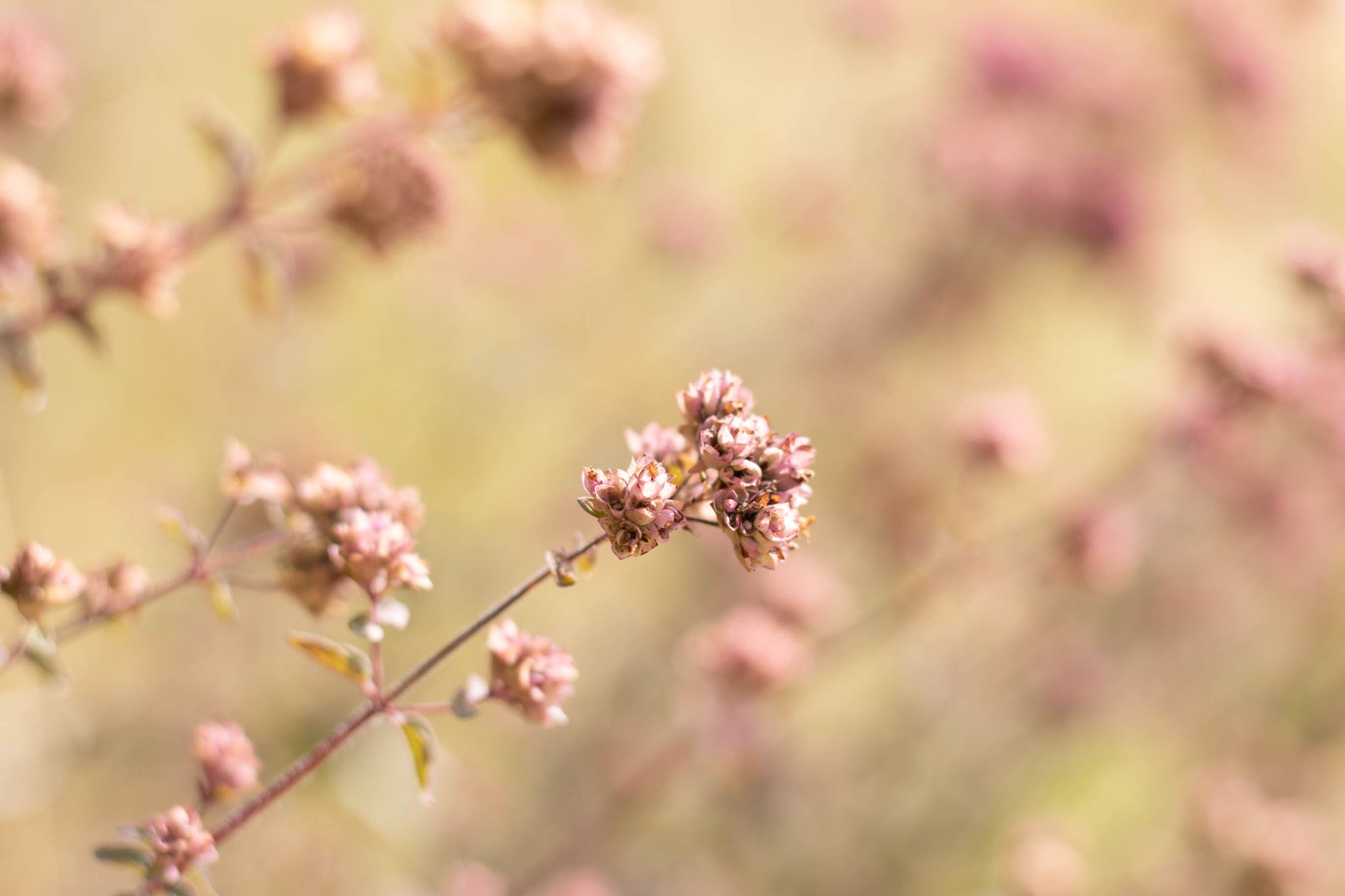
Oregano is hardy in Zones 5-10. In colder climates (Zone 4 and below), it needs winter protection.
Apply a 2-3 inch layer of gravel or grit around the base of the plant in fall. This improves drainage and prevents crown rot.
Do not use organic mulch like bark or compost. This can hold moisture against the crown and cause rot.
In cold climates, cover oregano with a layer of burlap or a frost cloth for extra insulation.
If you have oregano in containers, move them to a sheltered location or into a greenhouse over winter.
Water sparingly in winter. Oregano needs less water when it is not actively growing.
Avoid Common Oregano Problems

Root rot is the most common problem. It is caused by overwatering or poorly drained soil. Ensure good drainage and do not overwater.
Powdery mildew can appear in humid conditions. Prevent it by providing good air circulation and watering at the base.
Spider mites and aphids can attack oregano. Use insecticidal soap or neem oil to control them.
Oregano may become woody and leggy if not pruned. Prune regularly to maintain shape and encourage bushy growth.
In cold climates, oregano may suffer from winter damage. Protect with frost cloth and ensure good drainage.
Common problems and fixes
| Problem | Likely cause | What to do |
|---|---|---|
| Leaves are turning brown and dropping. | Root rot from overwatering or poor drainage. | Improve drainage. Reduce watering. Remove affected plants. |
| Plant is leggy and sparse. | Insufficient light or lack of pruning. | Ensure 6-8 hours of sun. Prune regularly to encourage bushy growth. |
| Leaves have white powdery spots. | Powdery mildew from humidity. | Improve air circulation. Water at the base. Apply fungicide if needed. |
| Plant is not growing well. | Acidic soil or nutrient deficiency. | Test soil pH and add lime if needed. Apply a light dose of balanced fertilizer. |
Gardener's checklist
Test what you learned
How much sun does oregano need?
Answer: 6-8 hours
What type of soil does oregano prefer?
Answer: Well-draining, slightly alkaline soil
What is the most common mistake with oregano?
Answer: Overwatering
What type of mulch should you use for oregano?
Answer: Gravel or pebbles
Common questions
How long does oregano live?
Oregano can live 5-10 years with proper care. It becomes woody and less productive after 3-5 years. Regular pruning and good care extend its lifespan.
Can I grow oregano indoors?
Yes. Oregano can be grown indoors in a sunny window with 6-8 hours of light. Use well-draining potting mix and a pot with drainage holes. Water sparingly.
How do I make oregano bushy?
Prune regularly in spring and after flowering. Pinch back growing tips to encourage branching. Harvest sprigs frequently to prevent leggy growth.
Is oregano deer resistant?
Yes. Oregano is deer resistant because of its strong fragrance and aromatic oils. It is also rabbit resistant. This makes it a good choice for gardens with wildlife pressure.
Can I use oregano in cooking?
Yes. Oregano is a versatile culinary herb. It is a staple of Italian and Greek cuisine. Use fresh or dried leaves in pasta sauces, pizzas, marinades, and roasted vegetables.
Oregano is a fragrant, Mediterranean herb that brings bold flavor to any kitchen. It thrives in full sun with excellent drainage and slightly alkaline soil. Plant in spring after the last frost, water deeply but infrequently, and prune regularly to maintain shape. Use gravel or pebbles as mulch to keep moisture away from the crown. In cold climates, protect oregano from winter cold and wetness. Harvest leaves just before flowering for the best flavor. With proper care, oregano will provide fresh, flavorful leaves for years to come.
Frequently asked questions
How often should a vegetable garden be watered?
Frequency depends on weather, soil and plant size. Check the soil rather than watering on a rigid schedule.
Is compost enough fertilizer?
Compost improves soil and provides nutrients slowly. Heavy-feeding crops may still need additional feeding.

The Sproutstead Editorial Team
We create clear, practical gardening and homesteading guides designed for real homes and beginner growers.
View author profile →

