Direct-sow or transplant bok choy in early spring or late summer for a fall crop, since it's a cool-season vegetable prone to bolting in heat. Space plants 6-8 inches apart for baby bok choy or 12-18 inches for full-size heads, keep soil consistently moist, and harvest 30-50 days after sowing depending on the size you prefer.
What you will need
Time Your Planting to Avoid Bolting

Bok choy grows best in cool weather between 55-70°F and is notably prone to bolting, sending up a flower stalk prematurely, when exposed to the combination of warm temperatures and the long daylight hours typical of late spring and early summer.
For a spring crop, direct-sow or transplant as soon as the soil can be worked, several weeks before the last frost, aiming to harvest before temperatures consistently climb into the 75-80°F range that commonly triggers bolting.
For a fall crop, widely considered more reliable for bok choy specifically since it avoids the bolting risk entirely, sow seeds in late summer, timed so plants mature during the naturally cooling temperatures of autumn.
Bok choy's genuinely fast growth cycle, often ready in just 30-50 days, makes precise timing more forgiving than for slower crops, since there's a reasonably narrow but real window in both spring and fall where conditions stay favorable long enough to complete a full harvest cycle.
Choose Baby or Full-Size Spacing

For baby bok choy, harvested at a smaller, more tender stage popular in stir-fries, space plants 6-8 inches apart and plan to harvest earlier, around 30-35 days after sowing, before heads have a chance to fully mature.
For full-size heads, space plants 12-18 inches apart to give them room to develop their full mature size, planning for a slightly longer harvest window of 45-50 days from sowing.
Both approaches use the same variety in many cases, since the difference is primarily about harvest timing and spacing rather than requiring genuinely distinct seed types, though some varieties are specifically bred and marketed for baby-size harvesting.
Mixing both approaches within the same planting, densely sowing extra seeds and thinning some plants early for baby-size use while leaving others to mature fully, is a practical way to get both harvest styles from a single sowing.
Prepare Fertile Soil and Sow or Transplant

Work compost into the soil before planting, since bok choy benefits from moderately fertile soil to fuel its notably fast growth from seed to harvestable head in as little as a month.
Direct-sow seeds a quarter-inch deep, or transplant seedlings started indoors 3-4 weeks earlier, since bok choy tolerates transplanting reasonably well, unlike some root vegetables, making either approach genuinely viable.
A soil pH between 6.0 and 7.5 suits bok choy well, and it tolerates a somewhat wider pH range than many vegetables, similar to its brassica family relatives.
Choose a location with full sun for a spring crop, but consider a spot with light afternoon shade for plantings that might extend into warmer weather, since some shade helps delay bolting, similar to the strategy used with spinach and lettuce.
Water Consistently to Prevent Stress-Induced Bolting
Water consistently, providing about 1-1.5 inches per week, since drought stress can contribute to premature bolting alongside heat and long daylight hours, making consistent moisture one of the controllable factors in preventing this common problem.
Mulch around plants to help retain even soil moisture and keep root temperatures more stable, which is particularly valuable during any warmer stretches a planting might experience.
Feed with a balanced or nitrogen-rich fertilizer about 2-3 weeks after sowing or transplanting, supporting the rapid leafy growth bok choy needs to reach a good harvestable size within its compressed growing window.
Avoid letting soil dry out completely at any point during the growing cycle, since bok choy's relatively shallow root system and fast growth rate leave little margin for recovery from significant water stress.
Manage Flea Beetles and Cabbage Worms

Flea beetles can create small shot-hole damage on bok choy leaves, similar to their effect on other brassicas; row cover fabric applied at sowing or transplanting time offers effective protection, particularly important for young, vulnerable plants.
Cabbage worms and loopers can also affect bok choy, chewing holes in leaves; since bok choy doesn't need pollinator access the way flowering and fruiting crops do, row covers can generally stay on through the entire short growing season without needing removal.
Handpicking visible caterpillars and checking the undersides of leaves regularly are effective supplementary measures if pests are already present despite preventive row covers.
Given bok choy's fast growth cycle, pest damage that might be manageable on a slower-growing crop can have a proportionally larger impact here, making early, consistent prevention especially worthwhile.
Harvest at Your Preferred Size

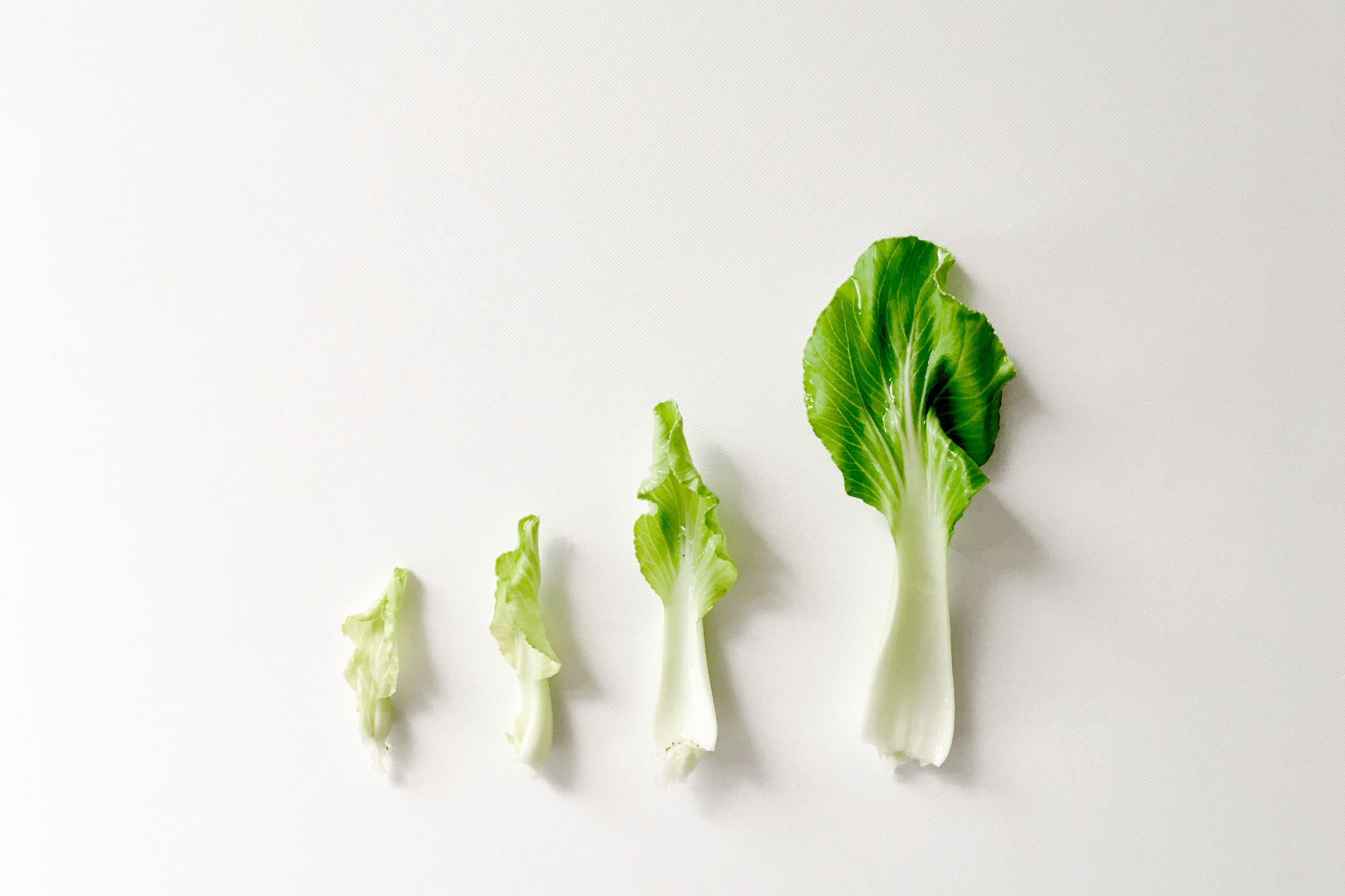
Harvest baby bok choy at 30-35 days when heads are compact and tender, typically 4-6 inches tall, cutting the entire head at the base with a sharp knife just above the soil line.
Harvest full-size bok choy at 45-50 days once heads have reached their mature size, generally 8-12 inches tall depending on variety, using the same base-cutting technique.
Alternatively, individual outer leaves can be harvested from a growing plant using the cut-and-come-again method similar to kale or lettuce, allowing for a more extended, gradual harvest from a smaller number of plants rather than a single one-time cut.
Check plants regularly as they approach your target harvest size, since bok choy left too long, especially as warm weather approaches, can begin bolting quickly, at which point the leaves often develop a noticeably more bitter flavor.
Harvest promptly once plants reach the desired size rather than waiting for a slightly larger head, since bok choy's fast growth cycle means the window for ideal harvest quality is genuinely narrower than for many slower-maturing vegetables.
Common problems and fixes
| Problem | Likely cause | What to do |
|---|---|---|
| Plant sends up a flower stalk before reaching harvestable size | Bolting triggered by warm temperatures combined with long daylight hours. | Harvest immediately for the best remaining flavor, and plan future plantings earlier in spring or shift to a fall planting instead. |
| Small holes throughout leaves | Flea beetle feeding damage. | Use row cover fabric from sowing onward in future plantings to prevent this common pest from reaching young plants. |
| Slow, stunted growth | Insufficient soil fertility or inconsistent watering during the short but demanding growth cycle. | Enrich soil with compost before planting and feed 2-3 weeks after sowing, maintaining consistent watering throughout. |
Gardener's checklist
Test what you learned
What two conditions primarily trigger bok choy to bolt?
Answer: Warm temperatures and long daylight hours
How long does baby bok choy typically take to reach harvest?
Answer: 30-35 days
Why might a fall planting be more reliable for bok choy than spring?
Answer: It avoids the heat and long daylight hours that trigger bolting
Common questions
What's the difference between baby and full-size bok choy?
This is primarily a matter of spacing and harvest timing rather than different seed varieties in most cases. Baby bok choy is spaced closer together (6-8 inches) and harvested earlier (30-35 days), while full-size heads need more room (12-18 inches) and a slightly longer growing time (45-50 days).
Why did my bok choy bolt so quickly?
Bolting is triggered by the combination of warm temperatures and long daylight hours, similar to spinach and lettuce. Planting earlier in spring or switching to a fall planting, when temperatures naturally cool rather than rise, helps avoid this common problem.
Can bok choy be grown in containers?
Yes, particularly for baby bok choy, in a container at least 6-8 inches deep with good drainage, making it a good choice for gardeners with limited space given its fast growth and compact size.
Is bok choy the same as cabbage?
They're related, both being brassica family vegetables, but bok choy is a distinct type that doesn't form a tight head the way cabbage does, instead growing as loose, upright stalks with a rounded base, and it matures considerably faster than most cabbage varieties.
Bok choy rewards careful timing with one of the fastest harvests in the cool-season garden, and choosing between baby and full-size spacing gives you real flexibility to match the crop to exactly how you plan to use it in the kitchen.
Frequently asked questions
How often should a vegetable garden be watered?
Frequency depends on weather, soil and plant size. Check the soil rather than watering on a rigid schedule.
Is compost enough fertilizer?
Compost improves soil and provides nutrients slowly. Heavy-feeding crops may still need additional feeding.

The Sproutstead Editorial Team
We create clear, practical gardening and homesteading guides designed for real homes and beginner growers.
View author profile →