Grow broccoli as a cool-season crop, starting transplants 4-6 weeks before your last spring frost or in mid-to-late summer for a fall crop. Space plants 18-24 inches apart in fertile soil, water and feed consistently, protect from cabbage worms, and harvest the main head while florets are tight and before any yellow flowers appear.
What you will need
Time Your Planting for Cool Weather
Broccoli grows best in cool weather between 60-70°F and tends to bolt, or flower prematurely, in prolonged heat above 80°F, which ruins the flavor and tight texture of the developing head.
For a spring crop, start seeds indoors 6-8 weeks before your last frost and transplant out 2-3 weeks before that date, since young broccoli plants tolerate light frost reasonably well.
For a fall crop, which many experienced gardeners find produces sweeter, more reliable heads than spring plantings, start seeds in mid-to-late summer so plants mature just as temperatures begin cooling down in autumn.
In regions with mild winters, a third planting window in late fall for a winter or early spring harvest is also possible, though this depends heavily on your specific local climate and frost patterns.
Prepare Fertile Soil
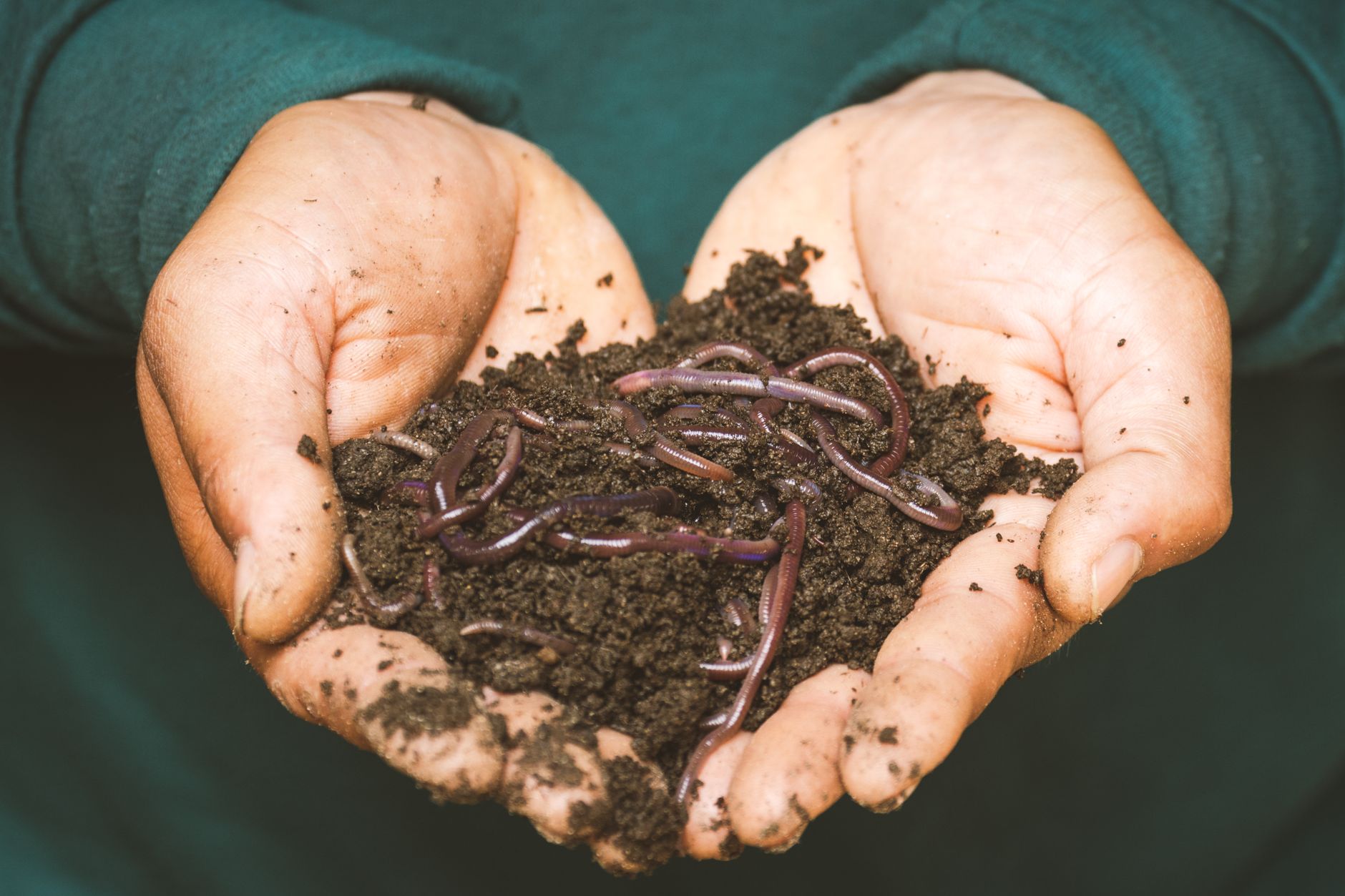
Work 2-3 inches of compost or aged manure into the soil before planting, since broccoli is a heavy feeder that quickly depletes nutrients from poor or previously depleted soil.
Aim for a soil pH between 6.0 and 7.0, and ensure good drainage, as broccoli doesn't tolerate consistently waterlogged roots well and can develop root rot in poorly drained beds.
Choose a full-sun location, though broccoli can tolerate light afternoon shade in warmer climates, which actually helps prevent early bolting by moderating heat stress during the hottest part of the day.
Avoid planting broccoli in a bed that grew other brassicas like cabbage, cauliflower, or kale within the past 2-3 years, since this rotation gap helps reduce disease and pest pressure specific to the brassica family.
Transplant and Space Properly
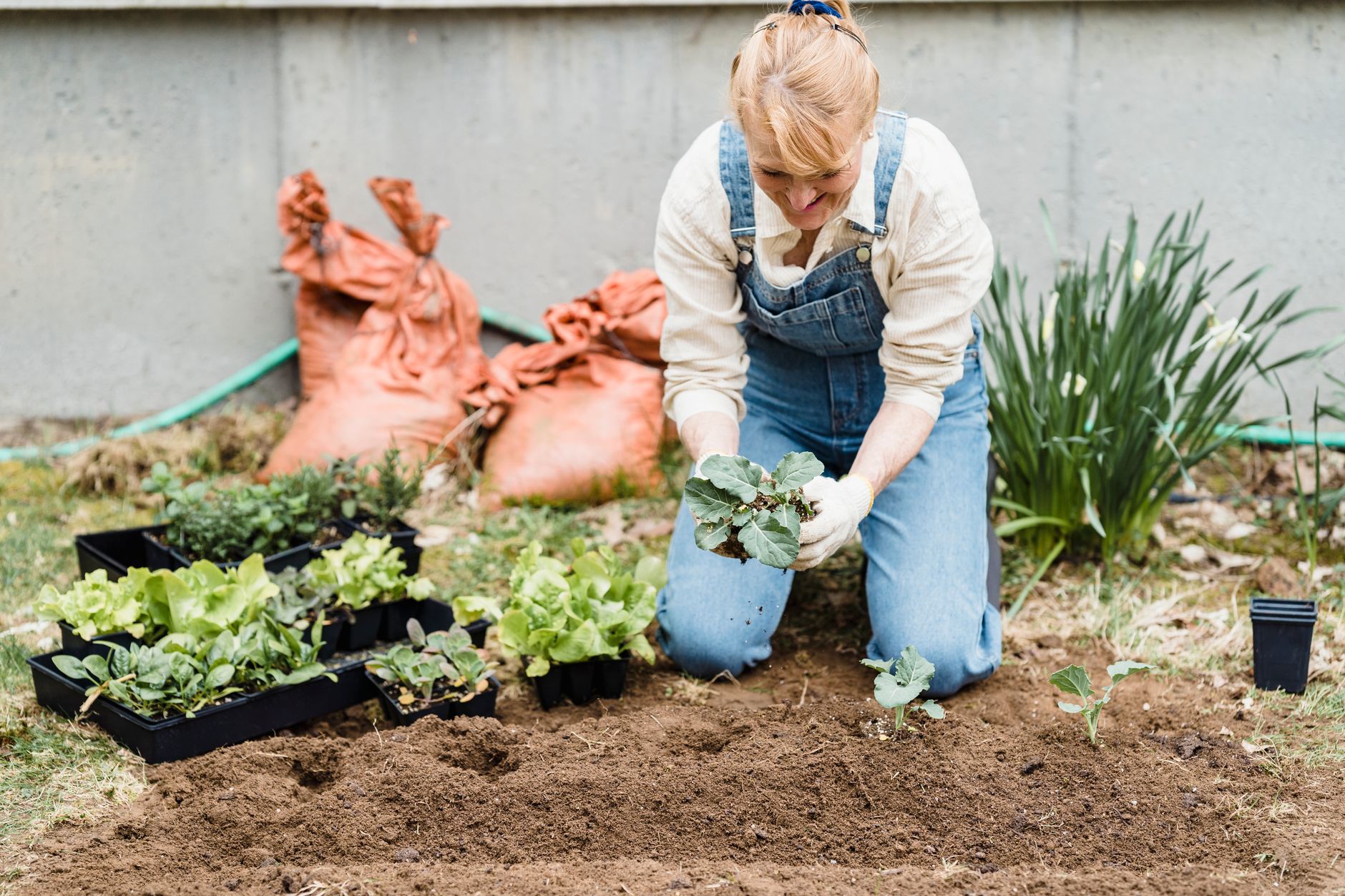
Space transplants 18-24 inches apart in rows 24-36 inches apart, giving each plant room for its full leaf canopy, which can spread quite wide as the plant matures.
Plant transplants slightly deeper than they were growing in their pots, burying the stem up to the first set of true leaves for extra stability against wind and the weight of a developing head.
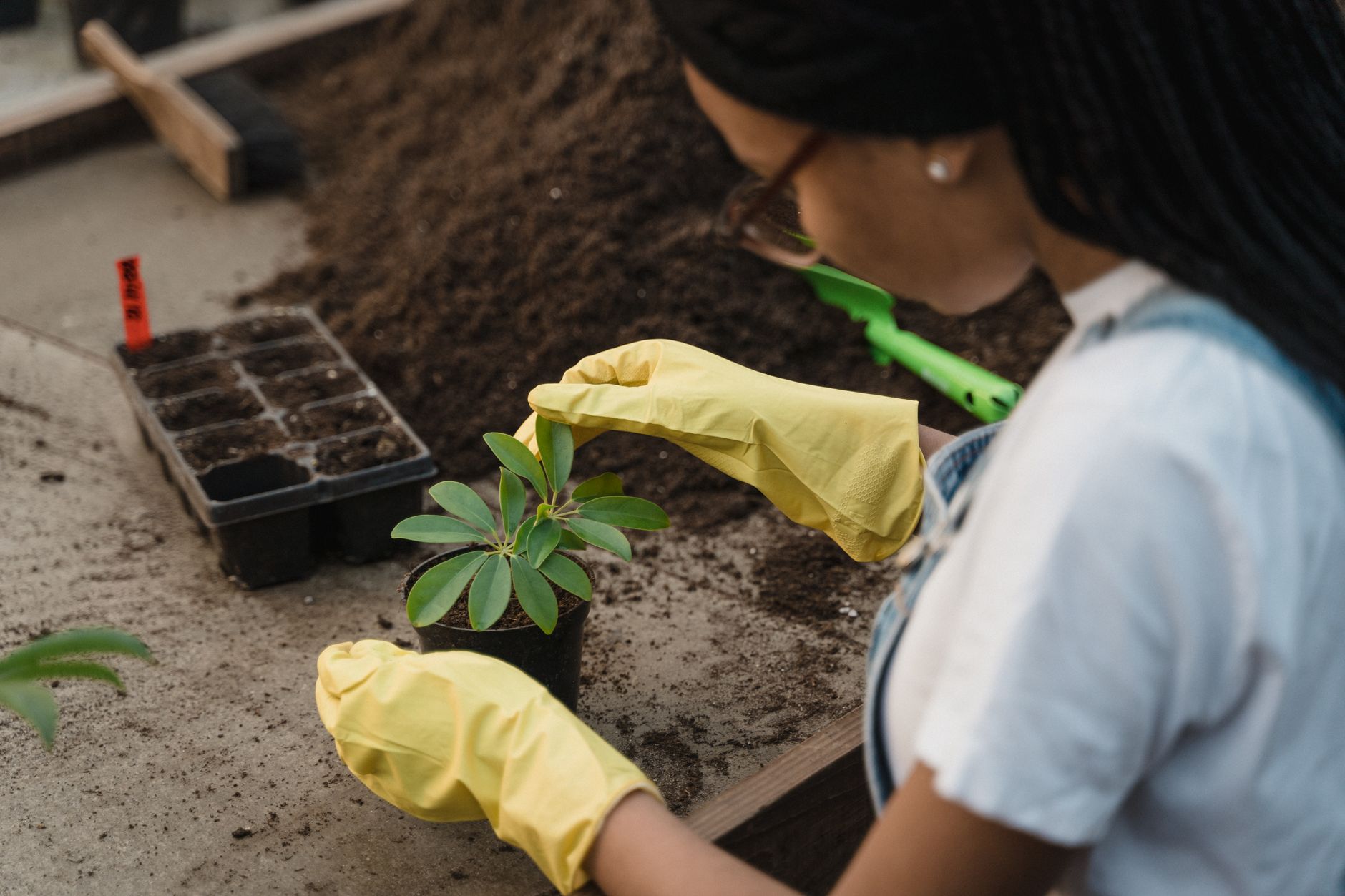
Water thoroughly immediately after transplanting to reduce transplant shock, and consider using row cover fabric right from the start to protect young plants from cabbage moths and other early-season pests.
Harden off transplants for several days before moving them permanently outdoors, gradually exposing seedlings to outdoor sun and temperature swings to reduce shock at transplant time.
Water and Feed Consistently
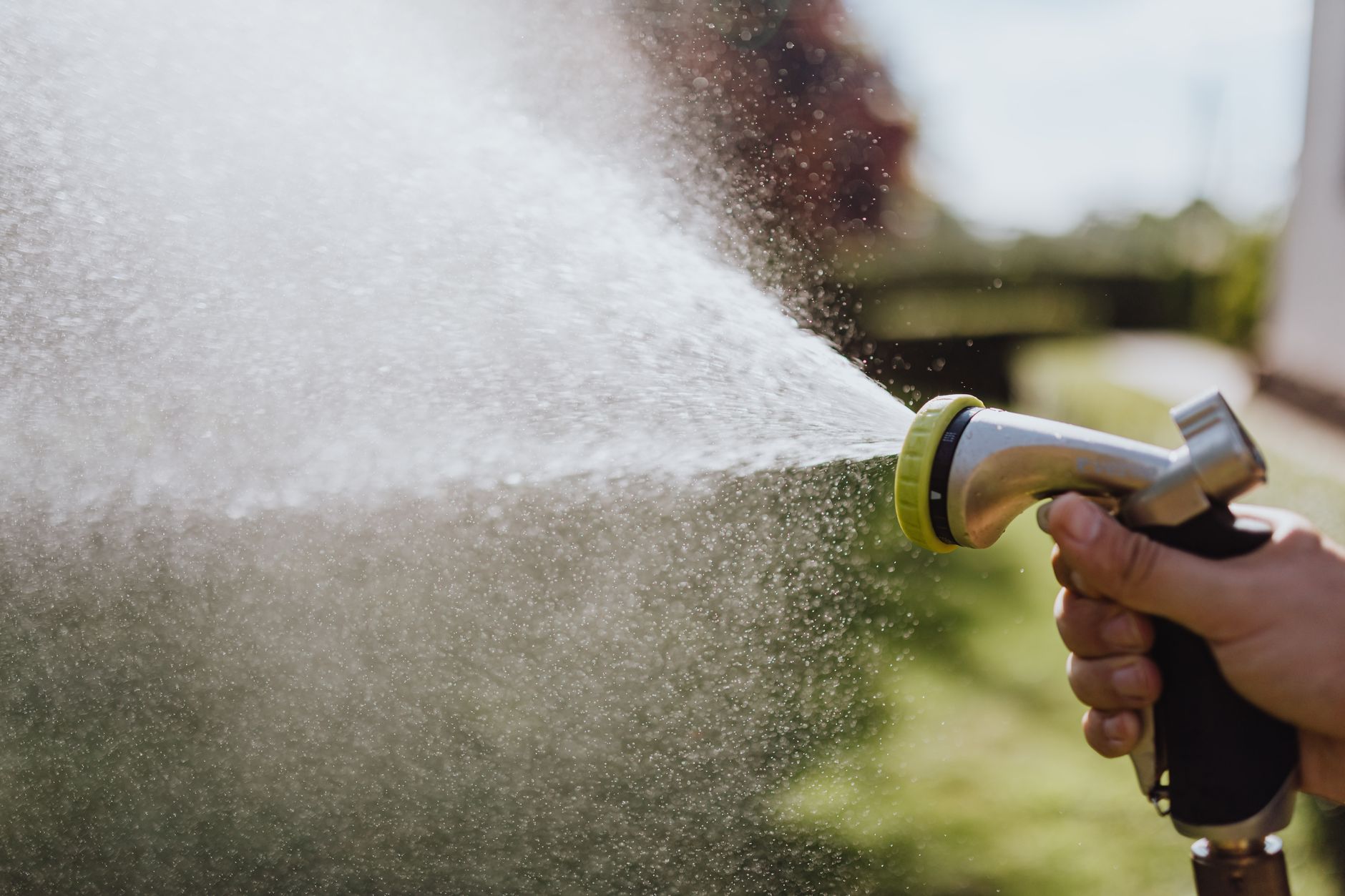
Water consistently, providing about 1-1.5 inches per week, since inconsistent moisture can cause heads to form loosely, develop unevenly, or bolt prematurely under stress.
Feed with a balanced or nitrogen-rich fertilizer 3-4 weeks after transplanting to support strong leaf and head development during the plant's most active growth phase.
Mulch around plants to help retain consistent soil moisture and suppress competing weeds, which is especially helpful during the warmer stretches of a spring planting.
Protect from Cabbage Worms and Other Pests
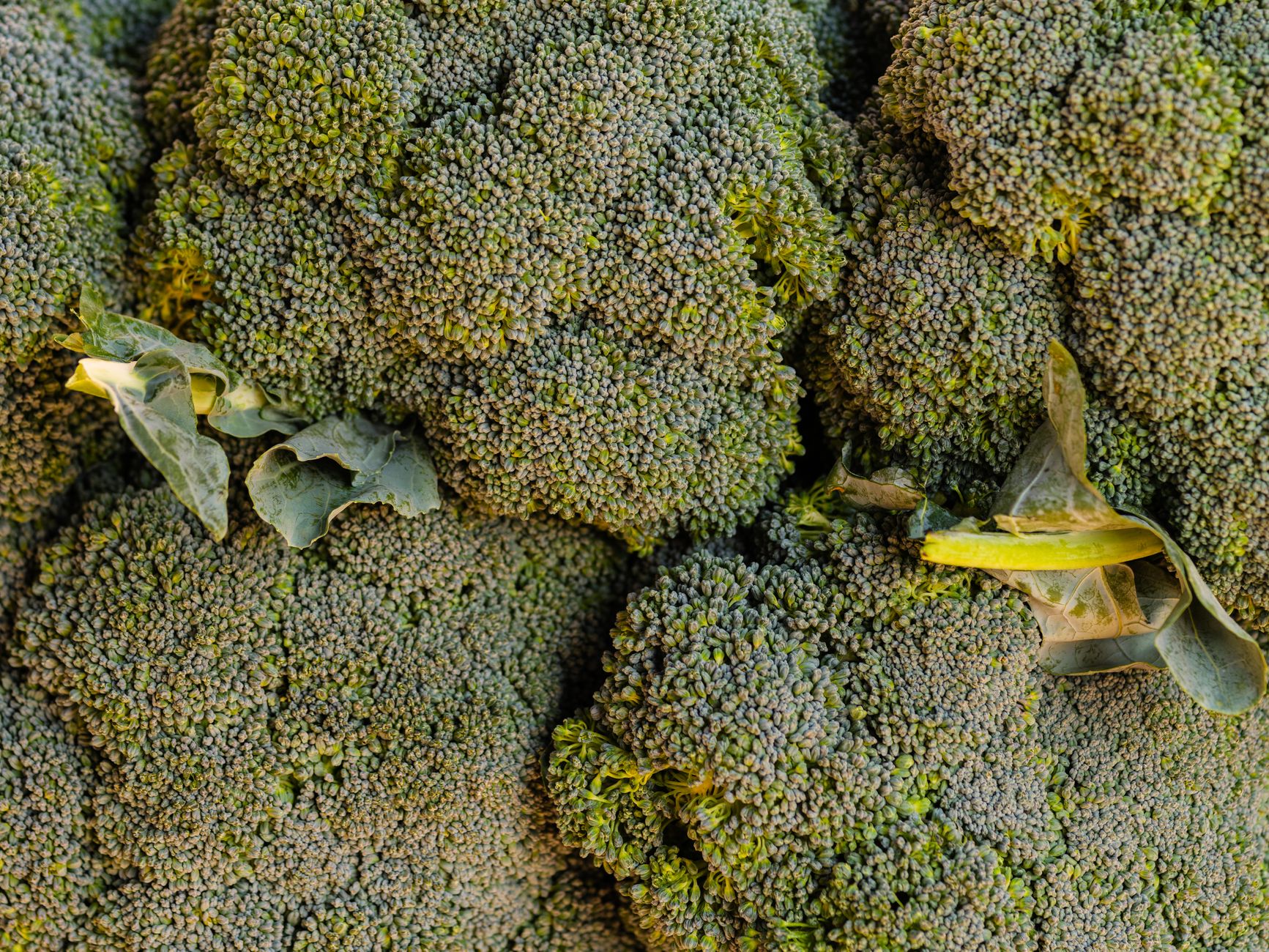
Inspect leaves regularly for cabbage worms and loopers, which are the larvae of white and brown moths that lay eggs directly on brassica foliage. Handpick visible worms in the early morning or evening when they're most active and visible.
Row covers installed at transplanting time and left in place until just before flowering (which broccoli doesn't need pollinated) are one of the most effective preventive measures, physically blocking moths from laying eggs on the plants at all.
Aphids can also cluster on the undersides of leaves and inside developing heads; a strong spray of water or insecticidal soap usually controls light infestations without needing stronger chemical treatments.
Harvest the Main Head
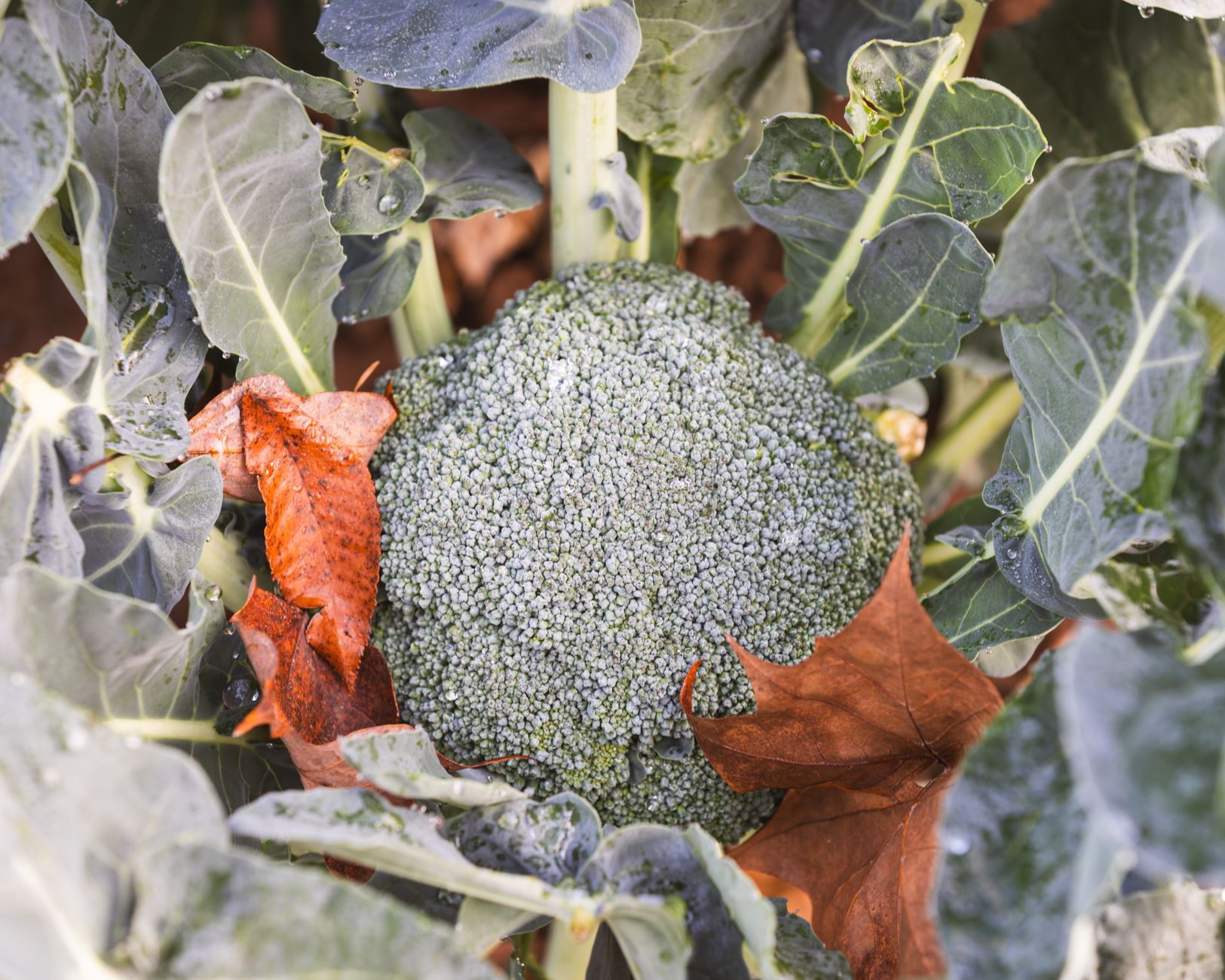
Harvest the central head when florets are tight, dark green, and firm, cutting about 5-6 inches below the head with a sharp knife at an angle to help prevent water from pooling on the cut stem.
Never wait until yellow flowers begin appearing between the florets, which signals the head has already passed its prime and will taste more bitter and have a coarser texture.
Harvest in the cool of the morning when possible, since broccoli heads cut in the heat of the day tend to wilt faster and don't store quite as well in the refrigerator afterward.
Keep Harvesting Bonus Side Shoots
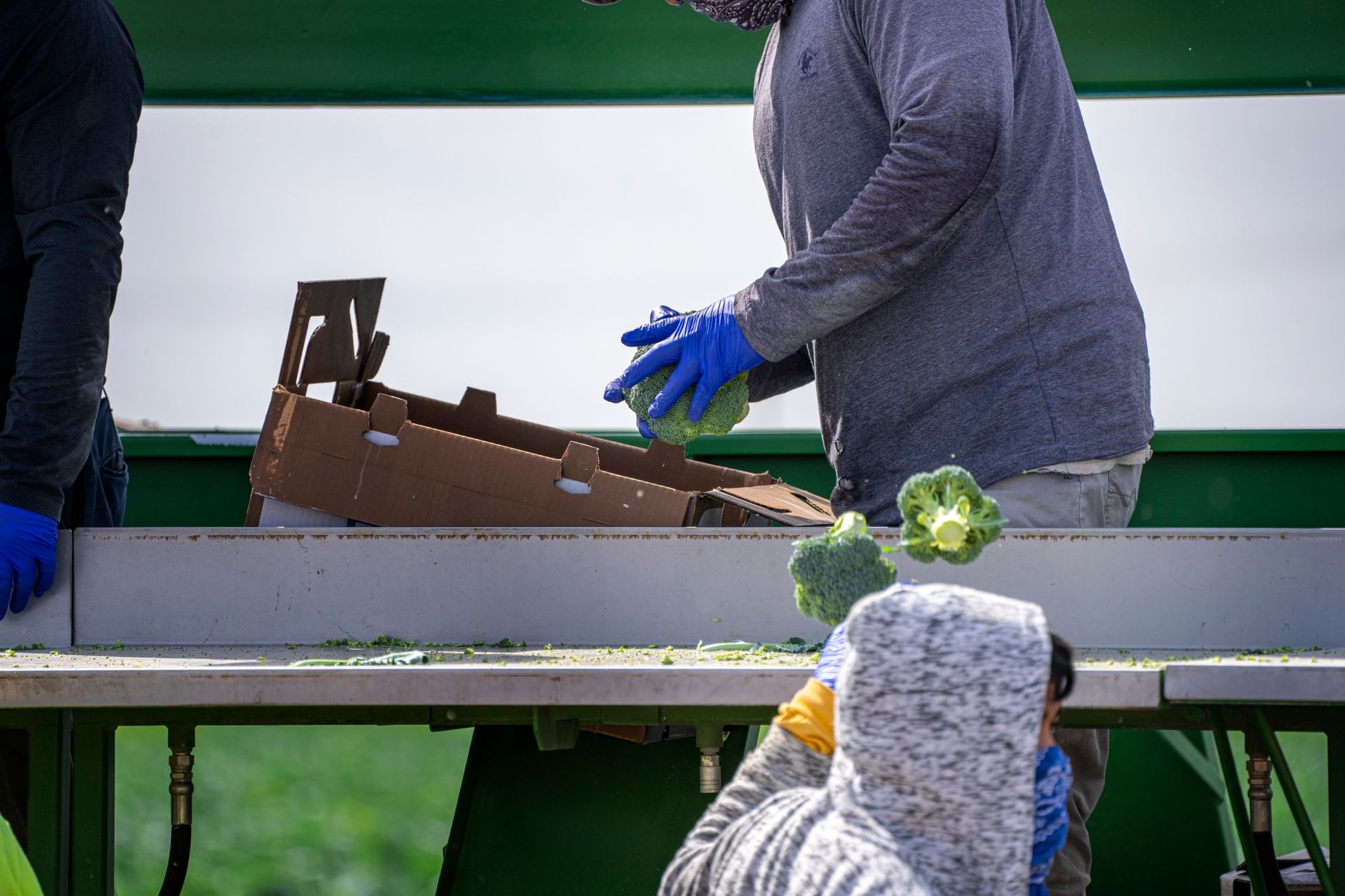
After the main head is cut, most varieties continue producing smaller side shoots from the remaining stem for another 4-6 weeks, so keep watering and feeding the plant rather than pulling it out immediately.
Harvest side shoots the same way as the main head, cutting when they're a few inches wide and still tightly closed, giving you a much longer overall harvest window from a single planting than a single main-head harvest alone.
Side shoots are typically smaller and slightly more tender than the main head, and many gardeners find they're just as useful for cooking, even if they're less impressive for presentation.
Common problems and fixes
| Problem | Likely cause | What to do |
|---|---|---|
| Small, loose, or premature heads | Heat stress, inconsistent watering, or overcrowded spacing. | Ensure proper spacing, water consistently, and consider switching to a fall planting if spring heat arrives too early in your particular region. |
| Holes in leaves and stunted growth | Cabbage worms or loopers feeding on foliage. | Handpick visible caterpillars and use row covers early in the season to prevent moths from laying eggs on the plants in the first place. |
Gardener's checklist
Test what you learned
What temperature range does broccoli grow best in?
Answer: 60-70°F
What should you do after harvesting the main broccoli head?
Answer: Keep watering and feeding for side shoot production
What is the most reliable sign a broccoli head has passed its prime?
Answer: Yellow flowers appear between the florets
Common questions
Why did my broccoli flower instead of forming a head?
This is called bolting and is usually caused by prolonged heat or stress. It happens when broccoli experiences temperatures consistently above 80°F, which triggers the plant to flower rather than continue forming a tight, harvestable head.
Can broccoli be grown in containers?
Yes, in a container at least 5 gallons in size with good drainage, though yields per plant are typically smaller than what you'd get from in-ground plantings with more root room.
Is spring or fall better for growing broccoli?
Many experienced gardeners prefer fall plantings, since the crop matures as temperatures cool rather than rising into summer heat, which tends to produce sweeter, more reliably formed heads than a spring crop.
Broccoli rewards cool-weather timing, consistent water, and early pest prevention with not just one harvest, but weeks of bonus side-shoot production from the very same plants.
Frequently asked questions
How often should a vegetable garden be watered?
Frequency depends on weather, soil and plant size. Check the soil rather than watering on a rigid schedule.
Is compost enough fertilizer?
Compost improves soil and provides nutrients slowly. Heavy-feeding crops may still need additional feeding.

The Sproutstead Editorial Team
We create clear, practical gardening and homesteading guides designed for real homes and beginner growers.
View author profile →