Avocado trees are tropical to subtropical trees that produce creamy, nutrient-rich fruit. Choose a variety suited to your climate: Hass (most popular), Fuerte, Bacon, or Mexicola (cold-hardy). Plant in full sun (6-8 hours) with well-draining soil (pH 6.0-7.0). Space trees 15-20 feet apart (standard) or 8-10 feet (dwarf). Water deeply but infrequently—avocados don't like wet feet. Fertilize with citrus/avocado fertilizer in spring and summer. Prune in late winter to shape the tree. Avocados take 3-5 years to produce fruit and reach full production in 7-10 years. Protect from frost—young trees are sensitive. In cold climates, grow avocados in containers and bring indoors in winter. Most avocado varieties need cross-pollination—plant A-type and B-type varieties together for best yields.
What you will need
Choose the Right Avocado Variety
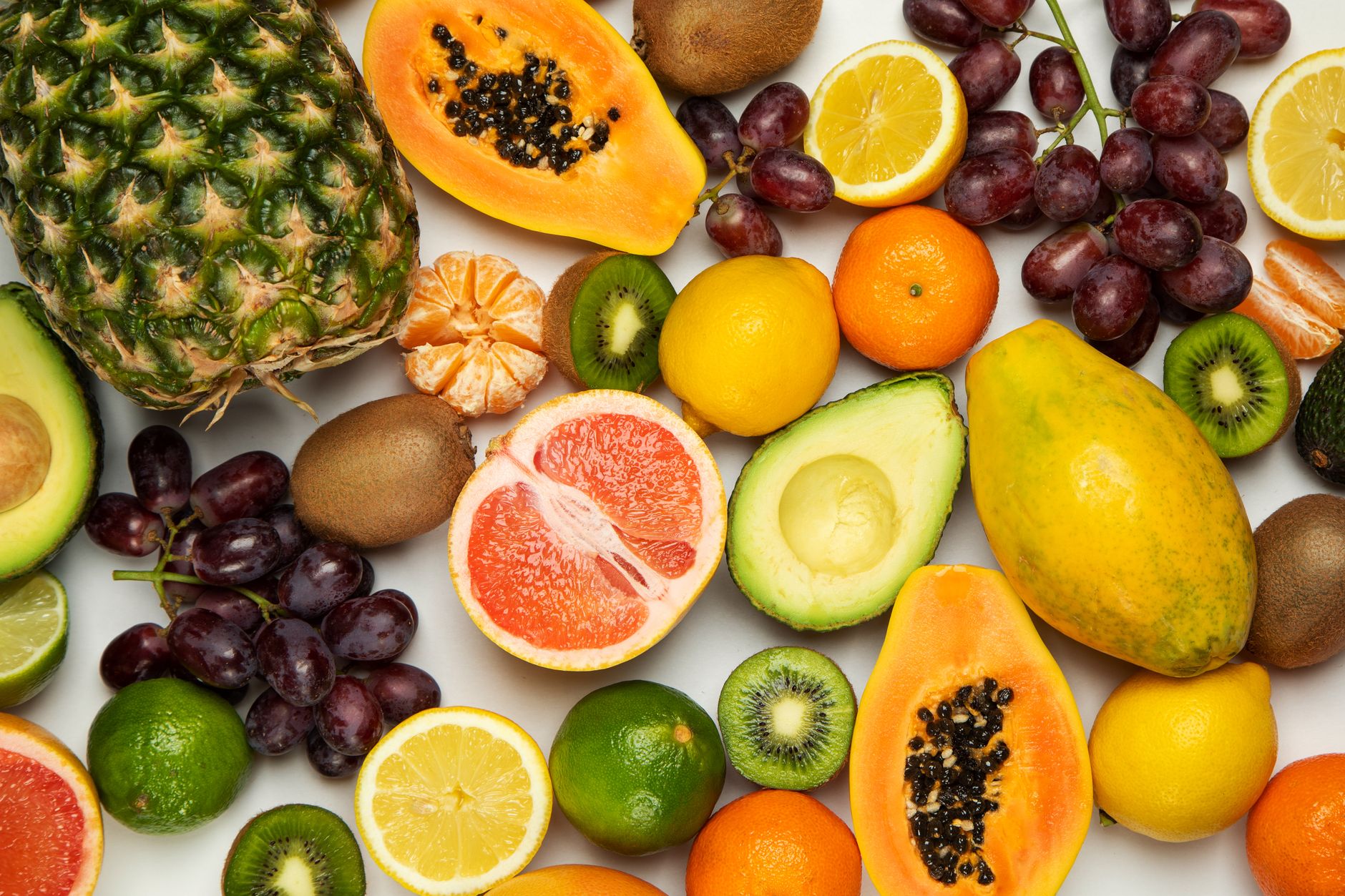
Hass: The most popular variety worldwide. Creamy, nutty flavor. Black, pebbly skin. Good for most climates. A-type flower. Reliable and productive.
Fuerte: Classic variety. Smooth, green skin. Creamy, mild flavor. Good for cooler climates. B-type flower. Good for cross-pollination.
Bacon: Cold-hardy variety. Smooth, green skin. Mild flavor. Good for cooler climates (down to 25°F). B-type flower.
Mexicola: Very cold-hardy (down to 20°F). Small, thin-skinned fruit. Good for cold climates. A-type flower.
Hass is best for: Most home gardeners. It's productive, delicious, and widely available.
Understand Pollination Types

A-type flowers: Open as female in the morning, close, then open as male the next afternoon. Examples: Hass, Mexicola, Gwen.
B-type flowers: Open as female in the afternoon, close, then open as male the next morning. Examples: Fuerte, Bacon, Zutano.
Why it matters: Planting both types improves pollination and fruit set. You'll get more and larger fruit.
If you only have one tree: Many varieties are somewhat self-fertile, but production is better with cross-pollination.
Best combination: Hass (A-type) + Fuerte or Bacon (B-type) for excellent pollination.
Select the Best Planting Site
Sunlight: Avocados need 6-8 hours of direct sunlight daily. More sun = more fruit.
Soil: Avocados prefer well-draining, loamy soil with a pH of 6.0-7.0. Good drainage is critical—avocado roots rot in wet soil.
Drainage: Plant on a slope or raised bed if you have heavy clay soil. Avocados don't tolerate waterlogged soil.
Wind protection: Protect from strong winds—they can damage young trees.
Space: Standard trees need 15-20 feet. Dwarf varieties need 8-10 feet.
Plant Avocado Trees Correctly

When to plant: Plant in spring after all danger of frost has passed. In warm climates, fall planting is also fine.
Planting depth: Dig a hole twice as wide as the root ball and the same depth. Never plant deeper than the nursery pot—the root flare should be at soil level.
Spacing: Space standard trees 15-20 feet apart, dwarf trees 8-10 feet apart.
Soil preparation: Mix compost or aged manure into the planting hole.
Watering after planting: Water deeply to settle the soil around the roots.
Water and Mulch

Water: Water deeply but infrequently. Allow the soil to dry between waterings. Overwatering causes root rot.
Young trees: Water weekly for the first year. Established trees need less frequent watering.
Mulch: Apply 2-3 inches of mulch (wood chips or straw) around the base. Keeps the soil cool and moist.
Keep away from trunk: Keep mulch 2-3 inches away from the trunk.
Fertilize Properly

When to fertilize: Apply fertilizer in spring and summer. Young trees: every 2-3 months. Mature trees: 3-4 times per year.
What to use: Use a citrus/avocado fertilizer (high in nitrogen and zinc).
How much: Follow package instructions for your tree's age and size.
Organic options: Compost, aged manure, or fish emulsion are excellent alternatives.
Signs of nutrient deficiency: Yellow leaves or poor growth.
Prune Avocado Trees
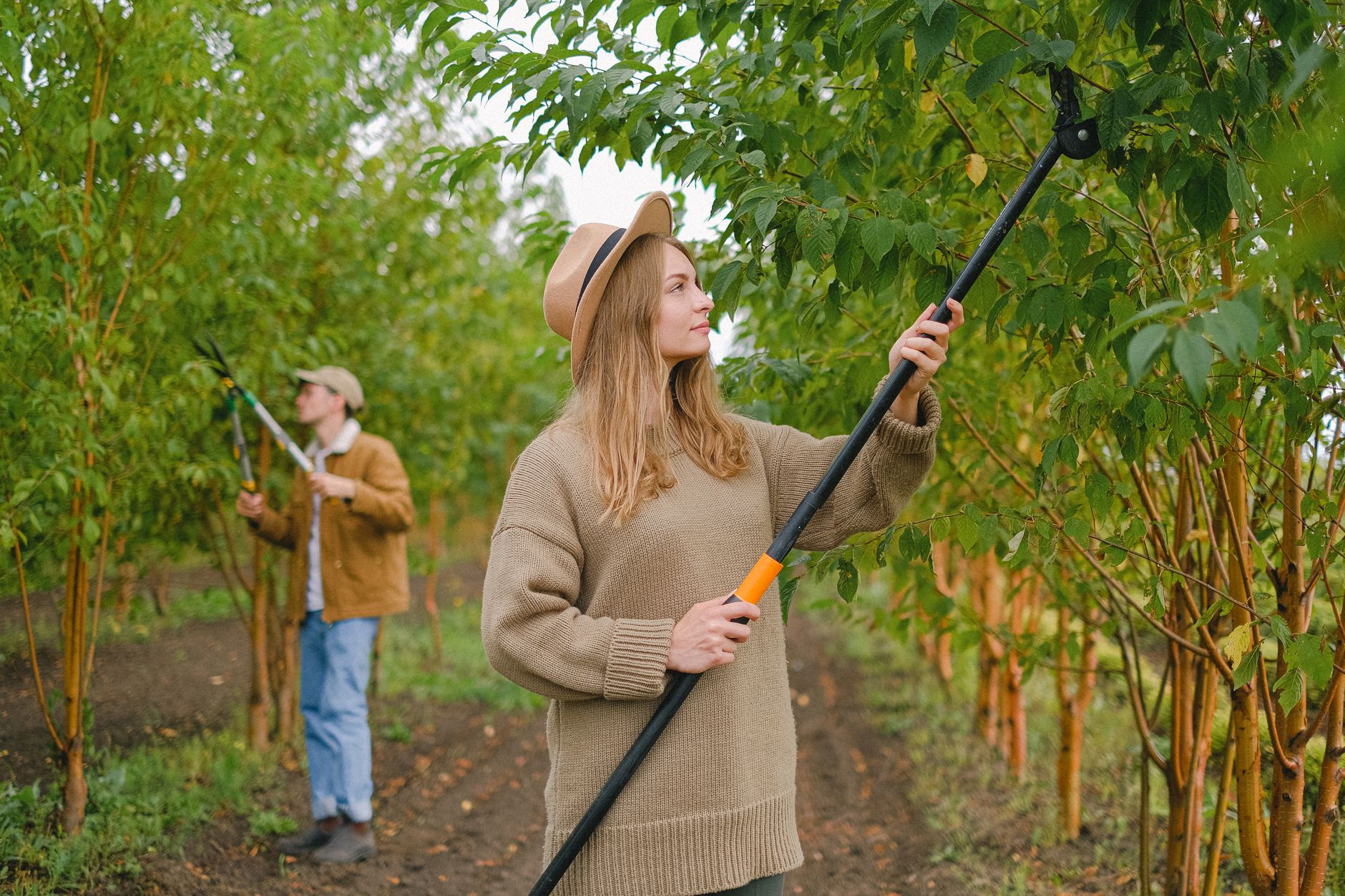
When to prune: Prune in late winter (February-March) while the tree is dormant.
What to remove: Remove dead, diseased, crossing, or damaged branches.
Shaping: Maintain an open shape to allow sunlight and air circulation.
Young trees: For the first 3 years, focus on shaping. Remove upright branches.
Mature trees: Remove 10-20% of the canopy each year to maintain size.
Protect from Frost

Frost sensitivity: Young avocado trees are sensitive to frost. Mature trees can tolerate light frosts.
Protection: Cover young trees with frost cloth or blankets when frost is forecast.
Cold-hardy varieties: Mexicola and Bacon can tolerate temperatures down to 20-25°F.
Container growing: In cold climates (zones below 8), grow avocados in containers and bring indoors in winter.
Location: Plant against a south-facing wall for extra warmth.
Common problems and fixes
| Problem | Likely cause | What to do |
|---|---|---|
| Yellow leaves | Overwatering or nutrient deficiency. | Water less and apply citrus/avocado fertilizer. |
| No fruit despite flowers | Lack of pollination (planting only one type) or young tree. | Plant A-type and B-type varieties. Wait—trees take 3-5 years. |
| Root rot | Poor drainage or overwatering. | Improve drainage and water less. |
| Frost damage | Cold temperatures. | Protect with frost cloth or move containers indoors. |
Gardener's checklist
Test what you learned
What is the most popular avocado variety?
Answer: Hass
How much sun do avocado trees need daily?
Answer: 6-8 hours
What is the most critical factor for avocado trees?
Answer: Good drainage
How long does it take for an avocado tree to produce fruit?
Answer: 3-5 years
Why should you plant A-type and B-type avocado varieties?
Answer: For cross-pollination and better fruit set
Common questions
Can I grow an avocado tree from a seed?
Yes, but it's not recommended. Seed-grown trees take 5-10+ years to produce fruit, and the fruit may not be true to the parent. Buy grafted trees for reliable, faster production.
Can I grow avocados in containers?
Yes, choose a dwarf variety and use a large container (15-20 gallons). Water regularly, fertilize, and bring indoors in winter in cold climates.
Do avocado trees need a lot of water?
Avocados are drought-tolerant once established. Water deeply but infrequently—allow the soil to dry between waterings. Overwatering is the most common cause of death.
What is the best fertilizer for avocado trees?
Use a citrus/avocado fertilizer (high in nitrogen and zinc). Apply in spring and summer.
How cold can avocado trees tolerate?
Most varieties tolerate down to 25-30°F. Cold-hardy varieties (Mexicola, Bacon) can tolerate down to 20-25°F. Protect young trees from frost.
Growing avocado trees is a rewarding experience that provides creamy, nutritious fruit for years. The key to success is well-draining soil—avocados don't tolerate wet feet. Plant in full sun, water deeply but infrequently, and fertilize with citrus/avocado fertilizer. Plant A-type and B-type varieties for cross-pollination and better yields. Be patient—avocado trees take 3-5 years to produce fruit but will reward you with delicious avocados for decades. In cold climates, grow avocados in containers and bring them indoors in winter.
Frequently asked questions
How often should a vegetable garden be watered?
Frequency depends on weather, soil and plant size. Check the soil rather than watering on a rigid schedule.
Is compost enough fertilizer?
Compost improves soil and provides nutrients slowly. Heavy-feeding crops may still need additional feeding.

The Sproutstead Editorial Team
We create clear, practical gardening and homesteading guides designed for real homes and beginner growers.
View author profile →