Passion fruit is a vigorous, fast-growing vine that produces delicious tropical fruit. Choose purple passion fruit (Passiflora edulis) for cooler climates or yellow passion fruit (Passiflora flavicarpa) for tropical climates. Plant in full sun (6-8 hours) with well-draining, rich soil (pH 6.0-7.0). Install a strong trellis or fence (vines can grow 15-20 feet). Water deeply during dry spells, fertilize every 4-6 weeks, and prune in late winter to control growth. Passion fruit vines are self-pollinating but benefit from hand pollination in cooler climates. Fruit ripens 60-90 days after flowering. Harvest when fruit is fully colored and wrinkled—it's ready when it falls from the vine.
What you will need
Choose the Right Passion Fruit Variety

Purple Passion Fruit (Passiflora edulis): The most common variety. Round, purple fruit with sweet-tart flavor. Better for cooler climates. Self-pollinating. Good for home gardens.
Yellow Passion Fruit (Passiflora flavicarpa): Larger, yellow fruit with sweeter flavor. Better for tropical climates. Needs cross-pollination. More vigorous growth.
Passionfruit 'Nellie Kelly': A popular hybrid variety. Purple fruit, sweet flavor. Good for cooler climates. Self-pollinating.
Which is best? For beginners: Purple passion fruit is the easiest to grow and most common.
Select the Best Planting Site

Sunlight: Passion fruit needs 6-8 hours of direct sunlight daily. More sun = sweeter fruit.
Soil: Passion fruit prefers well-draining, rich soil with a pH of 6.0-7.0. Add plenty of compost.
Drainage: Good drainage is critical—passion fruit roots rot in wet soil.
Wind protection: Vines can be damaged by strong winds. Plant in a sheltered location.
Space: Passion fruit vines can grow 15-20 feet. Provide plenty of room and a strong support structure.
Plant Passion Fruit Correctly

When to plant: Plant in spring after all danger of frost has passed. In warm climates, fall planting is also fine.
Planting depth: Dig a hole twice as wide as the root ball and the same depth. Plant at the same depth as the nursery pot.
Spacing: Space plants 8-10 feet apart.
Soil preparation: Mix compost or aged manure into the planting hole.
Watering after planting: Water deeply to settle the soil around the roots.
Install a Strong Trellis

Why a trellis: Passion fruit vines are vigorous and can grow 15-20 feet. They need strong support to grow and produce fruit.
Fence: A sturdy fence (6 feet tall) works well as a support.
Trellis: Install sturdy posts (4x4 or metal) at each end of the row. Attach wires at 4-6 feet.
Pergola: A strong pergola provides excellent support and shade.
How to train: Train the main stem up the support. Side branches will grow along the wires.
Water and Fertilize

Water: Water deeply during dry spells. Passion fruit need consistent moisture, especially during flowering and fruiting.
Mulch: Apply 2-3 inches of mulch (wood chips or straw) around the base. Mulch retains moisture and suppresses weeds.
Fertilizer: Apply a balanced fertilizer (10-10-10) every 4-6 weeks during the growing season.
Organic options: Compost, aged manure, or fish emulsion are excellent alternatives.
Signs of nutrient deficiency: Yellowing leaves or poor growth.
Prune and Maintain

When to prune: Prune in late winter or early spring before new growth starts.
What to remove: Remove dead, diseased, crossing, or damaged branches. Remove weak or tangled growth.
Thinning: Thin out crowded areas to improve air circulation.
Fruiting wood: Fruit is produced on new growth. Prune to encourage new shoots.
Summer pruning: Remove excessive growth during summer to keep the vine manageable.
Hand Pollinate for Best Results
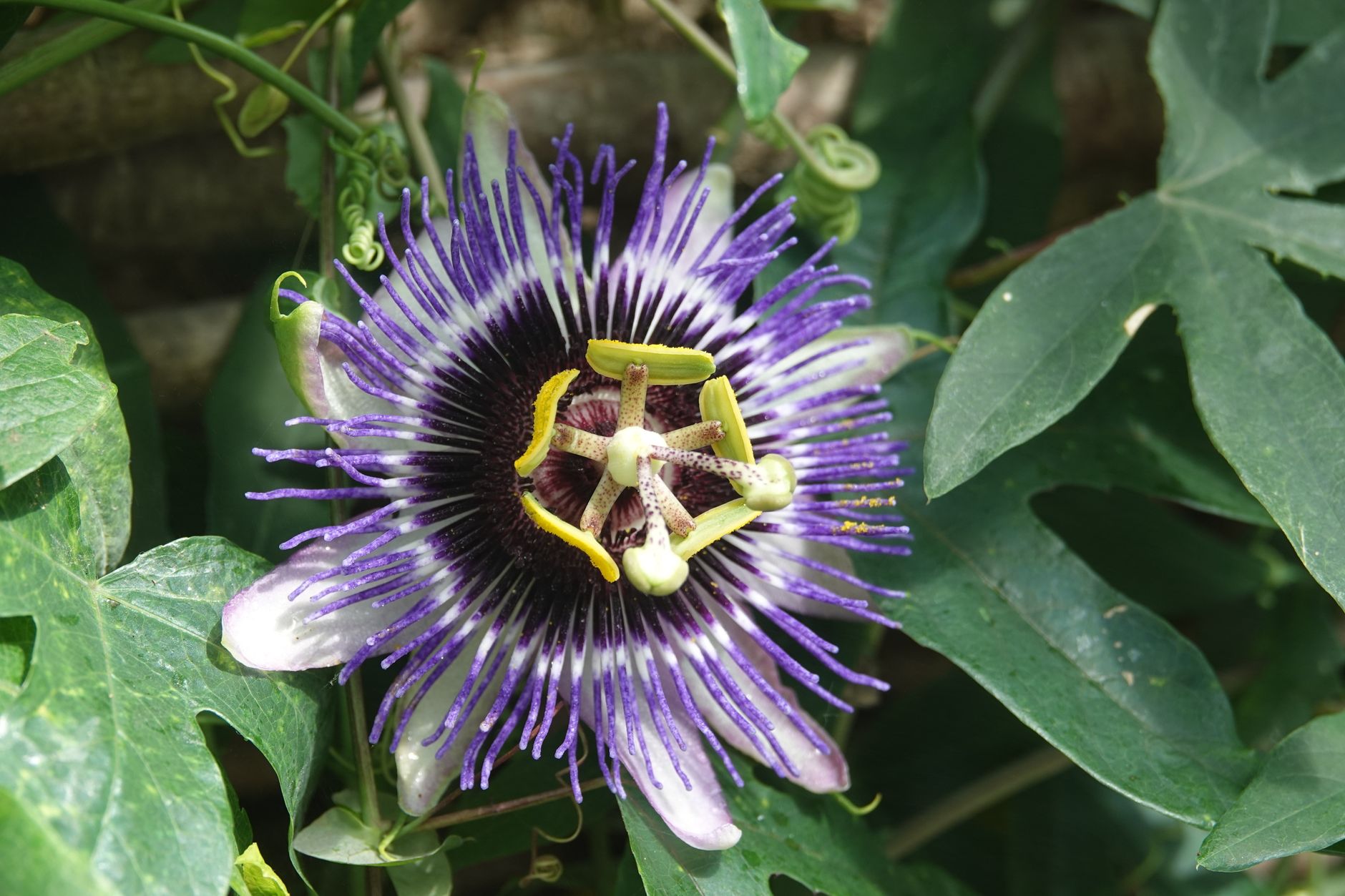
Why hand pollinate: In cooler climates, natural pollinators may be less active. Hand pollination ensures fruit set.
How to hand pollinate: Use a small brush to transfer pollen from the anther (male part) to the stigma (female part) of the same flower or another flower.
When to pollinate: Pollinate in the morning when flowers are open.
Self-pollinating: Purple passion fruit is self-pollinating, but hand pollination improves yield. Yellow passion fruit needs cross-pollination.
Bees: Attract bees by planting bee-friendly flowers nearby.
Harvest and Enjoy

When to harvest: Passion fruit is ready when it's fully colored (purple or yellow) and the skin begins to wrinkle.
The test: Ripe fruit will fall from the vine naturally. It can also be gently twisted off.
How to pick: Gently twist or cut the fruit from the vine.
Yield: A mature passion fruit vine produces 20-50+ fruit per year.
Storage: Store passion fruit at room temperature for 1-2 weeks or refrigerate for up to a month.
How to eat: Cut open, scoop out the seeds and pulp, and enjoy fresh or in juices and desserts.
Common problems and fixes
| Problem | Likely cause | What to do |
|---|---|---|
| No fruit despite flowers | Lack of pollination (cooler climate) or poor nutrition. | Hand pollinate and ensure proper fertilization. |
| Vines growing but not fruiting | Too much nitrogen or insufficient pruning. | Reduce fertilizer and prune to encourage fruiting wood. |
| Leaves yellowing | Nutrient deficiency or overwatering. | Apply balanced fertilizer and check drainage. |
| Fruit dropping before ripening | Inconsistent watering or poor pollination. | Water consistently and hand pollinate. |
Gardener's checklist
Test what you learned
Which passion fruit variety is best for cooler climates?
Answer: Purple
How much sun do passion fruit vines need daily?
Answer: 6-8 hours
What is essential for growing passion fruit?
Answer: A strong trellis
Why should you hand pollinate passion fruit in cooler climates?
Answer: To improve fruit set
When is passion fruit ready to harvest?
Answer: When it's fully colored and wrinkled
Common questions
Can I grow passion fruit in containers?
Yes, but use a large container (15-20 gallons) and provide a strong trellis. Water regularly and fertilize every 4-6 weeks.
How long does it take for passion fruit to produce fruit?
Passion fruit takes 6-12 months from planting to produce fruit, depending on the variety and growing conditions.
Do passion fruit vines need a lot of water?
Yes, passion fruit need consistent moisture, especially during flowering and fruiting. Water deeply during dry spells.
Is passion fruit self-pollinating?
Purple passion fruit is self-pollinating. Yellow passion fruit needs cross-pollination. Hand pollination improves fruit set in cooler climates.
What is the best fertilizer for passion fruit?
Use a balanced fertilizer (10-10-10) every 4-6 weeks during the growing season. Organic options like compost and aged manure also work well.
Growing passion fruit is a rewarding experience that provides delicious tropical fruit. Choose purple passion fruit for cooler climates and yellow for tropical climates. Install a strong trellis, plant in full sun, water consistently, and fertilize every 4-6 weeks. In cooler climates, hand pollination is essential for good fruit set. Harvest when the fruit is fully colored and wrinkled—it's ready when it falls from the vine. With proper care, your passion fruit vine will reward you with delicious fruit for years.
Frequently asked questions
How often should a vegetable garden be watered?
Frequency depends on weather, soil and plant size. Check the soil rather than watering on a rigid schedule.
Is compost enough fertilizer?
Compost improves soil and provides nutrients slowly. Heavy-feeding crops may still need additional feeding.

The Sproutstead Editorial Team
We create clear, practical gardening and homesteading guides designed for real homes and beginner growers.
View author profile →