Fruit trees need proper nutrition to produce healthy fruit. The three primary nutrients are nitrogen (N) for growth, phosphorus (P) for roots and fruit, and potassium (K) for overall health. Use a balanced fruit tree fertilizer (like 10-10-10) or organic options (compost, aged manure, fish emulsion). Apply fertilizer in early spring before new growth starts. Young trees need smaller amounts (1/4 to 1/2 cup per tree), while mature trees need more (1-2 cups). Spread fertilizer evenly under the drip line (the edge of the branches). Water deeply after applying. Avoid over-fertilizing—too much nitrogen promotes leaves at the expense of fruit. Organic options are safer and improve soil health.
What you will need
Understand the Nutrient Needs of Fruit Trees
Nitrogen (N): Promotes healthy leaf and shoot growth. Essential for photosynthesis and overall tree health. Too much nitrogen leads to excessive leafy growth at the expense of fruit.
Phosphorus (P): Supports root development, flower production, and fruit set. Important for young trees and fruit formation.
Potassium (K): Supports overall plant health, disease resistance, and fruit quality. Improves flavor and storage life.
Secondary nutrients: Calcium, magnesium, and sulfur are also important. Good soil usually provides these.
Micronutrients: Iron, zinc, manganese, boron, and copper are needed in small amounts. Deficiencies can cause specific symptoms (like yellow leaves).
Choose the Right Fertilizer

Balanced fertilizer (10-10-10): A good general-purpose fertilizer for fruit trees. Provides equal amounts of NPK.
Fruit tree fertilizer: Specifically formulated for fruit trees. Often has a ratio like 12-4-8 or 10-10-10.
Organic fertilizer: Compost, aged manure, fish emulsion, blood meal, bone meal, and cottonseed meal. Slower release but improves soil health.
Granular fertilizer: Applied to the soil. Releases slowly over time. Good for long-term feeding.
Liquid fertilizer: Applied as a foliar spray or soil drench. Fast-acting but needs more frequent application.
Which is best? Organic fertilizers are safer and improve soil health. Synthetic fertilizers are faster but can burn roots if over-applied.
Know When to Fertilize

Early spring (March-April): The best time to fertilize fruit trees. Apply before new growth starts. This gives the tree nutrients for the growing season.
After harvest: Some trees benefit from a light feeding after fruit harvest to support next year's growth.
Avoid late fall: Don't fertilize in late fall—new growth may not harden before winter.
First year: Young trees need less fertilizer. Apply 1/4 cup in spring.
Mature trees: Apply 1-2 cups in spring.
Calculate How Much Fertilizer to Apply
Young trees (1-2 years): Apply 1/4 to 1/2 cup of balanced fertilizer in spring. Avoid fertilizing at planting time—wait until the second year.
Established trees (3-5 years): Apply 1/2 to 1 cup per tree. Increase gradually as the tree grows.
Mature trees (5+ years): Apply 1-2 cups per tree. Adjust based on growth and fruit production.
Soil test: A soil test is the best way to determine exactly what your tree needs.
Organic fertilizer: Apply 1-2 inches of compost or aged manure around the tree in spring.
Apply Fertilizer Correctly
The drip line: Apply fertilizer under the drip line (the edge of the branches). This is where the tree's feeder roots are.
How to apply: Spread the fertilizer evenly on the soil surface, starting 12 inches from the trunk and extending to the drip line.
Avoid the trunk: Don't put fertilizer against the trunk—it can burn the bark.
Water in: Water deeply after applying fertilizer to help it reach the roots.
Granular fertilizer: Sprinkle on the soil surface and water in.
Liquid fertilizer: Apply as a soil drench around the drip line.
Use Organic Fertilizer Options

Compost: The best organic fertilizer. Apply 1-2 inches around the tree in spring. Improves soil structure and provides slow-release nutrients.
Aged manure: Excellent source of nitrogen. Apply 1-2 inches around the tree in spring. Use well-aged manure—fresh manure can burn roots.
Fish emulsion: Liquid fertilizer. Apply as a foliar spray or soil drench every 4-6 weeks. Fast-acting and high in nitrogen.
Blood meal: High in nitrogen. Good for leafy growth. Apply in spring.
Bone meal: High in phosphorus. Good for root development and fruit set. Apply in spring.
Cottonseed meal: Good for acid-loving trees (like apples). Apply in spring.
Recognize Signs of Nutrient Deficiency
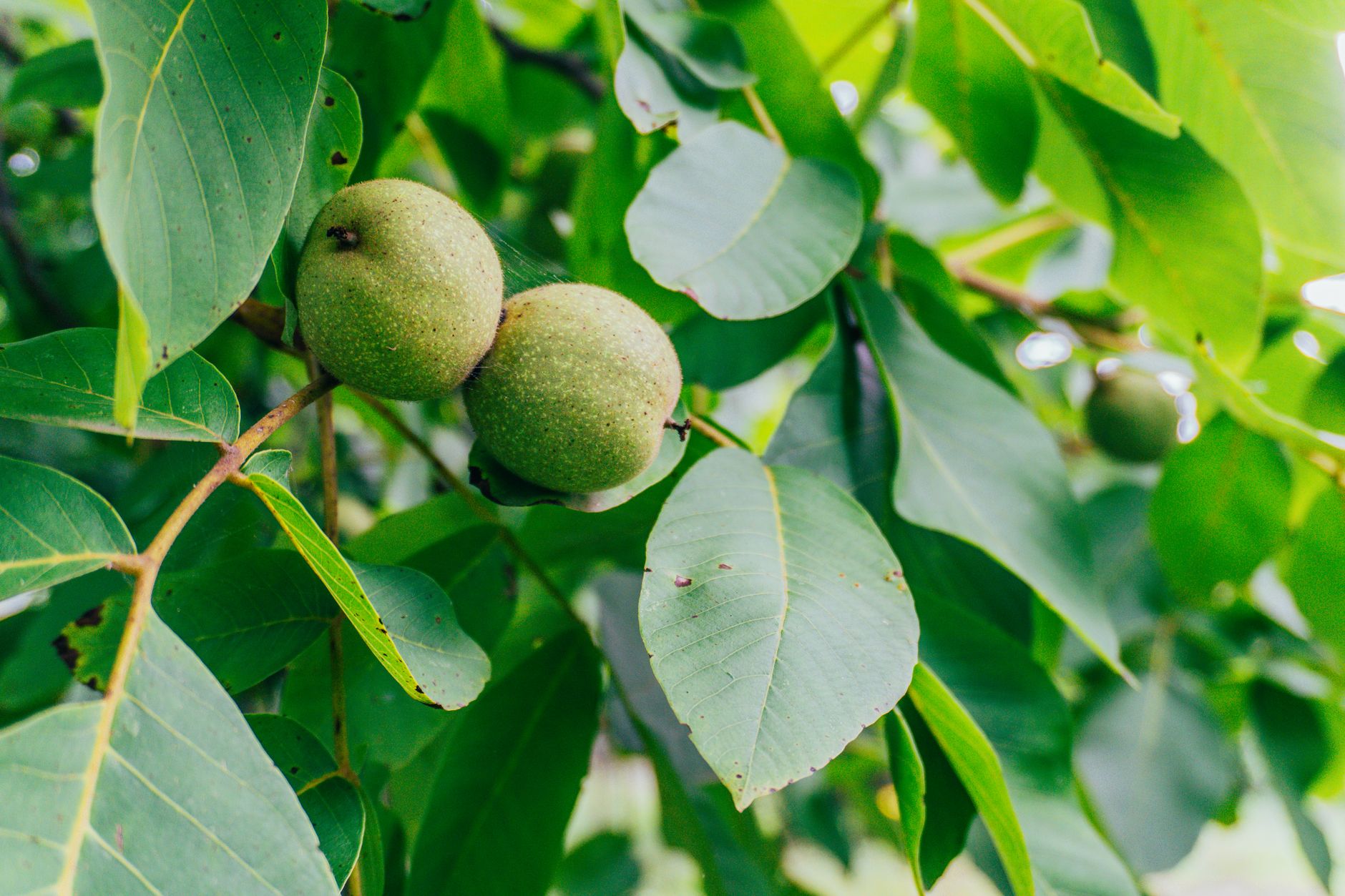
Nitrogen deficiency: Yellowing leaves (especially older leaves), stunted growth, and reduced fruit production.
Phosphorus deficiency: Purple leaves, poor root growth, and reduced fruit set.
Potassium deficiency: Yellowing leaf edges, weak stems, and poor fruit quality.
Iron deficiency: Yellow leaves with green veins (chlorosis). Common in alkaline soil.
Zinc deficiency: Small, distorted leaves. Reduced fruit set.
What to do: Apply the appropriate fertilizer. A soil test can pinpoint the deficiency.
Avoid Over-Fertilizing
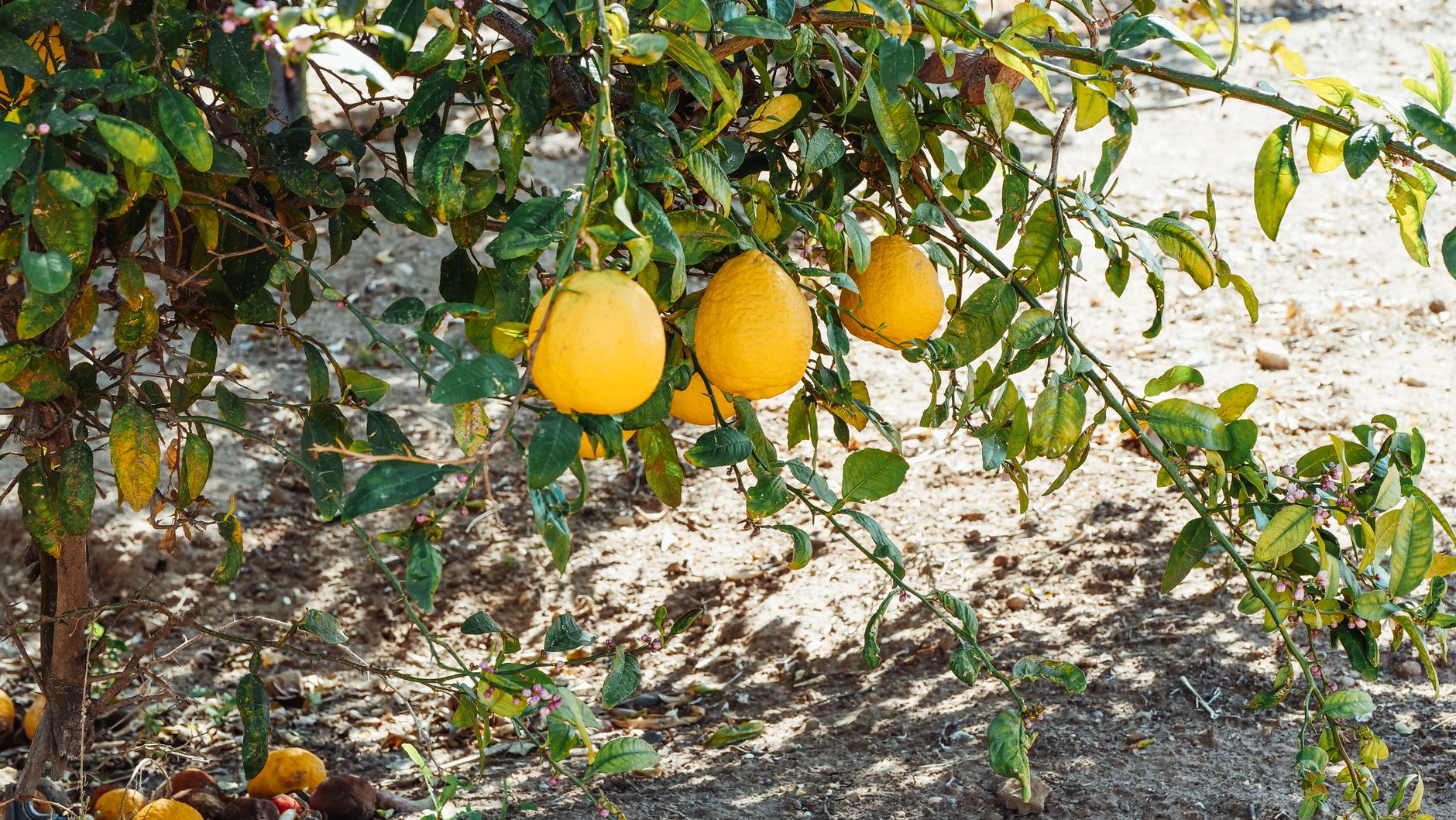
Excessive leaf growth: Too much nitrogen leads to lots of leaves and little fruit.
Burned roots: Over-fertilizing can burn roots and kill the tree.
Reduced fruit set: Too much nitrogen can reduce flowering and fruit set.
Fruit quality: Over-fertilizing can reduce fruit quality and flavor.
The solution: Use less fertilizer, not more. Follow recommended amounts.
Organic fertilizers: Organic fertilizers are safer—they release nutrients slowly and are less likely to burn roots.
Common problems and fixes
| Problem | Likely cause | What to do |
|---|---|---|
| Leaves yellowing | Nitrogen or iron deficiency. | Apply nitrogen-rich fertilizer or iron chelate. |
| Poor fruit set | Too much nitrogen or lack of pollinators. | Reduce nitrogen and attract bees. |
| Burned roots | Over-fertilizing or using fresh manure. | Flush the soil with water. Use organic fertilizers in the future. |
| Leaves with green veins but yellow between | Iron deficiency (chlorosis). | Apply iron chelate or sulfur to lower soil pH. |
Gardener's checklist
Test what you learned
What is the best time to fertilize fruit trees?
Answer: Early spring
Where should you apply fertilizer?
Answer: Under the drip line
What is the best organic fertilizer for fruit trees?
Answer: Compost
What happens if you over-fertilize with nitrogen?
Answer: Excessive leafy growth
What is the most common sign of nitrogen deficiency?
Answer: Yellowing leaves
Common questions
How often should I fertilize fruit trees?
Fertilize once a year in early spring. Some trees benefit from a second light application after harvest.
Can I use lawn fertilizer on fruit trees?
No—lawn fertilizer is too high in nitrogen and lacks other nutrients trees need. Use a balanced fruit tree fertilizer.
Is compost enough for fruit trees?
Compost is excellent for fruit trees. It provides slow-release nutrients and improves soil health. Apply 1-2 inches around the tree in spring.
How do I know if my tree needs fertilizer?
Look for signs of poor growth, yellow leaves, or reduced fruit production. A soil test is the best way to know exactly what your tree needs.
Can I over-fertilize with organic fertilizer?
It's harder to over-fertilize with organic fertilizers, but it's still possible. Follow recommended amounts and avoid over-applying.
Fertilizing fruit trees is essential for healthy growth and abundant fruit production. Use a balanced fruit tree fertilizer (10-10-10) or organic options like compost and aged manure. Apply in early spring under the drip line, water deeply, and avoid over-fertilizing. A soil test is the best way to determine exactly what your tree needs. With proper fertilization, your fruit trees will produce delicious fruit for years.
Frequently asked questions
How often should a vegetable garden be watered?
Frequency depends on weather, soil and plant size. Check the soil rather than watering on a rigid schedule.
Is compost enough fertilizer?
Compost improves soil and provides nutrients slowly. Heavy-feeding crops may still need additional feeding.

The Sproutstead Editorial Team
We create clear, practical gardening and homesteading guides designed for real homes and beginner growers.
View author profile →