
To grow an avocado from seed, remove and clean the pit from a ripe avocado. Insert 3-4 toothpicks around the middle of the seed and suspend it over a glass of water with the pointed end facing up and the flat (bottom) end submerged about 1 inch. Place in a warm, bright spot (but out of direct sunlight). Change the water weekly. Roots will appear in 2-6 weeks, followed by a stem and leaves in 4-8 weeks. Once the stem reaches 6-7 inches, transplant to soil. Keep in mind that avocado trees grown from seed take 5-13 years to bear fruit, and the fruit may not be true to the parent. It's a fun project, but manage your expectations!
What you will need
Choose the Right Avocado and Remove the Seed
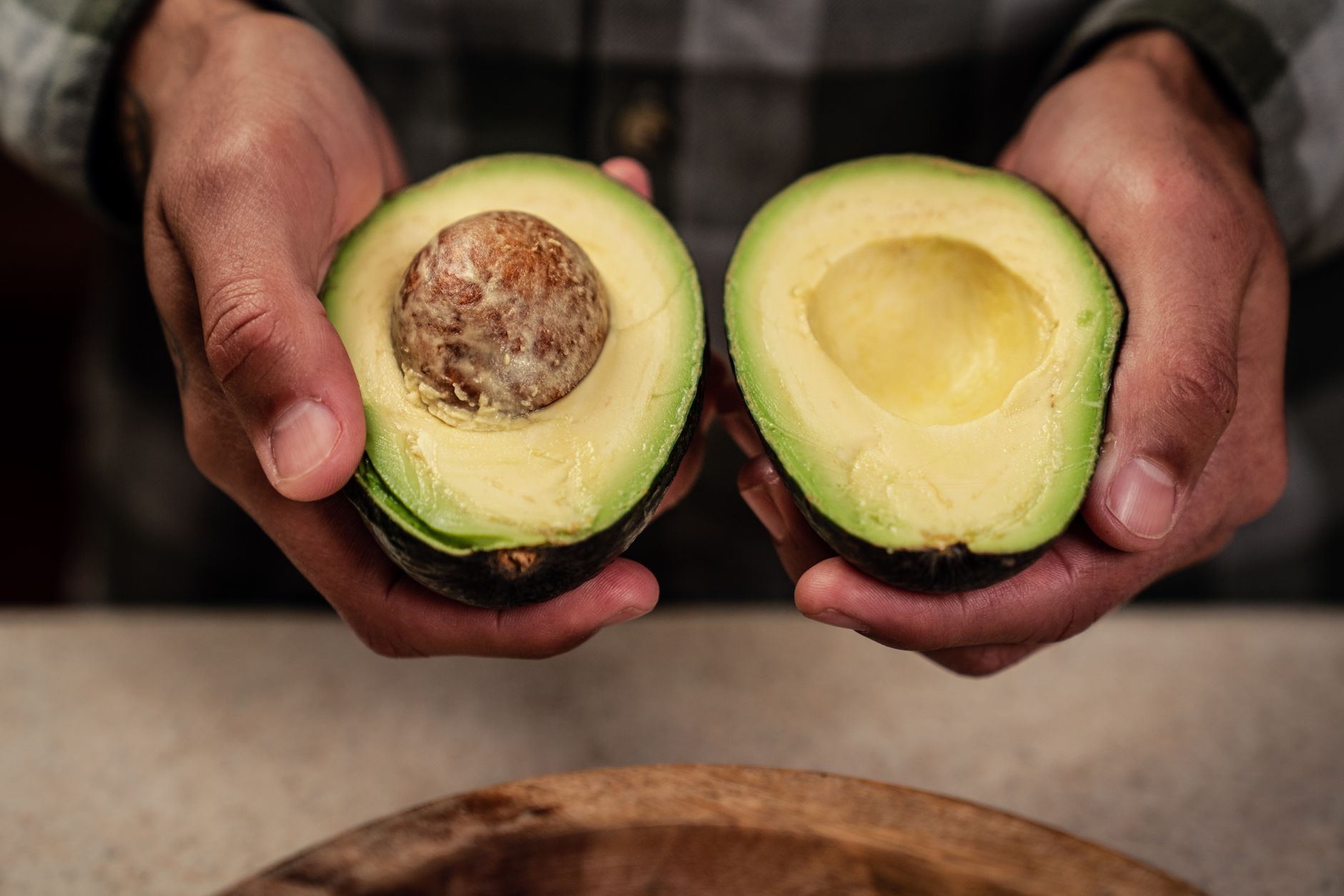
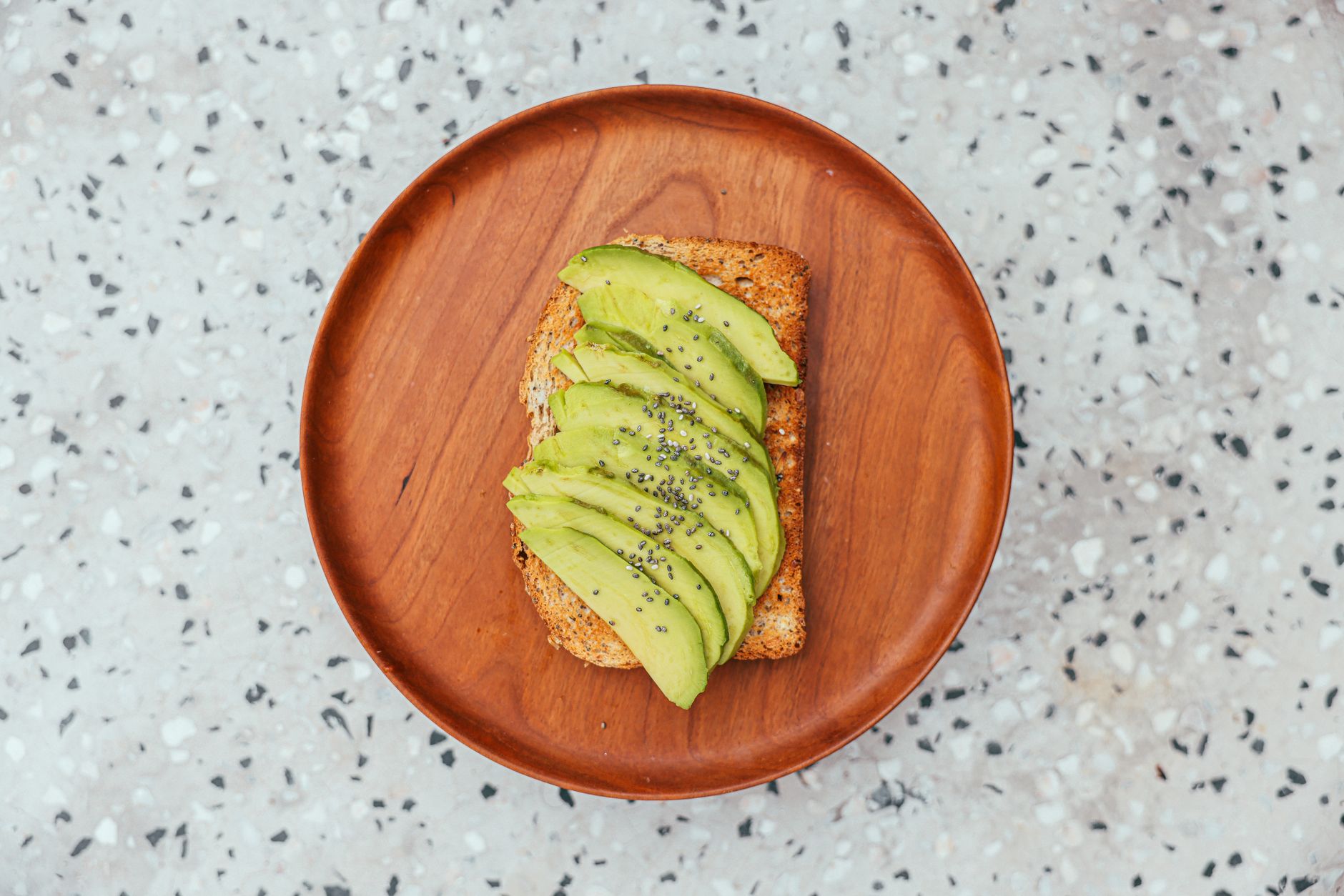
Choose a ripe avocado: Pick a ripe avocado from the store. Organic avocados are ideal because they are less likely to be treated with growth inhibitors. Haas avocados are the most common and work well.
Remove the pit: Cut the avocado lengthwise around the seed and gently twist the two halves apart. Carefully remove the pit with a spoon or by gently twisting it out.
Clean the seed: Rinse the pit under warm water to remove any remaining avocado flesh. Gently scrub with a soft cloth or your fingers. Be careful not to damage the brown skin—it protects the seed.
Inspect the seed: Look for a healthy, brown seed with no cracks, mold, or blemishes. A damaged seed is less likely to germinate.
Optional—Soak the seed: Some people soak the seed in water for a few minutes to soften the skin. This is optional but can help if the skin is particularly tough.
Identify the Top and Bottom of the Seed
Pointed end (TOP): The slightly pointed, more narrow end is the top. This is where the stem will emerge.
Flat end (BOTTOM): The slightly flat or rounded end is the bottom. This is where the roots will grow from.
Why orientation matters: If you place the seed upside down, the roots will try to grow upward and the stem downward. The seed may still germinate, but it will struggle.
Double-check: The bottom often has a small, lighter-colored spot—this is where the roots will emerge. If you're unsure, look at the seed carefully; most have a distinct top and bottom.
If you can't tell: Some seeds are more symmetrical. If that's the case, place the seed on its side—it may still germinate, but it's not ideal.
Suspend the Seed in Water (Toothpick Method)
Insert toothpicks: Stick 3-4 toothpicks into the sides of the seed, about halfway up (around the middle). Push them in at a slight downward angle so they can rest on the rim of the glass.
Position the seed: Place the seed over a glass or jar filled with water. The toothpicks should rest on the rim, suspending the seed. The bottom (flat end) should be submerged in about 1 inch of water.
Water level: The water should cover the bottom 1 inch of the seed. Make sure the top (pointed end) stays dry to prevent rot.
Choose the right container: Use a clear glass or jar so you can see the roots developing. The glass should be tall enough to hold the seed and allow room for root growth.
Place in a warm, bright spot: Put the glass in a warm spot with bright, indirect light (e.g., a windowsill). Avoid direct sunlight, which can cause algae growth in the water.
Maintain and Watch for Growth
Change water weekly: Replace the water every week with fresh, room-temperature water. This prevents bacteria and algae growth.
Check water level: Ensure the bottom 1 inch remains submerged. Top up with water as needed between changes.
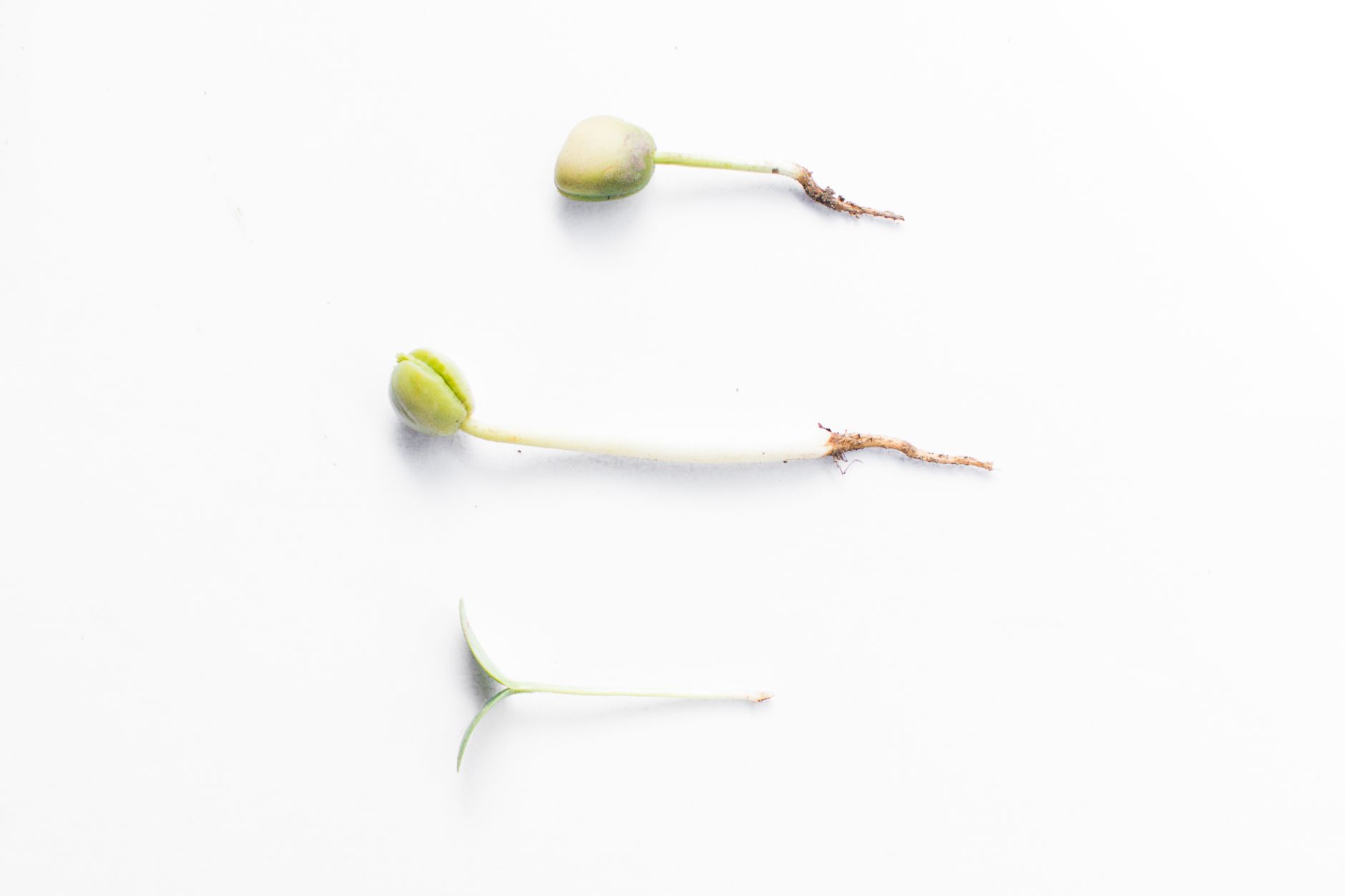
Watch for roots: In 2-6 weeks, the seed will crack and a small taproot will emerge from the bottom. This is the first sign of success!
Watch for the stem: In 4-8 weeks, a small stem will emerge from the top (pointed end). This is the beginning of your avocado tree.
Patience: Some seeds take longer than others. If nothing happens after 8 weeks, the seed may not be viable. Try again with a fresh seed.
Don't rush: Don't transplant to soil until the stem is at least 6-7 inches tall and has a few leaves.
Transplant to Soil
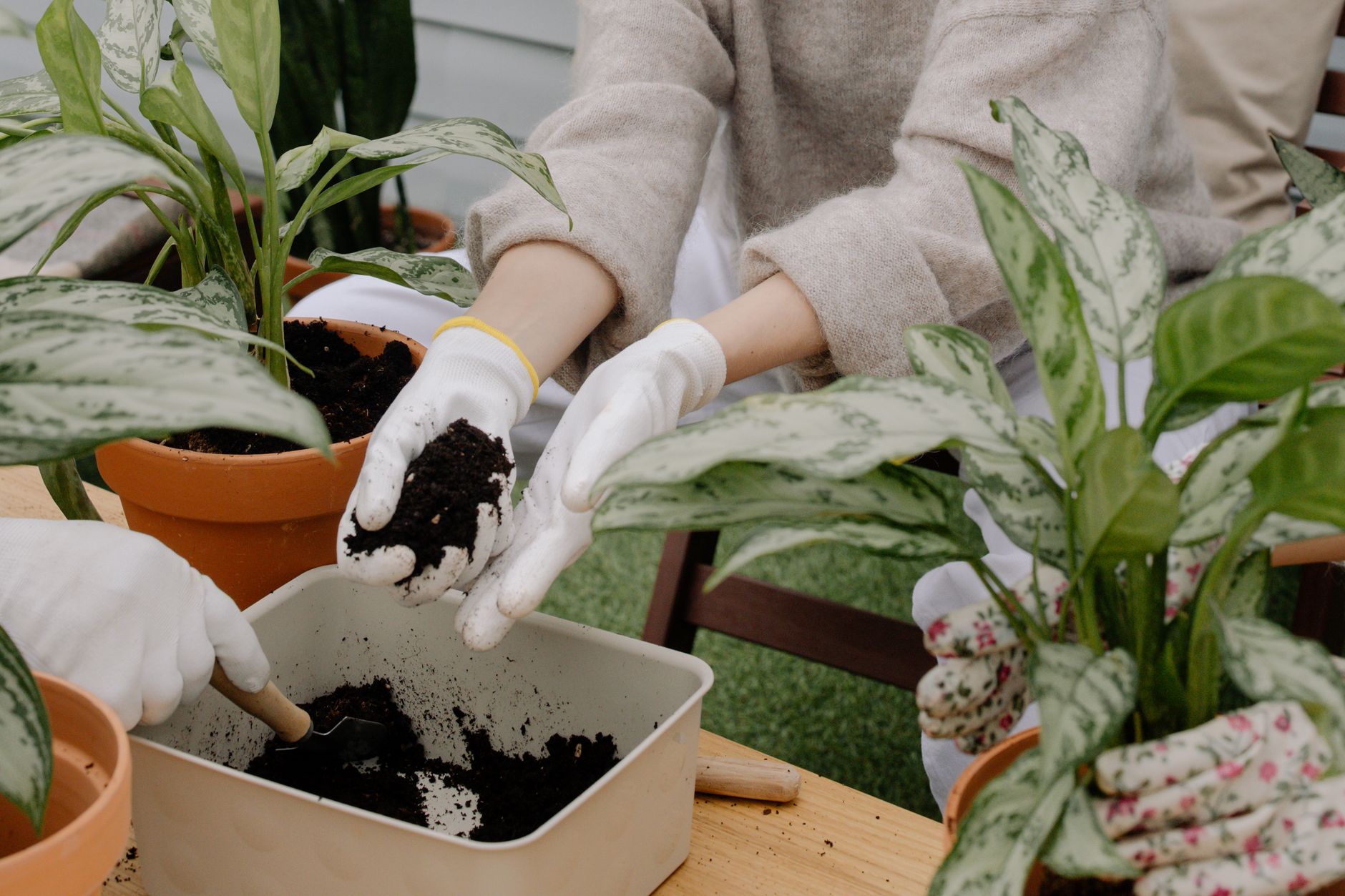
When to transplant: Wait until the stem is 6-7 inches tall and has 2-3 leaves. The roots should be at least 2-3 inches long.
Choose the right pot: Use a pot with drainage holes (6-8 inches in diameter). Avocado roots need good drainage.
Prepare the soil: Use well-draining potting soil. A mix of 50% potting soil and 50% perlite or sand works well.
Planting: Fill the pot halfway with soil. Place the seedling in the center and gently cover the roots and the bottom of the seed with soil. Leave the top half of the seed exposed above the soil.
Water: Water thoroughly after planting. Then let the soil dry out slightly before watering again.
Place in bright, indirect light: A sunny windowsill is ideal. Gradually introduce to more light over a few weeks.
Care for Your Avocado Seedling
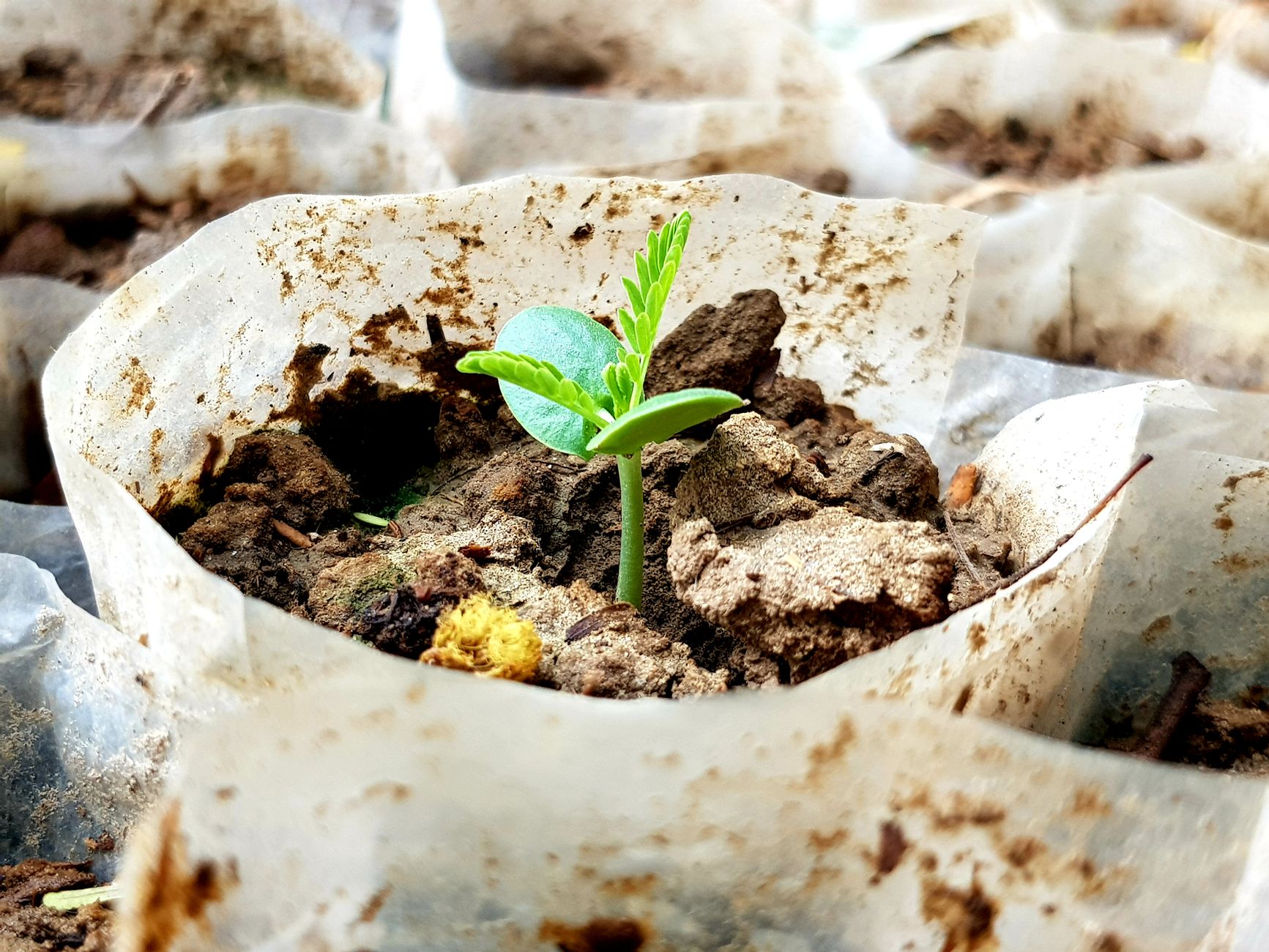
Light: Avocado trees need bright, indirect light. A south or west-facing window is ideal. Consider a grow light if natural light is limited.
Watering: Water deeply but infrequently. Allow the top inch of soil to dry out before watering again. Overwatering is the most common cause of avocado death.
Temperature: 60-85°F (15-29°C) is ideal. Protect from frost and cold drafts.
Fertilizing: Feed with a balanced liquid fertilizer (diluted to half strength) every 4-6 weeks during the growing season (spring and summer).
Pruning: When the plant reaches 12-15 inches, pinch off the top set of leaves. This encourages branching and a fuller, bushier plant.
Repotting: Repot every 1-2 years into a slightly larger pot as the tree grows.
Manage Expectations—Will It Bear Fruit?
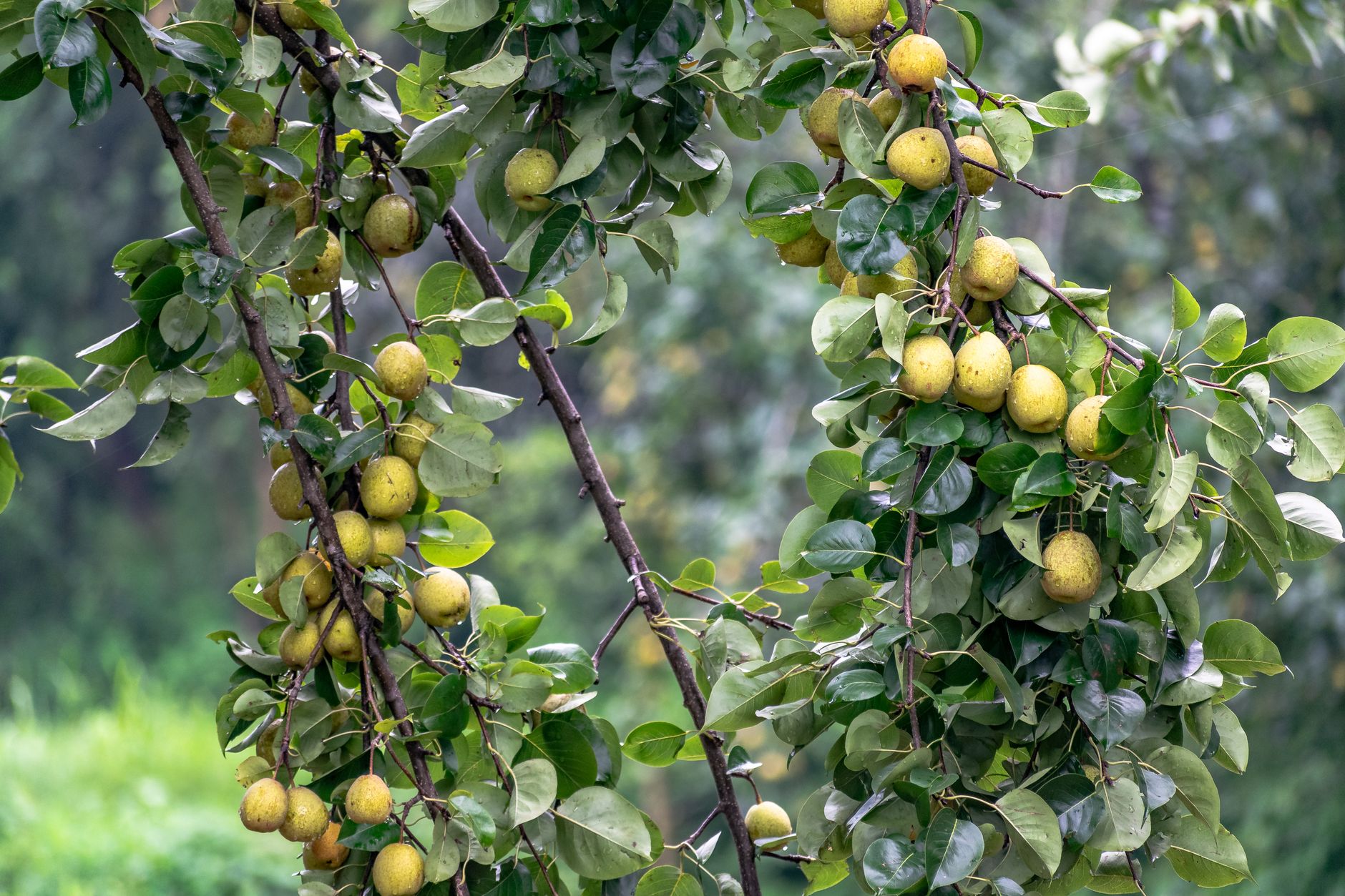
Time to fruit: Avocado trees grown from seed take 5-13 years to bear fruit. Some never bear fruit at all. It's a long-term project!
Not true-to-type: The fruit from a seed-grown tree will not be identical to the avocado it came from. It may be smaller, different in flavor, or have a different texture.
If you want fruit: For reliable fruit production, it's better to buy a grafted avocado tree from a nursery. These bear fruit in 3-4 years and produce consistent fruit.
Why grow from seed then? It's a fun, educational project. You get a beautiful houseplant for free, and you might get lucky with fruit years down the line.
Pollination: Even if it fruits, avocado trees need cross-pollination to set fruit. You may need a second tree or a compatible variety nearby.
Enjoy the journey: Treat your avocado seedling as a beautiful houseplant. If it fruits someday, consider it a bonus!
Troubleshoot Common Avocado Propagation Problems
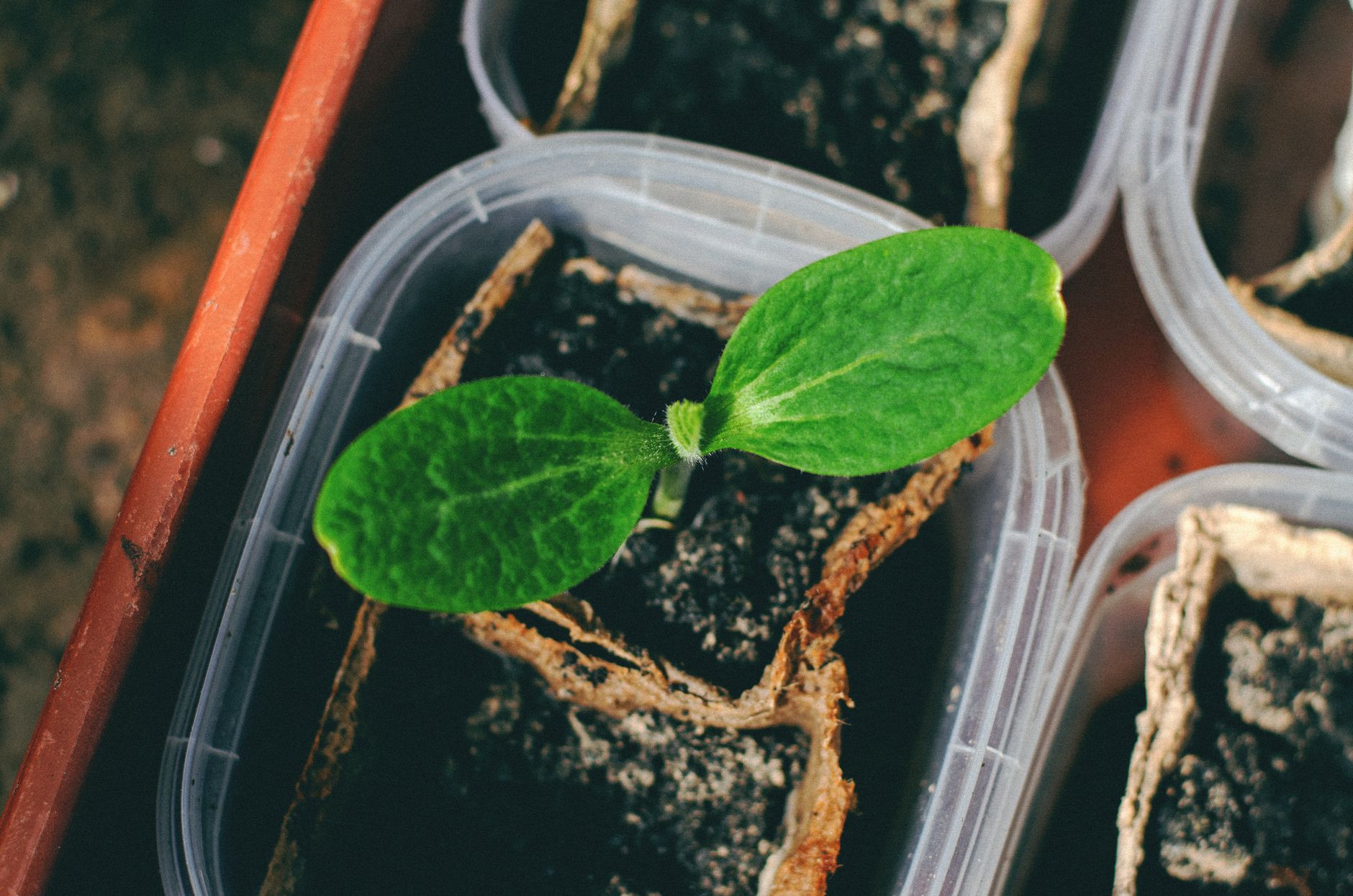
Problem: No growth after 8 weeks. The seed may be non-viable, or it's too cold. Try again with a fresh seed. Ensure temperature is 65-75°F.
Problem: Seed turns brown or mushy. Rot from overwatering. Change water more frequently. If severely rotted, start over.
Problem: Yellow leaves. Overwatering or nutrient deficiency. Let soil dry out more. Feed with a balanced fertilizer.
Problem: Brown leaf tips. Usually underwatering or too much fertilizer. Adjust watering. Flush soil with water if fertilizer burn is suspected.
Problem: Stem becomes leggy and stretched. Not enough light. Move to a brighter spot or add a grow light.
Problem: Leaves are curling or dropping. Stress from temperature changes or drafts. Move to a more stable environment.
Common problems and fixes
| Problem | Likely cause | What to do |
|---|---|---|
| Seed not sprouting after 8 weeks | Non-viable seed, too cold, or no light. | Try a fresh seed. Ensure temperature is 65-75°F. Place in a brighter spot. |
| Seed turning black or mushy in water | Rot from bacteria or not changing water. | Discard and start over. Change water weekly next time. |
| Seedling leaves turning yellow | Overwatering or nutrient deficiency. | Let soil dry out more. Fertilize with balanced fertilizer. |
| Stem is leggy and thin | Not enough light. | Move to a sunnier window or add a grow light. |
Gardener's checklist
Test what you learned
Which end of the avocado seed goes down into the water?
Answer: Flat end (bottom)
How often should you change the water when sprouting an avocado seed?
Answer: Every week
How long does it typically take for an avocado seed to sprout roots?
Answer: 2-6 weeks
Will a seed-grown avocado tree produce fruit identical to the parent?
Answer: No, it's not true-to-type
Common questions
How long does it take for an avocado seed to sprout?
Roots appear in 2-6 weeks, and a stem emerges in 4-8 weeks. Some seeds may take longer—up to 3 months.
Can I plant an avocado seed directly in soil?
Yes, you can plant it directly in soil with the pointed end up and the bottom 1 inch buried. It will take longer to sprout (6-12 weeks) but avoids transplant shock.
Do I need two avocado trees to get fruit?
Avocado trees are self-pollinating but produce more fruit with cross-pollination. Having two trees can improve fruit set, but a single tree may still produce some fruit.
Will my avocado tree grow indoors?
Yes, avocado trees make excellent houseplants. They can grow 6-10 feet tall indoors if given enough light. They may not fruit indoors, but they're beautiful.
How do I know if my avocado seed is dead?
If the seed turns dark brown, mushy, or shriveled, it's dead. A healthy seed is plump, brown, and firm. If it hasn't sprouted after 3 months, it's likely not viable.
Growing an avocado from seed is a fun, educational project that's perfect for gardeners of all ages. The toothpick method is the most popular and allows you to watch the entire germination process. Remember: pointed end up, flat end down, change the water weekly, and be patient—avocado seeds are slow. While seed-grown trees may take 5-13 years to bear fruit (and the fruit may not be true-to-type), the joy of nurturing a tree from a simple seed is its own reward. Whether it becomes a fruit-bearing tree or simply a beautiful houseplant, growing an avocado from seed is a journey worth taking.
Frequently asked questions
How often should a vegetable garden be watered?
Frequency depends on weather, soil and plant size. Check the soil rather than watering on a rigid schedule.
Is compost enough fertilizer?
Compost improves soil and provides nutrients slowly. Heavy-feeding crops may still need additional feeding.

The Sproutstead Editorial Team
We create clear, practical gardening and homesteading guides designed for real homes and beginner growers.
View author profile →

