Voles are small, mouse-like rodents that damage lawns, gardens, and trees by creating surface runways and eating roots, bulbs, and bark. To get rid of voles, use a combination of trapping (mousetraps or vole traps), repellents (castor oil, predator urine), and habitat modification (remove weeds, mow grass short, eliminate debris). Use live or snap traps baited with peanut butter or apple slices. Apply castor oil repellents to lawns and garden beds. Protect trees with hardware cloth or tree guards. Reduce vole habitat by keeping grass short and removing leaf litter and debris. Persistent problems may require professional pest control.
What you will need
Identify Vole Activity
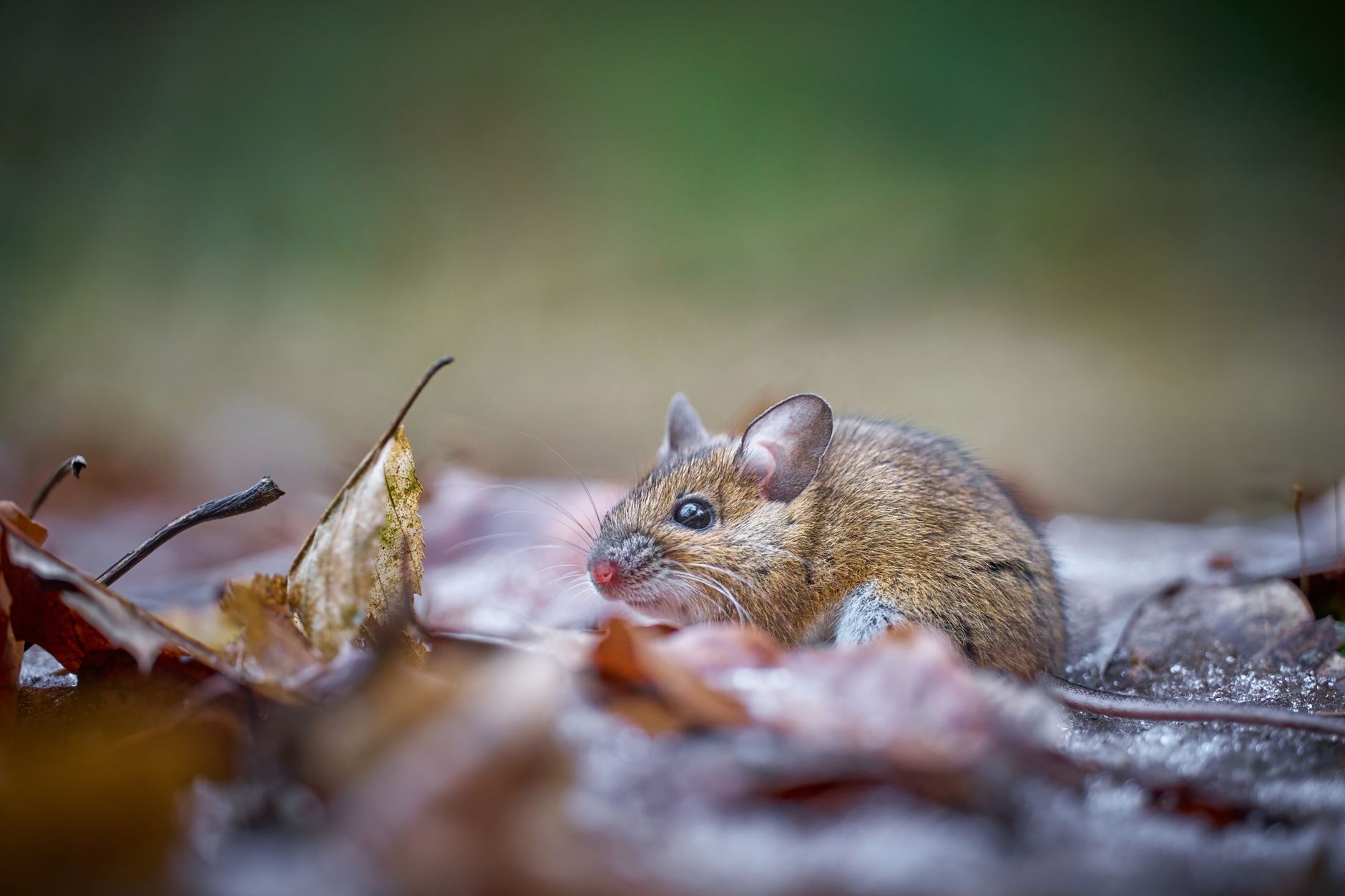
What they look like: Small, stocky rodents (4-6 inches long) with short tails, small ears, and a blunt nose. Brown or gray. Resemble mice but with shorter tails.
Where they live: Voles live in tunnels and runways at the soil surface, under mulch, and in tall grass. They don't dig deep burrows like moles.
Signs of activity: Surface runways (visible trails in grass), gnawed bark on trees and shrubs, damaged roots and bulbs, and small holes in the lawn.
When they're active: Voles are active year-round, day and night. They're most visible in spring and fall.
Difference from moles: Voles eat plants; moles eat insects. Voles create visible surface runways; moles create raised tunnels.
Use Traps Effectively

Best traps: Use snap traps (standard mousetraps or vole traps). Live traps can also be used but require relocation.
Bait: Use peanut butter, apple slices, oatmeal, or birdseed. Peanut butter is most effective.
Placement: Place traps perpendicular to runways (along the path voles travel). Set traps in areas of active feeding.
Setting: Set multiple traps (5-10) for best results. Space them 5-10 feet apart.
Checking: Check traps daily and reset as needed. Dispose of caught voles humanely.
Important: Wear gloves when handling traps to avoid leaving human scent.
Apply Natural Repellents

Castor oil: Mix 2 tablespoons of castor oil with 1 gallon of water. Spray on lawns and garden beds. Voles dislike the taste and smell.
Predator urine: Fox or coyote urine is available at garden centers. Sprinkle around the garden to deter voles.
Garlic spray: Blend 5-6 cloves of garlic with water and strain. Spray around plants and runways.
Hot pepper spray: Mix cayenne pepper with water and spray on plants.
Reapplication: Repellents need to be reapplied after rain and every 1-2 weeks.
Remove Habitat and Food Sources

Mow grass short: Voles like tall grass. Keep grass mowed to 2-3 inches to reduce cover.
Remove weeds: Remove weeds and brush from garden beds and property edges.
Eliminate debris: Remove leaf litter, woodpiles, and rock piles where voles nest.
Remove food sources: Clean up fallen fruit, birdseed, and pet food.
Create a barrier: Create a 5-10 foot buffer of bare or mulched ground around garden beds.
Protect Trees and Shrubs

Why it's important: Voles gnaw on the bark of young trees and shrubs, which can girdle and kill them.
What to use: Use 1/4-inch hardware cloth or plastic tree guards. The guard should be at least 2 feet tall.
How to install: Wrap the guard around the trunk, burying the bottom 2-3 inches in the soil to prevent voles from burrowing under.
Maintenance: Check guards regularly and adjust as the tree grows.
For bulbs: Plant bulbs in wire cages or use vole-resistant bulbs (daffodils, alliums).
Use Exclusion Barriers
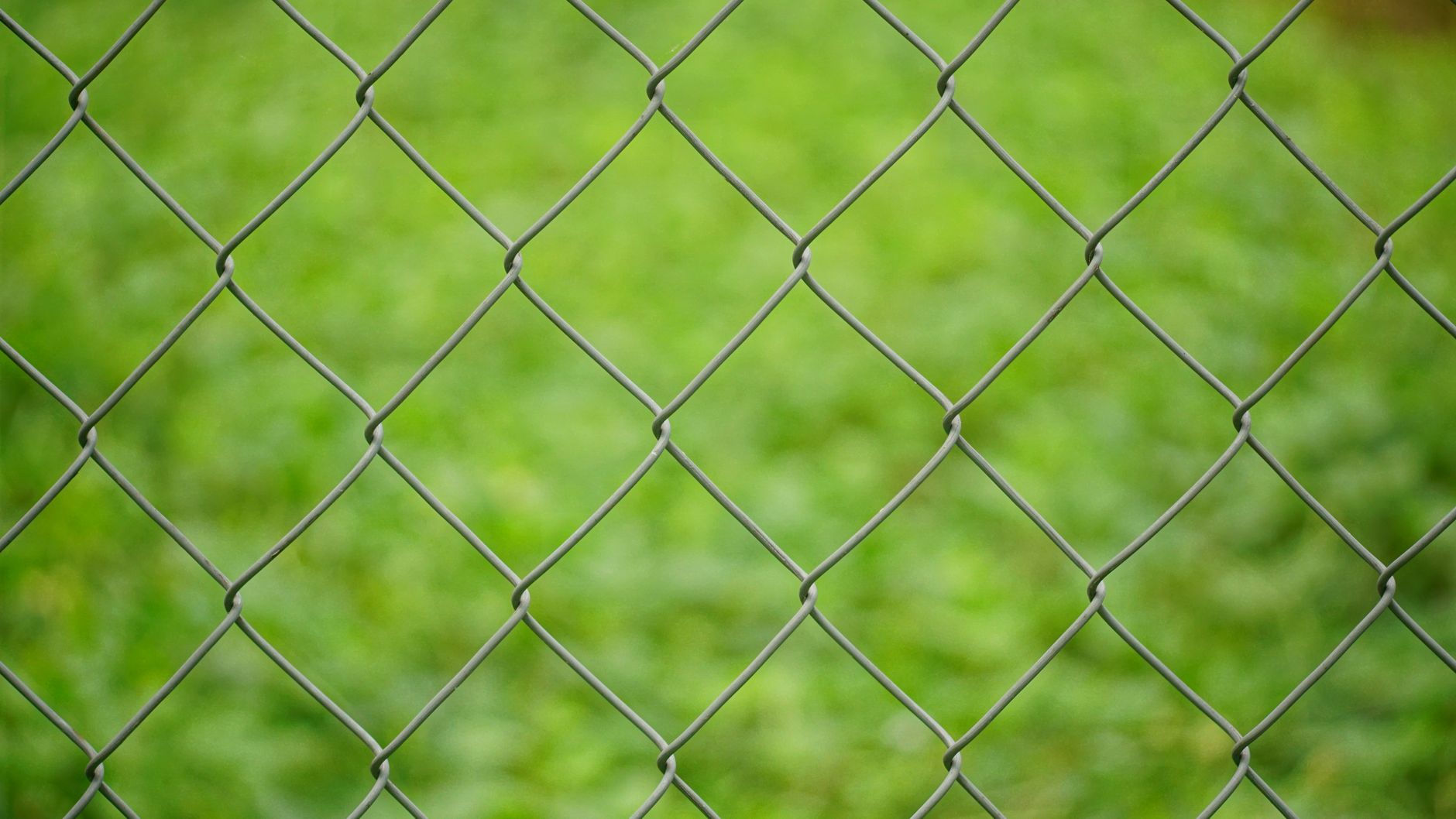
Hardware cloth: Use 1/4-inch hardware cloth around garden beds. Bury it 6-10 inches deep and bend it outward (L-shape) to prevent burrowing.
Fencing: A 12-inch high fence with 1/4-inch mesh buried 6 inches deep can exclude voles.
Raised beds: Raised beds with solid sides can help prevent vole access.
Under fences: Bury hardware cloth under fences and pathways to create a continuous barrier.
Consider Chemical Control (Limited Use)

When to consider: Chemical control should be a last resort after other methods have failed.
What to use: Use zinc phosphide baits or anticoagulant rodenticides. Follow label instructions carefully.
Safety: Use bait stations to prevent pets and other animals from accessing the poison.
Caution: Poisons are dangerous to pets, wildlife, and children. Use with extreme caution.
Professional help: Consider hiring a professional pest control service for chemical treatments.
Call a Professional
When to call: If you've tried DIY methods and voles persist, or if there's significant damage.
What they do: Professionals use trapping, baiting, and exclusion methods. They can also locate and seal entry points.
Cost: Professional wildlife removal costs $150-$500 depending on the extent of the problem.
What to look for: Choose a licensed, insured wildlife control professional. Look for humane methods.
Long-term solutions: Professionals can provide long-term solutions, including exclusion and habitat modification.
Common problems and fixes
| Problem | Likely cause | What to do |
|---|---|---|
| Voles returning quickly | Not removing habitat or new voles moving in. | Remove habitat, use traps, and maintain repellents. |
| Traps not catching voles | Wrong bait or trap placement. | Use peanut butter and place traps perpendicular to runways. |
| Trees damaged despite guards | Guards not installed correctly or too short. | Install guards 2 feet high and bury 2-3 inches deep. |
| Voles in the house | Open gaps or holes in the foundation. | Seal gaps with hardware cloth or steel wool. |
Gardener's checklist
Test what you learned
What is the most effective method for reducing vole populations?
Answer: Trapping
What is the best bait for vole traps?
Answer: Peanut butter
How high should a tree guard be to protect from voles?
Answer: 2 feet
What is a natural repellent for voles?
Answer: Castor oil
What is the difference between voles and moles?
Answer: Voles eat plants, moles eat insects
Common questions
Do voles damage lawns?
Yes, voles create surface runways and tunnels that damage lawns. They also eat grass roots, causing brown patches.
Can voles kill trees?
Yes, voles can girdle young trees by gnawing on the bark. This can kill the tree by cutting off the flow of nutrients.
How many voles live in an area?
Vole populations can range from a few to hundreds per acre, depending on habitat and food availability.
Do vole repellents work?
Castor oil and predator urine can be effective deterrents, but they need regular reapplication and are less effective than trapping.
Can I use poison for voles?
Poison can be effective but is dangerous to pets, wildlife, and children. Use bait stations and follow label instructions carefully. Consider professional help.
Voles are destructive garden pests that can damage lawns, gardens, and trees. The most effective approach is a combination of trapping, habitat modification, and exclusion. Use snap traps baited with peanut butter, mow grass short, remove debris, and protect trees with hardware cloth. Apply natural repellents like castor oil and predator urine for added deterrence. With persistence and a multi-method approach, you can successfully control vole populations and protect your garden.
Frequently asked questions
How often should a vegetable garden be watered?
Frequency depends on weather, soil and plant size. Check the soil rather than watering on a rigid schedule.
Is compost enough fertilizer?
Compost improves soil and provides nutrients slowly. Heavy-feeding crops may still need additional feeding.

The Sproutstead Editorial Team
We create clear, practical gardening and homesteading guides designed for real homes and beginner growers.
View author profile →