Crabgrass is an annual weed that germinates in spring and spreads rapidly in hot, dry conditions. The best way to control crabgrass is prevention: apply a pre-emergent herbicide (like corn gluten meal or chemical pre-emergent) in early spring before soil temperatures reach 55°F. Maintain a healthy, dense lawn by mowing high (3-4 inches) and watering deeply but infrequently. For existing crabgrass, pull it by hand (moist soil helps) or use a post-emergent herbicide (selective or non-selective). In fall, overseed bare patches to prevent crabgrass from establishing next year. A thick, healthy lawn is the best defense against crabgrass.
What you will need
Understand Crabgrass Biology

What it is: Crabgrass is an annual grass weed that grows in spreading clumps. It's a warm-season grass that thrives in hot, dry conditions.
Life cycle: Germinates in spring (soil temperature 55°F), grows all summer, produces seeds in late summer, and dies in fall. Seeds remain viable in the soil for years.
Why it's a problem: It spreads rapidly, crowds out desirable grass, and creates bare patches in the lawn.
When it's active: Crabgrass is most active in summer when the weather is hot and dry. It's less common in cool, moist conditions.
Prevention: The key to controlling crabgrass is preventing it from germinating in spring.
Apply Pre-Emergent Herbicide

When to apply: Apply pre-emergent herbicide in early spring (late March to mid-April) when soil temperatures are 50-55°F. This is before crabgrass seeds germinate.
What to use: Use a chemical pre-emergent (like prodiamine or dithiopyr) or corn gluten meal (organic).
How to apply: Follow label instructions. Apply evenly to the lawn. Water it in lightly to activate the product.
Timing: A second application 6-8 weeks later can provide season-long control.
Organic option: Corn gluten meal is a natural pre-emergent. Apply 20-40 pounds per 1,000 square feet.
Maintain a Healthy, Dense Lawn
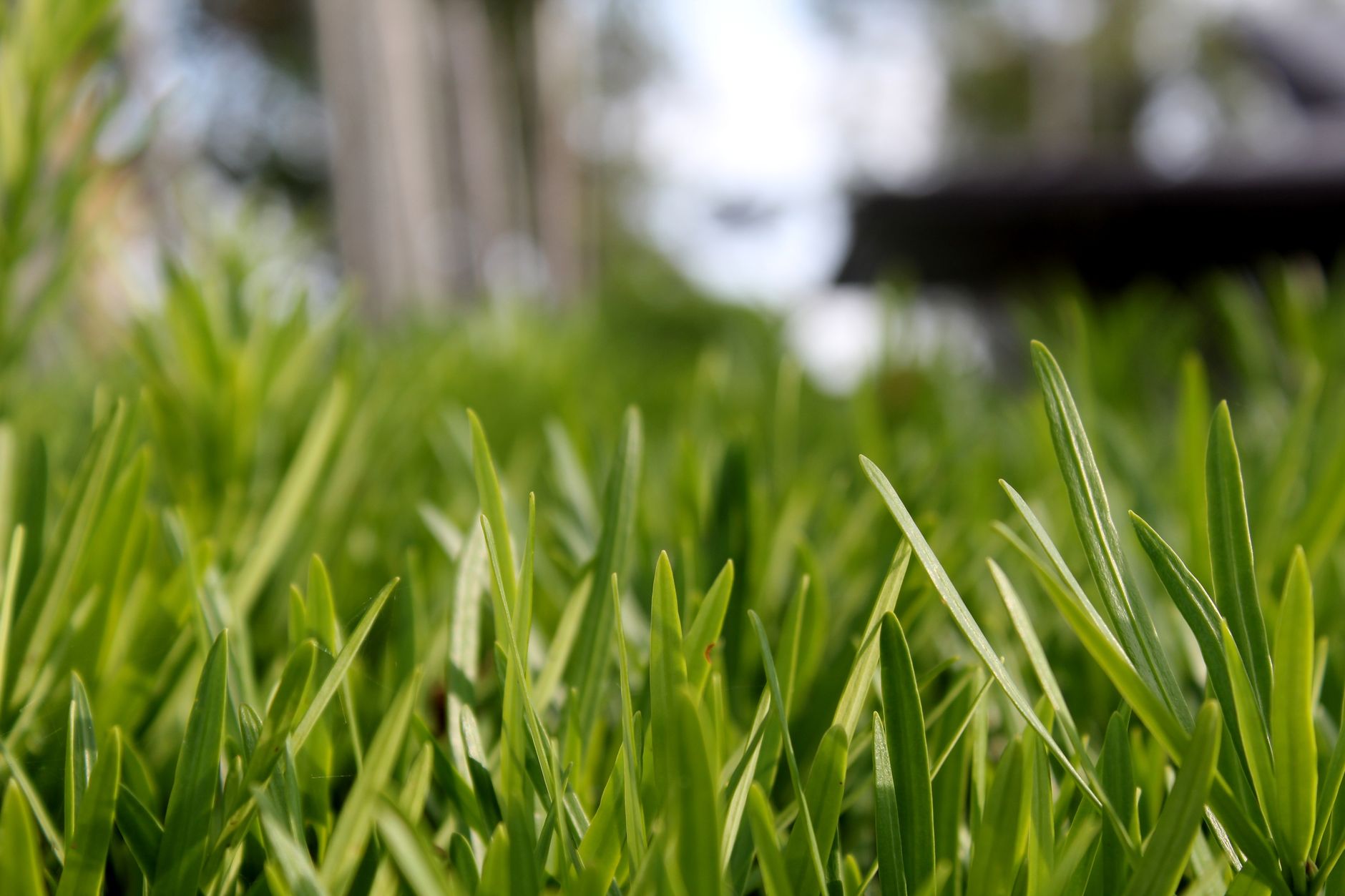
Why it works: A dense, healthy lawn leaves no room for crabgrass to establish. Crabgrass needs bare soil and sunlight to germinate.
Mowing: Mow high (3-4 inches) to shade the soil and prevent crabgrass seeds from germinating.
Watering: Water deeply and infrequently (1 inch per week). Shallow, frequent watering encourages crabgrass.
Fertilizing: Fertilize in spring and fall with a balanced fertilizer. Healthy grass outcompetes weeds.
Overseeding: Overseed bare patches in fall to thicken the lawn and prevent crabgrass in spring.
Pull Crabgrass by Hand

When to pull: Pull crabgrass when the soil is moist (after rain or watering). The roots come out more easily.
How to do it: Grasp the crabgrass at the base and pull firmly. Try to remove the entire root system.
Best time: Pull before the crabgrass goes to seed (mid-summer). A single plant can produce 150,000 seeds.
Tools: Use a weeding tool or hoe for larger infestations.
Disposal: Bag pulled crabgrass and throw it away—don't compost it.
Use Post-Emergent Herbicide

When to use: Apply post-emergent herbicide when crabgrass is actively growing (summer).
What to use: Use a selective herbicide specifically for crabgrass (like quinclorac or fenoxaprop).
How to apply: Follow label instructions. Apply on a sunny day when crabgrass is growing.
Timing: Young crabgrass (under 4 tillers) is easier to control. Apply in early summer for best results.
Caution: Avoid spraying on desirable grass—selective herbicides target crabgrass but can harm some grass types.
Apply Corn Gluten Meal

How it works: Corn gluten meal is a natural pre-emergent herbicide. It prevents crabgrass seeds from germinating.
When to apply: Apply in early spring (2-3 weeks before crabgrass germinates) and fall.
How to use: Spread corn gluten meal at a rate of 20-40 pounds per 1,000 square feet. Water it in lightly.
Benefits: It also adds nitrogen to the soil, acting as a fertilizer.
Limitations: It doesn't kill existing crabgrass—only prevents new seeds from germinating.
Overseed Bare Patches
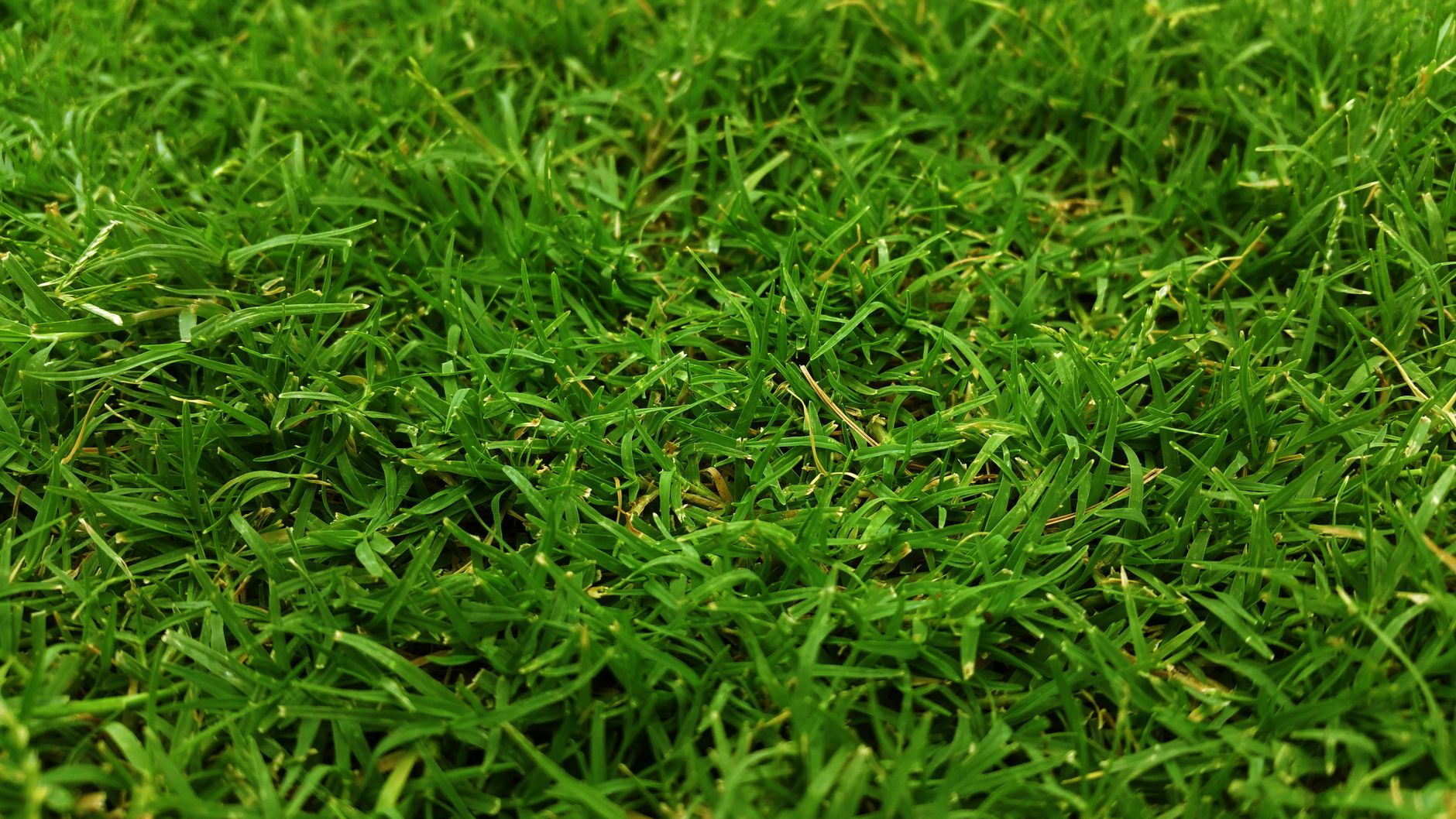
Why it's important: Crabgrass thrives in bare, disturbed soil. Filling bare patches prevents crabgrass from establishing.
When to overseed: Fall (August-September) is the best time to overseed. The soil is warm and there's less weed competition.
How to do it: Rake the area to expose soil. Spread grass seed and lightly cover with soil. Water regularly until established.
Benefits: A thick lawn prevents crabgrass seeds from germinating.
Maintenance: Keep the new grass mowed at 3-4 inches to shade the soil.
Prevent Future Crabgrass

Mow high: Keep grass at 3-4 inches to shade the soil and prevent crabgrass germination.
Water deeply: Water 1 inch per week, deeply and infrequently. Shallow watering encourages crabgrass.
Fertilize properly: Use a balanced fertilizer in spring and fall. Healthy grass outcompetes weeds.
Avoid bare soil: Fill bare patches immediately with grass seed or sod.
Annual pre-emergent: Apply pre-emergent herbicide every spring for consistent control.
Common problems and fixes
| Problem | Likely cause | What to do |
|---|---|---|
| Crabgrass keeps returning | Not using pre-emergent or missing the application window. | Apply pre-emergent in early spring (soil temperature 50-55°F). |
| Pre-emergent not working | Applied too late or not watered in. | Apply before soil reaches 55°F and water in lightly. |
| Crabgrass in bare patches | Bare soil from overseeding gaps. | Overseed in fall and maintain a thick lawn. |
| Post-emergent not killing crabgrass | Applied too late (crabgrass mature) or wrong product. | Apply when crabgrass is young (under 4 tillers) and use a product labeled for crabgrass. |
Gardener's checklist
Test what you learned
When should you apply pre-emergent herbicide for crabgrass?
Answer: Early spring (soil 50-55°F)
What mowing height helps prevent crabgrass?
Answer: 3-4 inches
What is a natural pre-emergent herbicide?
Answer: Corn gluten meal
When should you overseed to prevent crabgrass?
Answer: Fall
What watering practice discourages crabgrass?
Answer: Deep, infrequent watering
Common questions
Is crabgrass a perennial or annual?
Crabgrass is an annual weed. It germinates in spring, grows in summer, produces seeds, and dies in fall. The seeds overwinter and germinate the following spring.
Can I use salt to kill crabgrass?
Salt can kill crabgrass but also makes soil infertile. Not recommended for lawns—only for permanent areas like driveways.
Does vinegar kill crabgrass?
Household vinegar (5% acetic acid) may kill young crabgrass but is less effective on established plants. Horticultural vinegar (10-20%) is more effective.
How do I prevent crabgrass naturally?
Maintain a healthy, dense lawn (mow high, water deeply, fertilize), apply corn gluten meal in spring, and overseed bare patches in fall.
Can I use pre-emergent and overseed at the same time?
Pre-emergent herbicides prevent all seeds from germinating, including grass seed. Apply pre-emergent in spring and overseed in fall to avoid the conflict.
Crabgrass is a persistent annual weed that can be controlled with a combination of prevention and active management. Apply pre-emergent herbicide in early spring before soil temperatures reach 55°F. Maintain a healthy, dense lawn by mowing high (3-4 inches), watering deeply but infrequently, and fertilizing properly. For existing crabgrass, pull it by hand or use a post-emergent herbicide. Overseed bare patches in fall to prevent crabgrass from establishing next year. With consistent care, you can keep your lawn crabgrass-free.
Frequently asked questions
How often should a vegetable garden be watered?
Frequency depends on weather, soil and plant size. Check the soil rather than watering on a rigid schedule.
Is compost enough fertilizer?
Compost improves soil and provides nutrients slowly. Heavy-feeding crops may still need additional feeding.

The Sproutstead Editorial Team
We create clear, practical gardening and homesteading guides designed for real homes and beginner growers.
View author profile →