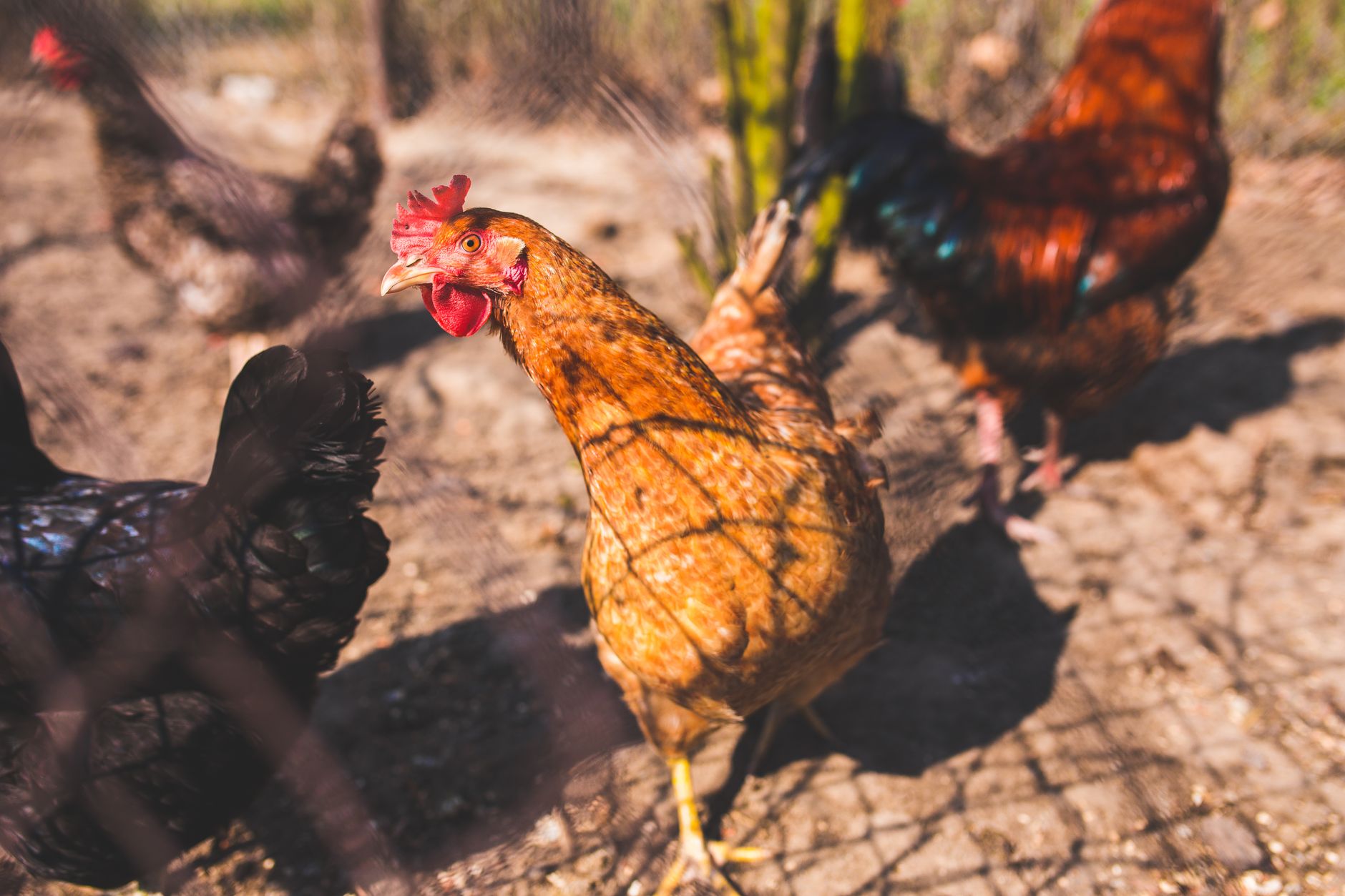
Tomato hornworms are large green caterpillars that can defoliate tomato plants in days. To get rid of them, hand-pick them off plants (they're most active at dusk). Use Bacillus thuringiensis (Bt) or spinosad for effective biological control. Introduce beneficial insects like braconid wasps—they parasitize hornworms. Attract birds and other natural predators. Use companion planting (basil, marigolds) to deter them. Rotate crops and till soil in fall to destroy pupae. Prevention is key: inspect plants daily, especially the undersides of leaves and stems. Hornworms are easy to spot once you know what to look for—their green color and white stripes make them blend in with tomato foliage.
What you will need
Identify Tomato Hornworms and Signs of Damage

What they look like: Large (3-4 inch), green caterpillars with white V-shaped stripes on their sides. They have a prominent horn at the rear.
Where to find them: On tomato, pepper, eggplant, and potato plants. They blend in with foliage.
Signs of damage: Defoliation (leaves eaten), stripped stems, dark green or black droppings (frass) on leaves and ground.
When they're active: Late spring to early fall. They feed during the day and are most active at dusk.
Why they're a problem: A single hornworm can eat large amounts of foliage and destroy tomato plants quickly.
Hand-Pick Hornworms

When to pick: Go out at dusk or early evening with a flashlight—hornworms are most active then.
How to do it: Pick hornworms off plants and drop them in a bucket of soapy water.
Where to look: Check leaves, stems, and the undersides of leaves.
Frequency: Check your plants daily during the growing season.
Tip: Look for dark droppings (frass) on leaves—they indicate a hornworm is nearby.
Use Bacillus thuringiensis (Bt)

How it works: Bt is a naturally occurring bacterium that produces a toxin that kills caterpillars when ingested.
How to use: Apply Bt to tomato plants in the evening when hornworms are active.
Application: Follow label instructions. Apply every 5-7 days.
Benefits: Bt is safe for beneficial insects, pets, and humans.
Timing: Apply when hornworms are actively feeding (spring to early fall).
Use Spinosad

How it works: Spinosad is a natural insecticide derived from soil bacteria. It kills hornworms on contact and by ingestion.
How to use: Apply to tomato plants in the evening when hornworms are active.
Application: Follow label instructions. Apply every 5-7 days.
Caution: Spinosad can harm bees—avoid applying during flowering.
Timing: Apply when hornworms are actively feeding.
Introduce Braconid Wasps

How it works: Braconid wasps lay eggs inside hornworms. The larvae feed on the hornworm, killing it.
How to identify: Look for white, rice-like cocoons on the back of a hornworm—these are braconid wasp cocoons.
What to do: If you see a hornworm with white cocoons, leave it! The wasps are doing their job.
How to attract: Plant flowers like dill, fennel, and yarrow to attract braconid wasps.
Benefits: They provide natural, long-term control.
Use Companion Planting

Basil: Plant basil near tomatoes to repel hornworms.
Marigolds: Marigolds deter many garden pests, including hornworms.
Dill: Dill attracts beneficial insects that prey on hornworms.
Borage: Borage attracts beneficial insects and improves tomato health.
Benefits: Companion planting is a natural, long-term pest control strategy.
Encourage Natural Predators

Birds: Many birds eat hornworms. Provide bird feeders and birdbaths.
Ground beetles: Ground beetles eat hornworms and their eggs.
Braconid wasps: Parasitic wasps that kill hornworms.
How to attract: Plant flowers to attract beneficial insects and provide habitat.
Benefits: Natural predators provide long-term, sustainable control.
Prevent Future Hornworm Problems
Rotate crops: Don't plant tomatoes in the same spot for 2-3 years.
Till soil in fall: Tilling exposes pupae to predators and weather.
Remove plant debris: Remove plant debris where hornworms may hide.
Inspect plants daily: Check tomato plants daily for signs of hornworms.
Use row covers: Use floating row covers to protect young plants.
Common problems and fixes
| Problem | Likely cause | What to do |
|---|---|---|
| Hornworms returning quickly | New eggs hatching or pupae in the soil. | Till soil in fall and inspect plants daily. |
| Bt not working | Applied too late or not enough coverage. | Apply in the evening when hornworms are actively feeding. |
| Hornworms on peppers | Hornworms also eat peppers and eggplants. | Apply the same control methods to all susceptible plants. |
| Hornworms in greenhouse | Moths entering the greenhouse. | Use screens and inspect plants daily. |
Gardener's checklist
Test what you learned
What do tomato hornworms look like?
Answer: Large green caterpillars with white stripes
What is the most effective method for small hornworm infestations?
Answer: Hand-picking
What biological control is effective against hornworms?
Answer: Bt (Bacillus thuringiensis)
What should you do if you see a hornworm with white cocoons?
Answer: Leave it
What companion plant deters hornworms?
Answer: Basil
Common questions
Do tomato hornworms bite humans?
No, tomato hornworms don't bite humans. They feed only on plant leaves.
Can hornworms kill tomato plants?
Yes, a single hornworm can defoliate a tomato plant in days. Multiple hornworms can destroy a plant quickly.
What do tomato hornworms turn into?
Tomato hornworms turn into the five-spotted hawk moth (a large, brown moth).
Are tomato hornworms poisonous?
No, tomato hornworms are not poisonous to humans or pets. They're safe to handle.
How do I prevent tomato hornworms?
Rotate crops, till soil in fall, inspect plants daily, use companion planting (basil, marigolds), and encourage natural predators.
Tomato hornworms can devastate tomato plants quickly, but you can control them with a combination of methods. Hand-pick hornworms at dusk—they're easiest to find then. Use Bt (Bacillus thuringiensis) or spinosad for effective biological control. If you see a hornworm with white cocoons, leave it—braconid wasps are natural predators that will kill it. Plant basil and marigolds as companion plants to deter hornworms. Rotate crops and till soil in fall to prevent future infestations. With persistence and a multi-method approach, you can keep tomato hornworms from damaging your plants.
Frequently asked questions
How often should a vegetable garden be watered?
Frequency depends on weather, soil and plant size. Check the soil rather than watering on a rigid schedule.
Is compost enough fertilizer?
Compost improves soil and provides nutrients slowly. Heavy-feeding crops may still need additional feeding.

The Sproutstead Editorial Team
We create clear, practical gardening and homesteading guides designed for real homes and beginner growers.
View author profile →