Gophers are burrowing rodents that eat roots, bulbs, and tubers, causing significant damage to gardens and lawns. The most effective control method is trapping with gopher traps (Macabee or Victor). Place traps in main tunnels and cover the opening. Apply repellents like castor oil or sonic spikes to deter gophers. Use exclusion barriers (hardware cloth) to protect raised beds and plant roots. Flooding or fumigation can be effective but is less consistent. Prevention is key: encourage natural predators (owls, hawks, snakes) and maintain a healthy landscape. Gophers are active year-round, so persistence is essential.
What you will need
Identify Gopher Activity

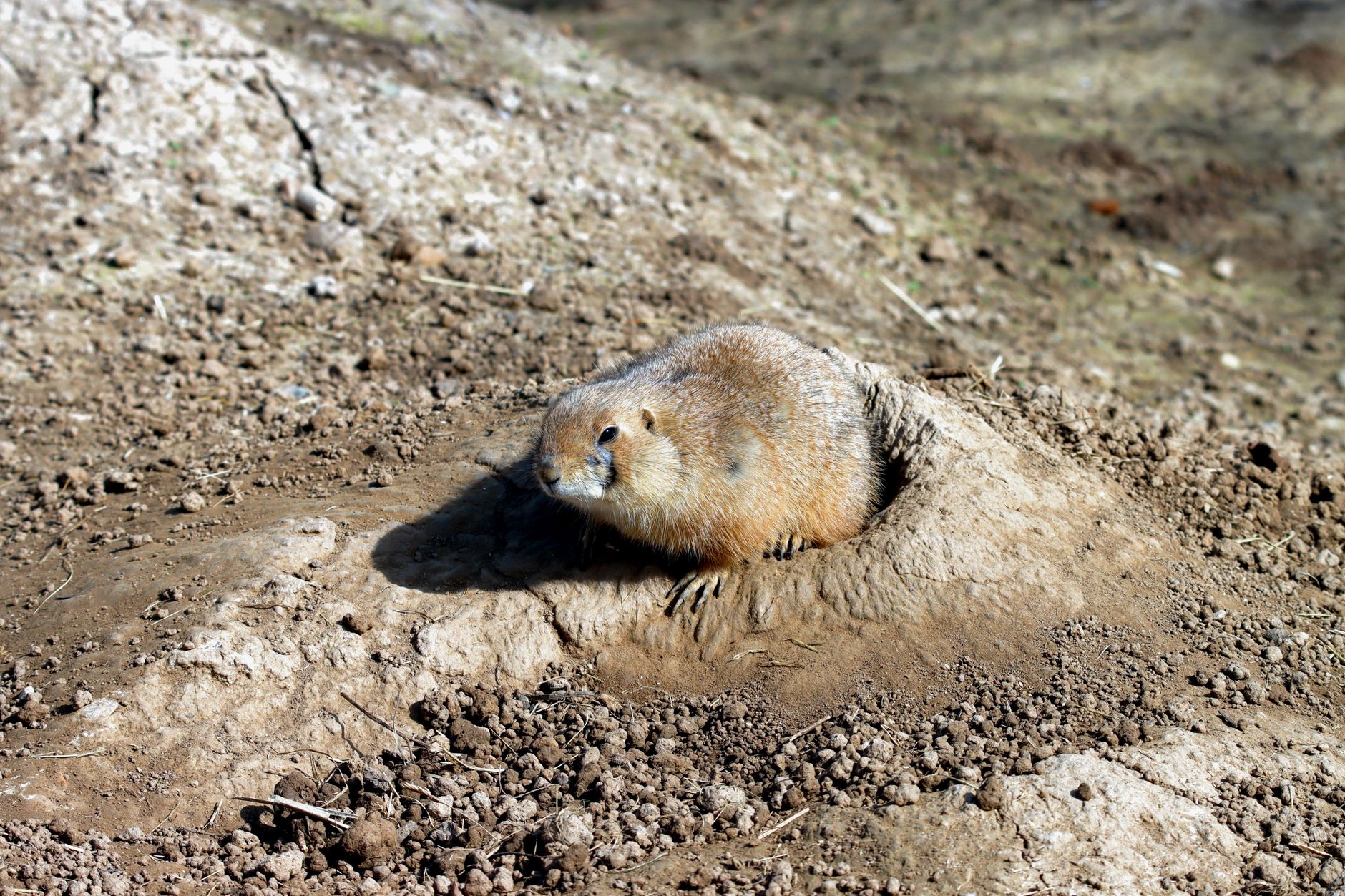
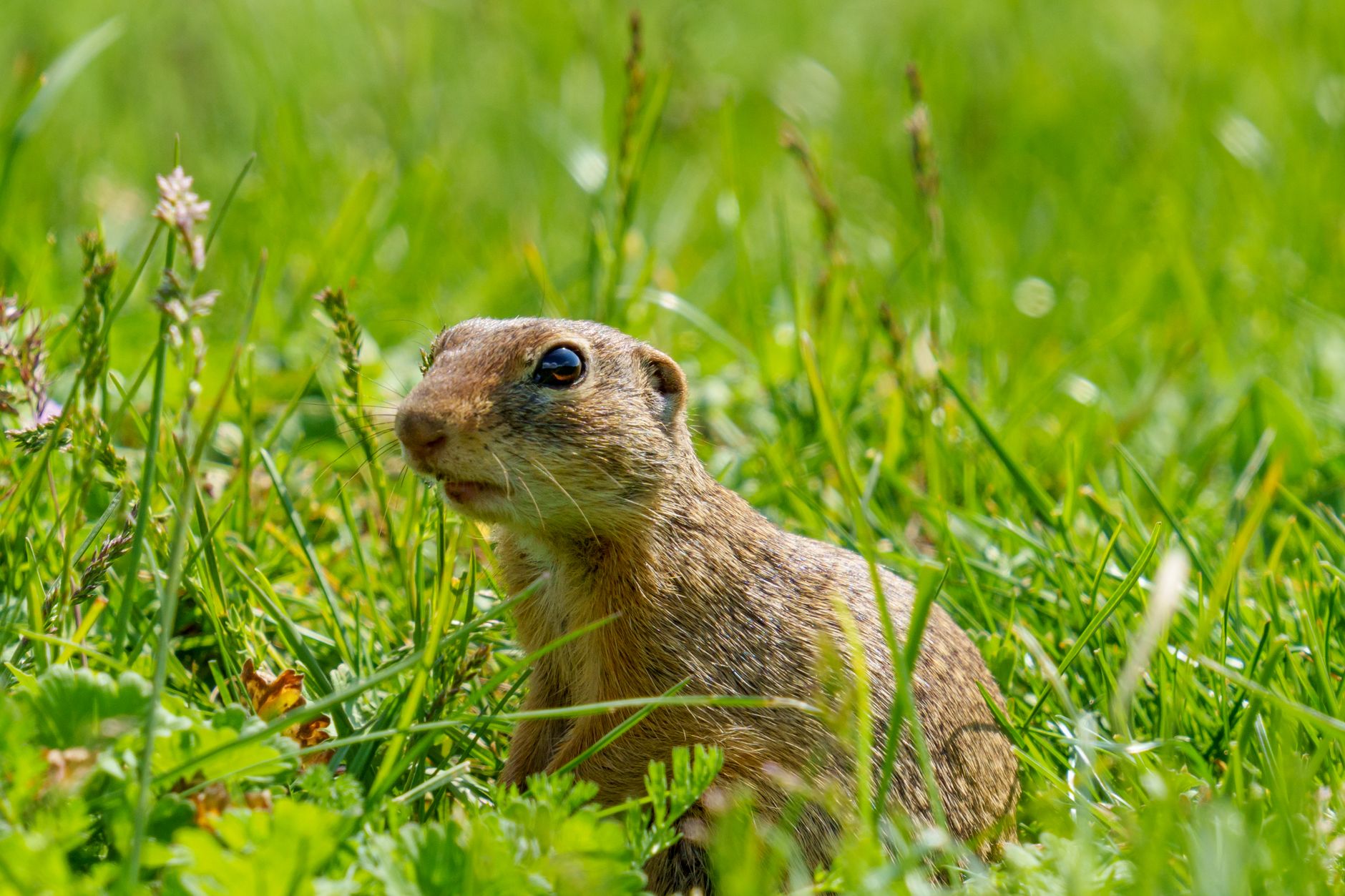
What they look like: Stocky rodents (5-10 inches long) with small ears, short tails, and large claws. They're brownish-gray.
Where they live: Gophers live in underground burrows. They push soil to the surface, creating crescent-shaped mounds.
Signs of activity: Fresh crescent-shaped mounds (3-6 inches wide), damaged roots and bulbs, wilting plants, and surface tunnels.
When they're active: Gophers are active year-round, but most active in spring and fall. They don't hibernate.
Why they're a problem: They eat roots, bulbs, and tubers. A single gopher can damage a large area.
Use Traps Effectively
Best traps: Use Macabee, Victor, or Cinch gopher traps. These are specifically designed for gophers.
How to set: 1) Locate the main tunnel (look for a fresh mound). 2) Dig into the tunnel. 3) Place two traps facing opposite directions. 4) Cover the opening with cardboard or sod.
Placement: Place traps in active tunnels (fresh mounds indicate activity). Set traps in the main runway.
Bait: Gopher traps don't need bait—they're triggered by the gopher passing through.
Checking: Check traps daily and reset as needed. Dispose of gophers humanely.
Apply Natural Repellents

Castor oil: Mix 2 tablespoons of castor oil with 1 gallon of water. Spray on lawns and garden beds. Gophers dislike the taste and smell.
Sonic spikes: Vibrating devices that emit sounds to deter gophers. Place them in the ground near active areas.
Predator urine: Fox or coyote urine is available at garden centers. Sprinkle around the garden to deter gophers.
Reapplication: Repellents need to be reapplied after rain and every 2-3 weeks.
Use Exclusion Barriers

Hardware cloth: Use 1/2-inch hardware cloth to line raised beds. Bury it 12-18 inches deep to prevent burrowing.
Raised beds: Line the bottom of raised beds with hardware cloth. This prevents gophers from burrowing up into the bed.
Tree protection: Protect young trees with wire cages. Bury the bottom 12 inches deep.
Fencing: Install a wire fence 12-18 inches deep and 6 inches above ground to keep gophers out.
Flood Gopher Tunnels

How it works: Flooding gopher tunnels forces gophers to the surface or drowns them.
How to do it: Insert a hose into the tunnel and turn on the water. Flood the system until water comes out of nearby mounds.
Best for: Small areas with isolated gopher activity.
Limitations: Gophers can escape to higher ground. Multiple floodings may be needed.
Safety: Be careful not to overwater or damage your lawn.
Use Fumigation
What it is: Fumigation products release gas that kills gophers in their burrows.
What to use: Use products specifically labeled for gopher control (like gopher bombs or smoke bombs).
How to use: Follow label instructions. Insert the product into the tunnel and seal the opening.
Safety: Be careful—fumigation products can be toxic. Follow all safety precautions.
Legality: Check local regulations—some areas restrict or prohibit fumigation.
Encourage Natural Predators

Predators: Owls, hawks, snakes, and coyotes eat gophers.
How to attract: Install owl boxes, provide perches for hawks, and maintain habitat for snakes.
Why it works: Natural predators provide long-term, sustainable control.
Benefits: It's free, humane, and environmentally friendly.
Tip: Keep grass short to allow predators to spot gopher activity.
Prevent Future Gopher Problems

Maintain a healthy landscape: A healthy garden is less attractive to gophers.
Install barriers: Use hardware cloth and wire fencing as permanent barriers.
Remove weeds: Weeds provide cover and food for gophers.
Avoid overwatering: Gophers are attracted to moist soil.
Monitor regularly: Check for fresh mounds regularly and take action early.
Common problems and fixes
| Problem | Likely cause | What to do |
|---|---|---|
| Gophers returning quickly | New gophers moving in or not removing habitat. | Use exclusion barriers and maintain a healthy landscape. |
| Traps not catching gophers | Wrong trap placement or inactive tunnel. | Place traps in active tunnels (fresh mounds). Use multiple traps. |
| Repellents not working | Gophers are already established. | Use trapping as the primary method. Repellents are less effective on established populations. |
| Gophers in raised beds | No hardware cloth barrier at the bottom. | Line the bottom of raised beds with 1/2-inch hardware cloth. |
Gardener's checklist
Test what you learned
What is the most effective method for gopher control?
Answer: Trapping
What is the best gopher trap?
Answer: Macabee or Victor
How deep should hardware cloth be buried to exclude gophers?
Answer: 12-18 inches
What is a natural repellent for gophers?
Answer: Castor oil
What are natural predators of gophers?
Answer: Owls
Common questions
Can gophers damage my house foundation?
Yes, gophers can burrow under foundations, causing structural damage. They can also damage pipes and irrigation systems.
Do gophers carry diseases?
Gophers can carry fleas and diseases (like plague). Avoid handling them and wear gloves when disposing of them.
How many gophers live in an area?
Gopher populations can range from 1-4 per acre in favorable conditions. They're territorial and don't live in large colonies.
Can I use poison for gophers?
Poison can be effective but is dangerous to pets and wildlife. Use with extreme caution. Consider trapping or professional help instead.
How do I prevent gophers naturally?
Encourage natural predators (owls, hawks, snakes), maintain a healthy landscape, and use hardware cloth barriers. Remove weeds and avoid overwatering.
Gophers are destructive burrowing pests that require persistence and a combination of methods to control. Trapping is the most effective approach—use Macabee or Victor traps in active tunnels. Apply castor oil repellents for deterrence, and install hardware cloth barriers for long-term protection. Encourage natural predators like owls and hawks for sustainable control. With consistent effort and a multi-method approach, you can successfully manage gopher populations and protect your garden.
Frequently asked questions
How often should a vegetable garden be watered?
Frequency depends on weather, soil and plant size. Check the soil rather than watering on a rigid schedule.
Is compost enough fertilizer?
Compost improves soil and provides nutrients slowly. Heavy-feeding crops may still need additional feeding.

The Sproutstead Editorial Team
We create clear, practical gardening and homesteading guides designed for real homes and beginner growers.
View author profile →