Root rot is a fungal disease caused by overwatering and poor drainage, leading to root decay and plant death. To treat root rot, remove the plant from the soil, trim away all dead, mushy, or dark roots with sterilized scissors. Repot the plant in fresh, well-draining soil and a clean pot. Reduce watering immediately and improve drainage. For severe cases, use a fungicide (like hydrogen peroxide or copper-based fungicide). Prevention is key: water only when the top 1-2 inches of soil are dry, ensure pots have drainage holes, and use well-draining soil. Root rot is most common in houseplants and container gardens.
What you will need
Identify Root Rot

Signs above ground: Wilting (even when soil is wet), yellowing leaves, leaf drop, stunted growth, and a general decline in plant health.
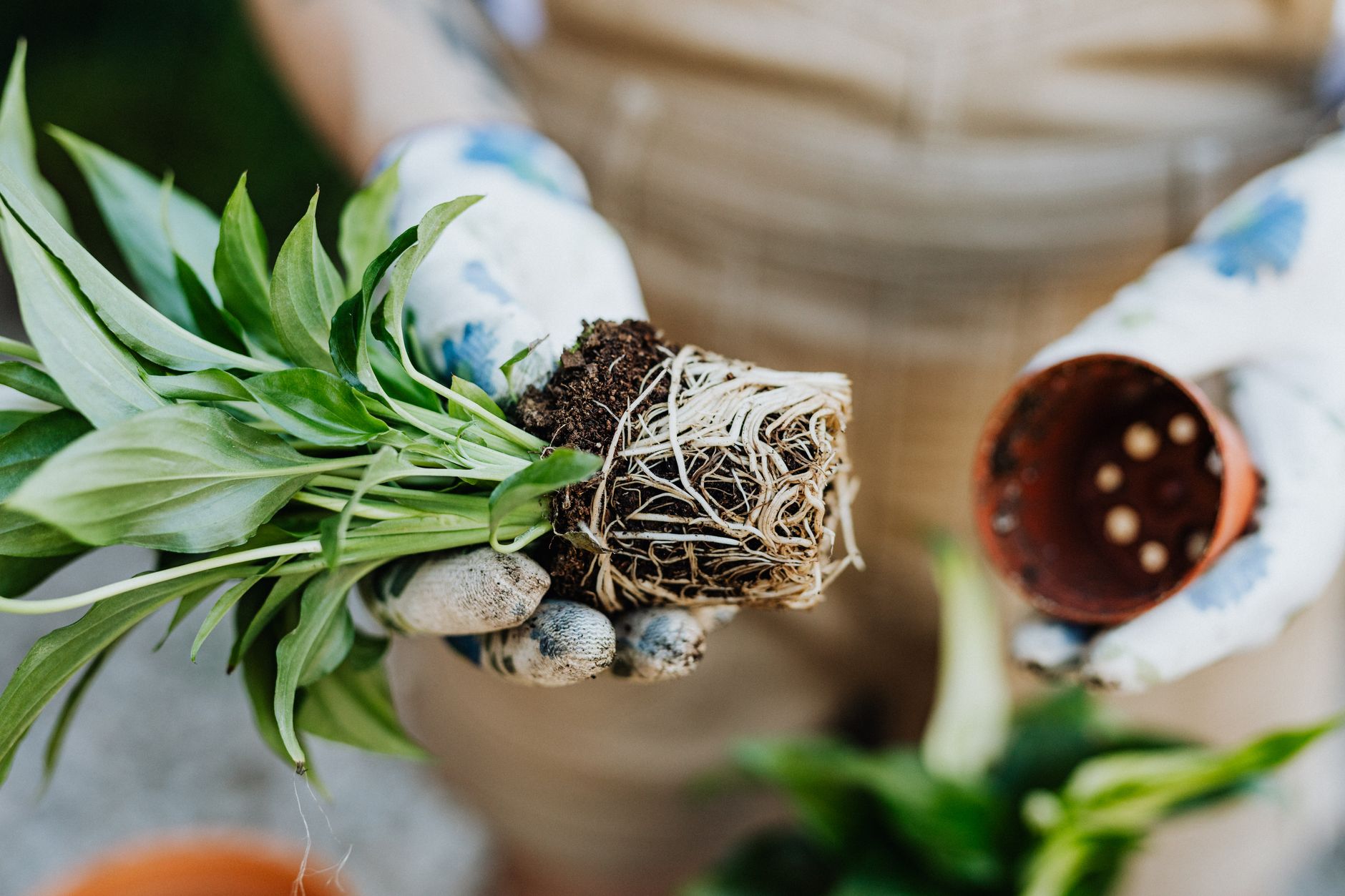
Signs below ground: Remove the plant from the pot and check the roots. Healthy roots are firm, white or light-colored, and have a fresh smell. Diseased roots are dark brown or black, mushy, soft, and may have a foul odor.
What causes it: Overwatering creates waterlogged soil, which suffocates roots and allows fungi (like Pythium, Phytophthora, or Fusarium) to attack.
Why it's a problem: Root rot prevents the plant from absorbing water and nutrients, leading to decline and death.
Act fast: Root rot spreads quickly. Early treatment gives the plant the best chance of survival.
Remove the Plant from the Soil

How to do it: Gently remove the plant from its pot. Support the base of the plant and turn the pot upside down.
Shake off soil: Gently shake off the old soil from the roots.
Inspect: Look for healthy roots (firm, white) and diseased roots (dark, mushy, soft).
Important: Work in a clean area. Sterilize your tools before use.
Trim Diseased Roots

How to do it: Use sterilized pruning shears or scissors to cut away all dead, mushy, or dark roots.
What to remove: Remove any roots that are soft, brown or black, or have a foul odor. Keep only firm, white or light-colored roots.
Be thorough: If you leave any diseased roots, the rot will spread.
Tools: Sterilize your tools with rubbing alcohol before and after use.
When to stop: Don't remove all roots—leave as many healthy roots as possible.
Treat with Fungicide

Hydrogen peroxide: Mix 1 part 3% hydrogen peroxide with 2 parts water. Dip or soak the remaining healthy roots in the solution for a few minutes.
How it works: Hydrogen peroxide kills pathogens and adds oxygen to the roots.
Copper-based fungicide: Apply according to label instructions. Copper fungicide is effective against many root rot fungi.
When to use: Use fungicide after trimming diseased roots and before repotting.
Caution: Don't overuse—fungicide can also harm beneficial soil organisms.
Repot in Fresh, Well-Draining Soil

Clean pot: Use a clean pot with drainage holes. Wash the pot with soap and water or a diluted bleach solution.
Fresh soil: Use fresh, well-draining potting soil. For houseplants, use a mix of potting soil, perlite, and sand.
How to repot: Place a layer of soil in the bottom of the pot. Position the plant and fill with soil, tamping gently.
Water: Water lightly after repotting—don't overwater.
Drainage: Ensure the pot has drainage holes and that excess water can escape.
Adjust Watering Habits
How much to water: Water only when the top 1-2 inches of soil are dry. Stick your finger in the soil to check.
Watering frequency: Water less frequently in winter and more in summer.
Drainage: Ensure excess water drains away. Never let plants sit in water.
Signs of overwatering: Yellowing leaves, wilting, and waterlogged soil.
Tips: Use a moisture meter to check soil moisture.
Prevent Future Root Rot

Use well-draining soil: Use potting mix with perlite, sand, or vermiculite for good drainage.
Ensure drainage: Use pots with drainage holes. Add a layer of gravel at the bottom.
Water properly: Water only when the soil is dry. Don't overwater.
Avoid overcrowding: Overcrowded roots can lead to poor drainage.
Monitor: Check your plants regularly for signs of root rot.
When to Discard the Plant

When to discard: If more than 70-80% of the roots are diseased, the plant may not recover.
Why discard: The plant will continue to decline and may spread the disease to other plants.
How to discard: Dispose of the plant and soil in the trash (not the compost bin).
Clean pot: If you want to reuse the pot, wash it thoroughly with soap and water or a bleach solution.
Prevent spread: Isolate infected plants from healthy ones.
Common problems and fixes
| Problem | Likely cause | What to do |
|---|---|---|
| Plant not recovering after treatment | Too many roots damaged or the plant is too far gone. | If the plant doesn't recover, discard it and start with a healthy plant. |
| Root rot returning quickly | Overwatering or poor drainage again. | Adjust watering habits and improve drainage. |
| Mold on soil surface | Too much moisture and poor air circulation. | Reduce watering and improve air circulation. |
| Fungus gnats | Overwatering and damp soil. | Reduce watering and use sticky traps to catch adult gnats. |
Gardener's checklist
Test what you learned
What is the primary cause of root rot?
Answer: Overwatering and poor drainage
What do healthy roots look like?
Answer: Firm and white or light-colored
What should you use to sterilize pruning tools?
Answer: Rubbing alcohol
What can you use to treat root rot?
Answer: Hydrogen peroxide (3%)
How can you prevent root rot?
Answer: Use well-draining soil and water when soil is dry
Common questions
Can root rot kill a plant?
Yes, root rot can kill a plant if left untreated. It prevents the plant from absorbing water and nutrients, leading to decline and death.
Does hydrogen peroxide kill root rot?
Yes, hydrogen peroxide (3%) can help kill root rot fungi and add oxygen to the soil. Mix 1 part peroxide with 2 parts water and soak the roots.
Can I save a plant with root rot?
Yes, if caught early. Remove the plant from the soil, trim diseased roots, treat with fungicide, and repot in fresh, well-draining soil.
How do I prevent root rot in houseplants?
Water only when the top 1-2 inches of soil are dry, use well-draining soil, and ensure pots have drainage holes.
Can root rot spread to other plants?
Yes, root rot pathogens can spread through contaminated soil, water, and tools. Always isolate infected plants and sterilize tools.
Root rot is a common plant disease caused by overwatering and poor drainage, but it can be treated and prevented. Identify root rot early by looking for wilting, yellowing leaves, and mushy, dark roots. To treat, remove the plant from the soil, trim diseased roots, treat with hydrogen peroxide or fungicide, and repot in fresh, well-draining soil. Prevent root rot by watering only when the top 1-2 inches of soil are dry, using well-draining soil, and ensuring pots have drainage holes. With early action and proper care, you can save your plant from root rot.
Frequently asked questions
How often should a vegetable garden be watered?
Frequency depends on weather, soil and plant size. Check the soil rather than watering on a rigid schedule.
Is compost enough fertilizer?
Compost improves soil and provides nutrients slowly. Heavy-feeding crops may still need additional feeding.

The Sproutstead Editorial Team
We create clear, practical gardening and homesteading guides designed for real homes and beginner growers.
View author profile →