Clover is a persistent perennial weed that can take over lawns. To get rid of clover, use a selective broadleaf herbicide (like 2,4-D or dicamba) in spring or fall. For natural control, apply corn gluten meal as a pre-emergent in spring to prevent seeds from germinating. Improve lawn health by mowing higher (3-4 inches), watering deeply, and fertilizing properly—a thick lawn crowds out clover. Pull clover by hand (moist soil helps) and apply vinegar or boiling water for spot treatments. Clover fixes nitrogen, so reducing nitrogen fertilizer can help. White clover is the most common lawn invader.
What you will need
Identify Clover and Understand Its Growth
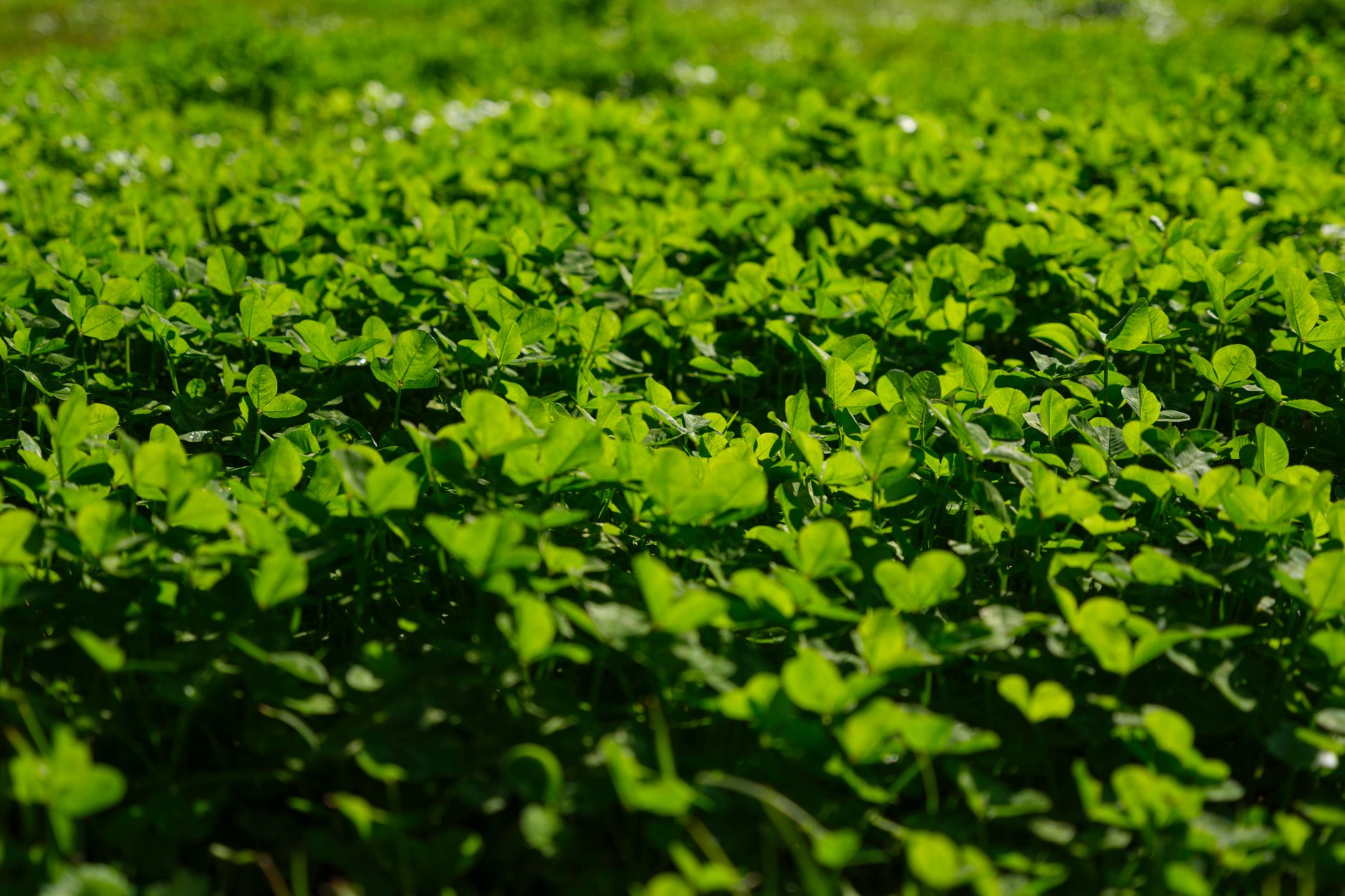
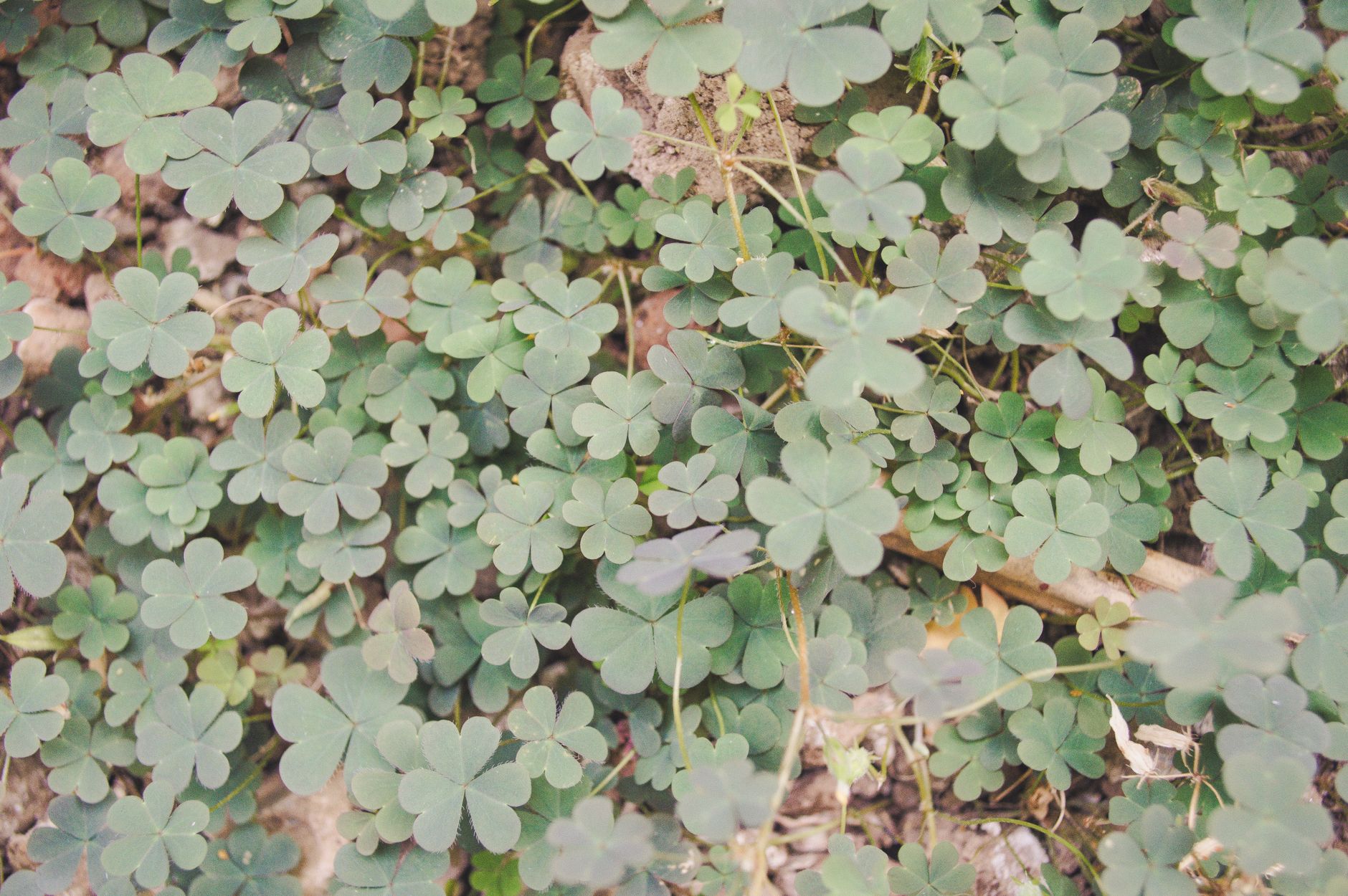
What it looks like: Low-growing plant with three-leaf clusters (trifoliate). Leaves have a distinctive white or light green chevron marking. Produces white or pink flowers.
How it spreads: By stolons (creeping stems) and seeds. It spreads rapidly in lawns with low nitrogen.
Why it's a problem: It competes with grass for space and nutrients. It can create patches and an uneven lawn.
Best time to control: Spring or fall when clover is actively growing.
Why it appears: Clover often appears in lawns with low nitrogen fertility. It fixes its own nitrogen, so it thrives where grass is struggling.
Use Broadleaf Herbicides

When to use: Apply in spring or fall when clover is actively growing.
What to use: Use a selective broadleaf herbicide containing 2,4-D, dicamba, or triclopyr.
How to apply: Follow label instructions. Apply on a calm day when the temperature is 60-80°F.
Spot treatment: For isolated patches, use a spray bottle for spot treatment.
Caution: Avoid spraying on windy days—it can drift and harm desirable plants.
Reapplication: A second application 2-3 weeks later may be needed for full control.
Apply Corn Gluten Meal

How it works: Corn gluten meal is a natural pre-emergent herbicide. It prevents clover seeds from germinating.
When to apply: Apply in spring (2-3 weeks before seeds germinate) and fall.
How to use: Spread corn gluten meal at a rate of 20-40 pounds per 1,000 square feet. Water it in lightly.
Benefits: It also adds nitrogen to the soil, acting as a fertilizer.
Limitations: It doesn't kill existing clover—only prevents new seeds from germinating.
Improve Lawn Health
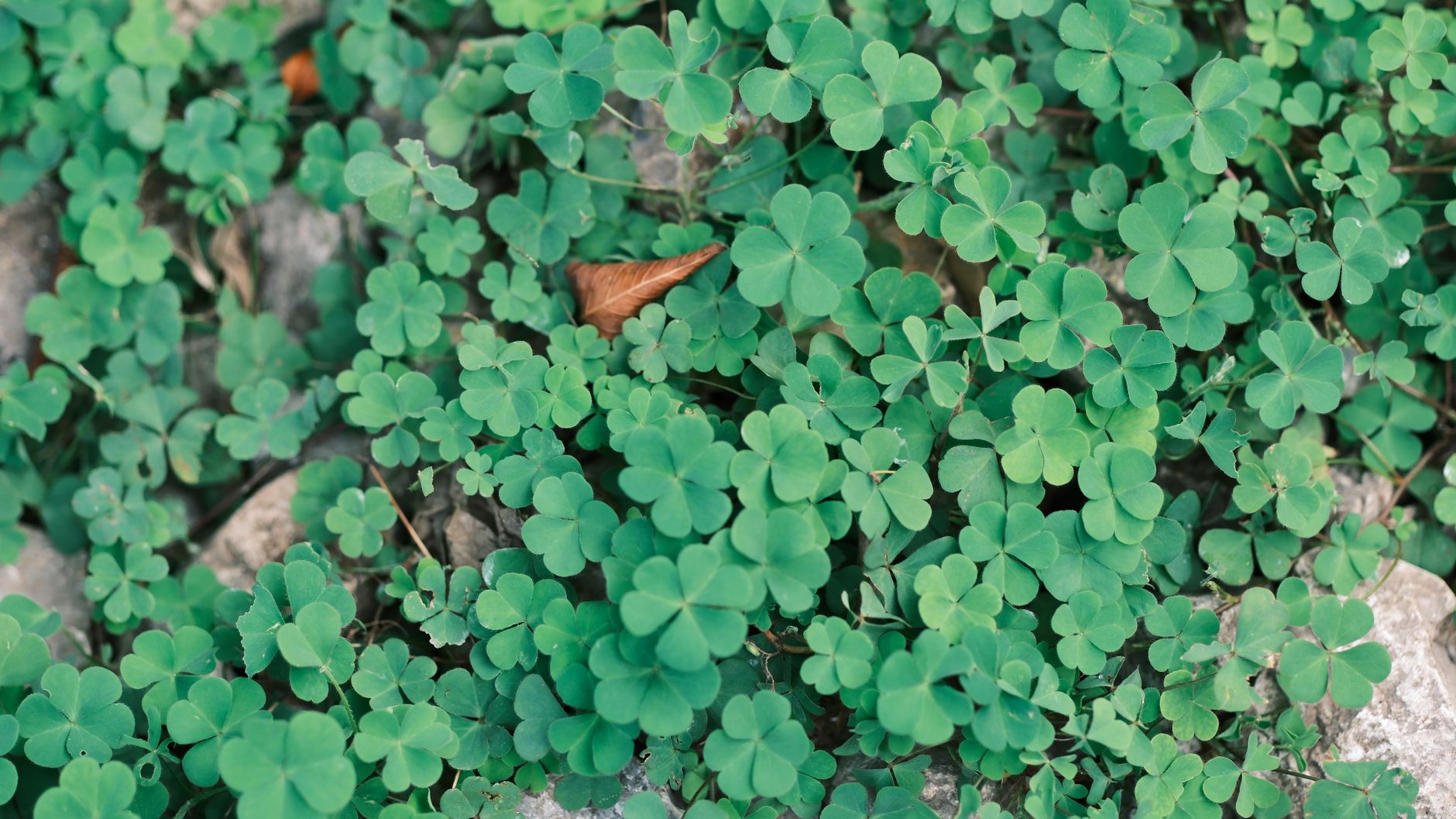
Mow high: Keep grass at 3-4 inches to shade the soil and prevent clover seeds from germinating.
Fertilize properly: Clover thrives in low-nitrogen lawns. Use a balanced fertilizer to promote grass growth.
Water deeply: Water 1 inch per week, deeply and infrequently.
Aerate: Aerate the lawn to reduce compaction and improve grass health.
Overseed: Fill bare patches with grass seed in fall to prevent clover.
Pull Clover by Hand
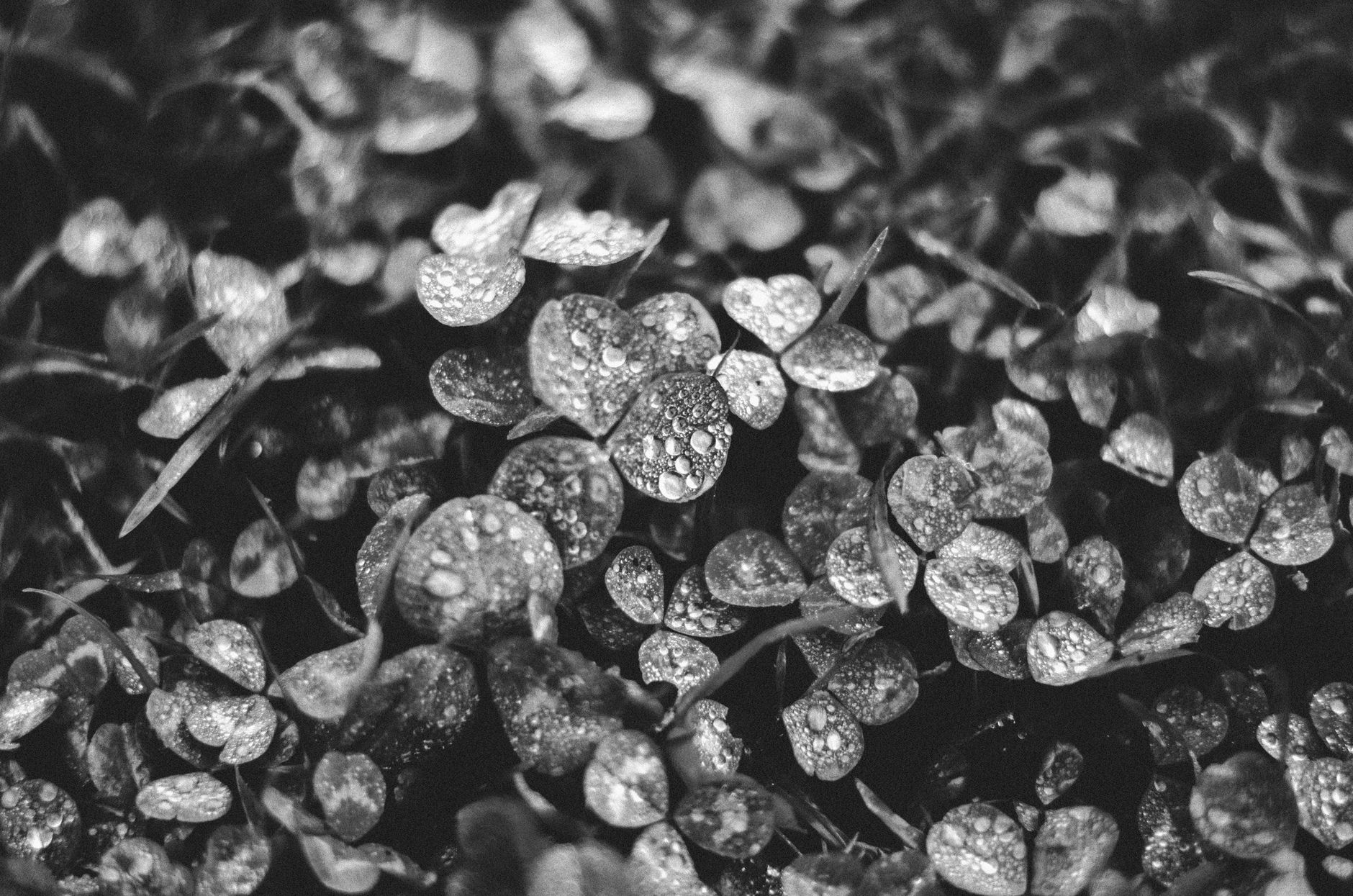
When to pull: Pull clover when the soil is moist (after rain or watering). The roots come out more easily.
How to do it: Grasp the clover at the base and pull firmly. Try to remove the entire root system.
Tools: Use a weeding tool or dandelion digger for deeper roots.
Frequency: Pull as soon as you see clover. Prevent it from spreading.
Disposal: Bag pulled clover and throw it away—don't compost it.
Use Vinegar or Boiling Water
How it works: Vinegar (acetic acid) draws moisture from plant cells, causing them to dry out and die.
How to use: Spray vinegar directly on clover. Use household vinegar (5%) or horticultural vinegar (10-20%).
Boiling water: Pour boiling water directly on clover patches.
Best for: Small infestations and isolated patches.
Caution: Vinegar can harm grass—apply carefully.
Adjust Nitrogen Levels

Why it works: Clover fixes its own nitrogen, so it thrives in low-nitrogen lawns. Adding nitrogen gives grass a competitive advantage.
How to do it: Apply a nitrogen-rich fertilizer in spring and fall.
How much: Follow soil test recommendations. Avoid over-fertilizing.
Organic options: Compost, aged manure, or blood meal are good organic nitrogen sources.
Results: Grass will outcompete clover when nitrogen levels are adequate.
Prevent Future Clover Problems

Maintain a healthy lawn: A thick, dense lawn crowds out clover.
Mow high: Keep grass at 3-4 inches to shade the soil.
Fertilize properly: Use a balanced fertilizer to promote grass growth.
Apply corn gluten meal: Use as a natural pre-emergent in spring.
Overseed: Fill bare patches in fall to prevent clover.
Common problems and fixes
| Problem | Likely cause | What to do |
|---|---|---|
| Clover keeps returning | Seeds in the soil or low nitrogen levels. | Apply corn gluten meal and adjust nitrogen levels. |
| Herbicide not working | Applied at the wrong time or incorrect product. | Apply in spring or fall when clover is actively growing. |
| Clover in bare patches | Bare soil from overseeding gaps. | Overseed in fall and maintain a thick lawn. |
| Vinegar harming grass | Sprayed too much or in a large area. | Use spot treatment only. Protect grass with a shield. |
Gardener's checklist
Test what you learned
What is the most effective chemical control for clover?
Answer: Broadleaf herbicide (2,4-D)
What is a natural pre-emergent for clover?
Answer: Corn gluten meal
Why does clover thrive in some lawns?
Answer: Low nitrogen
When should you apply broadleaf herbicide for clover?
Answer: Spring or fall
What is the best way to prevent clover?
Answer: A healthy lawn
Common questions
Is clover bad for lawns?
Clover is not bad for lawns—it fixes nitrogen and can improve soil. However, many people consider it a weed because it creates an uneven appearance.
Can I use salt to kill clover?
Salt can kill clover but also makes soil infertile. Not recommended for lawns—only for permanent areas like driveways.
Does clover spread quickly?
Yes, clover spreads by stolons (creeping stems) and seeds. It can quickly take over a lawn if left unchecked.
How do I prevent clover naturally?
Maintain a healthy lawn (mow high, fertilize, water deeply), apply corn gluten meal in spring, and pull clover before it spreads.
Can I use pre-emergent and overseed at the same time?
Pre-emergent herbicides prevent all seeds from germinating, including grass seed. Apply pre-emergent in spring and overseed in fall.
Clover is a persistent lawn weed, but it can be controlled with a combination of methods. Use a selective broadleaf herbicide in spring or fall for effective chemical control. Apply corn gluten meal as a natural pre-emergent to prevent seeds from germinating. Maintain a healthy lawn by mowing high, watering deeply, and fertilizing properly—a thick lawn is the best defense. Pull clover by hand and use vinegar or boiling water for spot treatments. Adjust nitrogen levels to give grass a competitive advantage. With consistent care, you can keep your lawn clover-free.
Frequently asked questions
How often should a vegetable garden be watered?
Frequency depends on weather, soil and plant size. Check the soil rather than watering on a rigid schedule.
Is compost enough fertilizer?
Compost improves soil and provides nutrients slowly. Heavy-feeding crops may still need additional feeding.

The Sproutstead Editorial Team
We create clear, practical gardening and homesteading guides designed for real homes and beginner growers.
View author profile →