Freeze most vegetables by blanching first, briefly boiling for 1-5 minutes depending on the vegetable, then immediately plunging into ice water to stop cooking. This deactivates enzymes that would otherwise cause color, flavor, and nutrient loss during frozen storage. Flash freeze pieces on a tray before transferring to freezer bags, which prevents clumping and makes it easy to use only the amount you need. Properly blanched and frozen vegetables maintain good quality for 8-12 months.
What you will need
Understand Why Blanching Matters
Vegetables contain natural enzymes that continue functioning even after harvest, gradually breaking down color, flavor, texture, and nutrient content over time, a process that continues even in frozen storage if not addressed first.
Blanching, briefly boiling or steaming vegetables before freezing, deactivates these enzymes, which is why properly blanched frozen vegetables maintain noticeably better quality over their storage life than vegetables frozen raw.
Skipping blanching doesn't make food unsafe, but it does result in frozen vegetables that develop off flavors, mushy or tough textures, and faded color considerably faster than their properly blanched counterparts.
Not all vegetables need blanching; some, like onions, peppers, and herbs, freeze reasonably well without this step, since their composition doesn't suffer from the same enzymatic degradation that affects most other vegetables.
This guide's core technique, blanch, shock in ice water, then freeze, applies broadly across most common vegetables, though specific timing varies by type as covered in the following steps.
Prepare Vegetables for Blanching
Choose fresh, high-quality vegetables at peak ripeness, since freezing preserves whatever quality you start with rather than improving it, similar to the same principle that applies to canning.
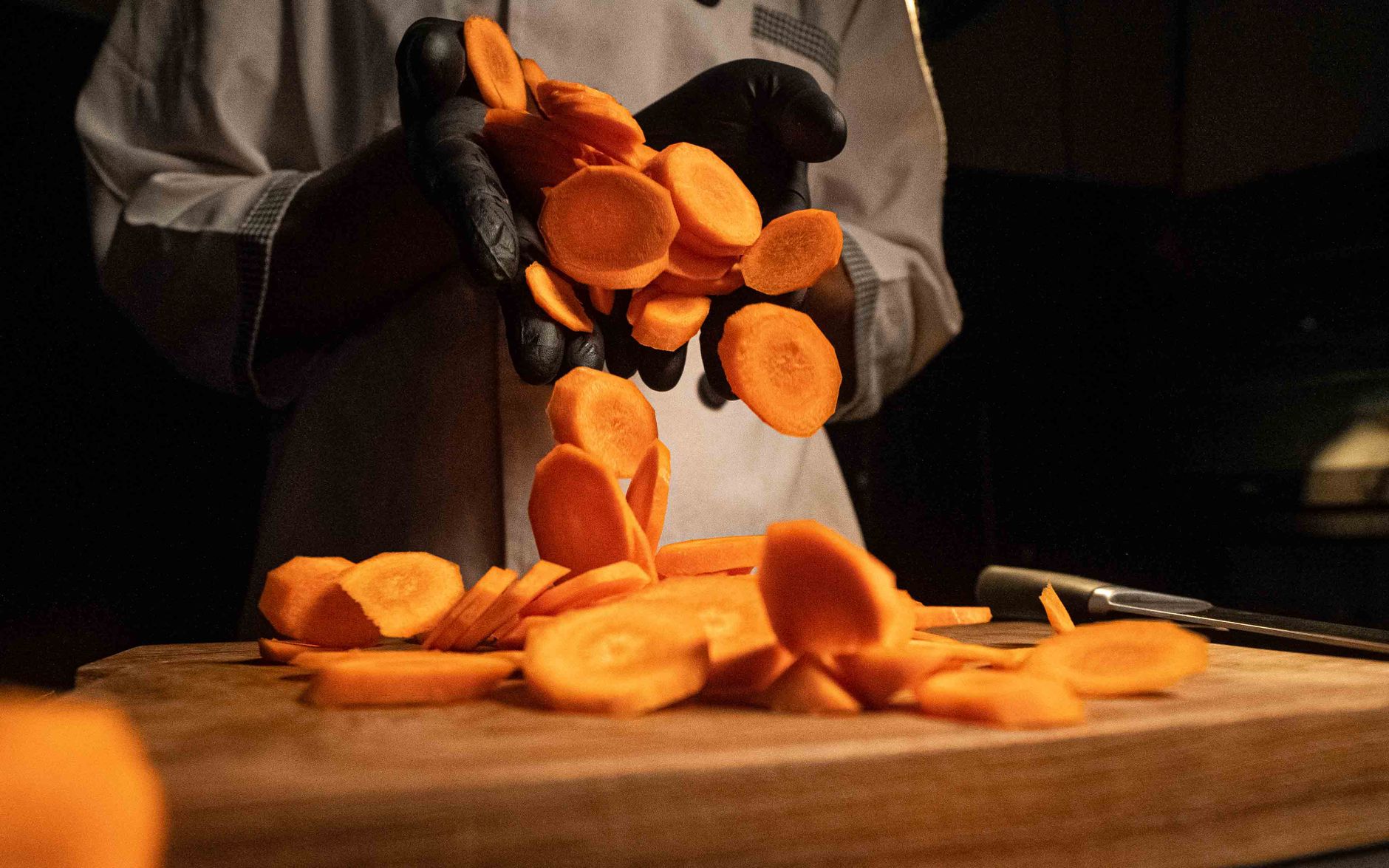
Wash vegetables thoroughly, then cut into your desired size and shape, whether that's whole small items like peas, or chopped pieces for larger vegetables like broccoli or carrots.
Cut vegetables to a consistent size, since uniform pieces blanch more evenly than a mix of very large and very small pieces processed together in the same batch.
Work through your vegetables promptly once harvested or purchased, since delays before freezing allow quality to decline even before the actual preservation process begins.
Have your blanching pot, ice water bath, and any other equipment ready before you begin, since the blanching process moves through time-sensitive steps once started.
Blanch According to Vegetable-Specific Timing
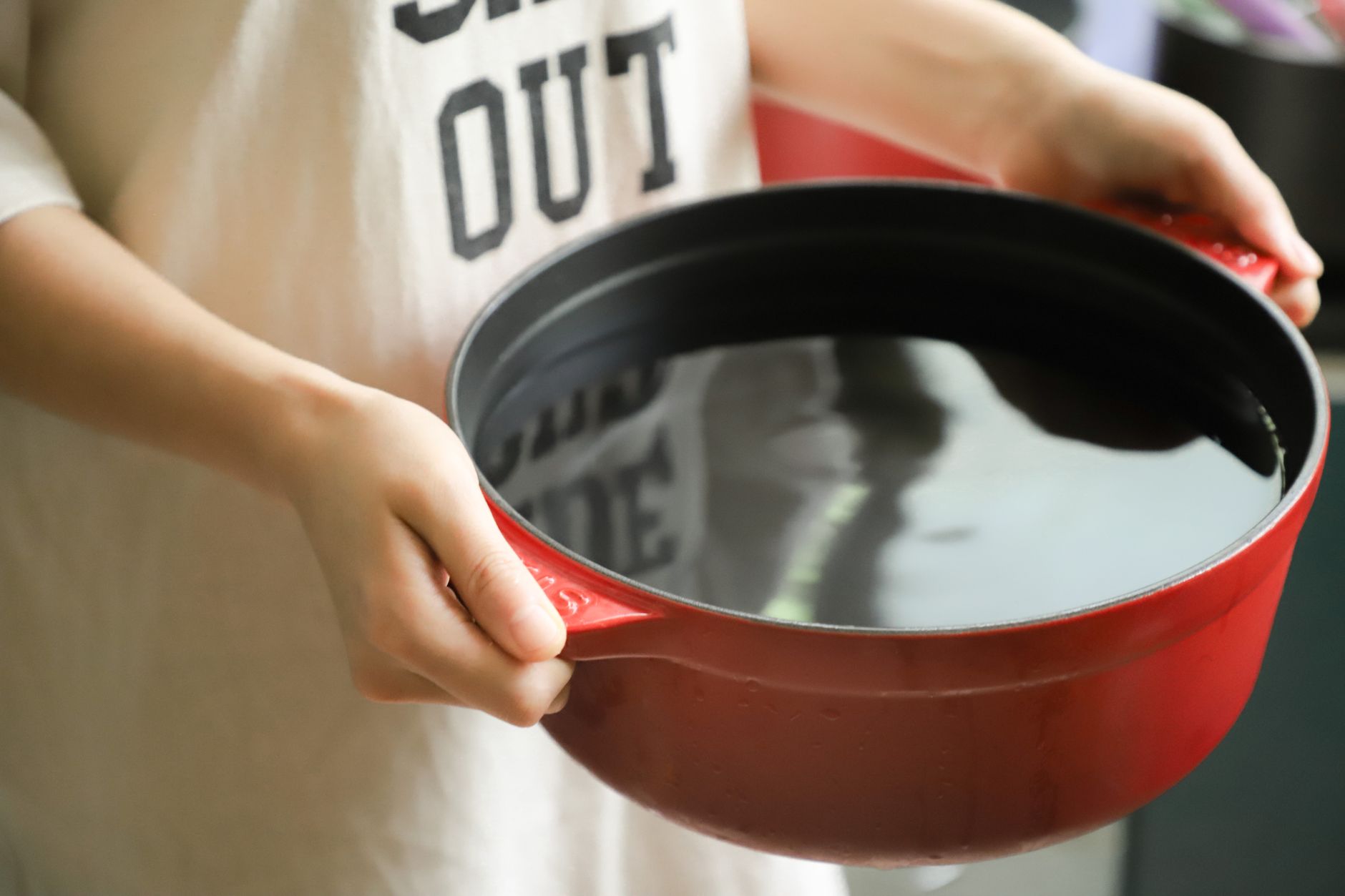
Bring a large pot of water to a full rolling boil, then add prepared vegetables in small batches, since adding too much at once drops the water temperature significantly and results in uneven blanching.
Green beans, broccoli, and carrots typically need about 3 minutes of blanching, while more delicate vegetables like spinach need only 1-2 minutes, and denser vegetables like corn on the cob may need 7-11 minutes depending on size.
Start timing once the water returns to a boil after adding vegetables, not from when you first add them, since this ensures more consistent, comparable results across different batches.
Consult a specific blanching time chart for your exact vegetable if uncertain, since timing genuinely varies considerably by type, and both under-blanching and over-blanching produce inferior results.
Work through your harvest in manageable batches rather than attempting to process an enormous quantity all at once, which helps maintain consistent water temperature and blanching quality throughout.
Shock in Ice Water Immediately

Remove vegetables from the boiling water using a slotted spoon or blanching basket, then immediately plunge them into a large bowl of ice water, which stops the cooking process precisely at the intended point.
Keep vegetables in the ice bath for approximately the same amount of time they were blanched, ensuring they cool completely through rather than just on the surface.
Replenish ice as needed during this step, particularly when processing larger batches, since the ice bath's temperature rises as it absorbs heat from each successive batch of hot vegetables.
This immediate shocking step is just as important as the blanching itself, since vegetables left to cool gradually at room temperature continue cooking from residual heat, potentially becoming overcooked and mushy.
Drain vegetables thoroughly after the ice bath, since excess water carried into the freezing step can create unwanted ice crystals and affect texture in the finished frozen product.
Flash Freeze Before Bagging
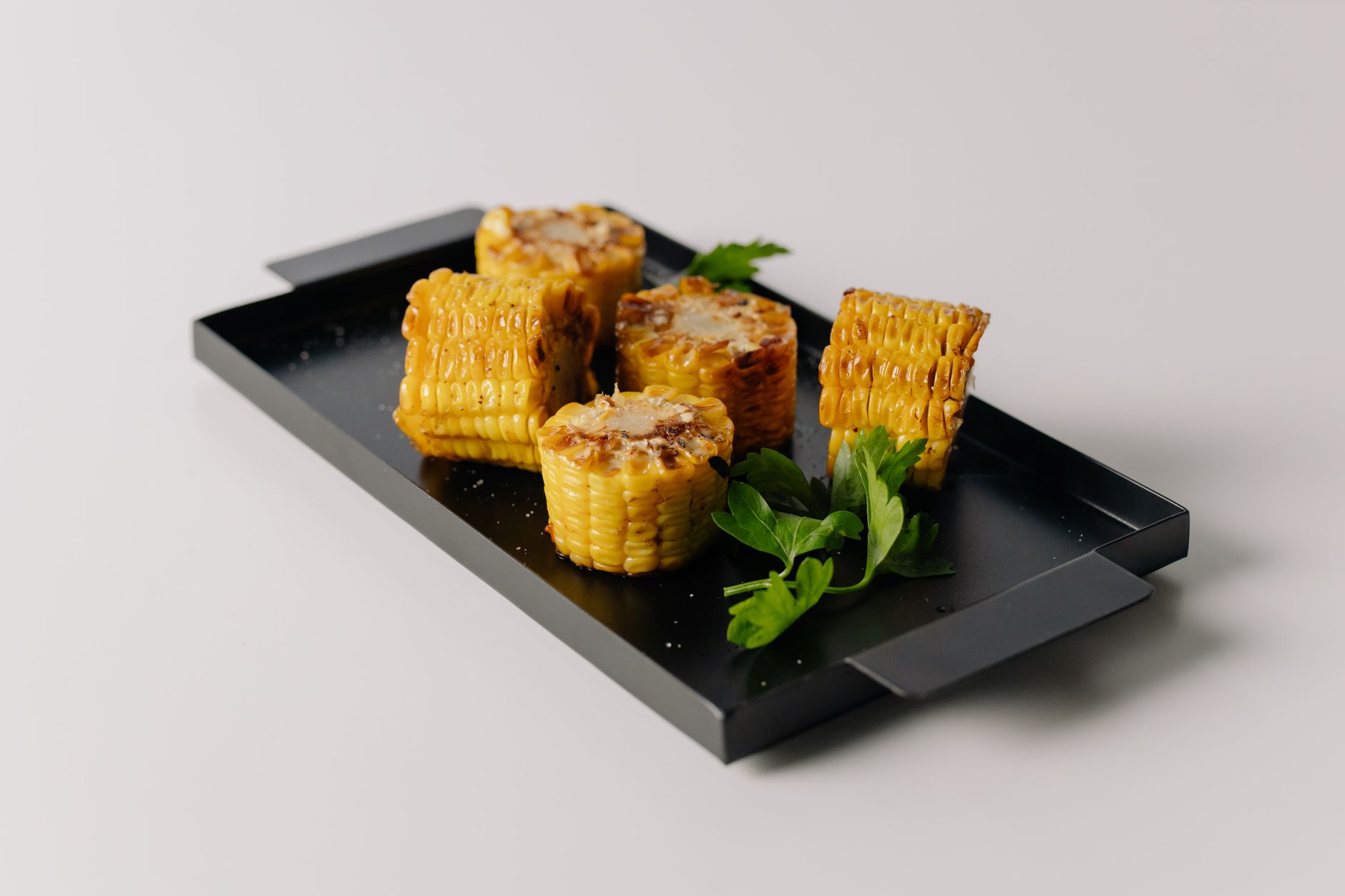
Spread drained, cooled vegetables in a single layer on a baking sheet, ensuring pieces don't touch or overlap significantly, which allows each piece to freeze individually rather than as one large clumped mass.
Freeze the tray for 1-2 hours, or until vegetables are solidly frozen, before transferring to storage containers, a technique that keeps pieces loose and easy to portion out later.
This flash freezing step is particularly valuable for vegetables you'll want to use in smaller portions over time, like a handful of green beans for a single meal, rather than needing to thaw an entire large block at once.
For vegetables you'll typically use in large batches anyway, such as corn for a big pot of soup, flash freezing offers less practical benefit and can be skipped if freezer space or time is limited.
Work efficiently to minimize how long vegetables sit at room temperature between the ice bath and the freezer, since prompt freezing helps preserve the quality you've worked to maintain through blanching.
Package and Store Properly
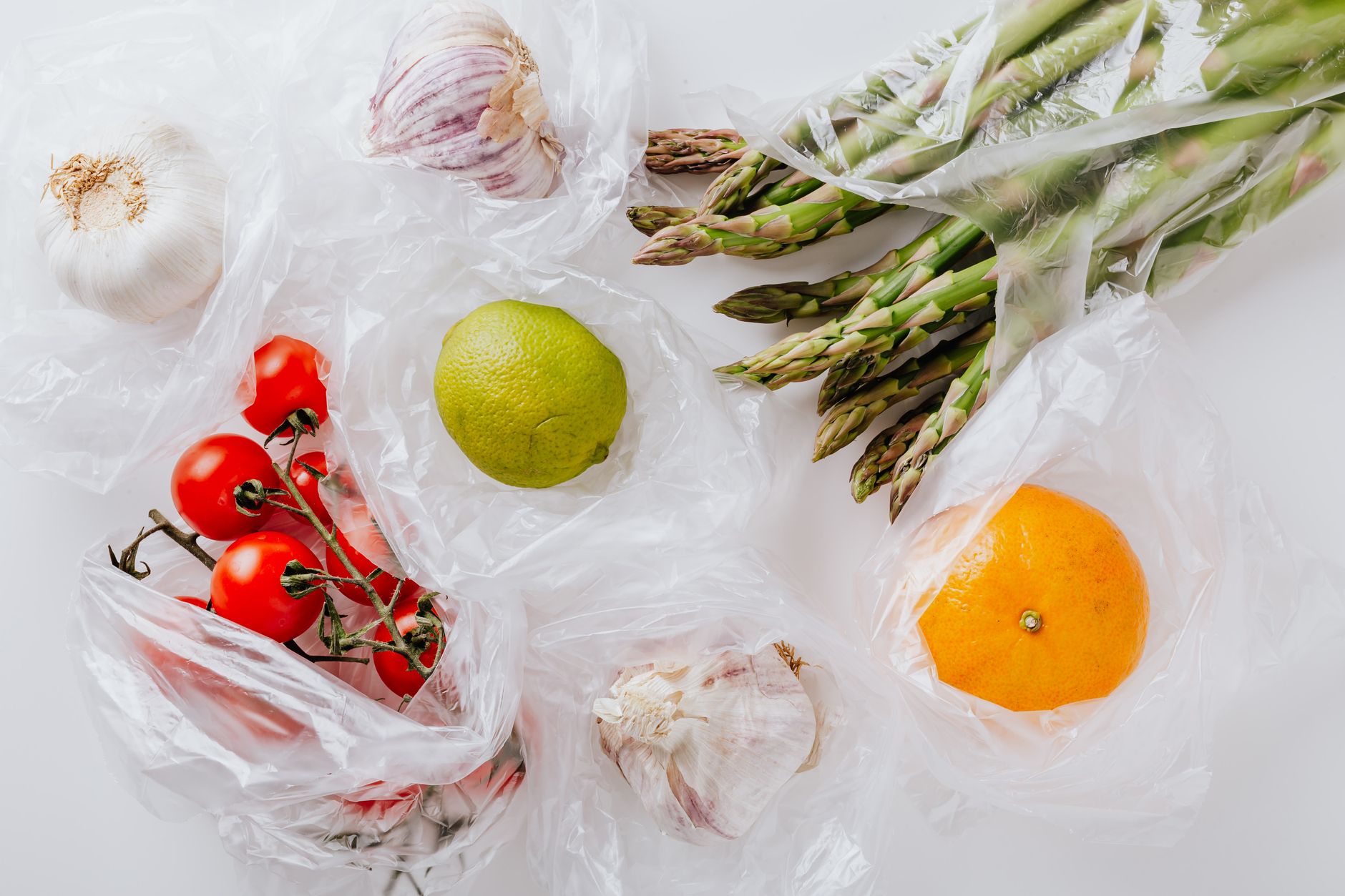
Transfer flash-frozen vegetables into freezer bags or airtight containers, pressing out as much air as possible before sealing, since air exposure is the primary cause of freezer burn and quality decline.
Label each package with the vegetable type and freezing date, which helps you track freshness and rotate your stock using older packages before newer ones.
Portion vegetables into meal-sized quantities if you know how you'll typically use them, which avoids needing to thaw an entire large bag when only a small amount is needed for a specific recipe.
Store at a consistent 0°F or below, which most standard home freezers maintain, and properly blanched, well-packaged vegetables typically maintain good quality for 8-12 months.
Use frozen vegetables directly from frozen in most cooked applications like soups, stir-fries, and casseroles, without needing to thaw first, which both saves time and often produces better texture than pre-thawing.
Know Which Vegetables Freeze Best
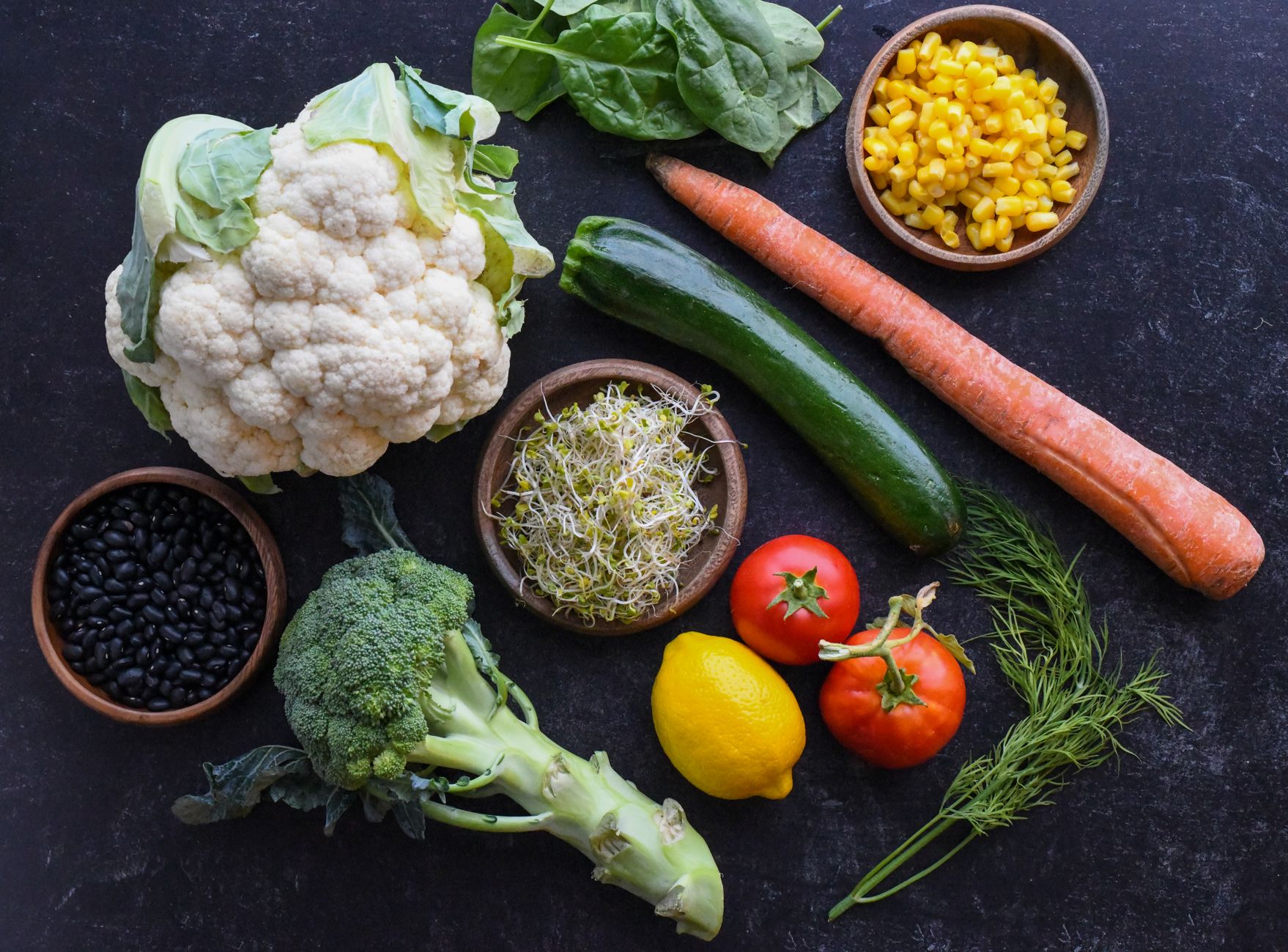
Green beans, peas, corn, broccoli, and carrots are among the most reliably successful vegetables for freezing, maintaining good texture and flavor throughout their typical storage window.
Onions, peppers, and herbs freeze well without blanching, though their texture softens considerably upon thawing, making them best suited for cooked applications rather than dishes calling for raw crunch.
High water-content vegetables like lettuce, celery, and cucumbers generally don't freeze well, developing an unappetizing mushy texture upon thawing regardless of blanching, making them poor candidates for this preservation method.
For vegetables that don't freeze well, consider alternative preservation methods like pickling, fermentation, or root cellar storage instead, matching each crop to the technique that actually suits its specific characteristics.
Common problems and fixes
| Problem | Likely cause | What to do |
|---|---|---|
| Frozen vegetables taste off or have faded color after a few months | Blanching was skipped or insufficient, allowing enzyme activity to continue during storage. | Ensure proper blanching time for your specific vegetable in future batches, following a vegetable-specific timing chart. |
| Vegetables clump together in a solid frozen mass | Skipped the flash freezing step before bagging. | Spread vegetables in a single layer on a tray to freeze individually before transferring to storage bags in future batches. |
| Vegetables develop freezer burn (dry, discolored patches) | Excess air trapped in packaging, or inadequate sealing. | Press out as much air as possible before sealing, and consider vacuum sealing for particularly long-term storage. |
Gardener's checklist
Test what you learned
Why is blanching important before freezing vegetables?
Answer: It deactivates enzymes that would degrade quality during storage
Why should vegetables be shocked in ice water immediately after blanching?
Answer: It stops the cooking process precisely, preventing overcooking
What is the purpose of flash freezing vegetables on a tray before bagging?
Answer: It keeps pieces loose rather than clumped together
Common questions
Do all vegetables need to be blanched before freezing?
Most do, since blanching deactivates enzymes that degrade quality, but some vegetables like onions, peppers, and herbs freeze reasonably well without this step, given their different composition.
How long do frozen vegetables last?
Properly blanched and packaged vegetables typically maintain good quality for 8-12 months in a freezer maintained at 0°F or below, though they often remain safe to eat beyond this window with some decline in quality.
Can I freeze vegetables without blanching them first?
You can, and it won't make them unsafe, but skipping blanching typically results in noticeably faded color, off flavors, and mushy or tough texture developing considerably faster than in properly blanched vegetables.
Do I need to thaw frozen vegetables before cooking with them?
Usually not; most frozen vegetables can be added directly to soups, stir-fries, and other cooked dishes straight from frozen, which often produces better texture than pre-thawing and saves preparation time.
Can I freeze vegetables in a regular kitchen freezer, or do I need a chest freezer?
A standard kitchen freezer works fine for most home freezing needs, as long as it maintains a consistent 0°F or below; a chest freezer offers more capacity for larger harvests but isn't required for successful vegetable freezing.
Why do some vegetables not freeze well at all?
High water-content vegetables like lettuce, celery, and cucumbers develop a mushy, unappetizing texture when frozen and thawed, since ice crystal formation disrupts their cell structure in a way that blanching can't fully prevent, making them poor candidates for this preservation method.
Freezing vegetables successfully comes down to one essential technique, proper blanching followed immediately by an ice water shock, which preserves the color, flavor, and texture of your harvest far better than freezing raw ever could.
Frequently asked questions
How often should a vegetable garden be watered?
Frequency depends on weather, soil and plant size. Check the soil rather than watering on a rigid schedule.
Is compost enough fertilizer?
Compost improves soil and provides nutrients slowly. Heavy-feeding crops may still need additional feeding.

The Sproutstead Editorial Team
We create clear, practical gardening and homesteading guides designed for real homes and beginner growers.
View author profile →