
Leggy seedlings are caused by insufficient light, excessive heat, overcrowding, or planting too early. To fix them, immediately move seedlings closer to grow lights (2-4 inches away) or to a sunnier window. Increase light duration to 14-16 hours daily. For tomatoes and other plants that root from stems, you can replant them deeper—burying the leggy stem up to the first true leaves. For other plants, gently brush your hand over the tops daily to stimulate stronger stems (thigmomorphogenesis). Improve air circulation with a fan. If severe, you may need to start over with better conditions. Prevention is the best cure: provide adequate light, space, and consistent temperatures from the start.
What you will need
Understand What Causes Leggy Seedlings
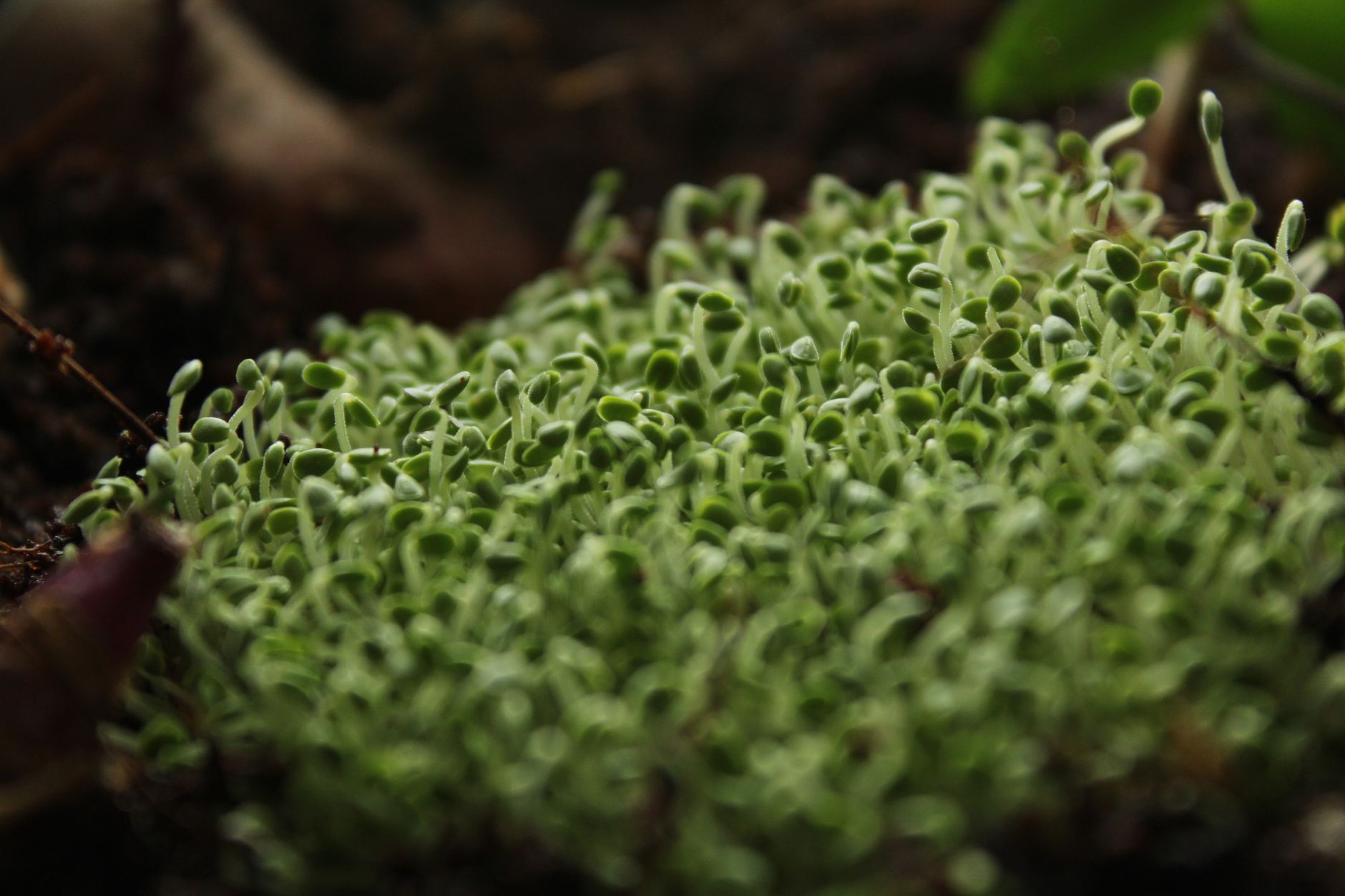
Insufficient Light: This is the #1 cause. Seedlings stretch toward the light source, resulting in long, thin stems. The further the light source, the more they stretch.
Too Much Heat: Warm temperatures (especially bottom heat) encourage rapid growth. Without enough light to support this growth, seedlings become leggy.
Overcrowding: Seedlings planted too close together compete for light and space. They grow tall and thin as they try to reach light above neighboring plants.
Starting Too Early: If seeds are started too early, they may outgrow their indoor setup before transplanting time. This leads to legginess.
Poor Air Circulation: Stagnant air results in weaker stems. Wind (even from a fan) stimulates stronger stem growth.
Fix the Light Problem Immediately
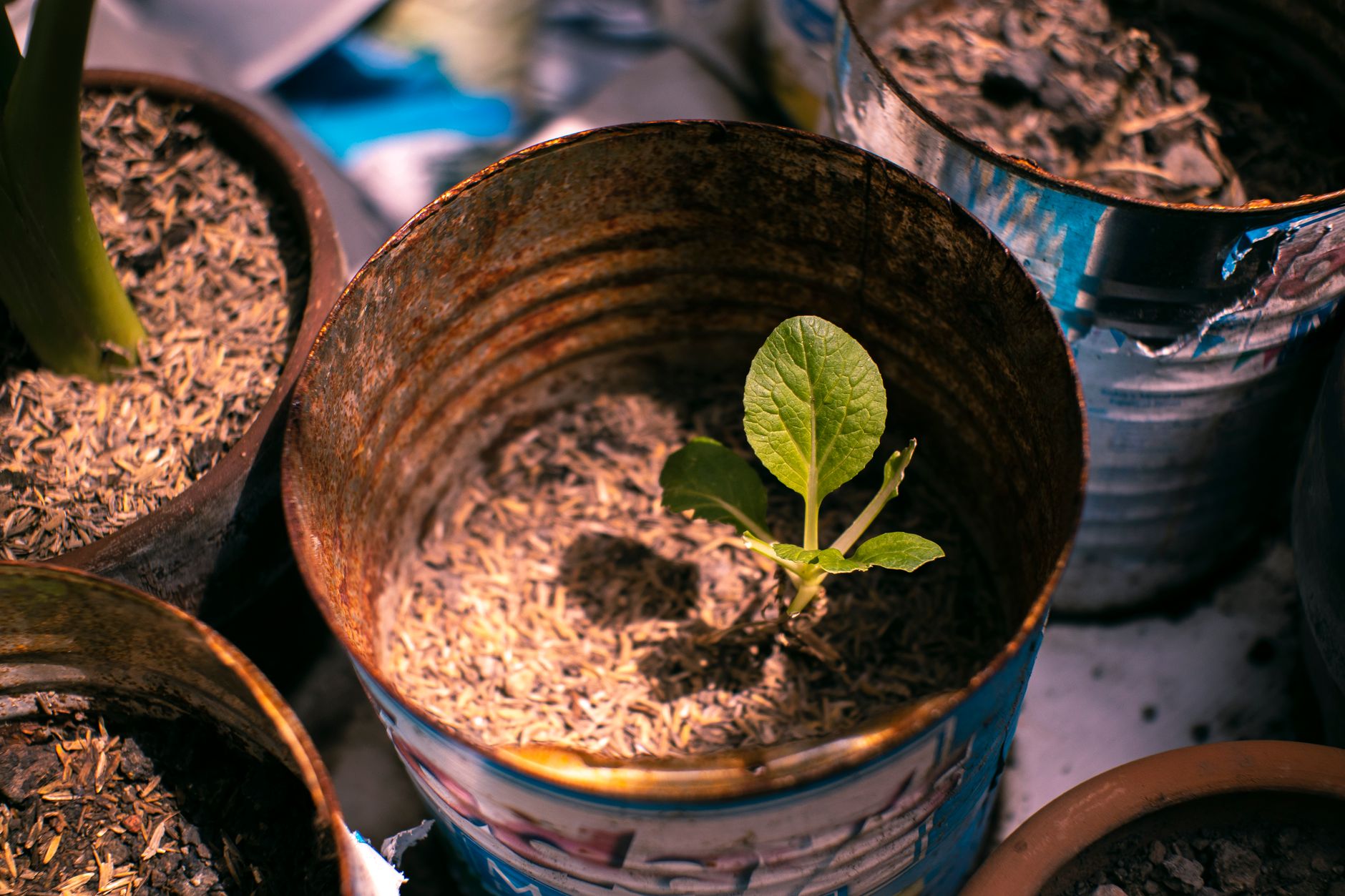
Move lights closer: Position grow lights 2-4 inches above the seedlings. This is the most effective and immediate fix.
Increase light duration: Extend light exposure to 14-16 hours daily. Use a timer for consistency.
Upgrade your lights: If you're using a sunny window, supplement with grow lights. Even a basic shop light with 6500K bulbs is better than just window light.
Rotate seedlings: If using a window, rotate the tray daily so all sides receive light evenly.
Check light coverage: Ensure the light covers the entire tray evenly. Consider adding more lights or using reflective surfaces.
Reduce Temperature
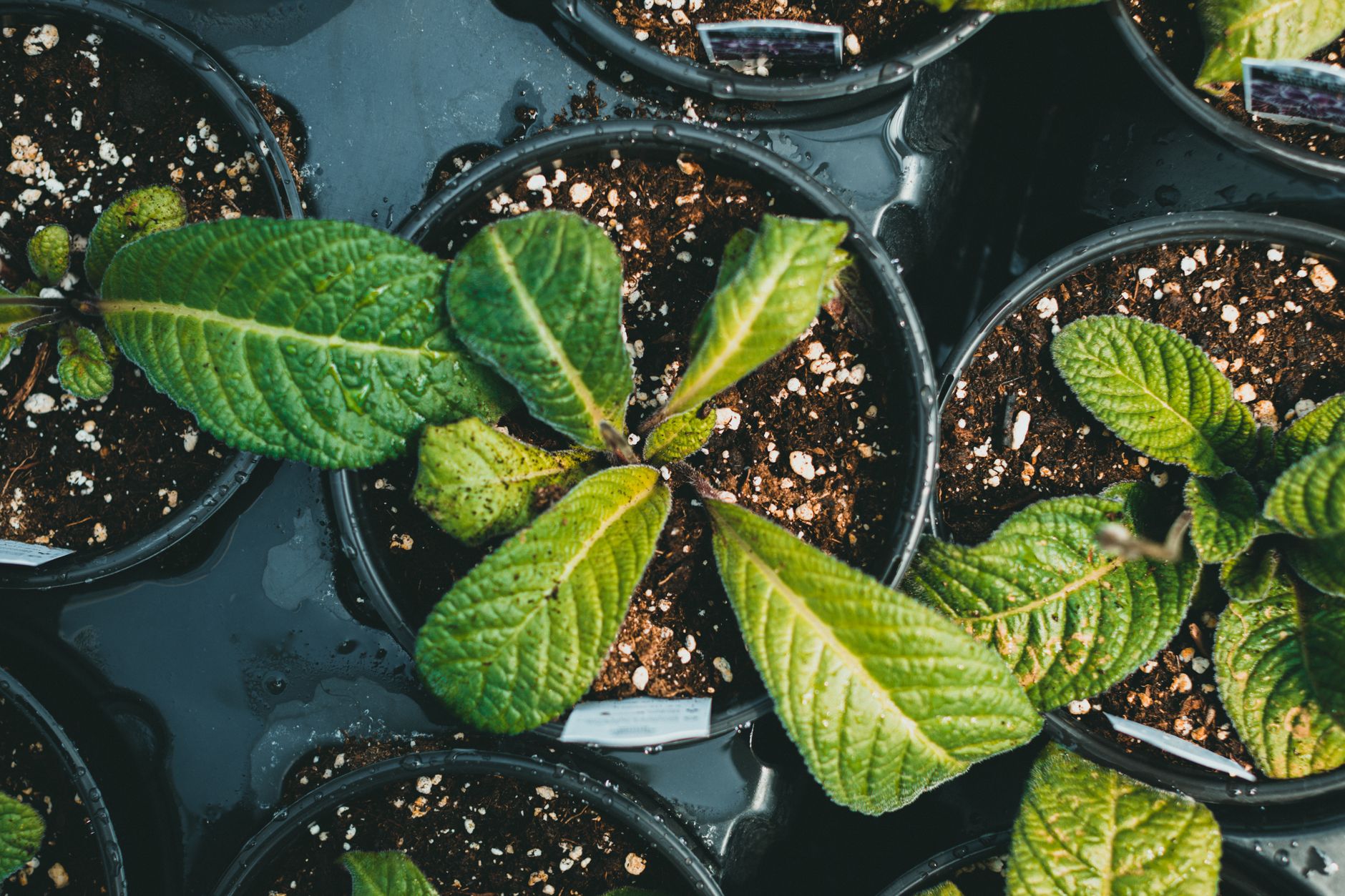
Lower daytime temperatures: After germination, reduce temperature to 60-70°F (15-21°C). This slows growth and reduces stretching.
Remove heat mats: If you're using a heat mat for germination, remove it after seeds sprout. Continued bottom heat causes rapid, leggy growth.
Nighttime drop: Allow temperatures to drop 5-10°F at night. This mimics natural conditions and produces sturdier plants.
Avoid hot spots: Don't place seedlings near radiators, heating vents, or in hot rooms. Consistent, moderate temperatures are best.
Air circulation: Good airflow also helps regulate temperature around seedlings.
Brush or Touch Seedlings Daily
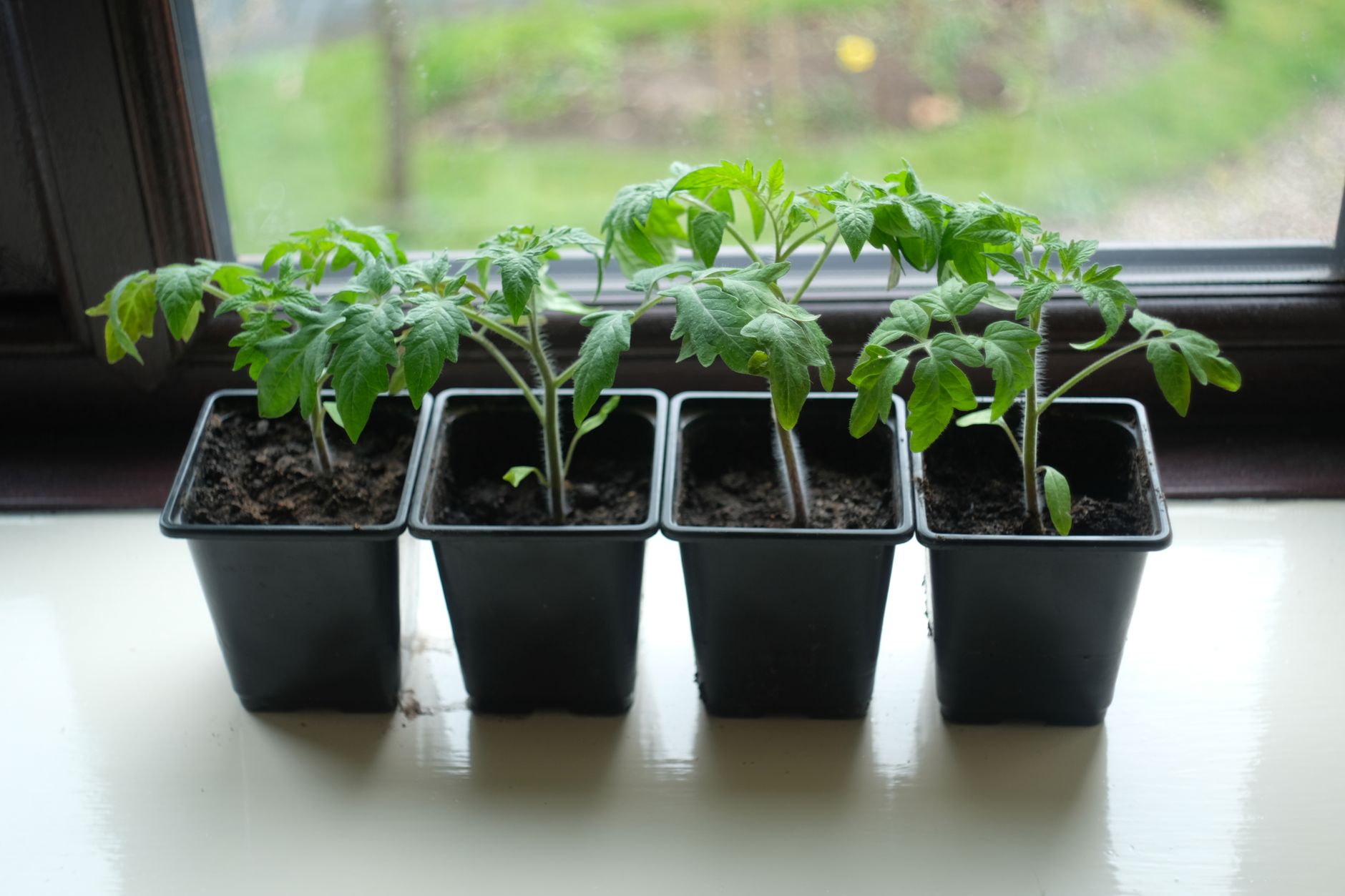
What is it: Brushing or lightly touching seedlings stimulates a natural response called thigmomorphogenesis—plants grow shorter and thicker stems in response to physical contact (wind).
How to do it: Gently brush your hand over the tops of the seedlings 5-10 times daily. Do this from the time they sprout.
Use a fan: A small fan on low is even more effective. The gentle breeze mimics wind and strengthens stems.
Why it works: Plants respond to physical stress by producing shorter, stronger stems that can better withstand wind.
Be gentle: Light brushing is enough. Too much force can damage seedlings.
Replant Deeper (For Tomatoes and Some Vegetables)
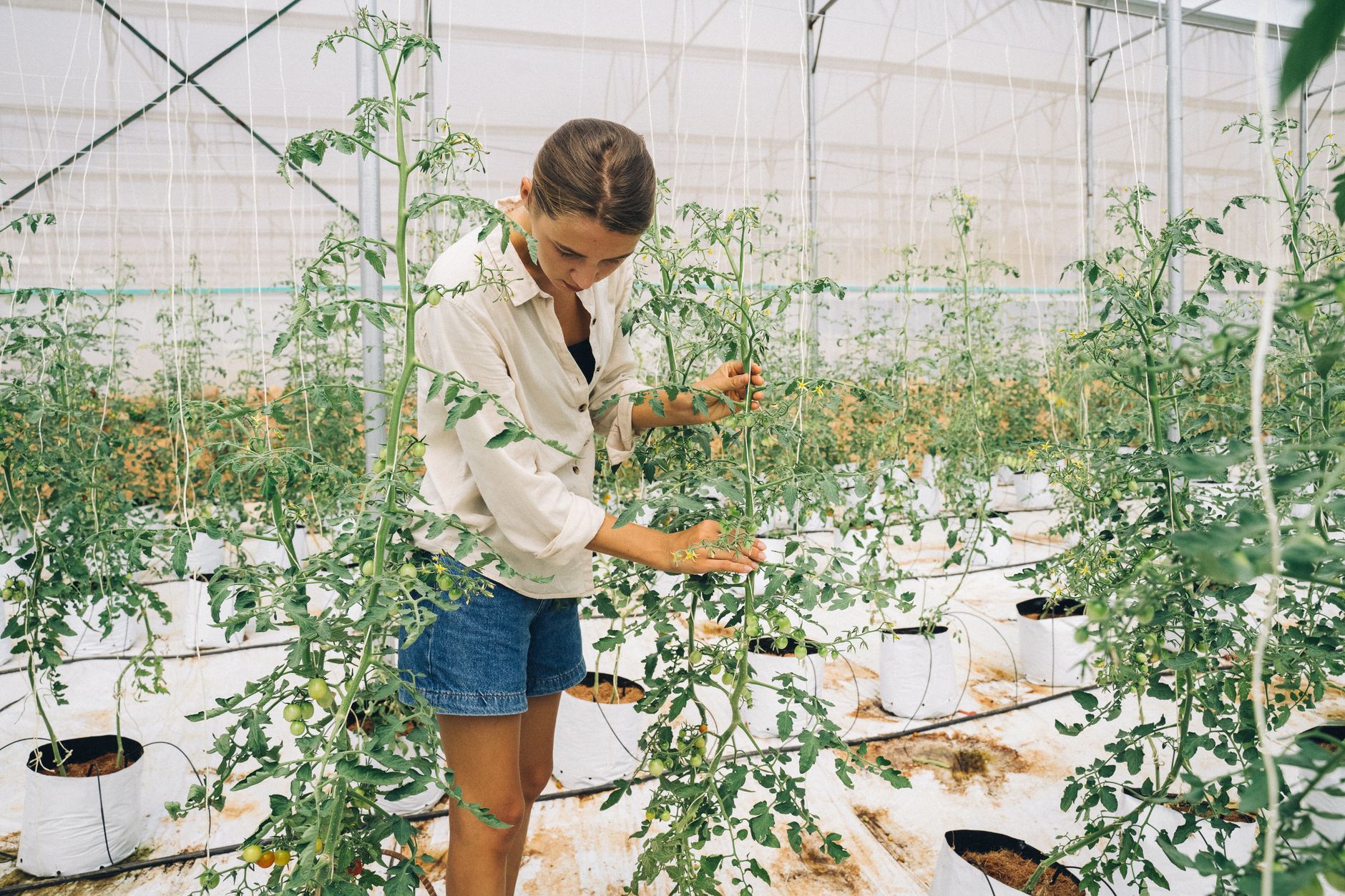
Which plants can be replanted deeper: Tomatoes (best), potatoes, tomatillos, and some herbs (like basil). These plants can develop roots along their stems.
Which plants CANNOT be replanted deeper: Peppers, eggplants, flowers, lettuce, cucumbers, squash. These plants have stems that rot if buried.
How to do it (tomatoes): Remove the lower leaves and replant the seedling so the stem is buried up to the first set of true leaves. The buried stem will grow roots.
When to do it: At transplant time or when seedlings are 4-6 inches tall. Don't try this too early—wait until they have at least 2-3 true leaves.
After replanting: Water thoroughly and continue providing good light. The plant may slow down for a few days as it grows new roots.
Transplant to Larger Pots
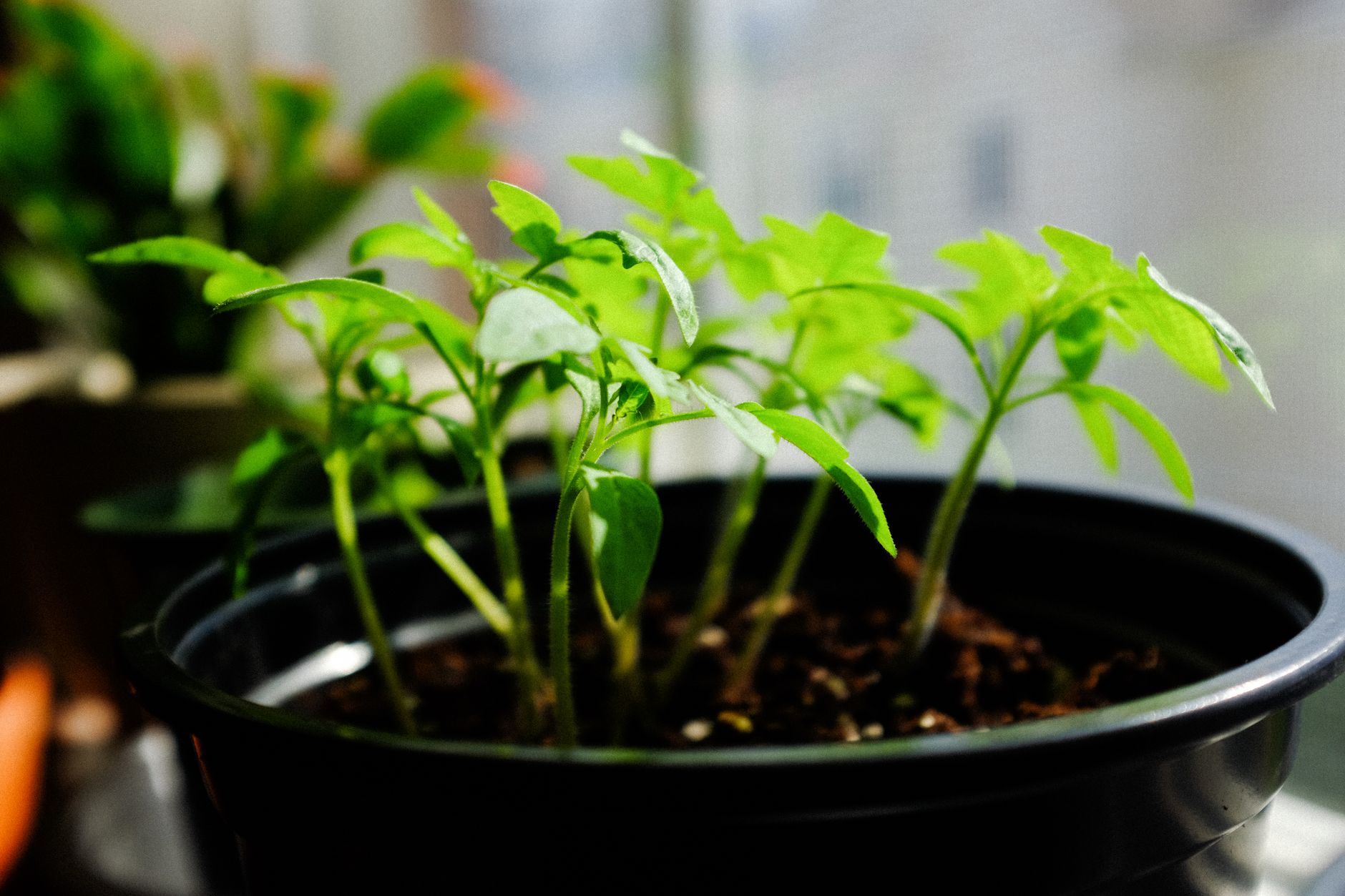
When to transplant: When seedlings have 2-3 sets of true leaves and are showing signs of legginess.
Choose the right pot: Move to a pot that's 2-3 inches larger in diameter. Don't go too big—overpotting can cause waterlogged soil.
Plant depth: For tomatoes and rootable plants, plant deeper. For others, plant at the same depth.
Use fresh soil: Use fresh seed starting mix or potting soil. Old soil can harbor disease.
After transplanting: Water thoroughly and continue providing good light and air circulation. The plant may take a few days to adjust.
Hardening Off as a Fix
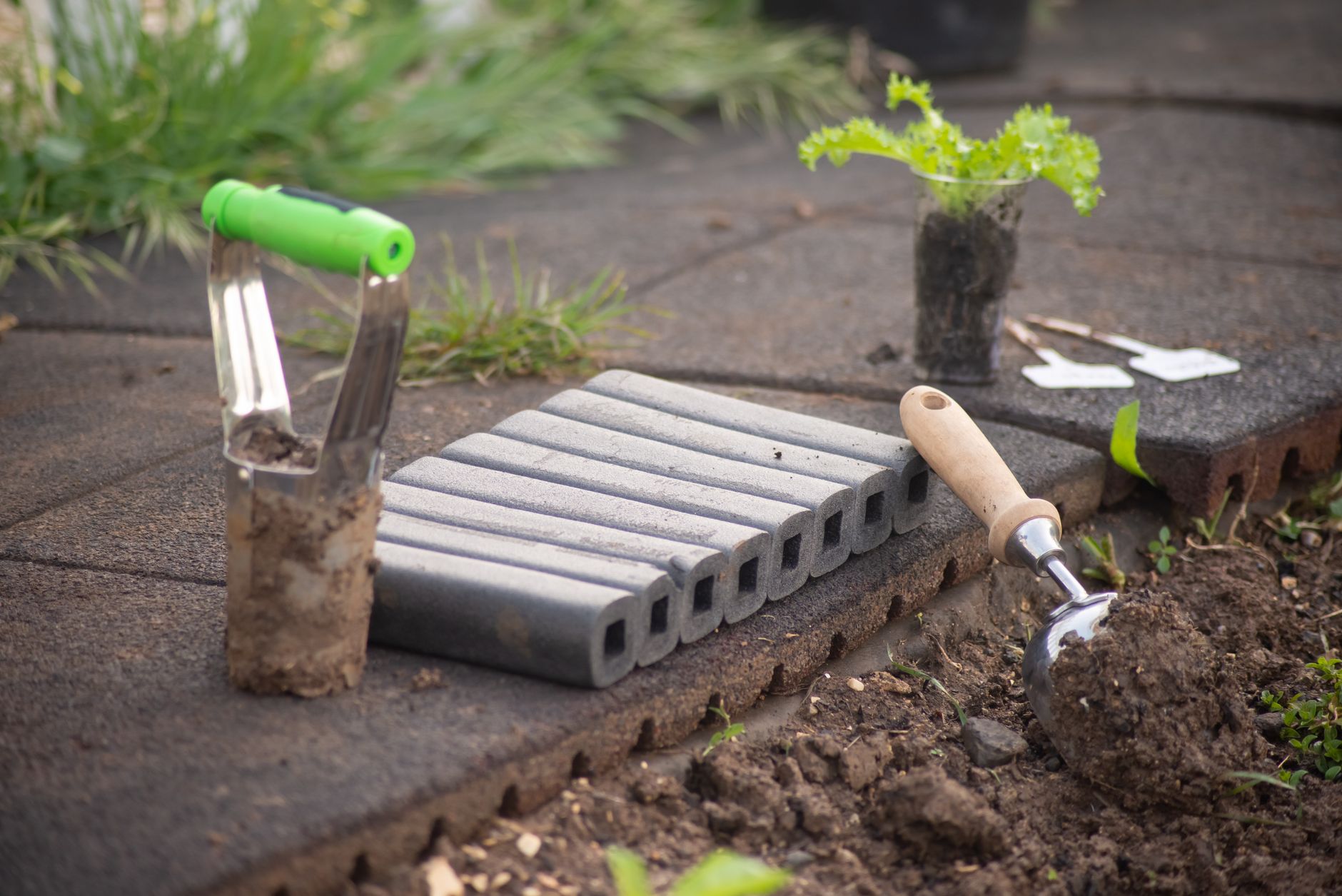
What is hardening off: Gradually exposing seedlings to outdoor conditions (sun, wind, temperature changes) over 7-14 days.
Why it helps leggy seedlings: Outdoor sun and wind stimulate stronger, shorter stems. It's like a workout for the plant.
Start slowly: Day 1: 1-2 hours in a sheltered, shady spot. Increase daily.
Protection: Protect from harsh sun and wind initially. Gradually increase exposure.
After hardening: Transplant to the garden. The plant will be much stronger after this process.
Know When to Start Over
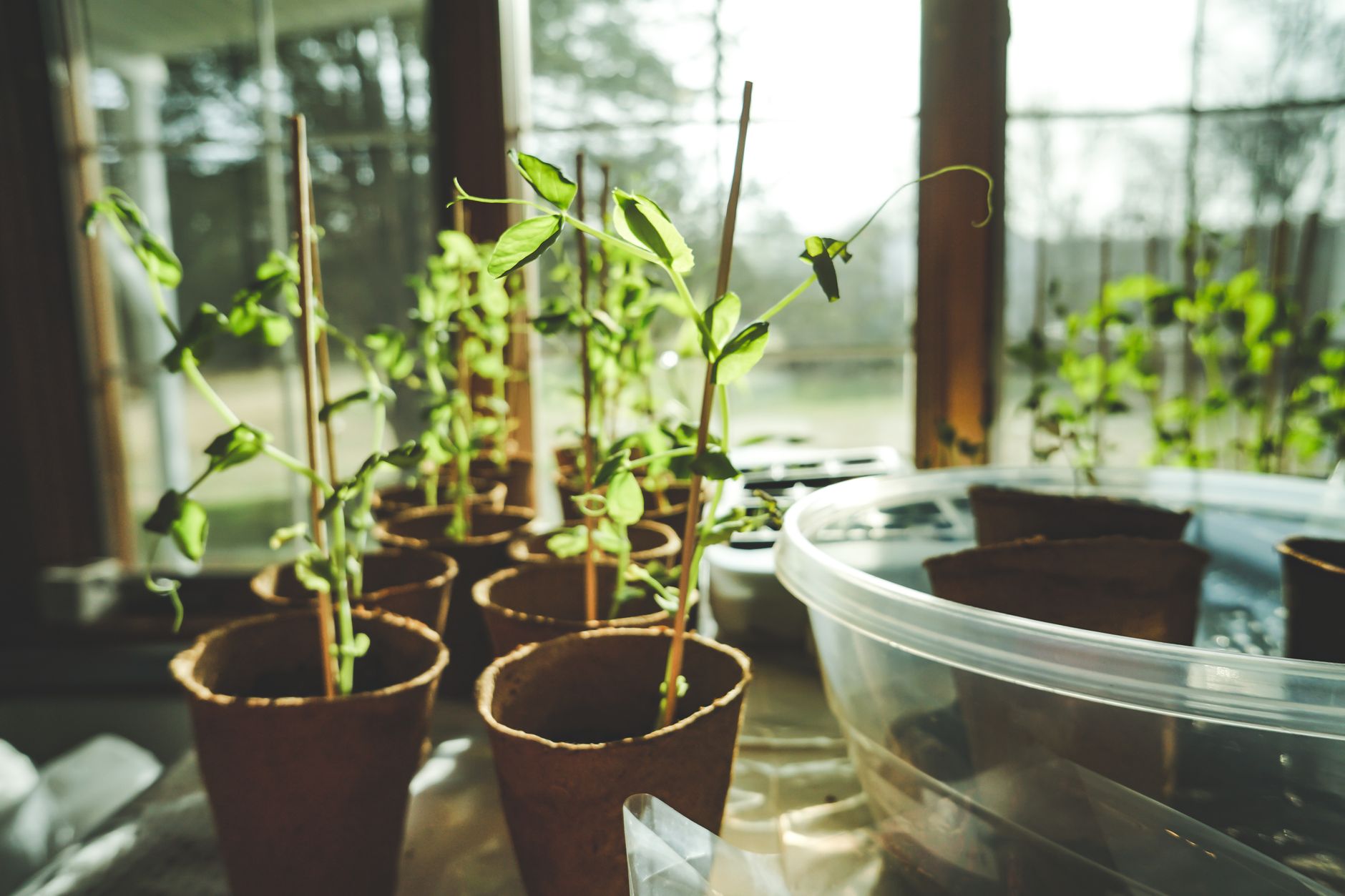
When it's too far gone: If seedlings are so leggy they can't support themselves, have very thin stems, or have fallen over, they may not recover.
Timing: If you still have enough time before your last frost date, it's often better to start over.
Learn from the mistake: Identify what went wrong (not enough light, too hot, overcrowded) and correct it for your new batch.
Correct conditions: Use grow lights (2-4 inches away), 14-16 hours light, 60-70°F, proper spacing, and good air circulation.
Cost-benefit: The cost of new seeds is small compared to the disappointment of weak plants.
Common problems and fixes
| Problem | Likely cause | What to do |
|---|---|---|
| Seedlings are tall and thin with pale leaves | Insufficient light and possibly too much heat. | Move lights closer, increase duration, and reduce temperature. |
| Seedlings are falling over | Severe legginess and weak stems. | Support with a small stake. Provide more light. Consider starting over. |
| Stems are purple-tinted | Temperature too cold or phosphorus deficiency. | Warm up the environment. Check nutrition. |
| Seedlings are still leggy after fixing light | Overcrowding or insufficient air circulation. | Thin seedlings. Add a fan or brush them daily. |
Gardener's checklist
Test what you learned
What is the #1 cause of leggy seedlings?
Answer: Insufficient light
How far should grow lights be from seedlings?
Answer: 2-4 inches
Which plant can be planted deeper to fix legginess?
Answer: Tomatoes
What temperature range is ideal for seedlings after germination?
Answer: 60-70°F
Common questions
Can leggy seedlings recover?
Yes, if caught early. Improve light immediately, reduce temperature, and provide air circulation. Tomatoes can be planted deeper to fix legginess. Severe cases may not recover.
Will brushing seedlings really help?
Yes. Brushing or using a fan mimics wind and triggers a plant response called thigmomorphogenesis—plants grow shorter, thicker, and stronger stems.
Can I bury leggy tomato seedlings deeper?
Yes! Tomatoes are unique because they can develop roots along their buried stems. Bury them up to the first set of true leaves for stronger plants.
Can I bury leggy pepper seedlings deeper?
No. Peppers cannot root from their stems. Burying them deeper causes rot. Transplant at the same depth.
Should I use fertilizer on leggy seedlings?
No. Fertilizer encourages more growth, which can make legginess worse. Fix the light and temperature first.
Leggy seedlings are a common problem with simple solutions. The #1 cause is insufficient light—move grow lights to 2-4 inches above seedlings and provide 14-16 hours daily. Remove heat mats after germination and keep temperatures at 60-70°F. Brush seedlings or use a fan to strengthen stems. For tomatoes, replant deeper to encourage root growth. If seedlings are too far gone, start over with better conditions. With the right approach, most leggy seedlings can be saved and turned into strong, healthy plants that thrive in the garden.
Frequently asked questions
How often should a vegetable garden be watered?
Frequency depends on weather, soil and plant size. Check the soil rather than watering on a rigid schedule.
Is compost enough fertilizer?
Compost improves soil and provides nutrients slowly. Heavy-feeding crops may still need additional feeding.

The Sproutstead Editorial Team
We create clear, practical gardening and homesteading guides designed for real homes and beginner growers.
View author profile →

