
The best seed starting mix is lightweight, fine-textured, sterile, and well-draining. Look for a mix that contains peat moss or coconut coir (for moisture retention), vermiculite (for water holding), and perlite (for drainage). Commercial mixes like Jiffy Seed Starting Mix, Black Gold Seedling Mix, or Pro-Mix are excellent choices. For a DIY mix, combine 2 parts peat moss or coconut coir, 1 part vermiculite, and 1 part perlite. Avoid using garden soil or regular potting soil—they're too heavy and may contain pathogens. The key to a good seed starting mix is fine texture (seeds need small particles to make contact), good drainage (to prevent damping off), and sterility (to prevent disease).
What you will need
Understand What Makes a Good Seed Starting Mix

Lightweight: Seeds need a light, airy medium to push through. Heavy soil can prevent germination.
Fine texture: Seeds need good contact with the soil particles. Fine-textured mix ensures this contact.
Good drainage: Excess water must drain away to prevent damping off (a fungal disease that kills seedlings).
Moisture retention: While draining excess water, the mix should hold enough moisture to keep seeds hydrated.
Sterility: Seed starting mix should be sterile (free from pathogens, weed seeds, and pests). Garden soil contains organisms that can harm seedlings.
No nutrients: Unlike potting soil, seed starting mix should have very few or no nutrients. Seedlings don't need fertilizer until they have true leaves.
Know the Key Ingredients
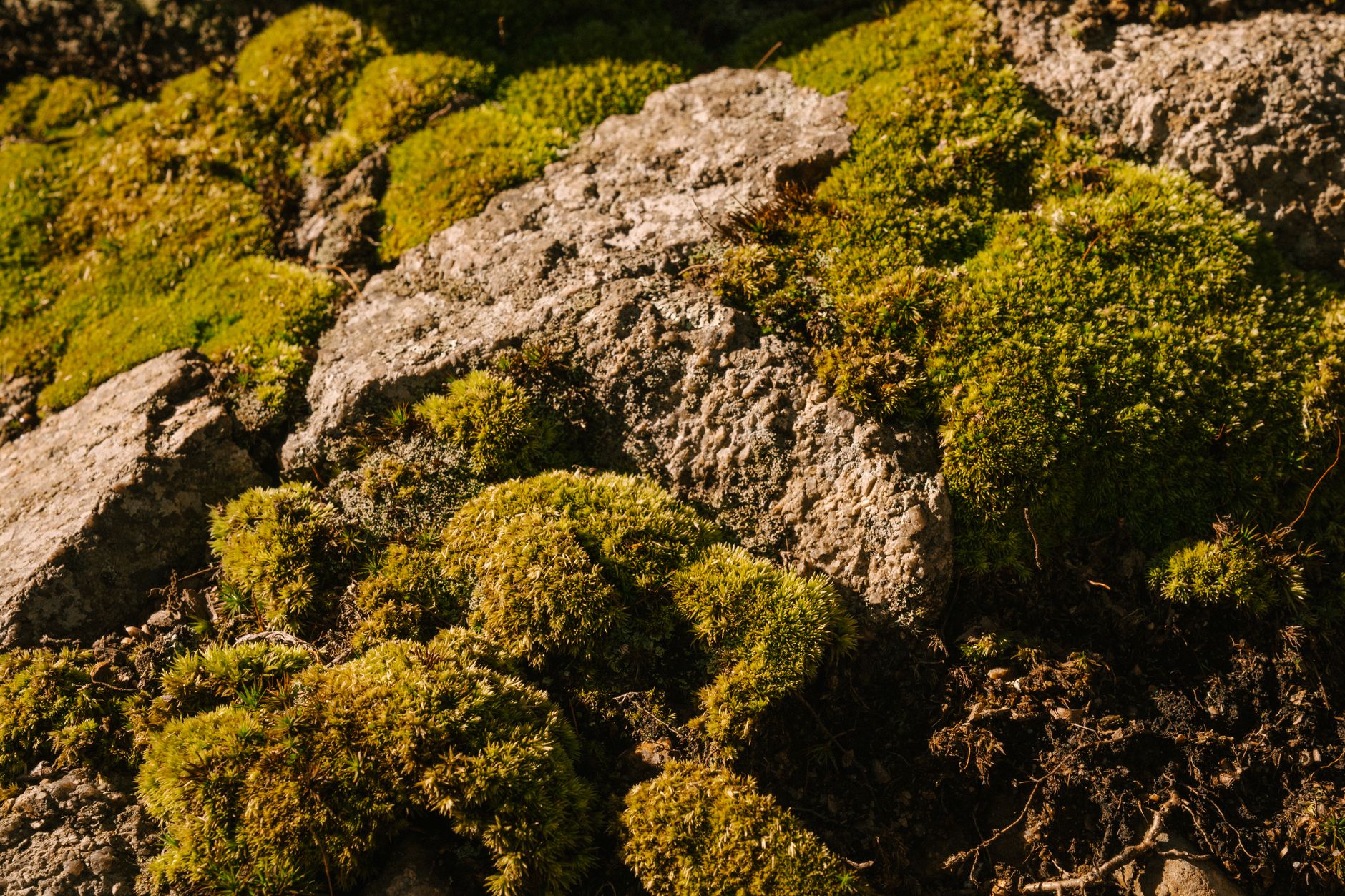
Peat Moss: A lightweight, acidic organic material that holds moisture well. It's the traditional base for seed starting mixes. However, it's not renewable—harvesting peat bogs damages ecosystems.
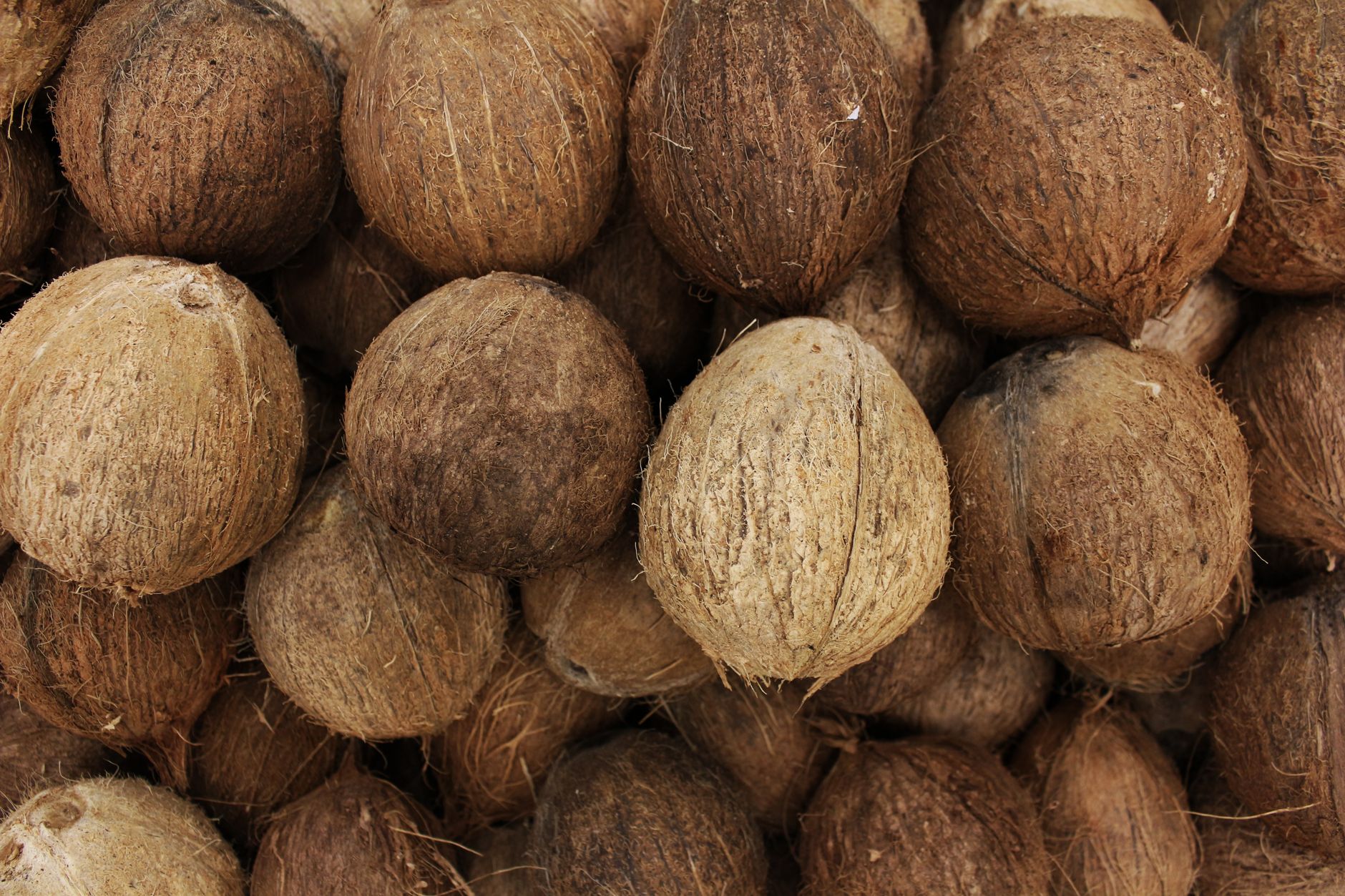
Coconut Coir (Coco Coir): A renewable alternative to peat moss. Made from coconut husks, it holds water well, has good aeration, and is more sustainable. Slightly higher pH than peat.
Vermiculite: A mineral that expands when heated. It holds water and nutrients, improving moisture retention. It also lightens the mix.
Perlite: A volcanic glass that expands when heated. It improves drainage and aeration, preventing the mix from becoming waterlogged.
Compost: Some mixes include fine compost for nutrients. However, it must be very fine and well-sifted.
What to avoid: Garden soil, topsoil, or heavy potting soil. They're too dense and contain pathogens.
Choose a Commercial Seed Starting Mix

Jiffy Seed Starting Mix: A popular choice with peat moss, vermiculite, and a wetting agent. It's fine-textured and holds moisture well. Great for beginners.
Black Gold Seedling Mix: Contains Canadian sphagnum peat moss, perlite, and vermiculite. It's lightweight and well-draining. An excellent all-purpose option.
Pro-Mix Seed Starting Mix: A professional-grade mix with peat moss, perlite, and mycorrhizae (beneficial fungi). Excellent quality.
Miracle-Gro Seed Starting Potting Mix: Readily available and affordable. Contains peat moss, perlite, and a small amount of fertilizer.
Espoma Seed Starting Mix: Organic option with sphagnum peat moss, perlite, and limestone. Good for organic gardeners.
What to look for: Choose a mix that's specifically labeled for seed starting. Avoid mixes labeled for container gardening or houseplants—they're too heavy.
Make Your Own DIY Seed Starting Mix

Basic DIY Recipe: 2 parts peat moss or coconut coir, 1 part vermiculite, 1 part perlite. Mix thoroughly.
Step-by-step: Measure ingredients using a cup or any container. Combine in a large bowl or bucket. Mix well until evenly combined.
Moisten the mix: Add water gradually while mixing. The mix should be damp like a wrung-out sponge—moist but not dripping.
Optional additions: Add a small amount of compost (well-sifted) for nutrients, or a sprinkle of lime to balance pH if using peat moss.
Sifting: If the mix is lumpy, sift it through a fine mesh sieve for a smoother texture.
Why make your own: Cheaper than commercial mixes, you control the ingredients, and it's more sustainable (using coconut coir instead of peat moss).
Understand Peat Moss vs. Coconut Coir
Peat Moss Pros: Excellent water retention, slightly acidic (good for most seeds), lightweight, widely available.
Peat Moss Cons: Not renewable (takes thousands of years to form), mining damages peat bogs (important carbon sinks), can be dusty.
Coconut Coir Pros: Renewable (made from coconut husks), excellent water retention, good aeration, more sustainable, pH neutral.
Coconut Coir Cons: Can be more expensive, may contain salts (needs rinsing), sometimes sold in compressed bricks that need soaking.
Which to choose: If you're concerned about sustainability, choose coconut coir. If you want what's most widely available, peat moss works well.
Mixing: You can also use a combination of both for the best of both worlds.
Avoid Common Seed Starting Mix Mistakes

Mistake: Using garden soil. Garden soil is too heavy, contains pathogens, weed seeds, and doesn't drain well. Always use a sterile seed starting mix.
Mistake: Using regular potting soil. Potting soil is too heavy and often contains fertilizer that can burn young seedlings.
Mistake: Not moistening the mix before planting. Dry mix is difficult to wet evenly. Always pre-moisten before filling containers.
Mistake: Packing the mix too firmly. Seeds need loose, airy soil to push through. Gently tap the container to settle the mix, but don't pack it down.
Mistake: Overwatering. Seed starting mix should be damp, not waterlogged. Overwatering causes damping off and seed rot.
Mistake: Reusing old mix without sterilizing. Old mix may contain pathogens. If reusing, sterilize by baking at 180°F for 30 minutes.
Store Seed Starting Mix Properly

Keep it dry: Store seed starting mix in a dry place. Moisture can cause mold growth.
Airtight container: Store in a sealed plastic bag or container with a tight lid. This keeps pests and moisture out.
Cool location: Store in a cool, dark place. Heat can degrade the mix and kill beneficial microorganisms.
Shelf life: Commercial seed starting mix can last for years if stored properly. Homemade mix should be used within a few months.
Check before using: Before using stored mix, check for mold, pests, or unusual odors. If it smells sour or musty, discard it.
Common problems and fixes
| Problem | Likely cause | What to do |
|---|---|---|
| Seedlings are damping off (falling over at soil line) | Fungal disease from overwatering or contaminated mix. | Use sterile, fresh mix. Water from the bottom. Improve air circulation. |
| Seeds are not germinating | Mix too dry, too wet, or seeds planted too deep. | Check moisture. Plant at correct depth. Use fresh seeds. |
| Mold growing on the soil surface | Poor air circulation and overwatering. | Increase air circulation. Reduce watering. Sprinkle cinnamon as antifungal. |
| Seedlings are weak and leggy | Not enough light, not the mix. | Provide more light—grow lights 2-4 inches above seedlings. The mix itself isn't the issue. |
Gardener's checklist
Test what you learned
What are the three main ingredients in a basic DIY seed starting mix?
Answer: Peat moss/coir, vermiculite, and perlite
Why shouldn't you use garden soil for seed starting?
Answer: It contains pathogens and is too heavy
What is a more sustainable alternative to peat moss?
Answer: Coconut coir
How should the seed starting mix feel before planting?
Answer: Damp like a wrung-out sponge
Common questions
Can I use regular potting soil for seed starting?
Regular potting soil is too heavy for seed starting and may contain fertilizer that can burn seedlings. Use a mix specifically labeled for seed starting.
Can I reuse seed starting mix?
You can, but sterilize it first by baking at 180°F for 30 minutes. This kills pathogens. However, nutrients will be depleted, so add a mild fertilizer.
What's the difference between seed starting mix and potting soil?
Seed starting mix is finer, lighter, and sterile with no fertilizer. Potting soil is heavier, contains fertilizer, and may have larger particles.
Is coconut coir better than peat moss?
Coconut coir is more sustainable and has similar water-holding properties. It's pH neutral (vs. acidic for peat). Both work well. Choose based on your sustainability preferences.
Can I add fertilizer to seed starting mix?
Seedlings don't need fertilizer until they have 2-3 true leaves. Adding fertilizer to the mix can burn young seedlings. Wait 2-3 weeks after germination.
The right seed starting mix is the foundation of successful seed germination. A good mix is lightweight, fine-textured, sterile, and well-draining. Commercial mixes like Jiffy, Black Gold, and Pro-Mix are excellent and convenient. For a DIY option, combine 2 parts peat moss or coconut coir with 1 part vermiculite and 1 part perlite. Always pre-moisten the mix before planting and avoid using garden soil or heavy potting soil. With the right mix and proper technique, you'll enjoy healthy germination and strong, vigorous seedlings that are ready to grow into productive plants.
Frequently asked questions
How often should a vegetable garden be watered?
Frequency depends on weather, soil and plant size. Check the soil rather than watering on a rigid schedule.
Is compost enough fertilizer?
Compost improves soil and provides nutrients slowly. Heavy-feeding crops may still need additional feeding.

The Sproutstead Editorial Team
We create clear, practical gardening and homesteading guides designed for real homes and beginner growers.
View author profile →

