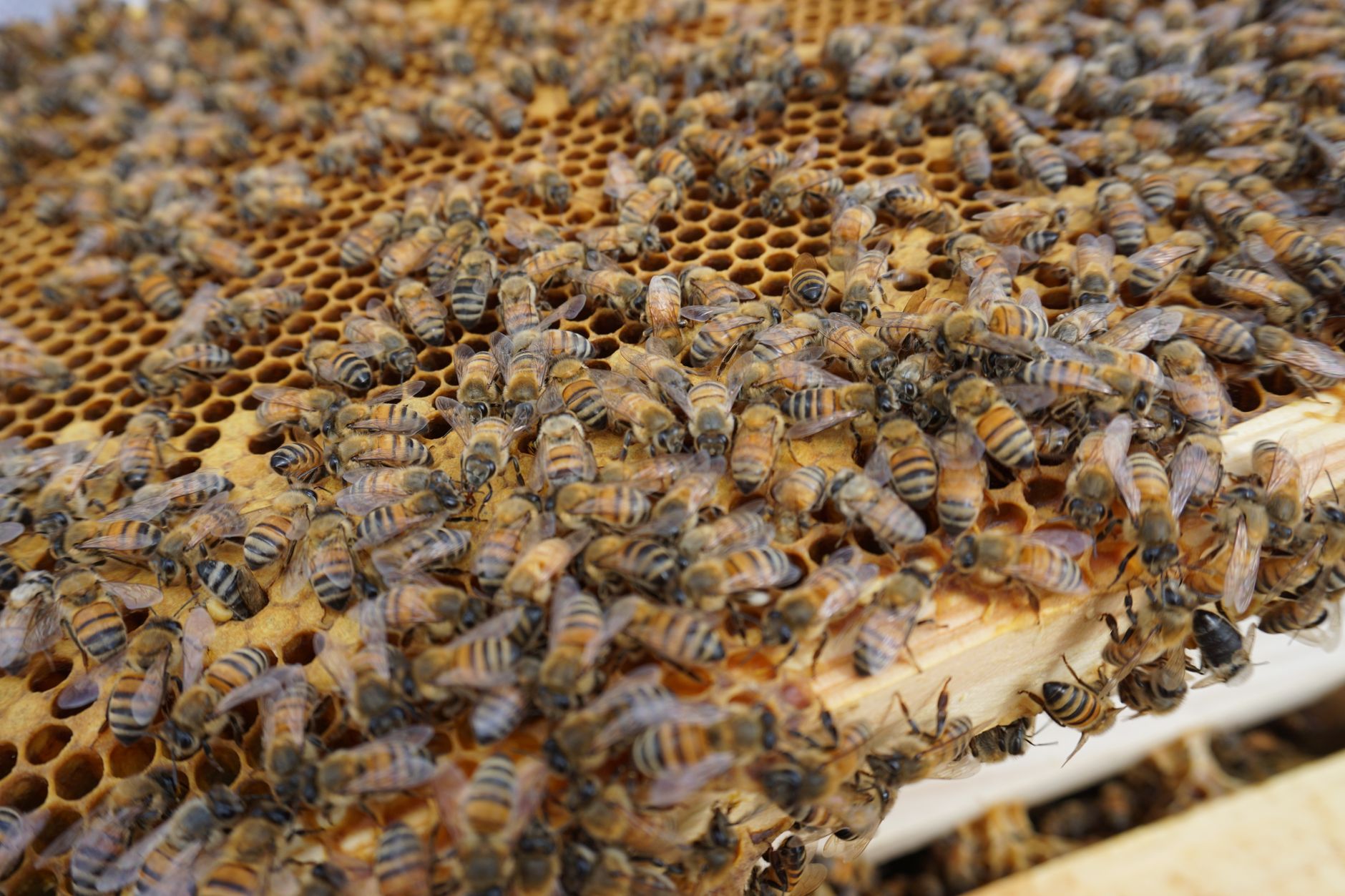
A healthy honey bee hive typically contains 30,000 to 60,000 bees during peak summer months. A new package of bees starts with about 10,000 bees, which can grow to 30,000-50,000 within a few months. In winter, populations drop to 10,000-20,000 as bees cluster for warmth. The population consists of one queen (egg layer), hundreds of drones (males), and thousands of worker bees (sterile females). Factors like hive health, forage availability, season, and queen quality all affect colony size.
What you will need
Understand the Three Types of Bees in a Hive
The Queen: There is only one queen per hive (in most cases). She is the largest bee and the only fertile female. Her sole purpose is laying eggs—up to 2,000 per day during peak spring/summer. She can live 2-5 years, but beekeepers often replace her every 1-2 years for optimal production.
Worker Bees: These are sterile females and make up 99% of the hive's population. They do everything: forage for nectar and pollen, build comb, clean the hive, feed the queen and larvae, guard the entrance, and produce honey. A worker lives 4-6 weeks in summer (worn out from flying) and 4-6 months in winter.
Drones: These are male bees and the only males in the hive. Their sole purpose is to mate with a queen from another hive. They don't forage, don't clean, and can't sting. Drones are only present during spring and summer—they are evicted from the hive in autumn to conserve resources.
Population breakdown: Workers: 99%, Drones: 0.5-1%, Queen: 0.01%. In a hive of 50,000, you'd have about 49,500 workers, 300-500 drones, and 1 queen.
Superorganism: A bee colony functions as a single superorganism. The queen is the reproductive organ, workers are the body, and drones are the reproductive cells.
Understand Seasonal Population Changes
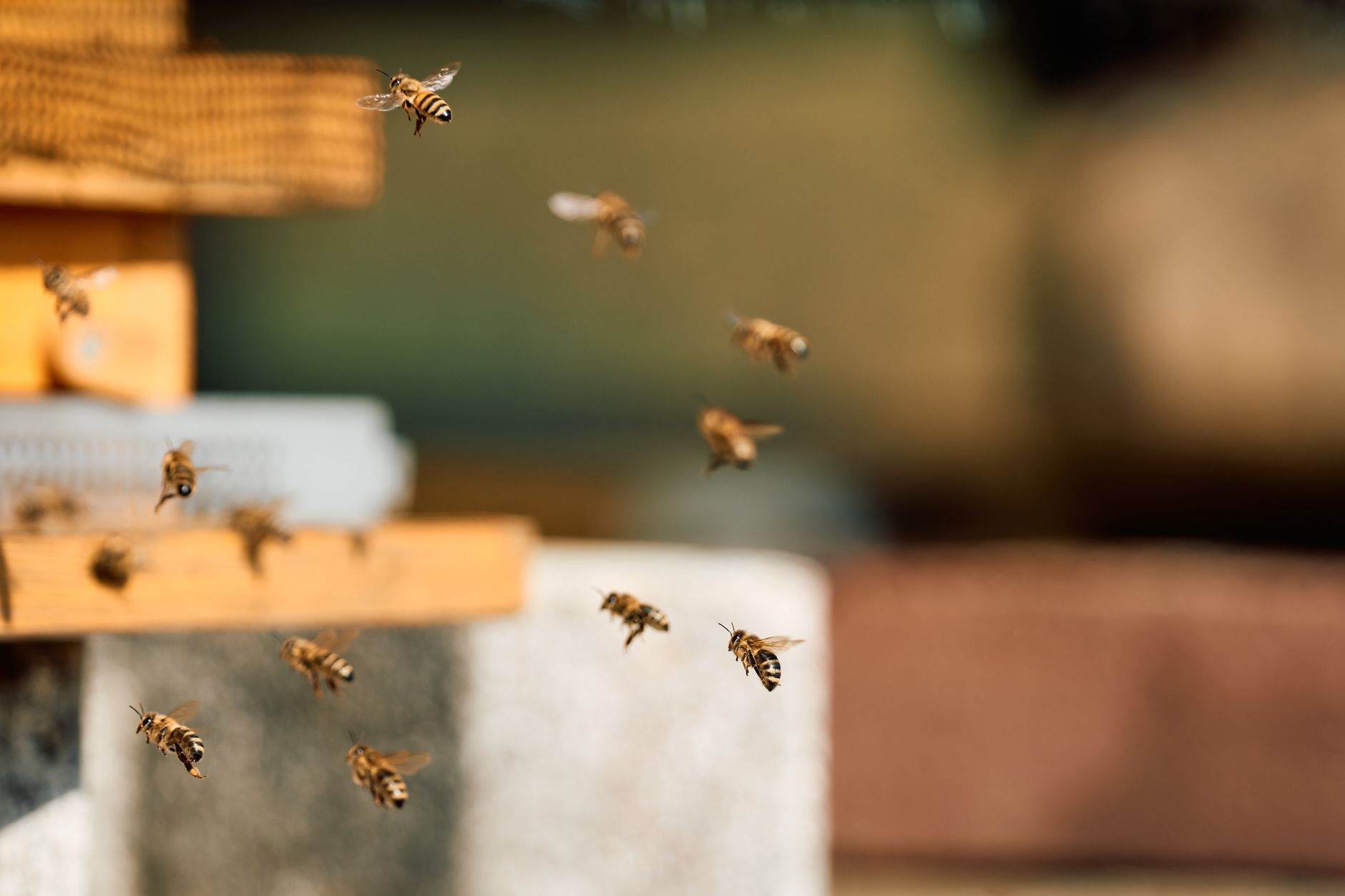
Spring (March-May): Population begins to explode as the queen increases egg laying. A new package of 10,000 bees can grow to 30,000-50,000 by June. Spring is the critical growth period for new colonies.
Summer (June-August): Peak population. 40,000-60,000 bees. The hive is at maximum capacity, with lots of foraging and honey production. Swarming is most likely during this period as the colony outgrows its space.
Fall (September-November): Population begins to decline. Drones are evicted from the hive. The queen reduces egg laying as temperatures drop. Honey stores are built up for winter. Population drops to 20,000-30,000.
Winter (December-February): Minimum population—10,000-20,000. The colony clusters together for warmth. The queen stops laying or lays very few eggs. The bees huddle inside the hive, consuming stored honey for heat.
Why it matters: Beekeepers must prepare for these changes. Adding supers (boxes) in summer, feeding in winter, and ensuring adequate space are all seasonal considerations.
Estimate Hive Population by Frames
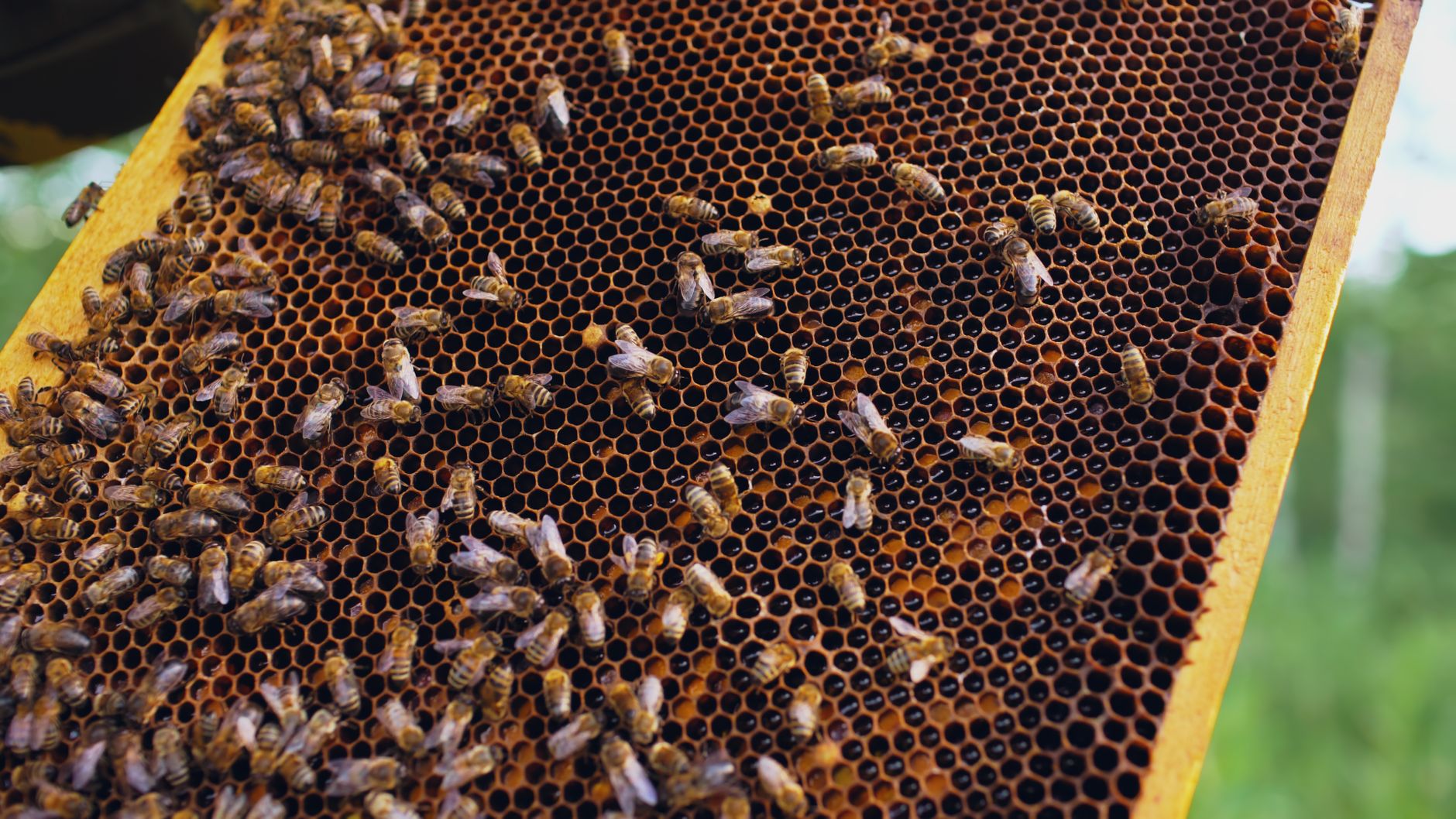
Frame coverage: A standard deep frame (approximately 19x9 inches) fully covered on both sides contains roughly 2,500-3,000 bees. A medium frame holds about 2,000-2,500 bees.
Estimating population: Count the number of frames covered in bees and multiply. For example, a hive with 10 deep frames full of bees has approximately 25,000-30,000 bees.
Types of frames: Deep frames hold more bees and brood; medium frames are used for honey supers. Population estimates should be based on the bee coverage, not just the number of frames.
Ballpark estimate: A 10-frame deep box completely filled with bees = ~25,000-30,000 bees. A 10-frame medium box full of bees = ~20,000-25,000 bees.
Timing: In summer, a strong hive may have bees on all 10 frames in the brood box and additional bees on honey supers. In winter, they may be clustered on 3-4 frames.
Understand Population Factors
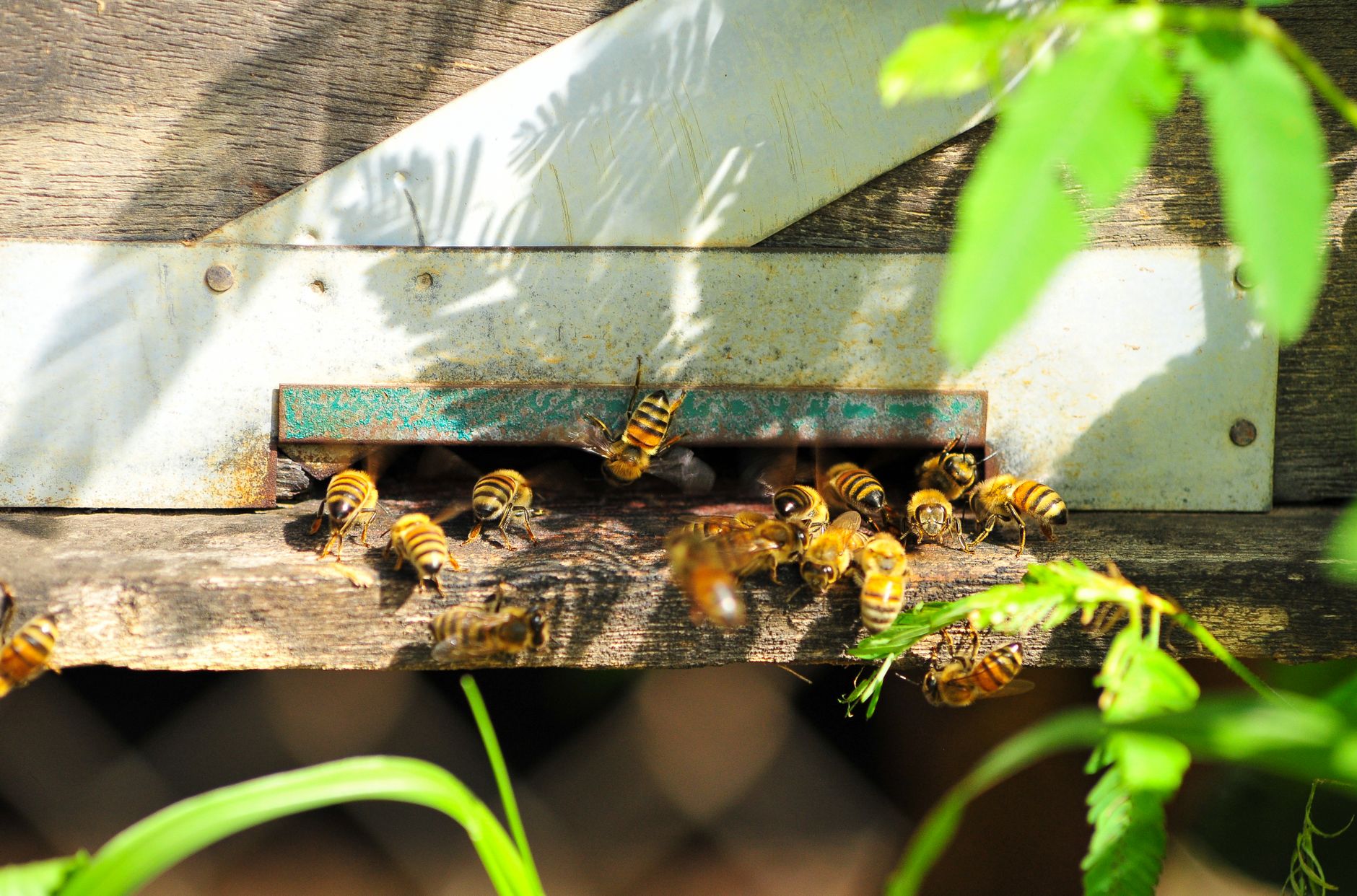
Queen health: The queen's egg-laying rate directly affects population. A young, healthy queen lays 1,500-2,000 eggs/day. An older queen may lay fewer, leading to a smaller population. Replacing queens every 1-2 years is recommended.
Forage availability: More flowers = more nectar and pollen = more bees. Good forage is essential for population growth. If forage is scarce, the queen reduces laying, and the population stagnates or declines.
Disease and pests: Varroa mites, Nosema, and other diseases reduce bee health and lifespan. A hive with significant mite infestation will have a smaller population and shorter bee lifespans.
Space: A colony needs room to expand. If the hive is too small (no space for new comb), the queen can't lay eggs, and the population can't grow. Adding supers (boxes) is essential for population growth.
Weather: Cold, rainy weather keeps bees inside, reducing foraging and population growth. Conversely, warm, dry weather promotes population growth.
Understand Swarming and Population Splits
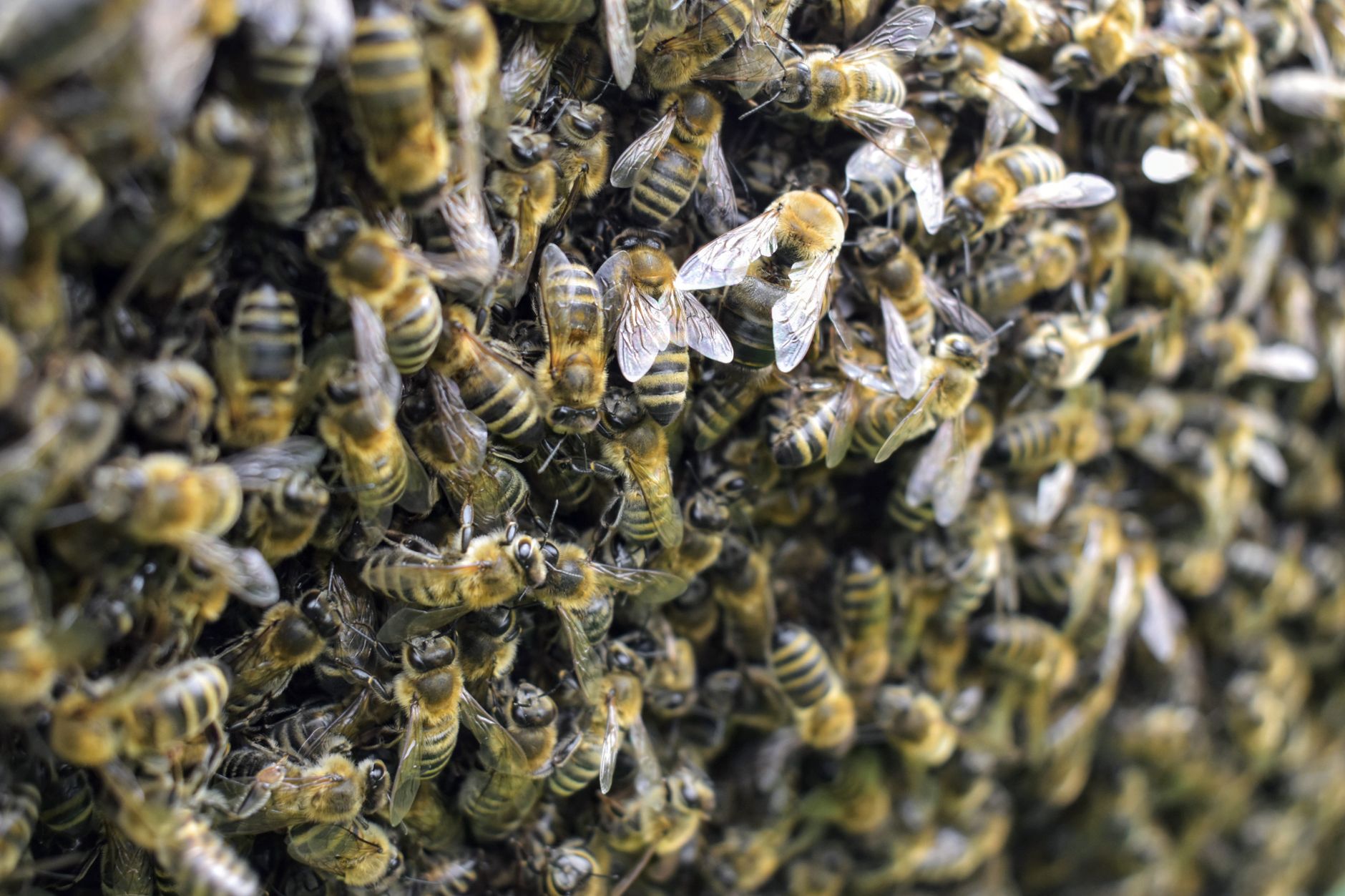
What is swarming? When a hive becomes overcrowded, the colony prepares to swarm. The old queen and about half the workers (10,000-20,000 bees) leave the hive to start a new colony elsewhere.
Why it matters: Swarming reduces the original hive's population by half and can result in a significant decrease in honey production. Beekeepers often try to prevent swarming by adding space or splitting the hive.
After swarming: The original hive is left with a new queen (emerging from a queen cell), a reduced population (10,000-15,000 bees), and reduced honey production for a few weeks while the new queen ramps up egg laying.
Artificial split: Beekeepers can intentionally split a hive to create new colonies. This involves moving several frames of bees, brood, and food to a new hive box with a new queen. This prevents swarming and expands the apiary.
Swarm size: A typical swarm contains 10,000-20,000 bees—about half the original population. This is enough to start a new colony and grow rapidly if conditions are favorable.
Understand Winter Cluster and Population
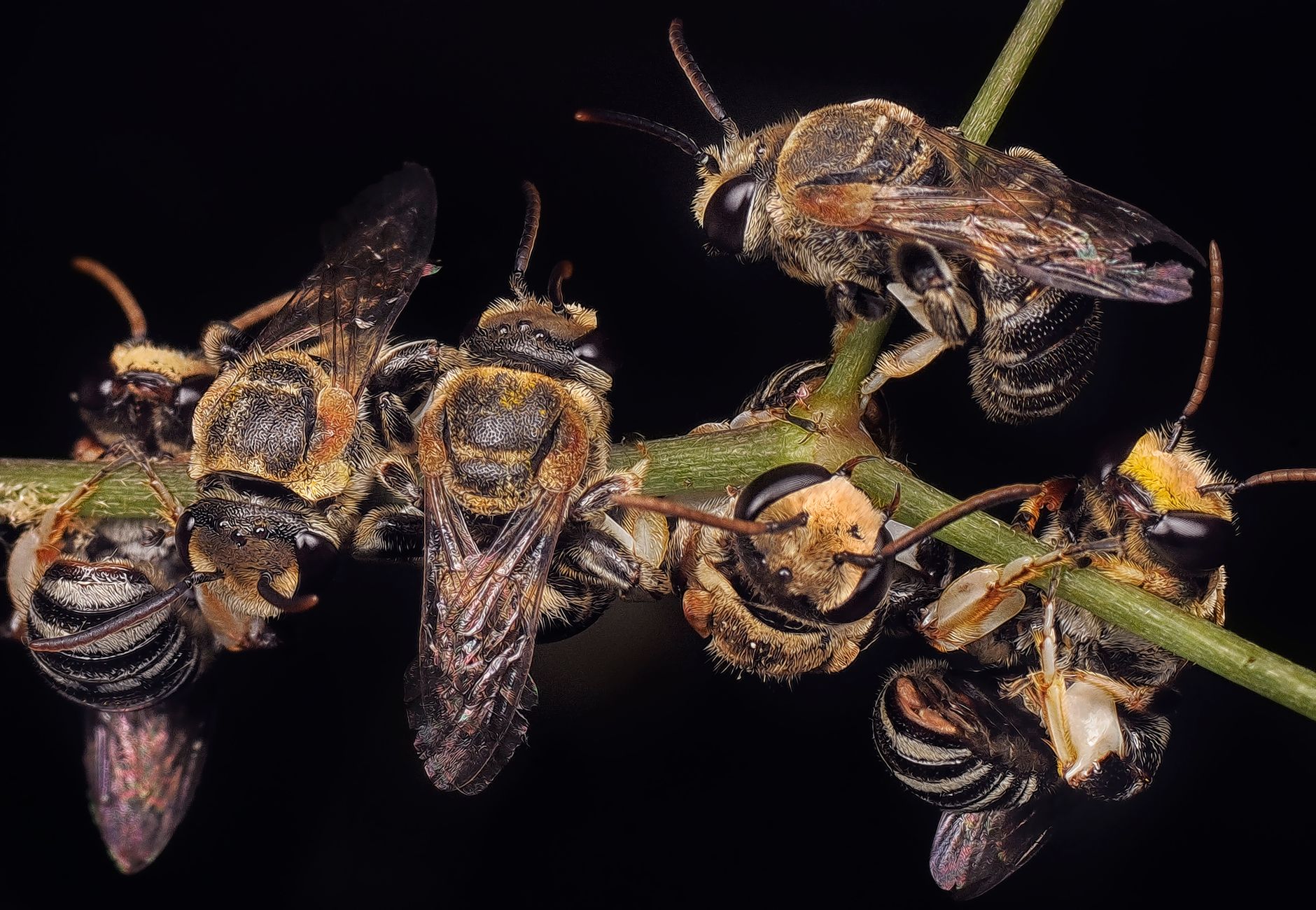
Cluster size: In winter, 10,000-20,000 bees cluster together in a tight ball. The outside bees insulate the inside bees, generating heat through vibration.
Why they cluster: The bees maintain a core temperature of about 93°F. They eat honey and shiver to generate heat. A larger cluster (more bees) can withstand colder temperatures.
Population needs: To survive winter in cold climates (below freezing), a hive needs at least 15,000-20,000 bees. Smaller populations may not be able to generate enough heat to survive.
Winter mortality: 20-40% of winter bees die during winter. This is natural. The colony rebuilds in spring when the queen resumes laying.
Feeding: Bees need 40-60 pounds of honey to survive winter. Beekeepers may supplement with sugar syrup or fondant if stores are low.
Identify a Healthy vs. Unhealthy Population
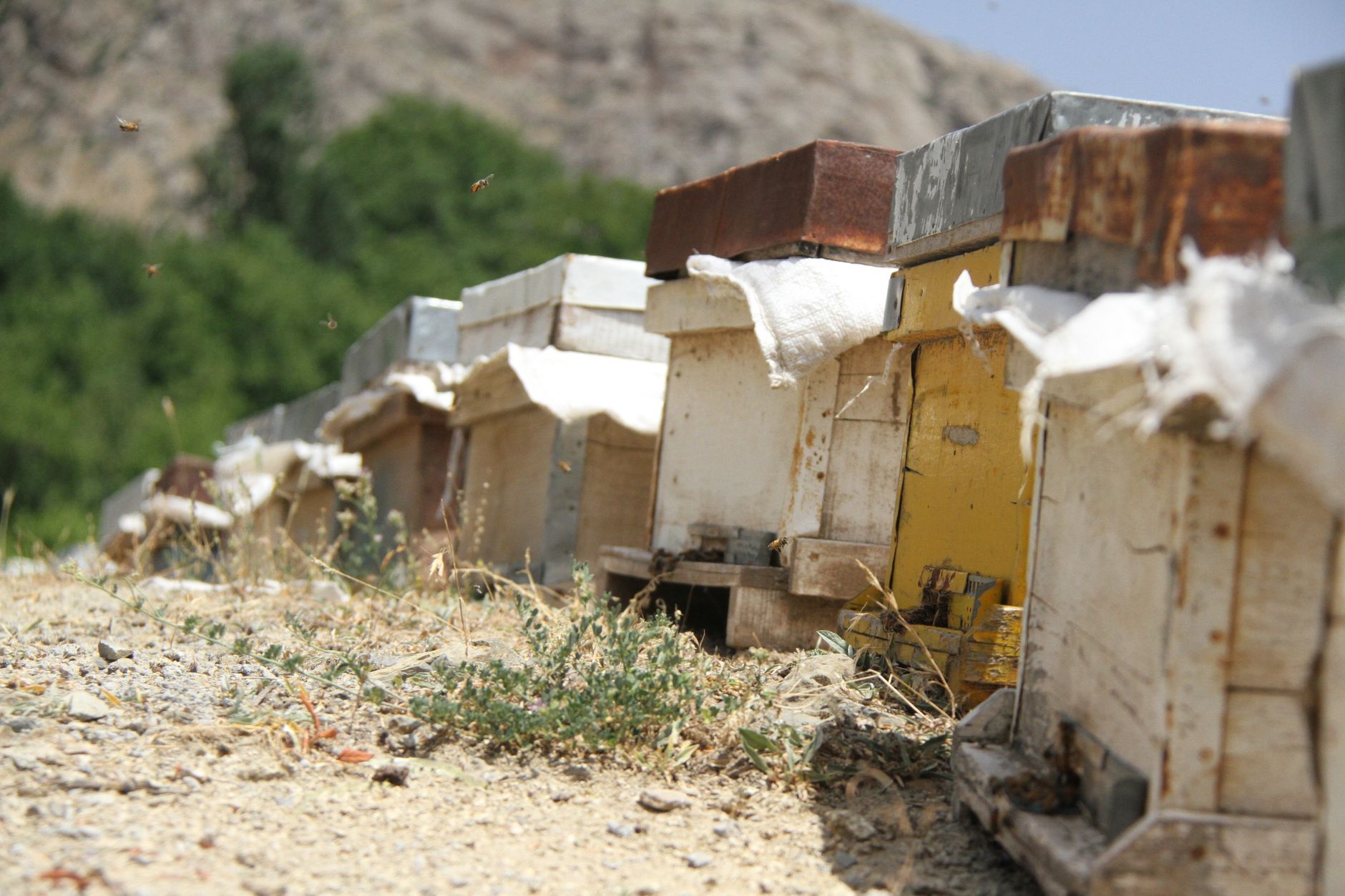
Signs of a healthy population: Full frames of bees, active foraging at the entrance, steady population growth in spring, good brood pattern (solid pattern of capped brood), low mite counts, and lots of honey production.
Signs of an unhealthy population: A sudden population drop in a season (not related to swarming), spotty brood pattern (missed cells in the brood pattern), bees with deformed wings (sign of varroa mites), or many dead bees at the entrance.
What to do: If you suspect issues, inspect the hive. Check for disease, check the queen (is she alive? is she laying?), and check food stores. Treat for varroa mites if indicated.
Empty hive: A sudden disappearance of all bees (except possibly the queen) is called Colony Collapse Disorder (CCD) and is a serious concern. If you suspect CCD, contact your local extension office.
Monitoring: Inspect your hives every 2-3 weeks during the active season. Track population changes and watch for signs of disease or issues.
Support and Grow Your Hive Population
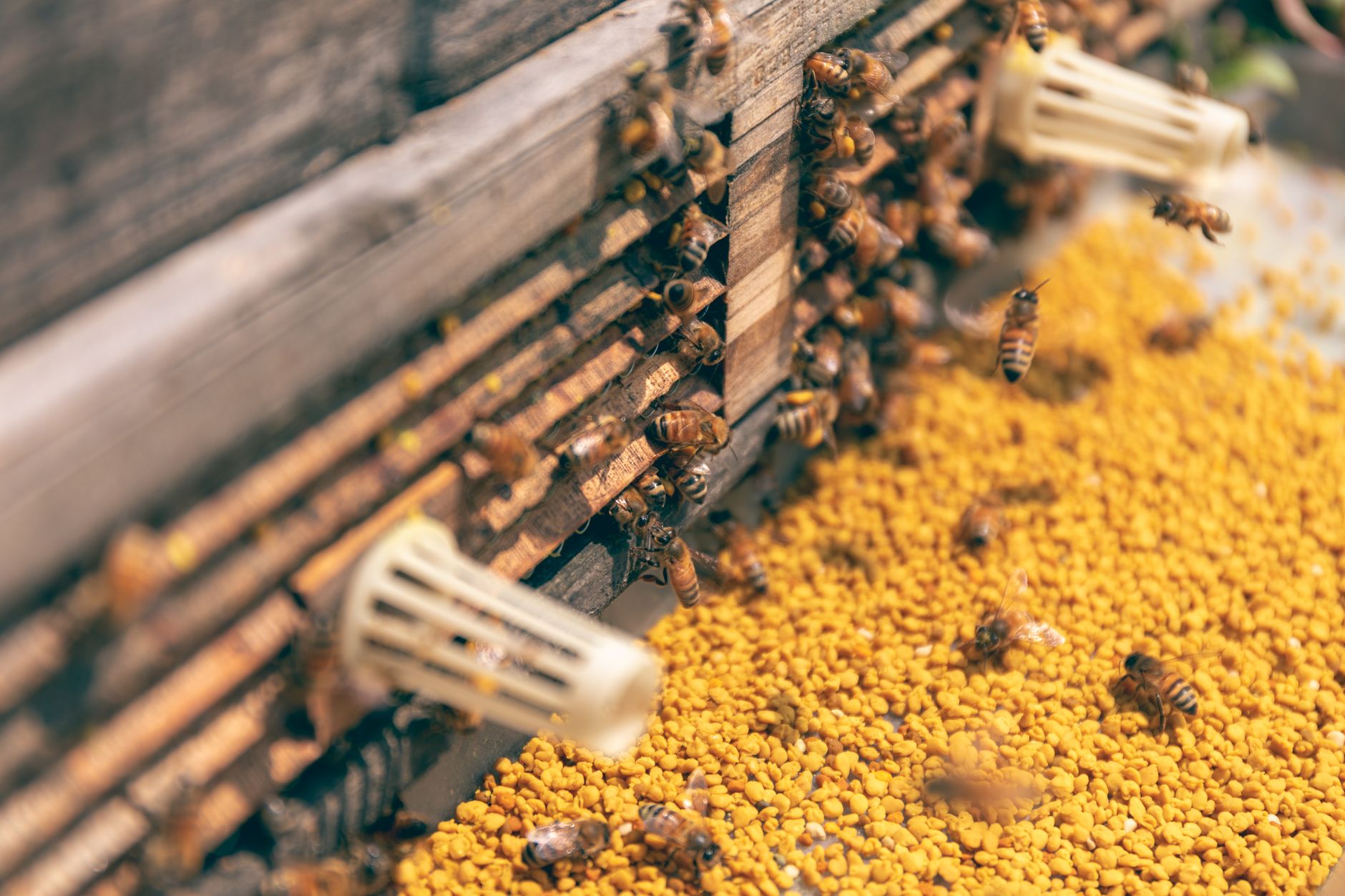
Feeding: In spring, feed sugar syrup (1:1 ratio of sugar to water) to stimulate population growth. In fall, feed 2:1 syrup to build honey stores for winter.
Pollen supplements: Provide pollen patties or pollen substitute in early spring when natural pollen is scarce. This supports brood production and population growth.
Adding space: Add supers (boxes) when 70-80% of the existing frames are full. Crowding triggers swarming and limits population growth.
Requeening: Replace queens every 1-2 years to maintain high egg-laying rates and strong populations. Older queens are less productive.
Disease management: Regularly monitor for varroa mites and treat as needed. A mite-free hive is a healthy hive with a strong population.
Common problems and fixes
| Problem | Likely cause | What to do |
|---|---|---|
| Hive population is smaller than expected | Old queen (reduced laying), disease (varroa, nosema), or poor forage. | Check queen, test for mites, and feed if needed. Consider requeening. |
| Population suddenly drops | Queen died, swarmed, or disease outbreak (especially varroa). | Inspect for queen, check for swarm cells, and treat for mites. |
| No brood (eggs/larvae) in the hive | Queen died, stopped laying, or is failing. | Check for the queen. If she's gone, introduce a new queen or combine with a queen-right hive. |
| Deformed wings on bees | Varroa mite infestation (carries Deformed Wing Virus). | Treat for mites immediately. This is a sign of serious mite issues. |
Gardener's checklist
Test what you learned
How many bees are in a peak summer hive?
Answer: 30,000-60,000
What is the queen's primary role in the hive?
Answer: Laying eggs
What happens to drones in autumn?
Answer: They are evicted from the hive
How many bees are on a full deep frame?
Answer: 2,500-3,000
Common questions
How many bees does a new package have?
A new package of bees contains about 10,000-15,000 bees—about 3 pounds. This is enough to start a new colony that can grow to 30,000-50,000 by summer.
Can a hive have too many bees?
Yes. An overcrowded hive will swarm (split) to reduce the population and create a new colony. This is natural but results in a population drop and potential loss of bees.
How do bees count their population?
Bees don't count. They sense population density through chemical signals (pheromones). When the hive is overcrowded, swarming is triggered to reduce density.
How long does it take for a new hive to reach full population?
A new package of 10,000 bees can reach 30,000-50,000 in 2-3 months with good conditions (warm weather, good forage, healthy queen). It takes about 4-5 months to reach peak summer population.
Can I combine two small hives to make one large one?
Yes, combining hives is a common practice when you have weak colonies. Use the newspaper method (place newspaper between the two boxes) to allow the bees to merge without fighting.
The population of a honey bee hive is dynamic, changing dramatically with the seasons. A healthy hive can contain 30,000-60,000 bees at the peak of summer, dropping to 10,000-20,000 in winter. Queen health, forage availability, disease, and hive space all affect population size. Understanding population dynamics is essential for successful beekeeping—monitoring population changes helps you anticipate swarming, prepare for winter, and identify issues early. By providing good forage, managing pests, and replacing queens as needed, you can maintain strong, healthy populations and enjoy a thriving apiary.
Frequently asked questions
How often should a vegetable garden be watered?
Frequency depends on weather, soil and plant size. Check the soil rather than watering on a rigid schedule.
Is compost enough fertilizer?
Compost improves soil and provides nutrients slowly. Heavy-feeding crops may still need additional feeding.

The Sproutstead Editorial Team
We create clear, practical gardening and homesteading guides designed for real homes and beginner growers.
View author profile →